
1 min walk · Mariahilf
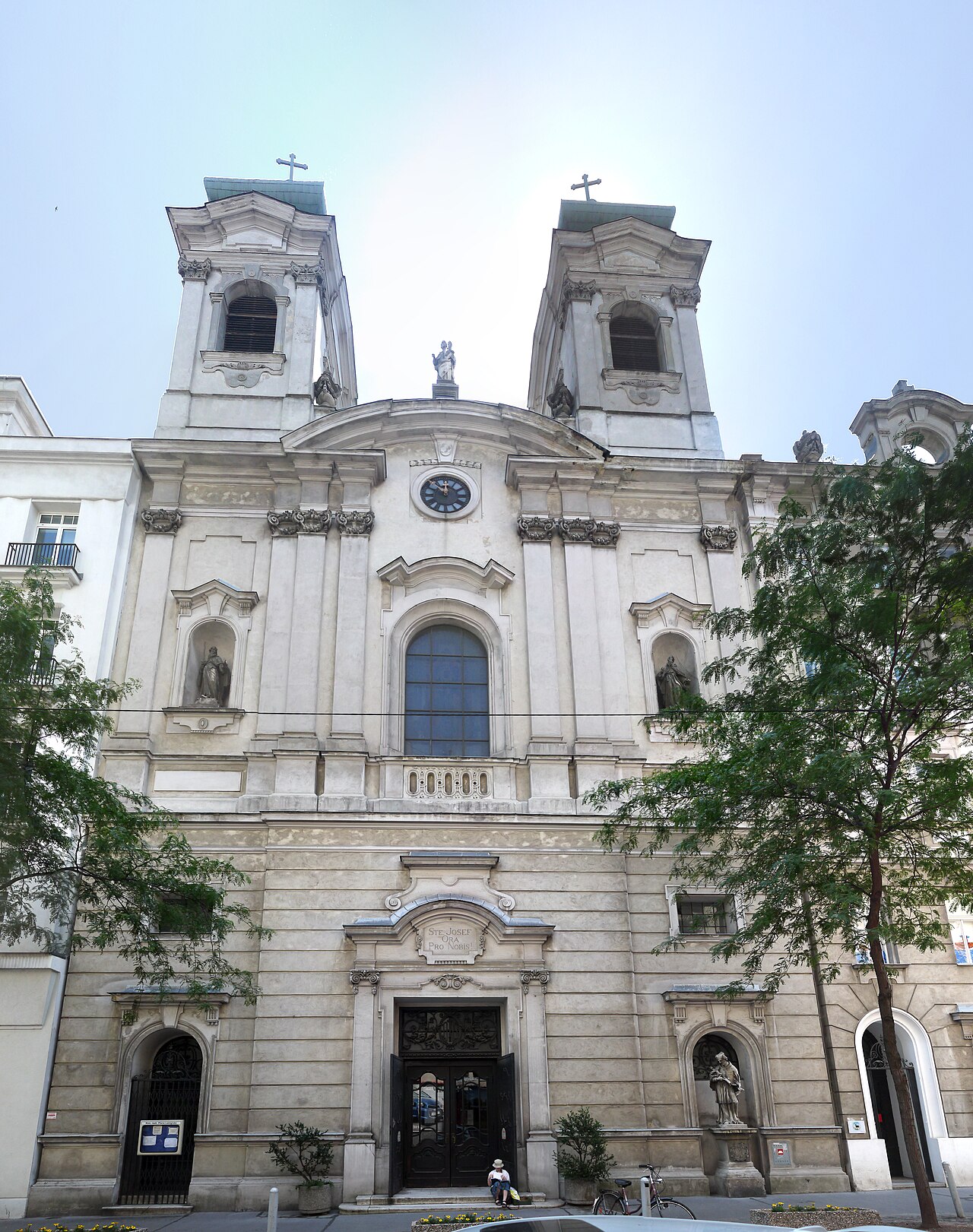
Laimgrubenkirche
- High · Heritage site
- Place of worship
Language · 11 published
Historic monument · Mariahilf, Vienna
Reviewed by Elena Voss · Roavina Travel Editor
| Monday | 00:00 – 23:59 |
|---|---|
| Tuesday | 00:00 – 23:59 |
| Wednesday | 00:00 – 23:59 |
| Thursday | 00:00 – 23:59 |
| Friday | 00:00 – 23:59 |
| Saturday | 00:00 – 23:59 |
| Sunday | 00:00 – 23:59 |
Parsed from OpenStreetMap opening hours on 2026-09-09.
This place is a Monument. It was established in 1907. It was built in the Art Nouveau architecture style. It was designed by Max Hegele. It carries the Listed objects in Austria heritage designation.
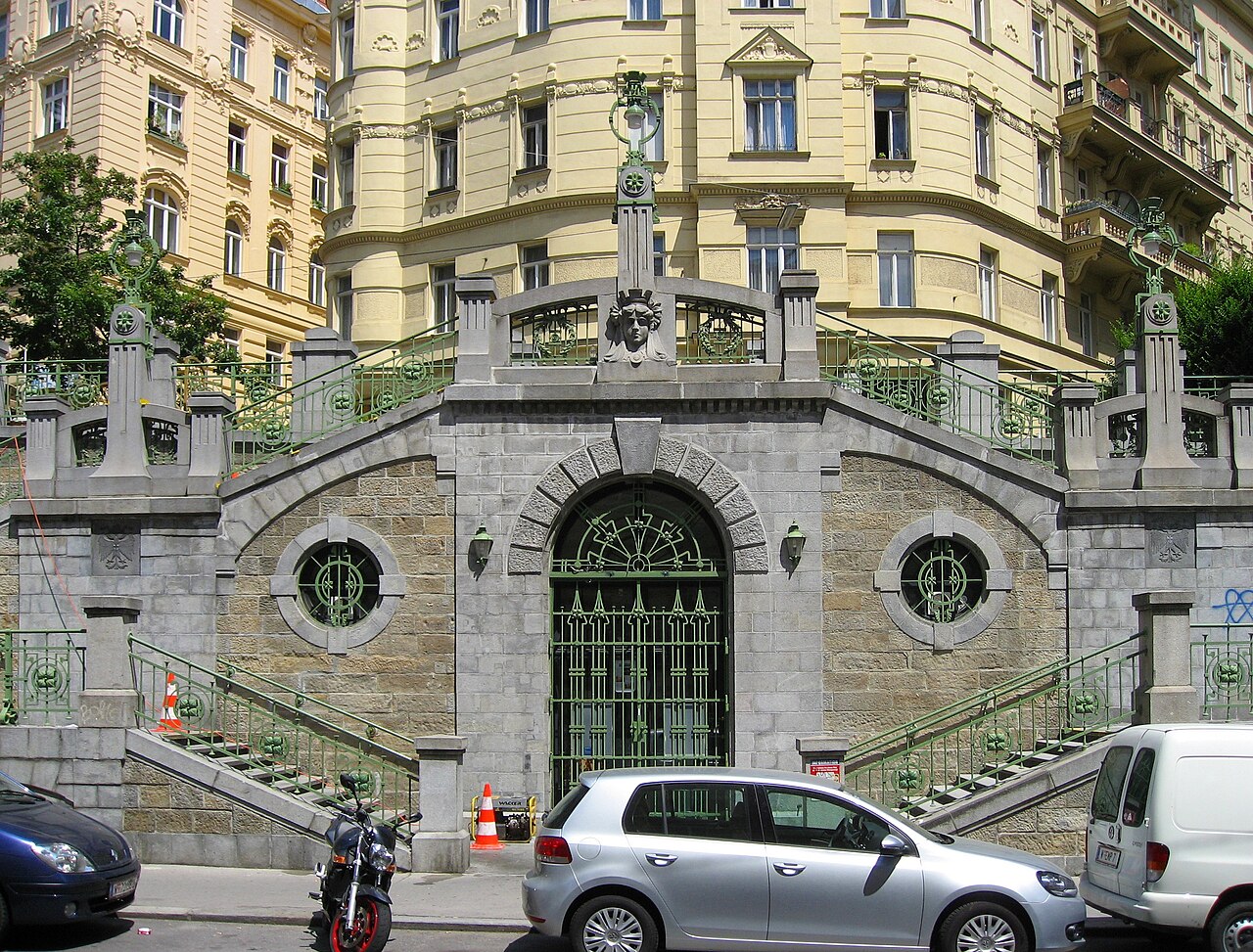
Fillgraderstiege is a historic public staircase in Vienna connecting Fillgradergasse with Theobaldgasse between the Mariahilf and Neubau districts. Built in the early twentieth century, it combines a practical pedestrian link with the architectural character of Vienna's urban streets. Rather than a museum or enclosed attraction, it is a short open-air route that lets travelers experience the city's changing levels, masonry, railings, and surrounding neighbourhood fabric. The Fillgraderstiege is a historic staircase in Vienna, Austria. It connects the districts of Mariahilf and Neubau, specifically linking Fillgradergasse to Theobaldgasse. Constructed in the early twentieth century, this architectural feature represents a notable example of Viennese urban infrastructure designed to manage the city's hilly topography. The staircase serves both practical pedestrian purposes and holds aesthetic significance within the urban landscape. Its construction reflects the period's approach to public works and pedestrian circulation in a densely built European capital. The Fillgraderstiege is a staircase structure without documented accessibility accommodations. Visitors with mobility limitations may find the steps prohibitive and should consider alternative routes between the connected streets.
Checked 2026-08-26 · Source
The staircase is made up of stone steps, railings, retaining walls, and decorative masonry details associated with its period of construction. Approaches are framed by the surrounding buildings, making the route feel integrated into the city rather than separated from it. There are no exhibitions, enclosed rooms, shops, or programmed visitor facilities on the stairs. Its interest comes from the passage itself and the architectural details encountered while moving between the two streets. The Fillgraderstiege consists primarily of stone steps with accompanying railings and retaining walls. The structure incorporates design elements typical of its construction era, including decorative metalwork and masonry details. Vegetation and greenery may be present along portions of the staircase, contributing to its character. The staircase functions as an open-air public thoroughfare without enclosed spaces, commercial establishments, or visitor facilities. Users should expect a straightforward pedestrian passage rather than a destination with amenities, exhibitions, or interpretive materials.
Checked 2026-08-26 · Source
Walking the staircase from one street to the other takes only a few minutes at a steady pace. Give yourself longer if you want to study the railings, masonry, and relationship between the steps and nearby buildings. It works best as a brief architectural stop during a Mariahilf or Neubau walk. The route is a connector, not a lengthy hike, so it can fit between cafés, shops, and nearby city sights.
Checked 2026-08-26 · Source
As a public staircase, Fillgraderstiege can be encountered throughout the day and in every season. Daylight is best for seeing the stonework and navigating the steps. Rain, frost, or snow can make the surface slippery, so use extra care in winter and wet weather. An evening visit gives the staircase a different urban mood, but visibility is lower. The surrounding streets and normal city conditions shape the experience more than seasonal programming.
Checked 2026-08-26 · Source
There is no admission charge for Fillgraderstiege. It functions as public pedestrian infrastructure, with no ticket barrier, reservation process, or visitor capacity system. You can include it freely in a walking route through Mariahilf and Neubau. Because the staircase remains part of the everyday street network, keep to one side when others are passing and avoid blocking the steps while taking photographs.
Checked 2026-08-26 · Source
Use Fillgradergasse and Theobaldgasse as the two approach points. The staircase sits in Vienna's central Mariahilf and Neubau area, where underground, tram, and bus connections serve the surrounding streets. Walking from nearby neighbourhoods is straightforward. The stairs are for pedestrians, so cyclists must carry a bicycle or choose another route between the levels. A map is useful for identifying which end of the staircase you are approaching.
Checked 2026-08-26 · Source
This is a staircase, so the ascent or descent is unsuitable for visitors who cannot manage steps. Wet, icy, or dark conditions increase the chance of slipping. Hold the railings when needed and choose footwear with good grip. The route has no dedicated supervision, first-aid point, or visitor service area. Keep belongings secure in the surrounding urban streets and pause at the side rather than stopping in the main flow of pedestrians.
Checked 2026-08-26 · Source
Fillgraderstiege is well suited to architectural photographs of its stone steps, railings, walls, and framed views between the surrounding buildings. Daylight reveals the materials most clearly, while changing weather can add texture to the scene. Try a view from below, a detail of the metalwork, or a wider composition showing the staircase as part of Vienna's street network. Keep equipment compact, leave space for pedestrians, and respect people who pass through the frame.
Checked 2026-08-26 · Source
It is a historic public staircase linking Fillgradergasse and Theobaldgasse between Vienna's Mariahilf and Neubau districts.
No. It is public pedestrian infrastructure and has no admission fee, ticket barrier, or reservation process.
Crossing the staircase takes only a few minutes. Allow more time for photographs and architectural details during a neighbourhood walk.
No. Fillgraderstiege is a staircase, so visitors who cannot manage steps need an alternative route between Fillgradergasse and Theobaldgasse.
Daylight shows the stonework and railings clearly. Quieter periods make it easier to frame the staircase without interrupting pedestrians.
No. It is a short connection between two streets and works best as a brief architectural stop within a longer Mariahilf or Neubau walk.
Loading the interactive map…
The interactive map could not be loaded.
Last updated:
Source: OpenStreetMap contributors, Wikidata ·