
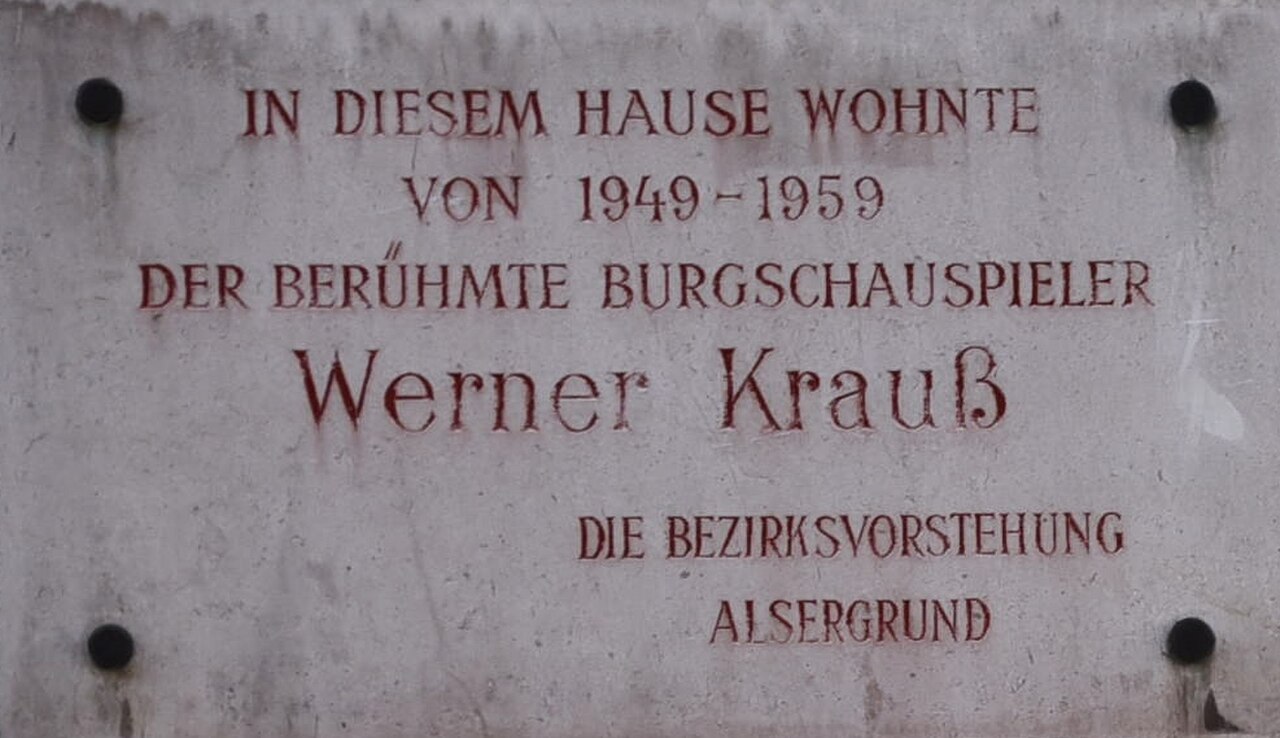
2 min walk · Alsergrund
Werner Krauß
- High
- Historic monument
Language · 11 published
Historic monument · Alsergrund, Vienna
Palais Liechtenstein (Gartenpalais)
Reviewed by Elena Voss · Roavina Travel Editor
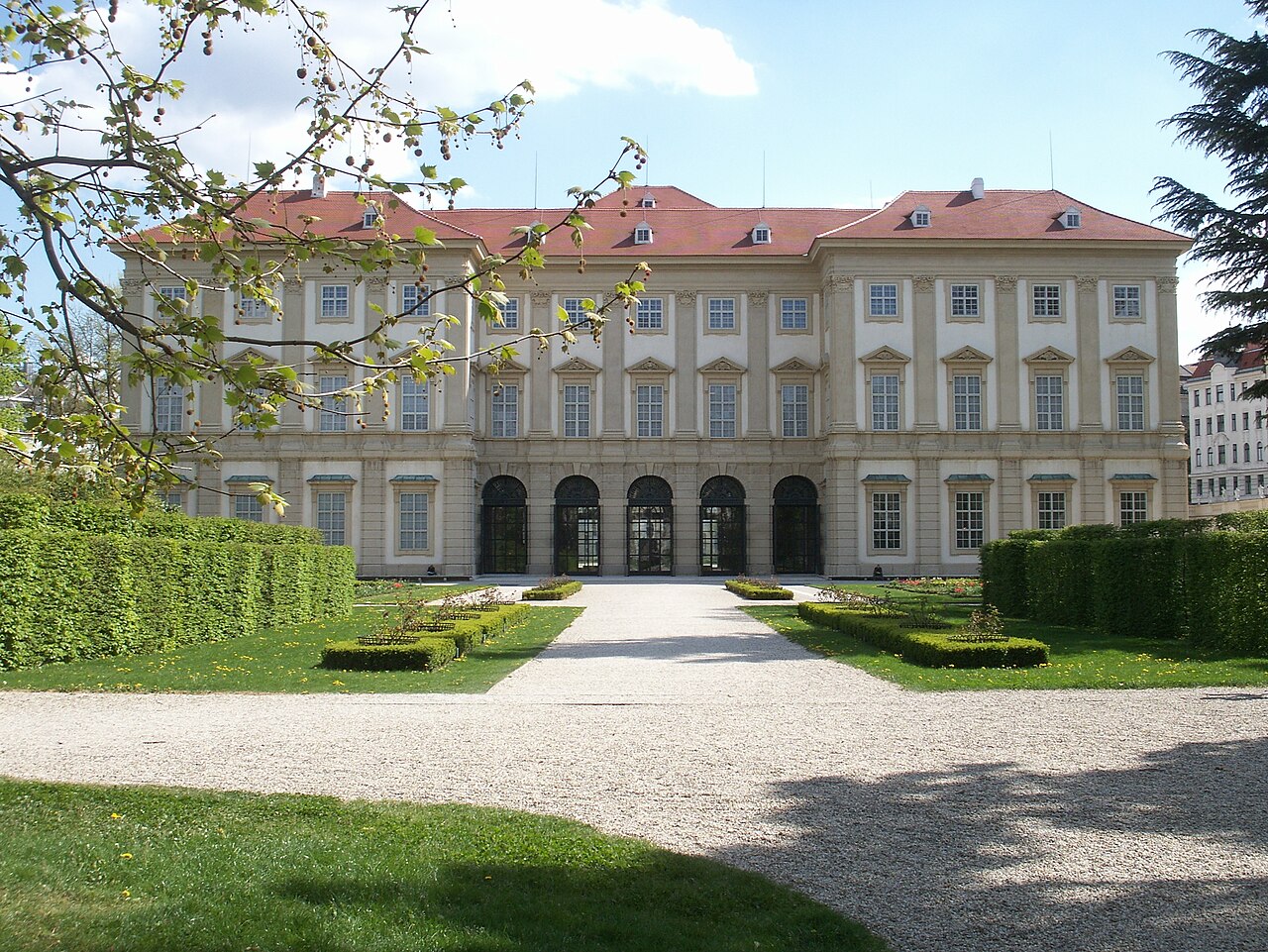
It was established in 1688. It was built in the baroque architecture style. It was designed by Domenico Egidio Rossi. It carries the Listed objects in Austria heritage designation.
The Garden Palace (Gartenpalais Liechtenstein) is the Liechtenstein princely family's Baroque summer residence in Alsergrund, the 9th district, built 1691-1711 for Prince Johann Adam Andreas I of Liechtenstein.
Domenico Egidio Rossi began the design and Domenico Martinelli completed it, giving the palace its long garden facade and its centrepiece: a double-height marble hall rising through two storeys under a ceiling fresco. The family had been raised to princely rank only a century earlier, and the Garden Palace was built, like much of Vienna's high Baroque architecture, to make that new rank visible in stone.
This is the Garden Palace, not the family's other Vienna residence, the Liechtenstein City Palace (Stadtpalais) on Bankgasse in the Innere Stadt, built later as the family's winter town house. The two buildings are separate addresses with separate histories and separate parts of the collection, and a Vienna itinerary that conflates them sends a visitor to the wrong door on the wrong side of town.
Checked 2026-08-24 · Source
The palace holds part of the Liechtenstein princely art collection, one of the largest private art collections in the world, built up by the family over four centuries and including Baroque and Rococo painting, sculpture and decorative arts.
The Grand Hall ceiling fresco is by Johann Michael Rottmayr, painted around 1707, depicting the apotheosis of Hercules across the full height of the marble hall. Andrea Pozzo, the Jesuit painter famous for his illusionistic ceilings elsewhere in Vienna, and other Baroque decorators worked on the state rooms beneath it, giving the sequence of rooms a unified high-Baroque programme rather than a scatter of later additions.
The garden in front of the palace was laid out as a formal Baroque parterre when the palace was new, then reworked into an English landscape garden during the 19th century, when informal planting became fashionable across the Habsburg lands. The formal beds nearest the building were later restored toward something closer to their original Baroque plan, so the garden today reads as two styles side by side rather than one consistent design.
Checked 2026-08-24 · Source
A guided tour of the state rooms runs to roughly ninety minutes to two hours; the palace does not offer a self-guided, walk-in visit the way a standard museum does, so the length of a visit is effectively fixed by the tour rather than chosen by the visitor. Add another twenty to thirty minutes for the garden if a given tour date includes access to it, since garden access is not automatic on every booking and should not be assumed without checking.
Checked 2026-08-24 · Source
Because entry is by scheduled guided tour rather than standing open hours, the relevant planning question is which dates a tour is offered, not which season best suits the building. Tours have historically run on a limited number of days per month rather than daily, which makes this a place to build a Vienna trip around rather than a stop added at the last minute.
The current schedule is not recorded here and should be checked directly on the Liechtenstein Collections' own site before a visit is planned around it, since a schedule this limited changes without much notice.
Checked 2026-08-24 · Source
The palace closed as a walk-in museum in 2011 after operating that way from 2004, and has since been open only through pre-booked guided tours, usually for small groups, plus occasional public opening days announced by the collection itself outside the regular tour calendar.
Current tour prices, group size limits and the booking process are not recorded here. Liechtenstein Collections' own site (liechtensteincollections.at) is the only source this project treats as authoritative for that figure, and it should be read fresh before a booking is made, per this project's rule that a practical figure this specific is quoted from the operator, never from a listing or booking aggregator site that may not reflect the current calendar.
Checked 2026-08-24 · Source
The address is Fürstengasse 1, 1090 Vienna, on the edge of Alsergrund facing the Danube Canal side of the district, a few streets back from the water itself.
Tram D stops at Bauernfeldplatz a short walk from the entrance, and the U4 underground line's Rossauer Lände station is roughly ten minutes on foot along the canal. Street parking in Alsergrund is metered on weekdays, and the palace has no dedicated visitor car park of its own, so public transport is the more reliable route in.
Checked 2026-08-24 · Source
Booking ahead is not optional here the way it can be for a palace with daily opening hours — without a confirmed tour slot there is no fallback walk-in option at the door, and turning up unannounced risks a wasted trip to Alsergrund.
Do not confuse this address with the Liechtenstein City Palace on Bankgasse in the Innere Stadt: that is a separate building, a separate booking process, and a separate display of the collection, and the two are sometimes listed together on travel sites in a way that implies one ticket covers both. It does not, and a visitor who books one expecting the other will be turned away.
Photography rules inside the state rooms are set by the tour operator on the day and are not recorded here as a blanket policy; ask the guide at the start of the tour rather than assume a phone or camera is welcome throughout.
Checked 2026-08-24 · Source
The garden facade, seen from the parterre with the palace's long symmetrical front filling the frame, is the shot most visitors leave with, and it needs no ticket to take, since the approach avenue along the garden is publicly visible even on days without a scheduled tour.
Interior photography, including of the Rottmayr ceiling in the Grand Hall, depends on the guide's rules for that particular tour and is not recorded here as a blanket policy across every booking. The formal parterre nearest the building, restored toward its Baroque plan, gives a cleaner symmetrical line than the looser English-garden sections further out, and is generally the more photogenic half of the grounds.
Checked 2026-08-24 · Source
Public access status is Not recorded. Visitors must confirm current operational arrangements through official channels.
No. The Garden Palace (Gartenpalais) is in Alsergrund at Fürstengasse 1; the City Palace (Stadtpalais) is a separate building on Bankgasse in the Innere Stadt. They hold different parts of the family collection and are booked separately.
No. Since 2011 the palace has been open only through pre-booked guided tours rather than daily walk-in hours; check liechtensteincollections.at for the current tour calendar before travelling.
Johann Michael Rottmayr, around 1707, depicting the apotheosis of Hercules.
It was built 1691-1711 for Prince Johann Adam Andreas I of Liechtenstein, designed first by Domenico Egidio Rossi and completed by Domenico Martinelli.
The approach avenue and the garden's outer aspect are visible from the public street; whether the garden itself is included on a given tour date is not recorded here and depends on the booking.
Loading the interactive map…
The interactive map could not be loaded.
Last updated:
Source: OpenStreetMap contributors, Wikidata ·