
_07.jpg)
_08.jpg)
_09.jpg)


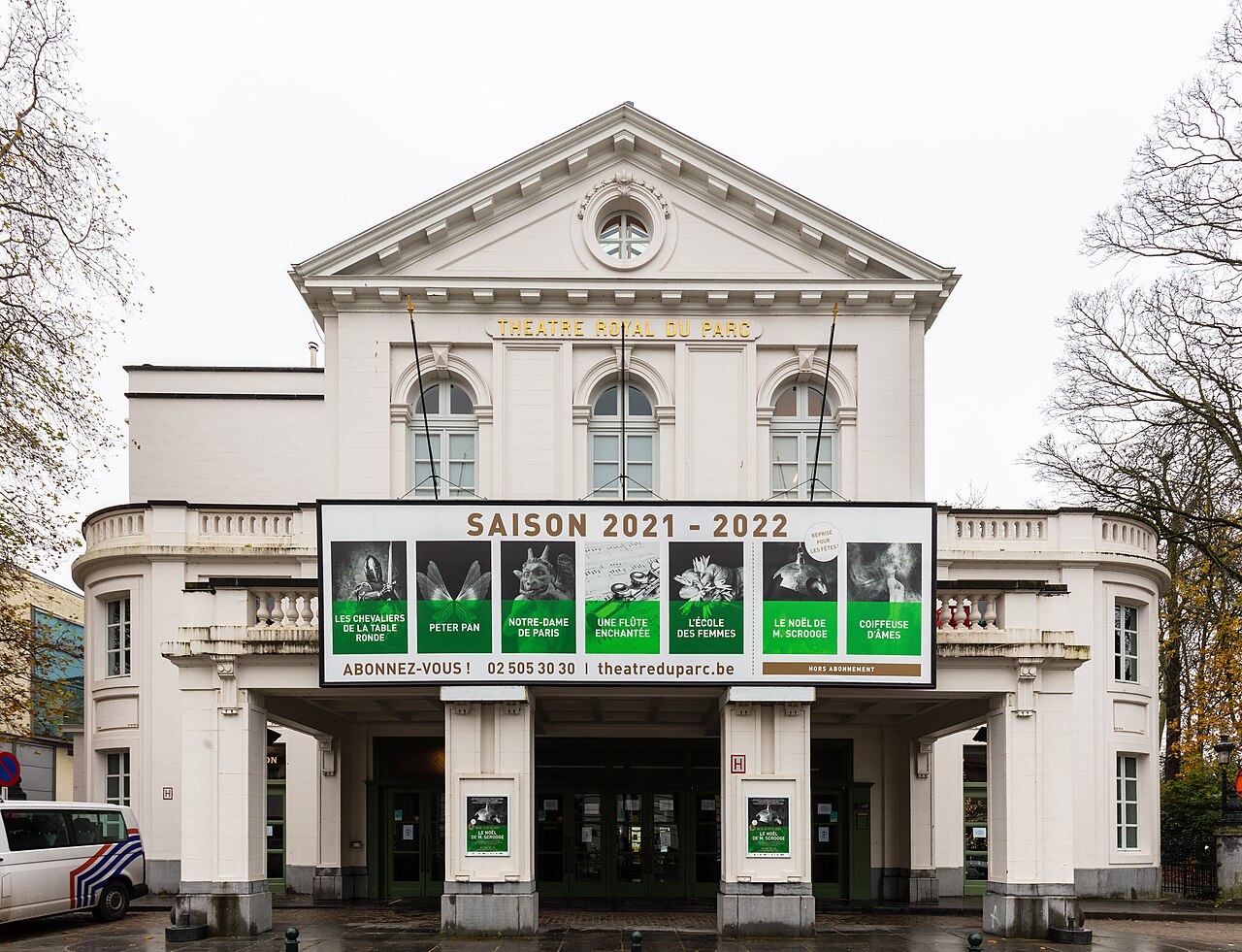
5 min walk
Royal Park Theatre
- Notable · Heritage site
- Art and culture venue
Language · 11 published
Museum · Brussels
Musée Charlier - Charliermuseum
Closed today, Saturday. Next open Monday at 12:00 — the planner will not place a stop here on a Saturday.
Plan around itReviewed by Elena Voss · Roavina Travel Editor
| Monday | 12:00 – 17:00 |
|---|---|
| Tuesday | 12:00 – 17:00 |
| Wednesday | 12:00 – 17:00 |
| Thursday | 12:00 – 17:00 |
| Friday | 10:00 – 13:00 |
| Saturday | Closed |
| Sunday | Closed |
Parsed from OpenStreetMap opening hours on 2026-09-09.
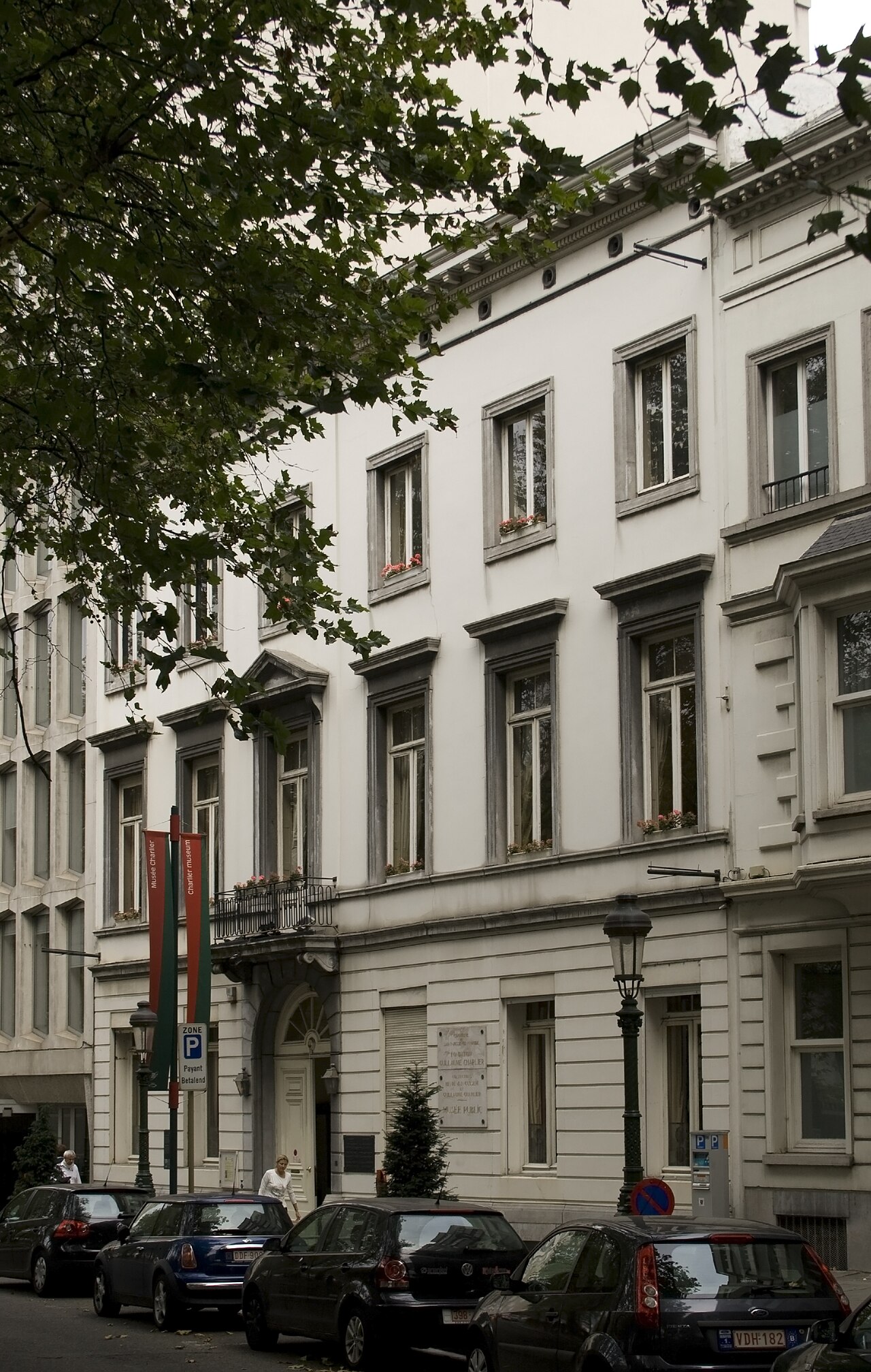
This place is a Museum. It was established in 1844. It was built in the Neoclassical architecture style. It was designed by Victor Horta. It carries the protected monument heritage designation.
Charlier Museum, or Musée Charlier, is a Brussels house museum set inside a historic townhouse. Its appeal comes from the combination of art and domestic architecture: you move through rooms that retain the atmosphere of a private residence rather than a purpose-built gallery. The museum offers a quieter cultural experience for travellers interested in collections, interiors and Brussels heritage. The Charlier Museum, known locally as Musée Charlier - Charliermuseum, is a museum in Brussels. It occupies a historic townhouse setting. The institution preserves and presents art collections in a residential architectural context. The building itself contributes to the visitor experience as a heritage structure. The museum represents a cultural destination within the Brussels urban landscape, offering insight into private collection practices of the period. Its identity as a specific visitor point of interest is established through production data linking it to Brussels city place records. Visitors must verify directly with the museum before visiting.
Checked 2026-08-26 · Source
The displays bring together paintings, sculptures and decorative arts within period interiors. Furniture and room arrangements help explain how an art collection could be lived with and experienced in a private home. Instead of moving through large anonymous halls, visitors encounter works alongside architectural details and domestic furnishings. The setting is therefore part of the collection’s story and deserves attention in its own right. The museum contains art collections assembled by its founder. Visitors encounter paintings, sculptures, and decorative arts displayed within period interiors. The domestic setting distinguishes this museum from conventional gallery spaces. Rooms retain historical furnishings and arrangements. The collection scope reflects the taste and acquisitions of the original patron. The interior atmosphere provides context for understanding how collections were experienced historically. Visitors should expect a house-museum environment rather than a modern exhibition facility.
Checked 2026-08-26 · Source
Allow roughly one to two hours for a thoughtful visit. That gives enough time to move through the townhouse rooms, look closely at the art and notice the relationship between objects and interiors. A shorter visit can work if you are concentrating on the architecture or selected works. Visitors with a strong interest in collecting, decorative arts or historic interiors may enjoy staying longer. Visitor duration depends on individual interest in the collections and interior spaces. A typical house-museum visit ranges from one to two hours for comprehensive engagement. Those with specific research interests may require additional time.
Checked 2026-08-26 · Source
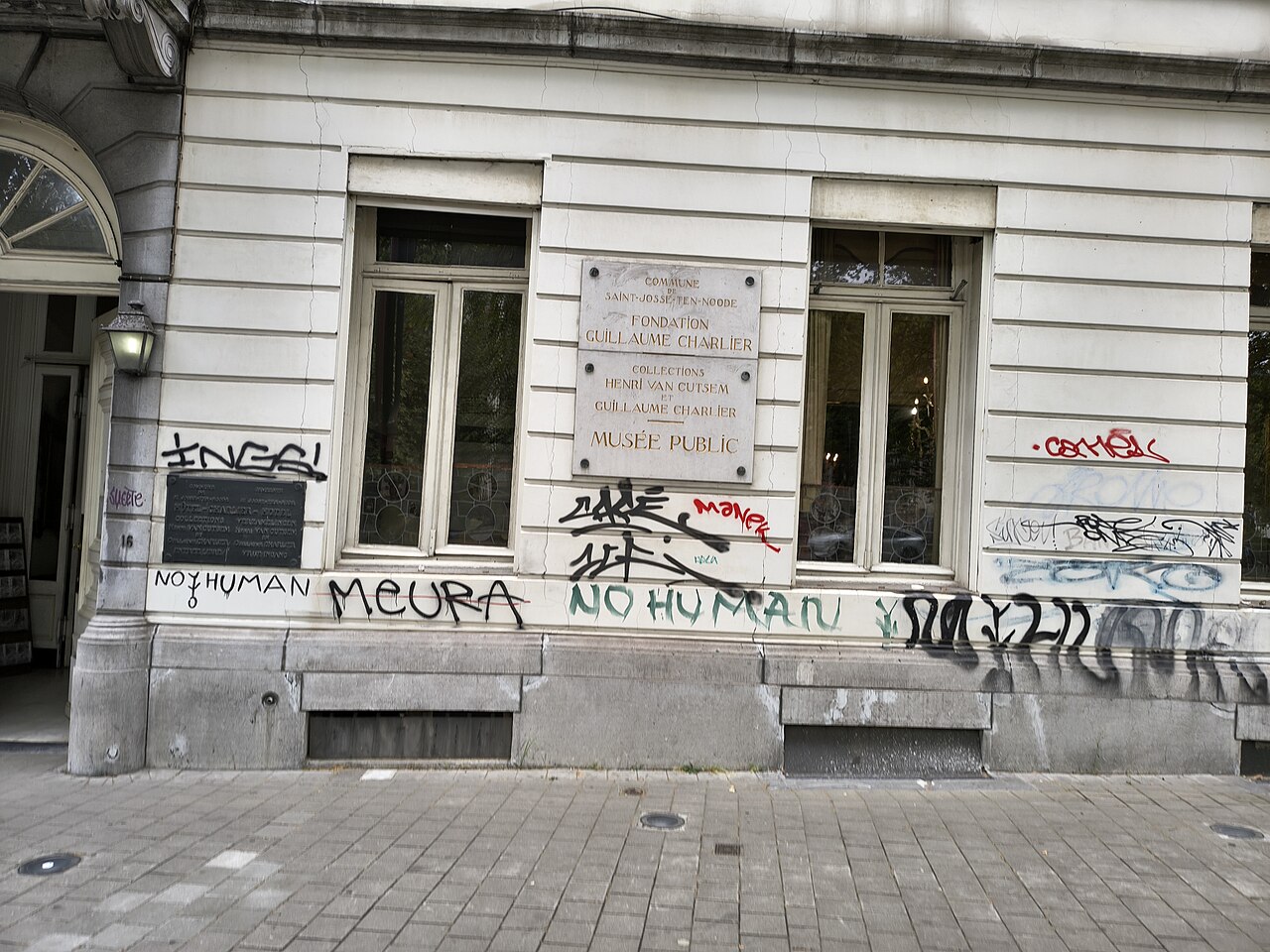
Charlier Museum suits a Brussels day built around smaller cultural venues and historic neighbourhoods. Its indoor rooms make the visit useful in unsettled weather, while the residential scale rewards an unhurried pace. Set aside enough time to appreciate the house as well as the exhibits. The museum works especially well for travellers who prefer intimate collections to crowded, large-scale attractions and want a quieter pause in the city.
Checked 2026-08-26 · Source
Plan this stop as a compact museum visit rather than a large institutional attraction. The experience centres on the townhouse, its rooms and the art displayed there, so the value lies in the quality of the setting and the collection rather than in a long programme of activities. Build flexibility into the day so the visit can sit comfortably alongside another Brussels cultural stop.
Checked 2026-08-26 · Source
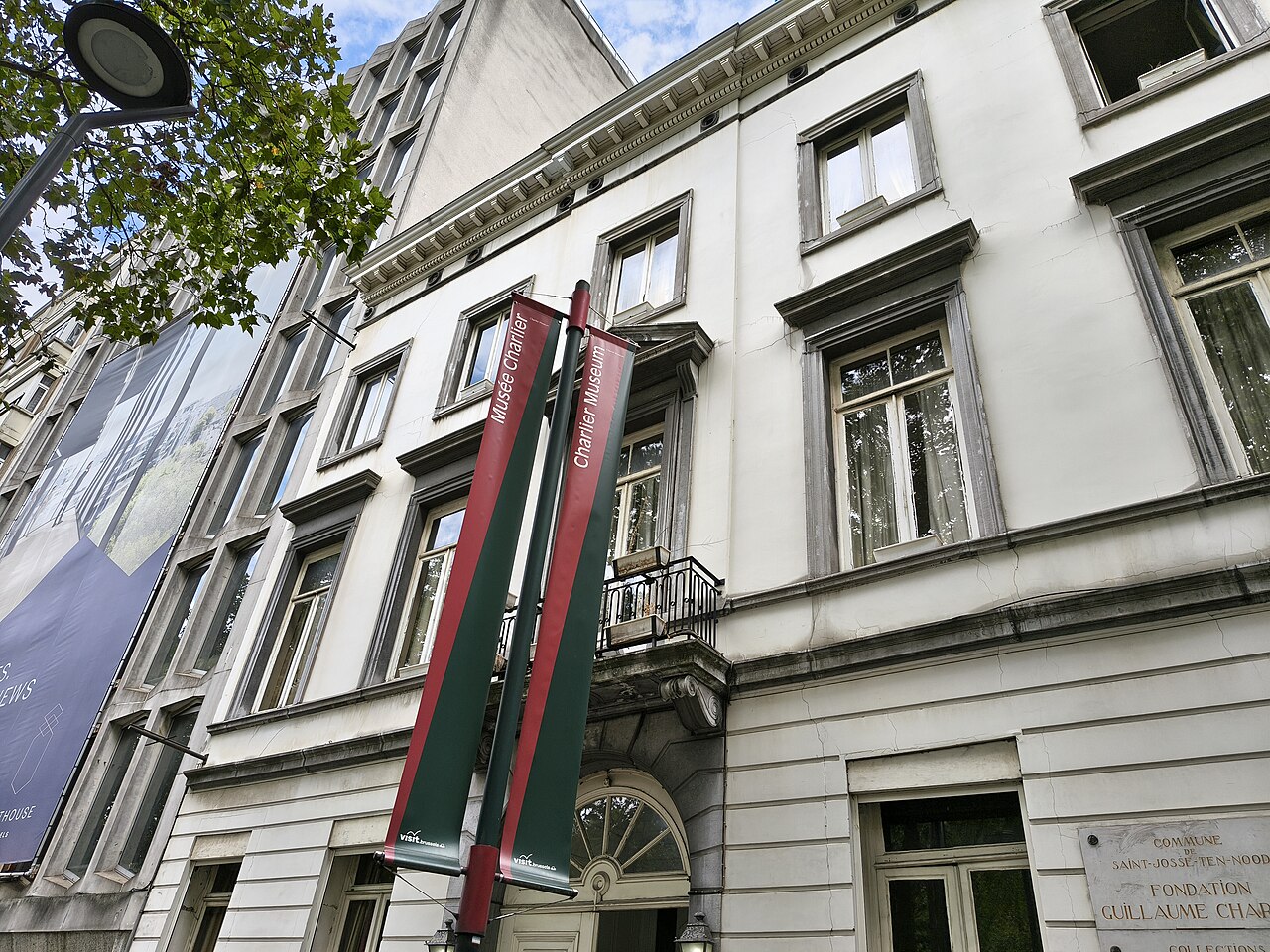
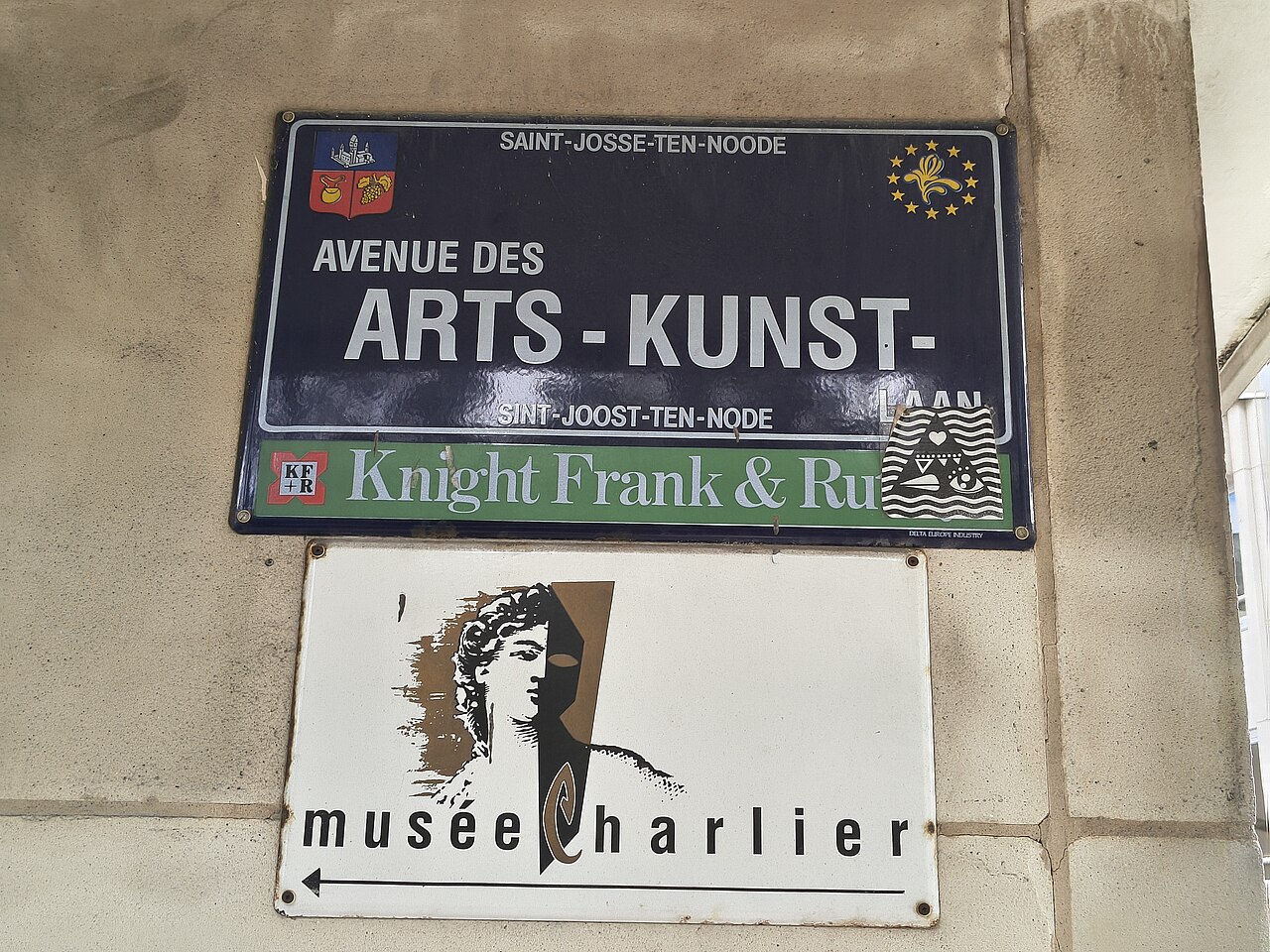
The museum is in Brussels and belongs naturally in a walking-and-transit city itinerary. Use the museum’s mapped location as your destination, then combine the visit with nearby streets and cultural stops rather than treating it as an isolated excursion. The historic townhouse setting means the final approach is part of the experience. Travellers arriving by car should remember that central Brussels streets can be difficult for parking.
Checked 2026-08-26 · Source
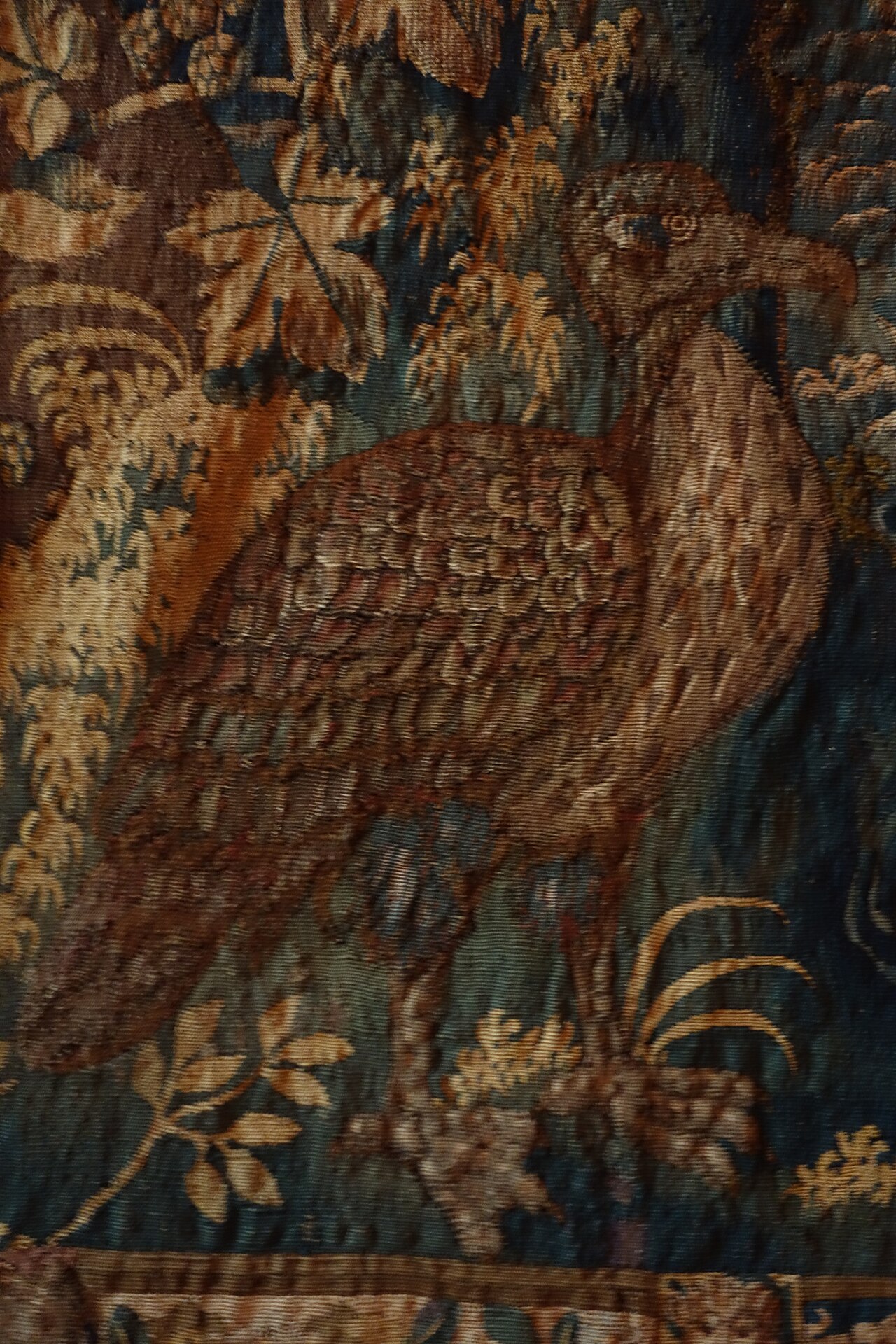
This is a historic house museum, so visitors should move carefully around original floors, staircases, furnishings and displayed works. Narrow domestic rooms can feel more confined than a modern gallery, especially when several people gather in one space. The intimate layout is part of the character, but it may be less comfortable for visitors who need broad circulation areas. Keep bags and movement unobtrusive.
Checked 2026-08-26 · Source
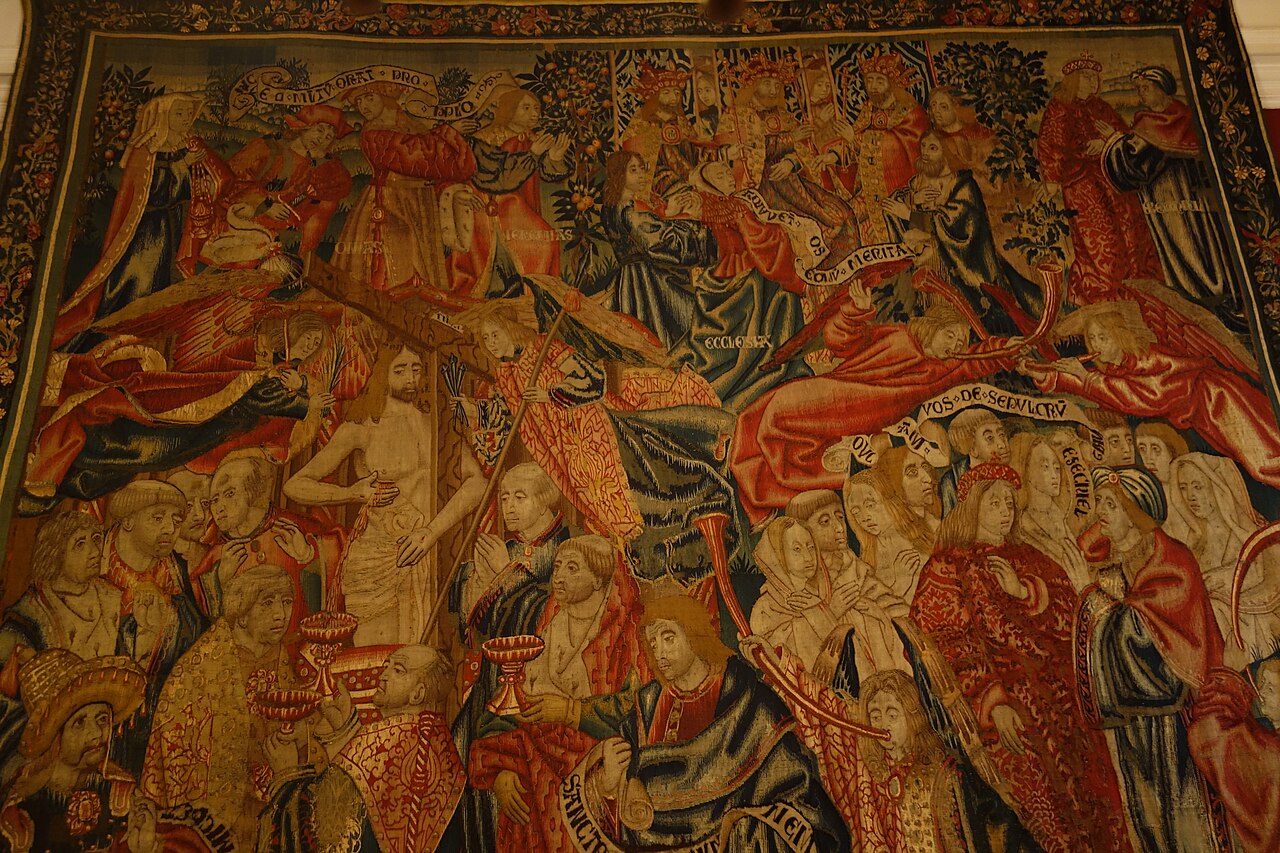
Treat the interiors and artworks as a viewing experience first. In a townhouse, rooms are close together and camera use can distract other visitors or place equipment near furnishings. Follow the signs and staff directions inside, and keep any permitted photography discreet. Avoid flash, tripods and selfie sticks unless the museum explicitly allows them, since they are poorly suited to confined historic rooms.
Checked 2026-08-26 · Source
It is a Brussels house museum combining art collections with the rooms and atmosphere of a historic townhouse.
The museum presents paintings, sculptures and decorative arts in period domestic interiors.
Allow about one to two hours for the rooms, artworks and architectural details.
The collection is displayed in a residential townhouse, so historic furnishings and room layouts are part of the visit.
Yes. The historic townhouse and its period interiors contribute directly to the museum experience.
Move carefully around the historic interiors and displayed works, and keep bags and camera equipment unobtrusive.
Loading the interactive map…
The interactive map could not be loaded.
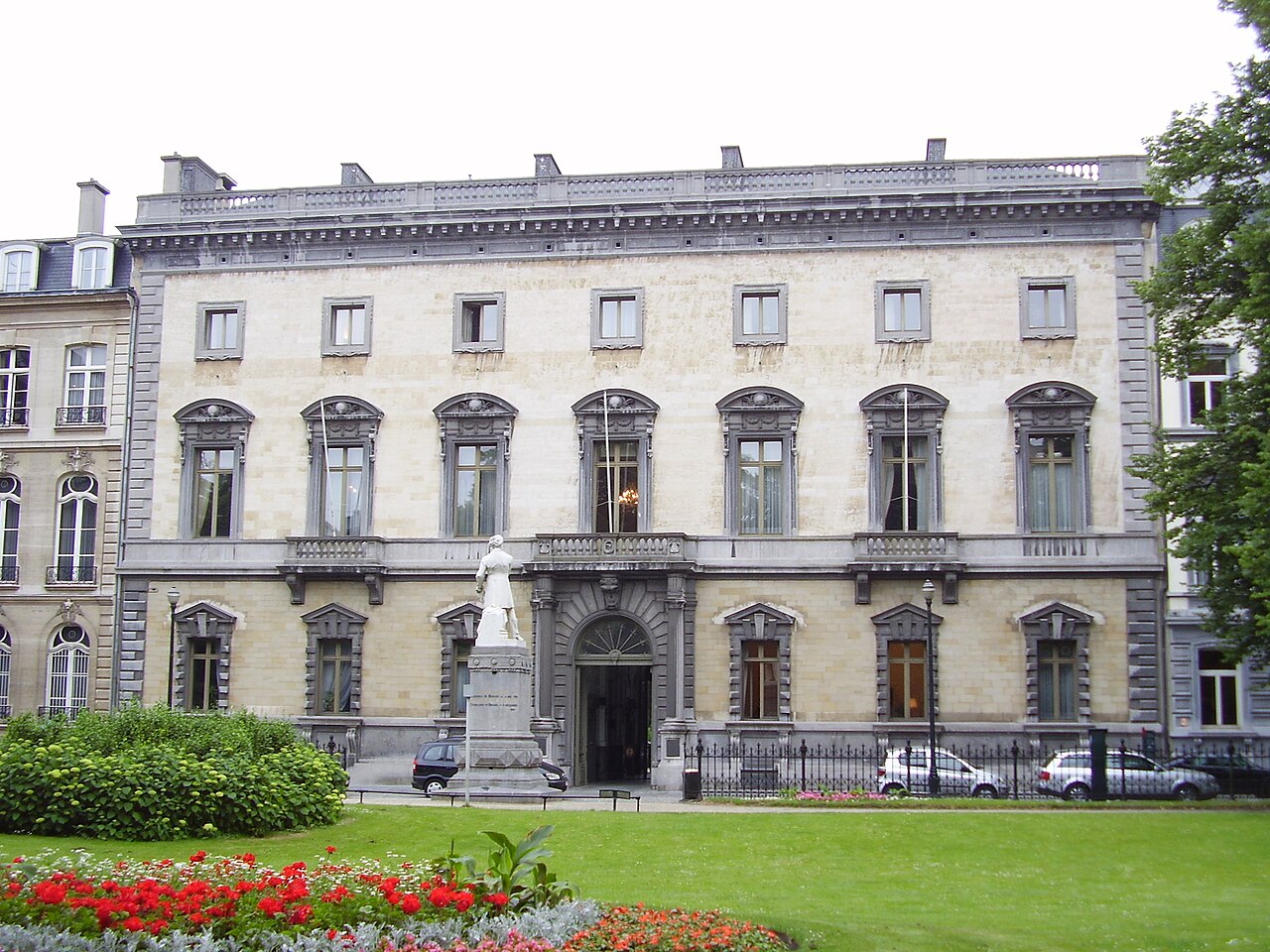
Last updated:
Source: OpenStreetMap contributors, Wikidata ·