
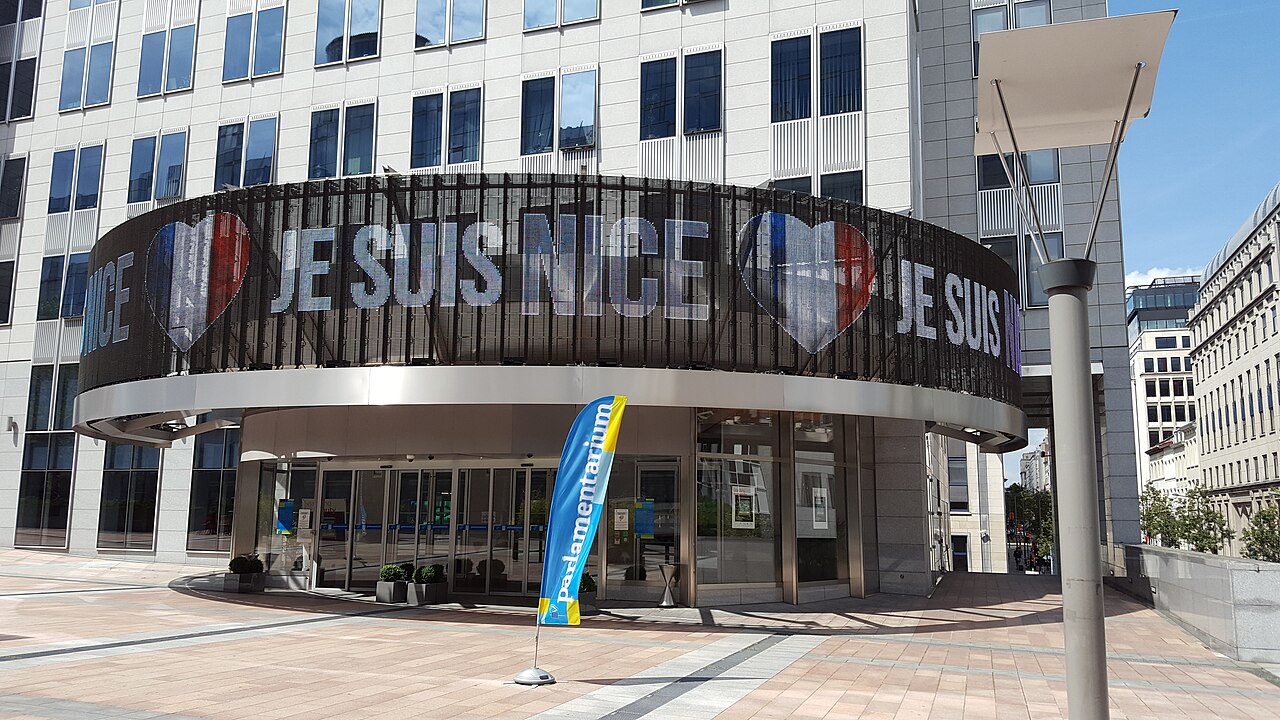
5 min walk
Parlamentarium
- Must see
- Museum
Historic monument · Brussels
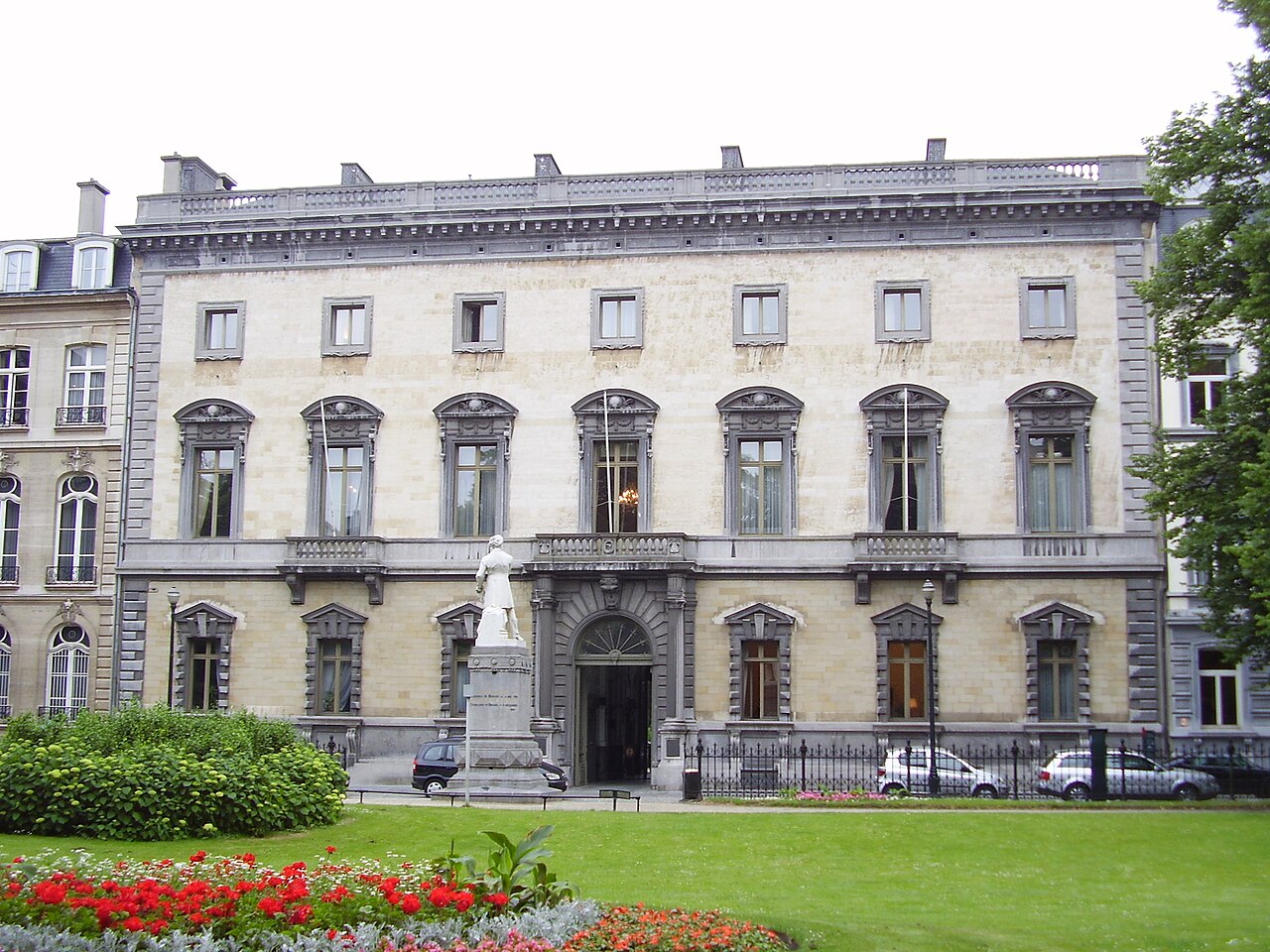
Palais du marquis d'Assche - Paleis van de Markies van Assche
The Palace of the Marquess of Assche is a Brussels aristocratic residence linked with the city’s noble architectural heritage. Its importance lies in the way titled families shaped the Belgian capital’s built environment. The palace is best approached as an urban heritage landmark, not as a standard museum stop. Travelers interested in historic façades, residential architecture, and Brussels’ social history can place it within a wider exploration of the city’s historic core. The Palace of the Marquess of Assche is a historic aristocratic residence in Brussels, Belgium. Known locally as Palais du marquis d'Assche in French and Paleis van de Markies van Assche in Dutch, this building reflects the city's noble architectural heritage. The structure stands as a testament to Brussels' historical association with the Belgian aristocracy. Its designation as a palace indicates significant social standing of its original occupants. The building contributes to the urban fabric of Brussels as a preserved element of the city's patrimonial landscape, representing the residential architecture associated with titled families in the historic core of the Belgian capital.
Checked 2026-08-26 · Source
The palace’s documented value is its connection with aristocratic residence and Brussels’ patrimonial landscape. Travelers should therefore read the site primarily through its exterior architecture and historical setting. Its place among Brussels’ noble buildings helps explain how the city’s historic fabric reflects the lives and status of titled families. As a private aristocratic residence historically, detailed public documentation of its rooms, furnishings, or artistic collections remains limited. The palace may retain period features typical of noble Brussels townhouses, though verification would require authorized access. The building's current use, whether institutional, residential, or otherwise adapted, is not confirmed in accessible documentation. Architectural historians may hold additional records, but these are not cited in the provided source context for general visitor guidance purposes.
Checked 2026-08-26 · Source
Allow a brief stop for the Palace of the Marquess of Assche, then continue through Brussels’ surrounding historic streets. The landmark is suited to façade appreciation and contextual sightseeing rather than a long, programmed museum visit. Travelers who enjoy architectural detail may linger to study proportions, ornament, and the building’s relationship with neighboring properties. A flexible walking itinerary makes it easy to combine the palace with other heritage landmarks.
Checked 2026-08-26 · Source
Visit the palace during daylight as part of a Brussels architecture walk. Natural light gives the façade and surrounding streets their clearest visual definition. Because the palace is presented as a historic residence rather than a scheduled attraction, it fits best between other city sights. Choose a time that matches the rest of your route and leave room for unplanned stops in the historic core.
Checked 2026-08-26 · Source
Include the Palace of the Marquess of Assche as an architectural heritage stop rather than a separately budgeted museum. The guide does not establish a ticketed public exhibition or regular paid visitor route. Your practical costs will come from the broader Brussels day: transport, meals, and any other attractions on your itinerary. The palace adds historical and visual interest to a city walk without needing to dominate the day’s planning.
Checked 2026-08-26 · Source
The palace stands within Brussels’ historic urban core, where metro, tram, bus, and rail services connect major districts. Set the mapped palace location as a walking destination and approach it alongside nearby heritage sights. Brussels’ compact central areas are well suited to linking several landmarks on foot. If you drive, allow for the practical difficulties of central streets, including traffic and limited parking, and keep the final approach respectful of the urban setting.
Checked 2026-08-26 · Source
Treat the Palace of the Marquess of Assche as a residence or institutional heritage building, and remain outside any private boundary. Brussels’ central streets combine pedestrians, bicycles, and vehicles, so pause where you will not obstruct others. Look for signs, gates, and clear property limits before approaching. Weather can change the comfort of an exterior visit, while ordinary city awareness helps protect both visitors and the building’s occupants.
Checked 2026-08-26 · Source
The palace lends itself to exterior photography from a public street or pavement. Take time to capture architectural details without blocking pedestrians or focusing closely on private activity. Daylight is useful for reading the façade and its relationship with neighboring buildings. Keep equipment modest in the dense city environment, and respond respectfully to any sign or request connected with privacy or security. A contextual street photograph often conveys the site best.
Checked 2026-08-26 · Source
It is a Brussels aristocratic residence associated with the city’s noble architectural and patrimonial heritage.
Focus on the building’s exterior architecture and its place within Brussels’ historic urban fabric.
Plan a brief architectural stop and combine it with a longer walk through Brussels’ historic core.
The Palace of the Marquess of Assche is in Brussels, within the capital’s historic urban landscape.
Use Brussels’ public transport network or approach it on foot as part of a central heritage route.
Exterior photography is the practical focus; photograph from a public position without disturbing pedestrians or private activity.
Loading the interactive map…
The interactive map could not be loaded.
Last updated:
Source: OpenStreetMap contributors, Wikidata ·