


22 min walk
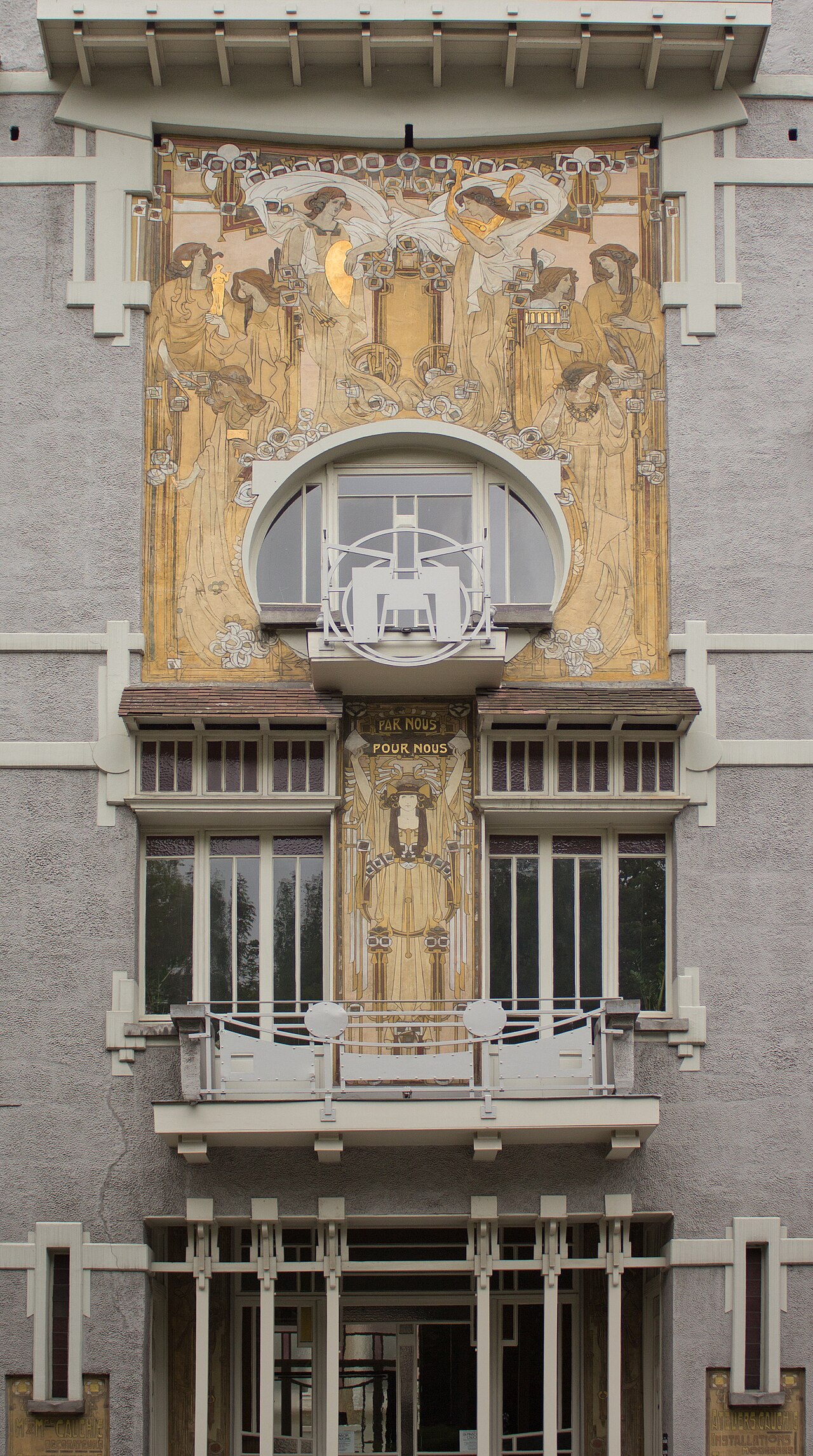
Cauchie House
- Notable · Heritage site
- Museum
Language · 11 published
Museum · Brussels
Humanistisch Sculpturenpark
Reviewed by Elena Voss · Roavina Travel Editor
| Monday | 00:00 – 23:59 |
|---|---|
| Tuesday | 00:00 – 23:59 |
| Wednesday | 00:00 – 23:59 |
| Thursday | 00:00 – 23:59 |
| Friday | 00:00 – 23:59 |
| Saturday | 00:00 – 23:59 |
| Sunday | 00:00 – 23:59 |
Parsed from OpenStreetMap opening hours on 2026-09-09.
This place is a Museum. It opened in 2021. It is run by Vrije Universiteit Brussel.
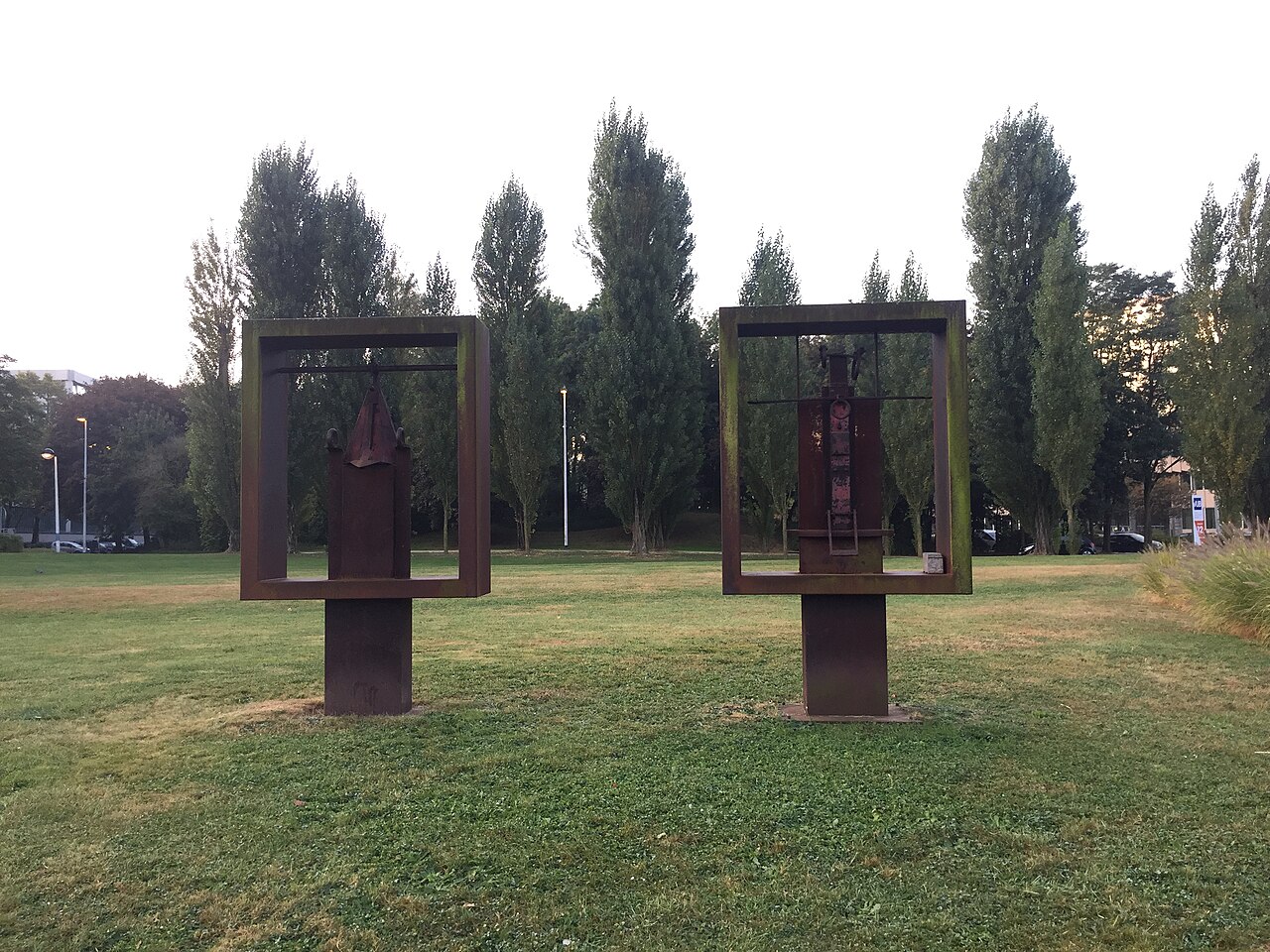
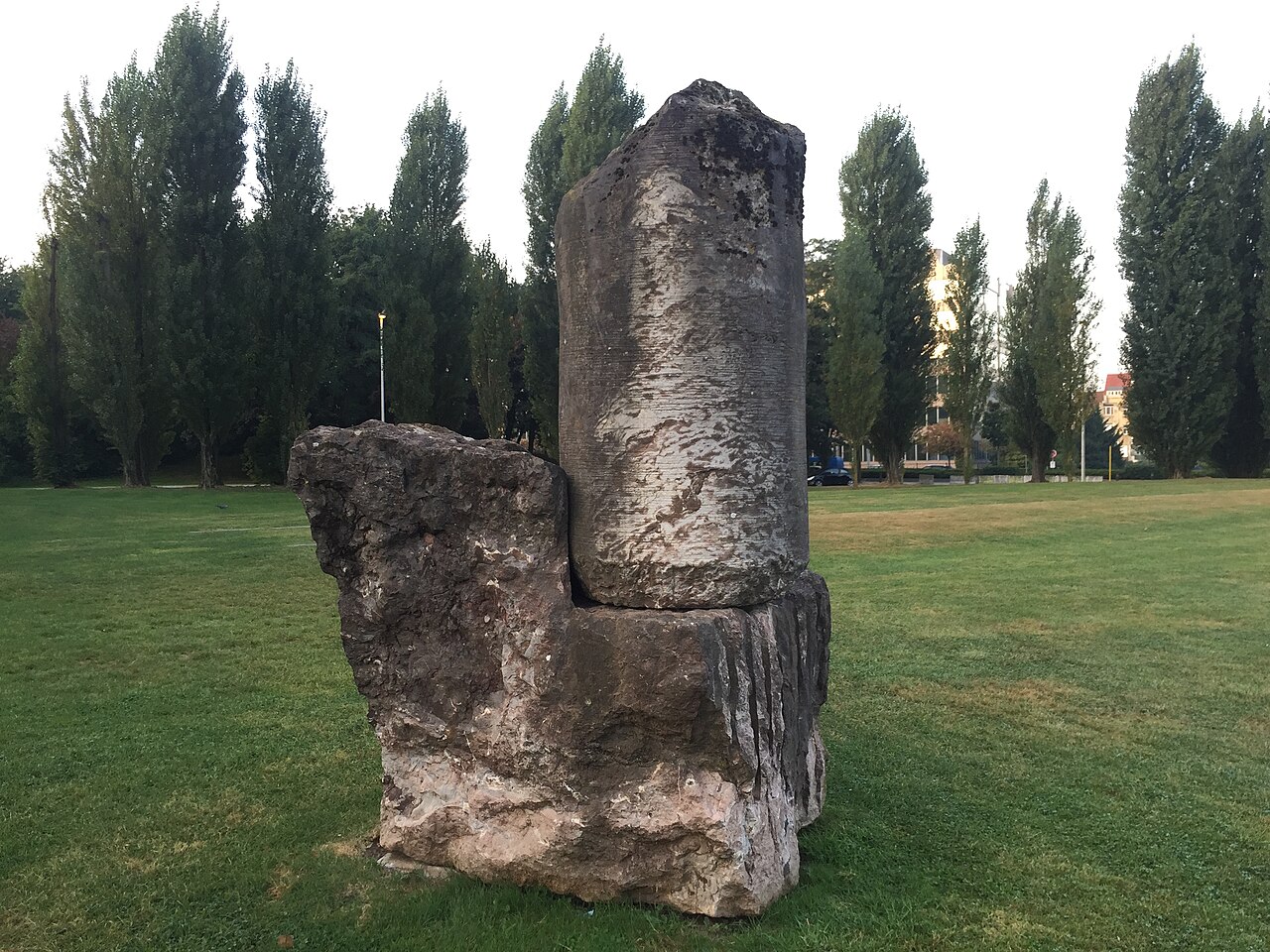
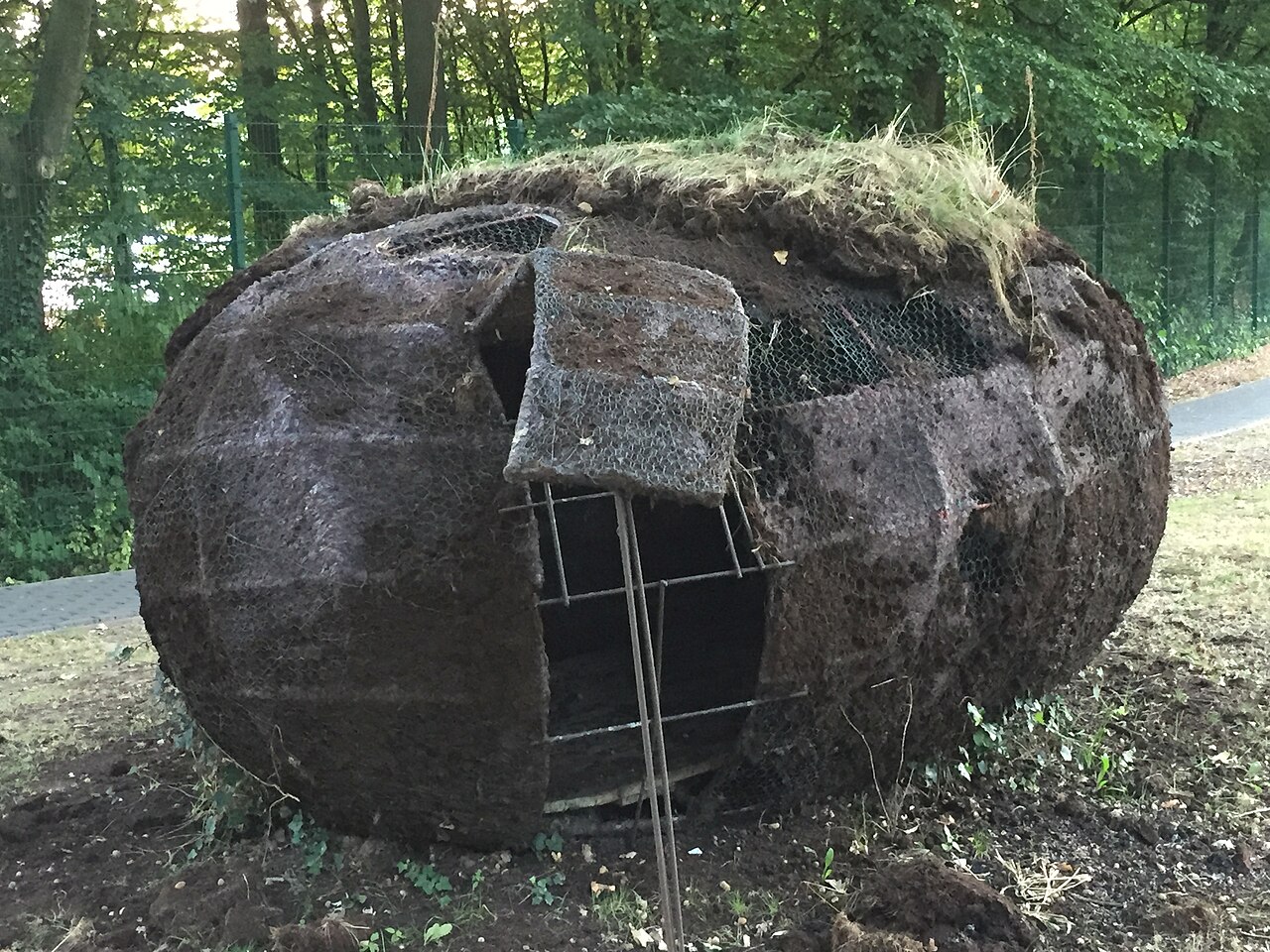
Humanist Sculpture Park, locally called Humanistisch Sculpturenpark, is an open-air cultural space in Brussels where visitors encounter sculpture within a landscaped setting. Its humanist theme gives the park a reflective character, linking three-dimensional art with ideas about people, reason, values, and ethical life. It offers a slower alternative to indoor galleries, with the experience shaped by walking, outdoor surroundings, and personal interpretation. The Humanist Sculpture Park, locally known as Humanistisch Sculpturenpark, is an outdoor cultural installation in Brussels. It presents sculptural works within a landscaped environment, reflecting humanist themes through three-dimensional art. The park serves as a contemplative space where visitors encounter artistic expressions of human values, reason, and ethical philosophy. The site contributes to Brussels' diverse cultural landscape, offering an alternative to conventional museum experiences through its open-air presentation of monumental works. Visitors should verify current admission policies before visiting.
Checked 2026-08-26 · Source
The park is made for encountering sculptures as part of a wider landscape rather than viewing every work in a formal gallery room. Move through the grounds and compare how each piece changes against trees, paths, open space, and the sky. The humanist focus encourages visitors to think about the relationship between artistic form and human experience. Allow your route to include both close inspection and distance views. Visitors can expect to encounter three-dimensional artworks positioned within natural or designed landscape settings. The humanist thematic focus suggests works may explore figuration, abstract representations of human potential, or commemorative pieces honoring intellectual and ethical traditions. Without comprehensive catalog information, the complete scope of represented artists, materials used, or historical periods covered cannot be definitively stated. Visitors should approach with openness to discovery rather than expectation of specific masterworks.
Checked 2026-08-26 · Source
A short walk can introduce the park, while a more thoughtful visit takes longer because outdoor sculpture rewards changing viewpoints. Pause beside works to study scale, surface, silhouette, and the way the surrounding landscape frames them. Visitors who enjoy photography, art, or quiet reflection may naturally stay longer. Keep the schedule flexible enough for an unhurried circuit and occasional stops. A complete visit to the Humanist Sculpture Park typically requires between forty-five minutes and two hours, depending on individual engagement patterns. Casual walkers traversing the main pathways may complete a circuit relatively quickly, while those pausing to examine individual sculptures, read any available interpretive materials, and photograph works will extend their stay considerably.
Checked 2026-08-26 · Source
Choose a dry, comfortable period when walking outdoors will be pleasant and the sculptures can be viewed without rushing through rain. Morning and late afternoon provide changing natural light, which can reveal texture and create stronger contrasts between sculpture and landscape. The park also suits travelers seeking a calm break from busier Brussels attractions. Seasonal changes in vegetation alter the setting around the works.
Checked 2026-08-26 · Source
Plan the park as an outdoor art stop whose main appeal comes from sculpture, landscape, and the freedom to walk between works. Keep the visit adaptable within a wider Brussels route, especially if you are combining it with other open-air sights. The absence of indoor gallery pacing means you can give more time to the pieces that interest you and less to those that do not.
Checked 2026-08-26 · Source
Use the mapped location of Humanist Sculpture Park when planning the final approach. Brussels’ metro, tram, and bus network can connect the surrounding area, with walking required between transport and the park where appropriate. Cycling may suit visitors already exploring the city by bicycle. Because the attraction is experienced outdoors, route planning should include time for crossing urban streets and walking the grounds themselves.
Checked 2026-08-26 · Source
Wear shoes suitable for outdoor paths and dress for changeable Belgian weather. Rain can make walking less comfortable, while open areas may offer little shelter. Give sculptures space, respect barriers, and avoid climbing or touching works unless explicitly allowed. Stay attentive to personal belongings in an urban public setting. A self-contained visit is wise: the artistic experience is outdoors, so comfort depends on what you bring.
Checked 2026-08-26 · Source
The park offers strong subjects for outdoor photography: sculptures against open sky, detailed studies of stone or metal, and wider compositions that include trees and paths. Visit when natural light gives the surfaces definition, and change your position instead of photographing every work from one angle. Keep tripods and other equipment considerate of walkers, protect the artworks, and give other visitors room to enjoy the setting.
Checked 2026-08-26 · Source
It is an outdoor Brussels art space where sculptures are encountered within a landscaped environment and interpreted through a humanist theme.
The works are experienced while walking outdoors, with trees, paths, sky, weather, and changing viewpoints forming part of the visit.
It suits travelers interested in sculpture, landscape, photography, reflective walks, and art connected with human values and ideas.
Wear comfortable footwear for outdoor walking and clothing suited to changeable weather, especially rain and cooler conditions.
Morning and late afternoon light can emphasize sculpture texture, scale, silhouettes, and the relationship between the works and their landscape.
Give the works space, respect barriers and paths, avoid touching or climbing, and keep photography considerate of other visitors.
Loading the interactive map…
The interactive map could not be loaded.
Last updated:
Source: OpenStreetMap contributors, Wikidata ·