_02.jpg)
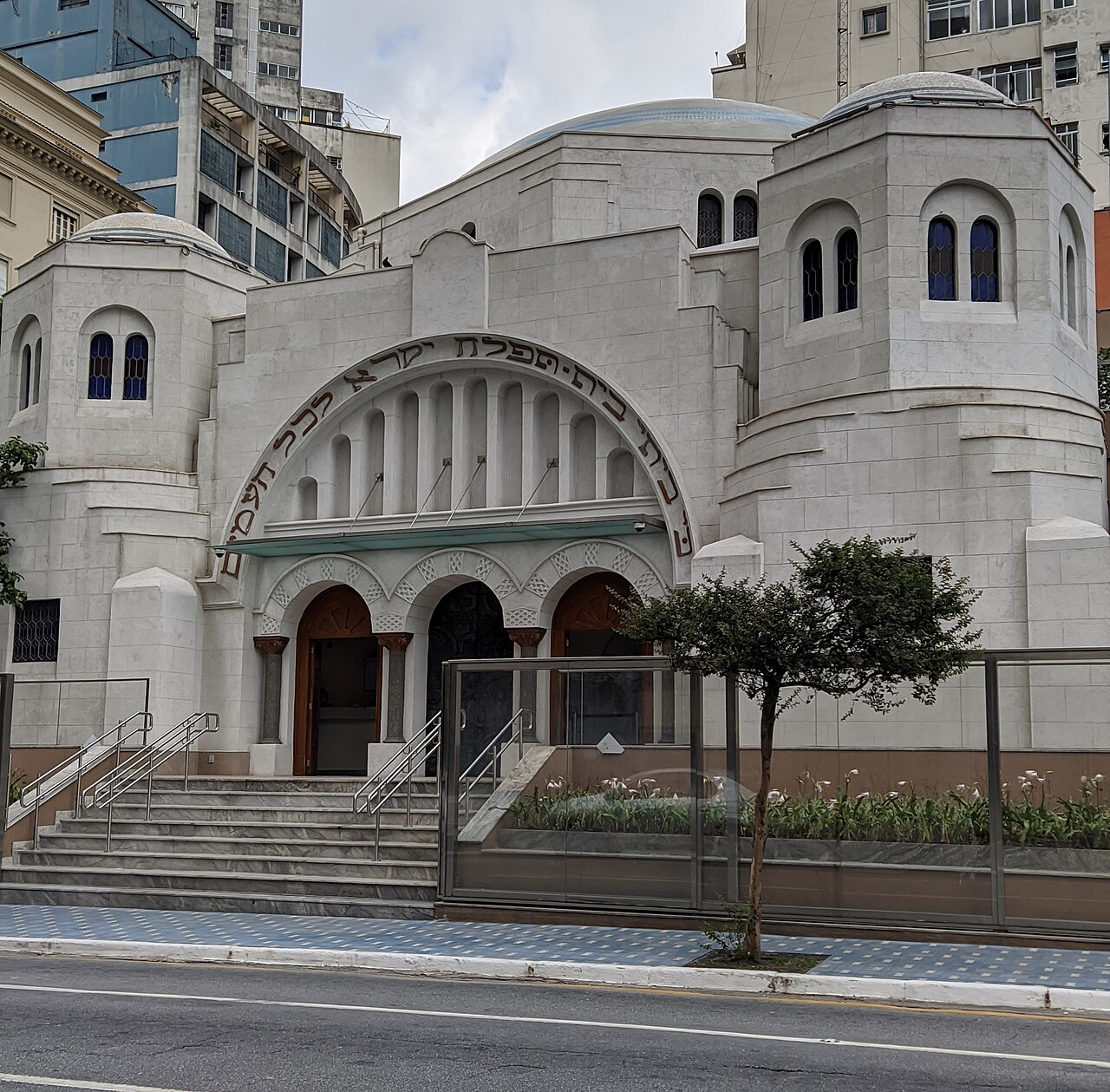
5 min walk
Jewish Museum of São Paulo
- Must see
- Museum
Language · 11 published
Nature site · São Paulo
Parque Augusta
Reviewed by Elena Voss · Roavina Travel Editor
| Monday | 05:00 – 21:00 |
|---|---|
| Tuesday | 05:00 – 21:00 |
| Wednesday | 05:00 – 21:00 |
| Thursday | 05:00 – 21:00 |
| Friday | 05:00 – 21:00 |
| Saturday | 05:00 – 21:00 |
| Sunday | 05:00 – 21:00 |
Parsed from OpenStreetMap opening hours on 2026-09-09.
This place is a Park.
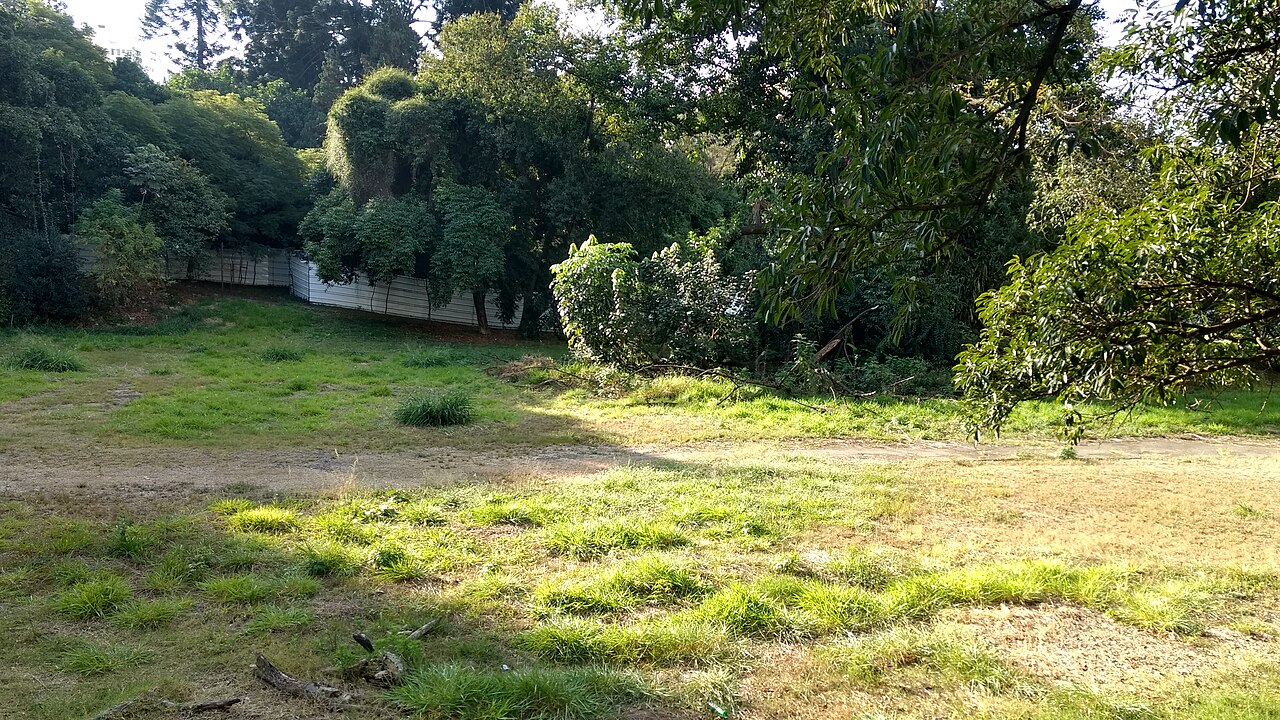
Augusta Park, officially Parque Augusta - Prefeito Bruno Covas, is a central public park near Rua Augusta in São Paulo. Mature trees and historic structures give it a distinctive identity within the dense Jardins and Consolação area. The park offers a green pause amid restaurants, nightlife, traffic, and busy urban streets. It suits travelers who want to combine a short nature break with exploration of one of central São Paulo’s most active neighborhoods. Parque Augusta - Prefeito Bruno Covas is a central public park in São Paulo, located near the well-known Rua Augusta. The park preserves mature trees and historic structures within an urban setting. Its full name honours Prefeito Bruno Covas, a former mayor of the city. The green space offers a contrast to the surrounding dense development of the Jardins and Consolação areas. It serves as a recreational area for residents and visitors seeking natural surroundings in one of South America's largest metropolitan centres. The park represents municipal efforts to maintain green infrastructure amid urban expansion. Visitors should verify current arrangements through official municipal channels.
Checked 2026-08-26 · Source
Mature trees form the park’s strongest visual feature, creating shade and a sense of age within the surrounding city. Historic structures remain among the greenery, adding architectural interest to a simple walk through the grounds. Pathways and open areas support strolling and relaxation, while the nearby Rua Augusta neighborhood supplies a lively urban backdrop. The park is not about a long list of indoor exhibits; its appeal comes from preserved trees, heritage elements, and central location. The park contains mature trees that have been preserved as part of its landscape character.
Checked 2026-08-26 · Source
A short visit of thirty minutes to an hour works well for walking beneath the trees and seeing the historic structures. Travelers exploring Jardins or Consolação can add Augusta Park between other neighborhood stops without reshaping the entire day. Stay longer if you want a slower green break, conversation, or photographs of the contrast between heritage details and central-city activity. Its compact urban role makes it more naturally a flexible pause than a full-day attraction.
Checked 2026-08-26 · Source
Daytime is the clearest time to appreciate the mature canopy and historic structures. Morning can bring softer light and a calmer atmosphere, while the surrounding Rua Augusta area becomes increasingly active later in the day. Rain may affect outdoor comfort during São Paulo’s wetter periods. The central location also means city sounds remain part of the experience. If you visit after dark, stay attentive to changing foot traffic and keep the stop brief and purposeful.
Checked 2026-08-26 · Source
Augusta Park is free to enter as a municipal public park. No entrance purchase is needed for an ordinary walk through the grounds, making it an easy addition to a central São Paulo itinerary. The value is in the trees, open space, and historic setting rather than a separately ticketed attraction. A free visit also makes the park useful between meals, shopping, nightlife, or other paid experiences around Rua Augusta and Consolação.
Checked 2026-08-26 · Source
The park’s position near Rua Augusta places it in a well-connected central zone. Buses serve the surrounding Jardins and Consolação neighborhoods, and Paulista and Consolação metro stations provide access with a walk to the park. Taxis and ride-hailing services are widely practical in this part of the city. Driving can be inconvenient because central streets are busy and parking is limited. Combine the park with nearby destinations rather than making it an isolated journey.
Checked 2026-08-26 · Source
Keep phones, wallets, and bags secure in this central public space, particularly when surrounding streets are crowded or nightlife activity is beginning. Stay on paths and treat the historic structures as protected heritage features rather than places to climb. Mature trees can make the grounds cooler and shadier, but storms call for ordinary caution outdoors. Emergency numbers in Brazil include 190 for military police and 192 for ambulance. Respect the park’s shared use by residents and visitors.
Checked 2026-08-26 · Source
Augusta Park offers strong urban-contrast images: mature trees and historic structures framed by the dense streets around Rua Augusta. Morning light filtering through the canopy can reveal texture in trunks, leaves, and old walls, while wider views show the park’s role as a green interruption in central São Paulo. Photograph people respectfully and keep equipment unobtrusive. The best compositions emphasize coexistence between preserved landscape, heritage details, and the energetic city beyond the park boundary.
Checked 2026-08-26 · Source
Yes. The municipal park is free to enter, so travelers can add a walk through its grounds without an entrance purchase.
Mature trees and historic structures create a green heritage setting near the lively Rua Augusta area.
Thirty minutes to an hour is enough for a walk and a look at the trees and historic structures; a longer pause also works.
Yes. Paulista and Consolação stations provide access to the nearby central area, followed by a walk toward the park.
The park is near Rua Augusta and the Jardins and Consolação neighborhoods, making it easy to pair with urban walking, dining, and nightlife.
Yes. The mature canopy and historic structures contrast with the dense central city, creating varied subjects for respectful daytime photography.
Loading the interactive map…
The interactive map could not be loaded.


Last updated:
Source: OpenStreetMap contributors, Wikidata ·