
4 min walk
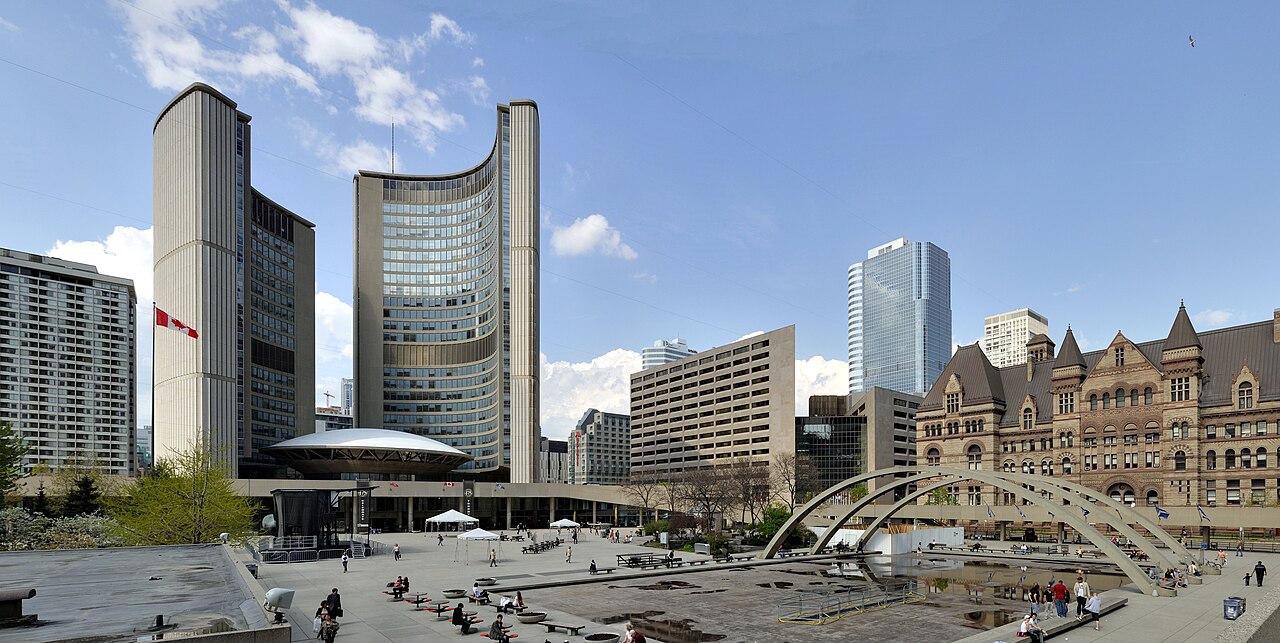
Nathan Phillips Square
- Must see
- Historic monument
Museum · Toronto
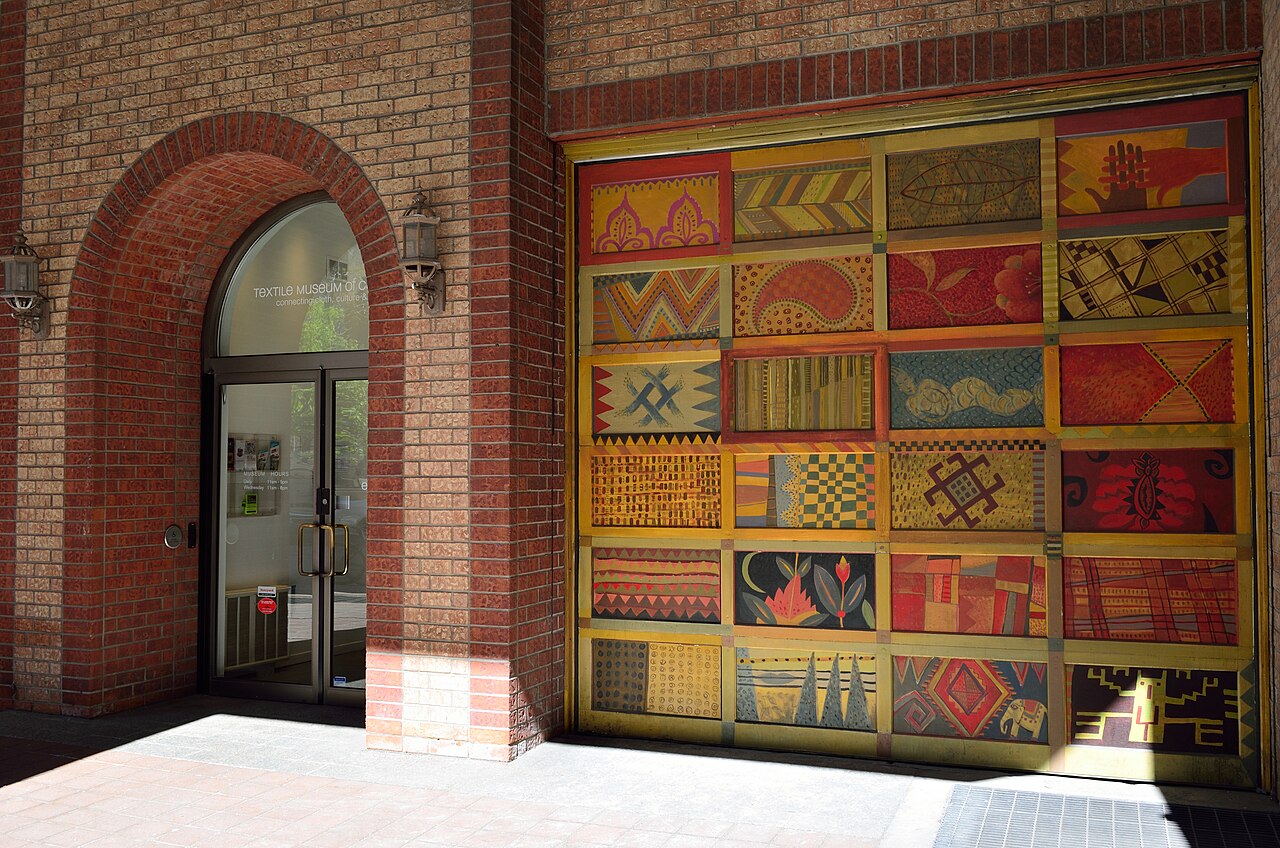
Textile Museum Of Canada
The Textile Museum of Canada is a specialist museum in downtown Toronto devoted to textile arts and material culture from around the world. Its collection spans centuries and continents, showing how fabrics, garments and fibre techniques carry artistic, social and cultural meaning. The museum suits visitors who enjoy close looking: a small woven detail, a dye pattern or the construction of a garment can be as important as the overall design. It adds a focused craft and design perspective to Toronto’s broader museum scene. Choose it when you want a museum visit organised around materials, making and cultural exchange rather than a broad survey of unrelated subjects.
Checked 2026-08-26 · Source
Expect textiles, garments and related material-culture objects from many regions and historical periods. Displays can bring together weaving, embroidery, dyeing and other techniques, with exhibitions moving between historical pieces and contemporary fibre art. The museum uses fabric to explore identity, artistic expression, technical skill and social history, so the experience is broader than a display of beautiful objects alone. Supporting research and conservation work form part of the institution’s specialist role, while educational activity and workshops may extend the gallery experience. Look closely at construction, surface and pattern: the technique behind an object often reveals as much about its culture as its finished appearance.
Checked 2026-08-26 · Source
Set aside about one to two hours for the Textile Museum of Canada. The museum’s specialist focus rewards careful attention to pattern, material, technique and cultural context rather than a quick walk through large halls. Visitors with an interest in conservation, fibre art or a particular textile tradition may want longer for close examination. Its focused scale also makes it practical to combine with other downtown Toronto cultural stops while keeping enough time for the exhibitions to feel unhurried. A shorter visit can provide a clear introduction to the displays, but the fine detail of weaving, stitching and dyeing becomes more rewarding when you allow yourself to pause.
Checked 2026-08-26 · Source
Choose the Textile Museum of Canada when you want an indoor cultural stop in downtown Toronto, particularly during cold winter weather or a rainy day. The museum’s appeal changes with its exhibitions, so a return visit can offer a different emphasis even though the subject remains textiles and fibre art. It fits naturally into a day spent exploring the central cultural district. Build in time for quiet looking: intricate surfaces, stitching and woven structures often reveal themselves gradually rather than from a single glance. The specialist subject also makes the museum a useful change of pace after larger institutions, where the number of galleries can make close attention difficult.
Checked 2026-08-26 · Source
The Textile Museum of Canada is a paid cultural attraction in downtown Toronto, but this guide does not include a current admission amount. Treat exhibition entry as separate from any other museum or attraction tickets in your itinerary. The focused subject makes the museum a worthwhile choice when you want depth rather than a city-wide collection sweep. If you are visiting with a group or planning around a special exhibition, allow the ticket decision to remain distinct from transport and other downtown activities. The visit is centred on the exhibitions themselves, so budget time as carefully as money: a rushed pass through the galleries will miss the material detail that gives the museum its character.
Checked 2026-08-26 · Source
The museum’s downtown Toronto position makes public transport and walking the practical ways to arrive. TTC subway, streetcar and bus services connect the central area, and the surrounding streets can be covered on foot as part of a wider cultural-district route. Central Toronto also has bicycle infrastructure for visitors choosing active travel. If you bring a car, plan for urban parking and its cost. The museum’s location near other cultural institutions allows you to link it with additional galleries or museums without crossing the whole city between stops. Walking is especially useful for understanding the museum as part of downtown’s wider concentration of arts, design and public institutions.
Checked 2026-08-26 · Source
Textile galleries often use controlled lighting to protect delicate fibres and dyes, so some rooms may feel dimmer than a general art museum. Give yourself time for close viewing and be considerate in compact gallery spaces during busy exhibitions or programmes. The museum’s climate-controlled environment supports collection care. Check the gallery layout as you move through the visit, keep personal belongings secure in the downtown setting and follow any signs protecting the textiles. The exhibitions, rather than the building alone, are the main reason to linger. Delicate surfaces can be hard to read from a distance, so move thoughtfully and allow your eyes time to adjust when entering a darker display area.
Checked 2026-08-26 · Source
Textiles photograph best through detail: repeat patterns, embroidery, layered construction, woven texture and the relationship between colour and material. The museum’s controlled lighting may produce a quieter, lower-contrast image, so look closely before choosing a composition. Treat every object as a conservation-sensitive work and follow the gallery’s photography rules. Avoid flash unless expressly permitted, keep equipment out of circulation paths and let other visitors enjoy the displays without obstruction. A sequence of close images can communicate the craftsmanship more clearly than one distant view, especially when the object’s cultural meaning is carried by its construction and surface.
Checked 2026-08-26 · Source
It is a specialist downtown Toronto museum focused on textile arts, garments, fibre art and material culture from around the world.
Plan about one to two hours, or longer if you want to study textile techniques, conservation details or specific cultural traditions closely.
The displays include textiles, garments and material-culture objects showing weaving, embroidery, dyeing and other fibre techniques.
The Textile Museum concentrates on textile and fibre arts, while the Royal Ontario Museum presents much broader natural-history and world-culture collections.
It offers a focused way to explore craftsmanship, cultural identity, artistic expression and social history through fabrics, garments and fibre art.
Yes. Its exhibitions can include contemporary fibre-art installations alongside historical textiles and garments from different regions and periods.
Loading the interactive map…
The interactive map could not be loaded.
Last updated:
Source: OpenStreetMap contributors, Wikidata ·