Roavina

Country guide

Canada

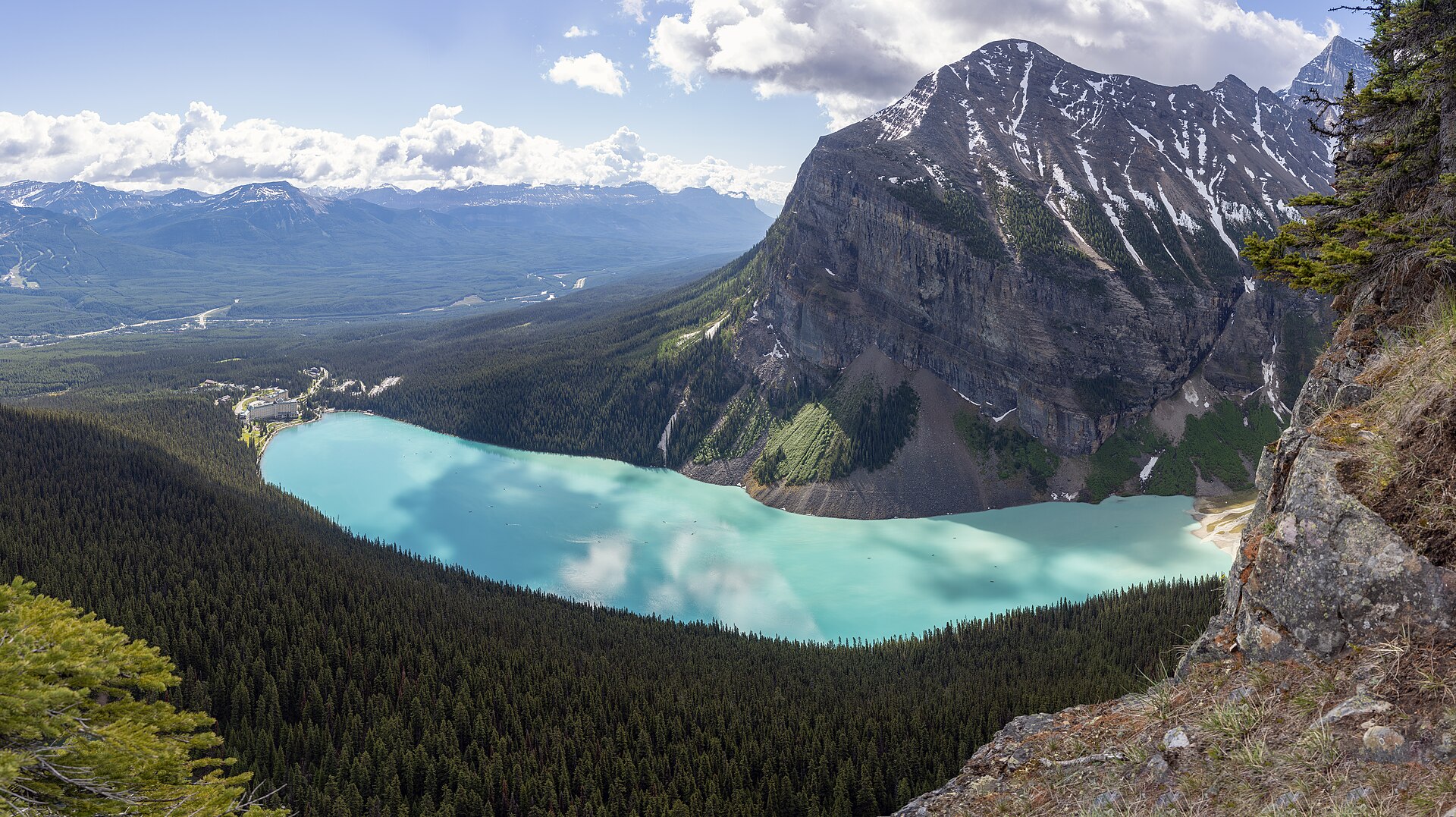
A photograph of Canada
Photograph · Chensiyuan · CC BY-SA 4.0

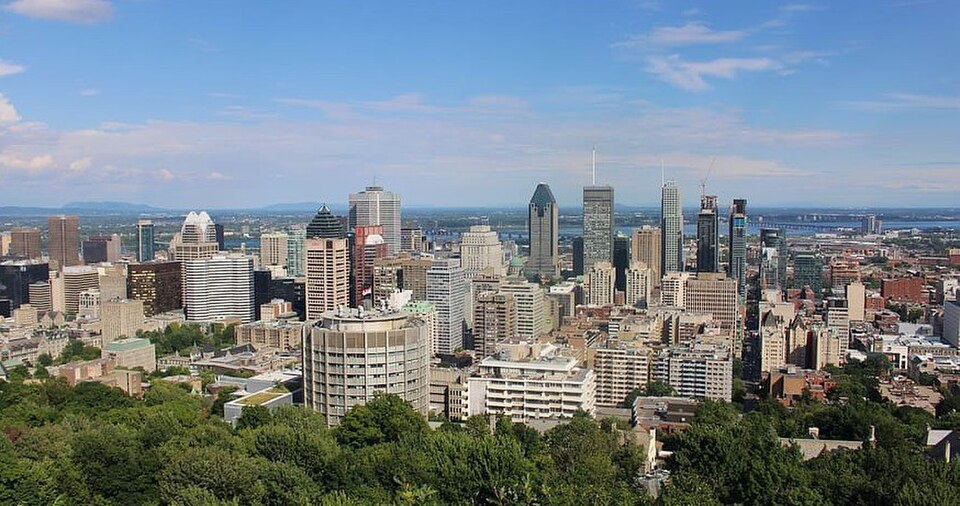
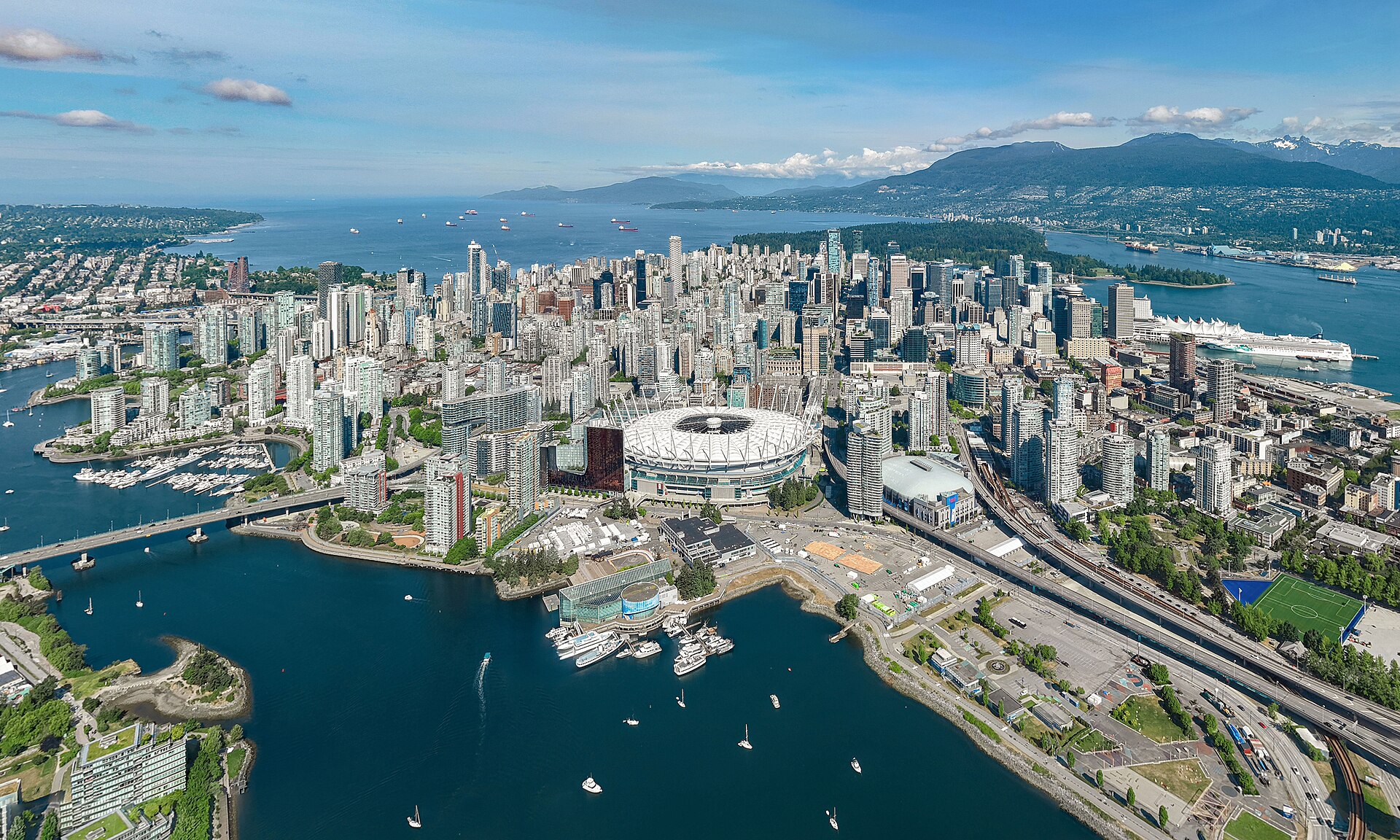
Canada is the second-largest country in the world by area and has the longest coastline of any, running from the Atlantic to the Pacific and north into the Arctic across ten provinces and three territories. Just over 41 million people live in it, and not evenly: the great majority are in urban areas while very large stretches hold almost nobody. Ottawa is the capital, and Toronto, Montreal and Vancouver are the three largest metropolitan areas and the three realistic starting points. The federal government is officially bilingual in English and French, and which of the two a street is lived in changes as you cross the country.

Reviewed by Elena Voss · Roavina Travel Editor

Cities

Every city catalogued in this country so far, ranked by how much there is to see.

Practical information

Language spoken
English and French
National practical orientation; regional and minority languages may also be used
Dialling code
+1
International calling code; local area and mobile prefixes still apply
Currency
Canadian dollar (CAD)
Use the official local currency; card acceptance varies by place
Emergency number
911
Use only for an emergency; tourist assistance may use a separate number
Plug type
Type A and B · 120 V
Check that chargers support the recorded voltage before using an adapter
Tap water
Not recorded
Water systems and advisories are managed by multiple jurisdictions

Planning a visit

  1. January: seasonal closure recorded
  2. February: seasonal closure recorded
  3. March: seasonal closure recorded
  4. April: seasonal closure recorded
  5. May: seasonal closure recorded
  6. June: seasonal closure recorded
  7. July: seasonal closure recorded
  8. August: seasonal closure recorded
  9. September: seasonal closure recorded — this month
  10. October: seasonal closure recorded
  11. November: seasonal closure recorded
  12. December: seasonal closure recorded

Top things to see

Ranked by importance — sitelinks, pageviews and heritage status, not editor preference.

  1. Old Quebec Old Quebec
    02 2 hours

    Old Quebec

    Vieux-Québec

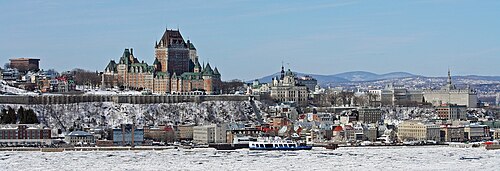
    Old Quebec, known locally as Vieux-Québec, is the fortified historic core of Quebec City.

    • Must see
    • Historic monument
    • Quebec City
  2. Château Frontenac Château Frontenac
    03 2 hours

    Château Frontenac

    château Frontenac

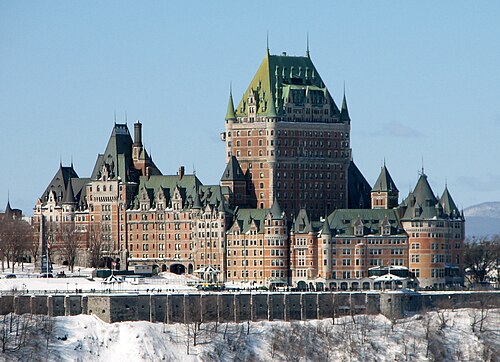
    Château Frontenac is a landmark hotel in Quebec City’s Upper Town, beside Dufferin Terrace and above the St. Lawrence River. Its steep roofs, turrets, and ornate gables give the building a château-like silhouette that dominates the Old Quebec skyline.

    • Must see
    • Historic monument
    • Quebec City
  3. Petit Champlain Petit Champlain
    04 2 hours

    Petit Champlain

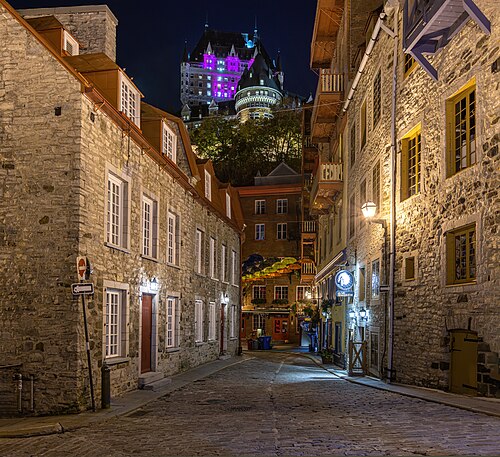
    Petit Champlain is a historic quarter in Québec City's Lower Town, situated at the foot of Cap Diamant beneath the Château Frontenac escarpment. The area comprises narrow cobblestone streets and heritage buildings dating to the seventeenth and eighteenth centuries.

    • Must see
    • Historic monument
    • Quebec City
  4. Gastown Gastown
    05 2 hours

    Gastown

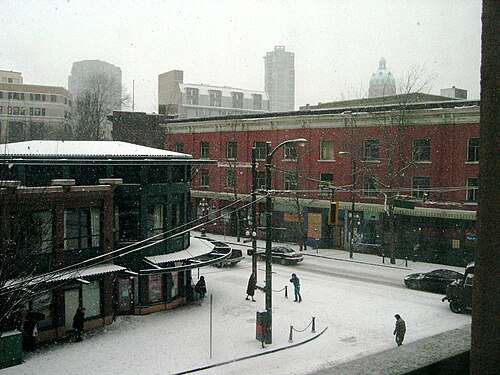
    Gastown is Vancouver's oldest neighbourhood, established in 1867 and designated a National Historic Site of Canada. The district centres on Water Street and retains Victorian-era architecture alongside commercial development.

    • Must see
    • Historic monument
    • Vancouver
  5. Fortifications of Quebec Fortifications of Quebec
    06 2 hours

    Fortifications of Quebec

    fortifications de Québec

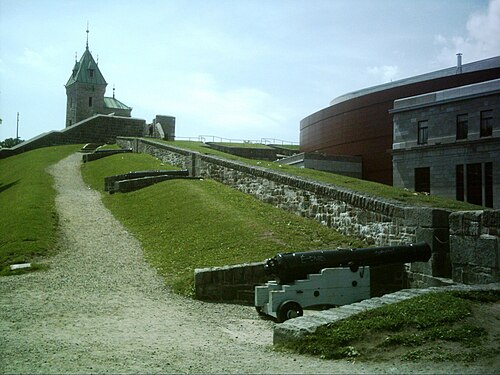
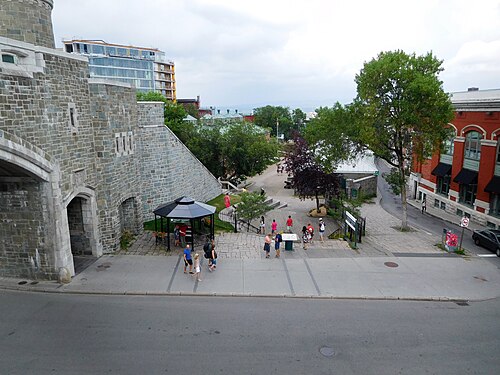
    The Fortifications of Quebec are the defensive walls, gates, and ramparts that encircle Old Quebec, forming the only remaining fortified city walls in North America north of Mexico.

    • Must see
    • Historic monument
    • Quebec City
  6. Place Royale Place Royale
    07 2 hours

    Place Royale

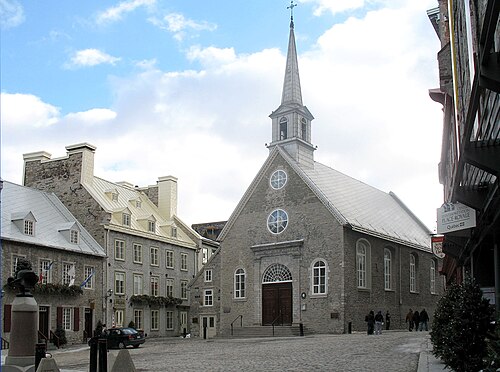
    Place Royale is a historic public square in Quebec City's Lower Town, widely recognized as the restored birthplace precinct of French North America.

    • Must see
    • Historic monument
    • Quebec City
  7. Morrin Centre Morrin Centre
    08 2 hours

    Morrin Centre

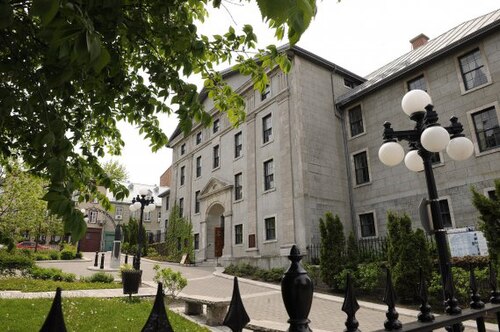
    The Morrin Centre is a cultural institution occupying a landmark building in Quebec City's Old Town. The structure served as a prison from 1812 to 1868 before conversion to an educational facility.

    • Must see
    • Historic monument
    • Quebec City
  8. Artillery Park National Historic Site Artillery Park National Historic Site
    09 1 hr 30 min

    Artillery Park National Historic Site

    Artillery Park is a staffed national historic site within the Fortifications of Quebec National Historic Site. It preserves military heritage buildings and grounds that served defensive functions from the 18th to 19th centuries.

    • Must see
    • Historic monument
    • Quebec City

Source: OpenStreetMap contributors, Wikidata ·

Common questions

How long should a first trip to Canada be?

Ten to sixteen days is realistic for one Canadian region, not for crossing the country. An eastern cities route, a Rockies journey and a Pacific itinerary each work better as their own trip.

What entry documents are needed for Canada?

Immigration, Refugees and Citizenship Canada lists visitor visa and electronic travel authorisation rules. The required document depends on passport, travel method and status, so complete the official eligibility check for the actual journey.

What is the best way to travel around Canada?

Toronto, Vancouver and Montréal are the principal air gateways. VIA Rail is most useful in the Québec City–Windsor corridor and on selected long-distance services; outside major centres, a car or domestic flight may be necessary.

When is a practical time to visit Canada?

May to September suits many city and national-park itineraries, but northern access and mountain conditions have shorter operating seasons. Winter is a separate travel plan with different road, daylight and activity constraints.

What money and payment basics apply in Canada?

Prices are in Canadian dollars (CAD). Payment fees and acceptance are Not recorded at national level here, so verify rental deposits, remote-area fuel payment and card conversion terms directly with each provider.

What practical safety details should I save for Canada?

Call 911 for an emergency in Canada. Electrical supply is 120 V through Type A and B sockets; the source set does not record one nationwide tap-water statement, so local guidance applies.