.jpg)


4 min walk
Patio Bellavista
- Must see
- Historic monument
Language · 11 published
Nature site · Santiago
Reviewed by Elena Voss · Roavina Travel Editor
| Monday | 00:00 – 23:59 |
|---|---|
| Tuesday | 00:00 – 23:59 |
| Wednesday | 00:00 – 23:59 |
| Thursday | 00:00 – 23:59 |
| Friday | 00:00 – 23:59 |
| Saturday | 00:00 – 23:59 |
| Sunday | 00:00 – 23:59 |
Parsed from OpenStreetMap opening hours on 2026-09-09.
This place is a Park. It was established in 1875.
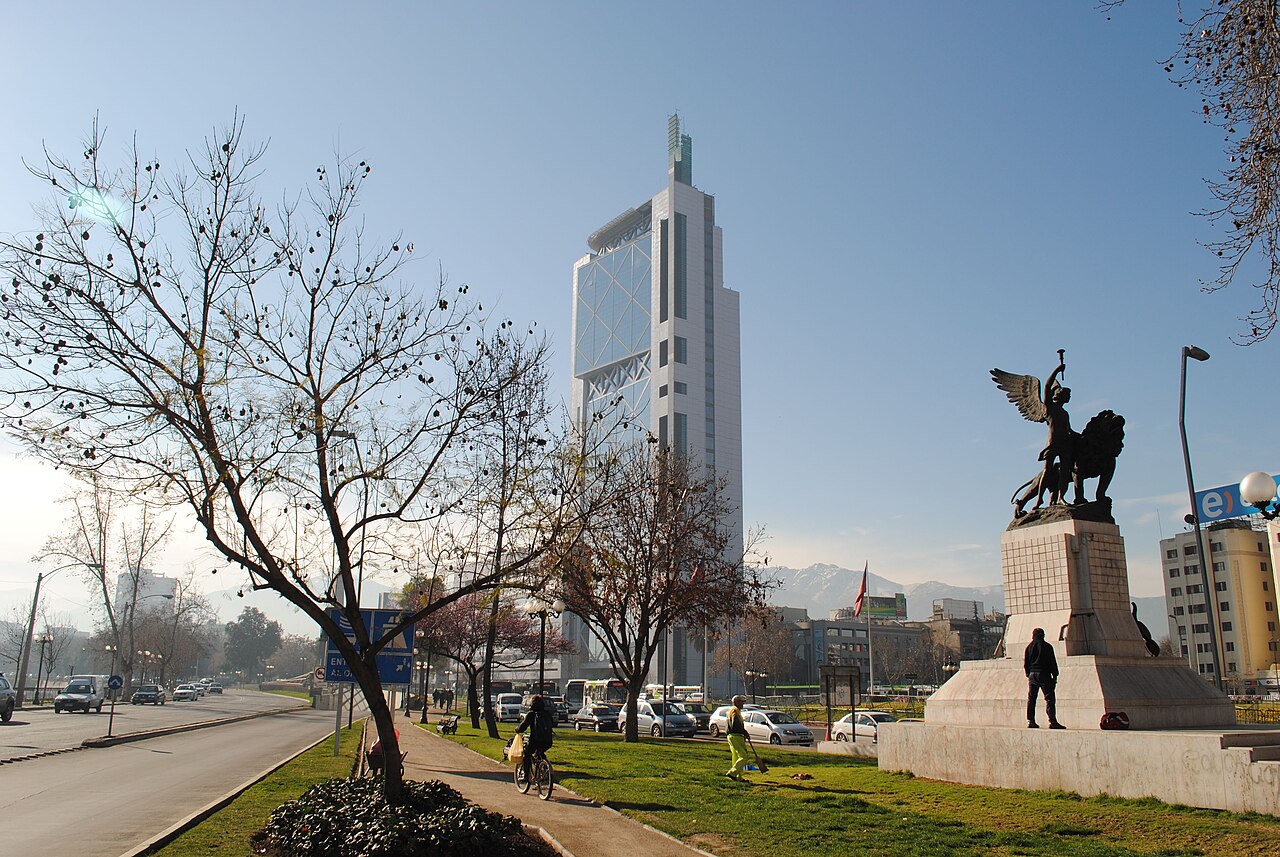
Baquedano Square, also known locally as Plaza Baquedano, is a major public square in Santiago, Chile. It stands at an important urban junction between the city centre, Providencia, Bellavista, and Parque Bustamante. The square is dominated by the equestrian monument to General Manuel Baquedano, a prominent military figure in Chilean history. For a traveller, the place is best understood as both a landmark and a meeting point: it helps explain how several well-known parts of Santiago connect. Its importance is not limited to architecture or traffic. The square also became a central gathering place during recent civic protests, giving it a visible place in Chile’s contemporary political and social memory. A visit therefore combines a monument, a busy crossroads, and a location strongly associated with public life in the capital.
Checked 2026-08-26 · Source
The main feature inside Baquedano Square is the equestrian statue of General Manuel Baquedano. The monument occupies the visual centre of the plaza and gives the open space its clearest point of reference. Around it, the square is shaped by the meeting of several important avenues and by the constant movement of pedestrians and vehicles. The experience is urban rather than museum-like: there is no contained sequence of rooms, displays, or timed attractions. Visitors come to see the monument, understand the relationship between nearby districts, and observe Santiago’s public life in motion. The square’s broad setting also makes it useful for orientation. From here, a traveller can place the centre, Providencia, Bellavista, and Parque Bustamante within one connected urban landscape. The monument and the surrounding avenues are the essential features to take in.
Checked 2026-08-26 · Source
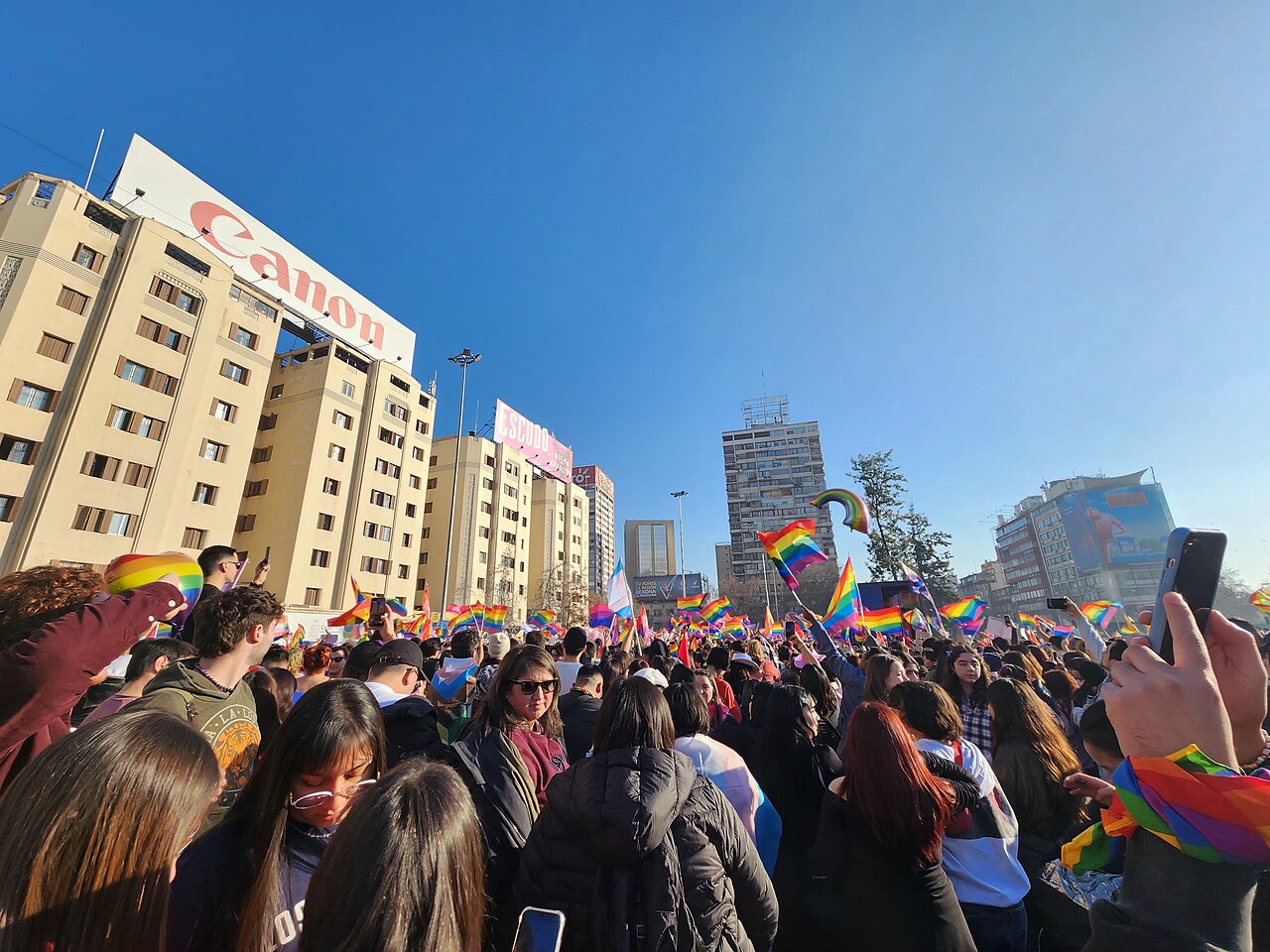
Plan a short stop rather than a full half-day attraction. Passing through the square may take only a few minutes, while a traveller who wants to study the monument, watch the surrounding movement, and reflect on the square’s civic significance can spend around thirty minutes to one hour. The useful length depends on how the stop fits into a wider walk. Baquedano Square works particularly well as a waypoint between central Santiago, Bellavista, Providencia, and Parque Bustamante. Allow extra time if you want to pause for photographs or observe the changing atmosphere around the junction. The square itself does not require a fixed route, guided sequence, or extended indoor visit. Its value comes from the combination of location, monument, traffic, and public activity. Treat it as a meaningful urban pause within a neighbourhood-to-neighbourhood itinerary.
Checked 2026-08-26 · Source
Baquedano Square is open urban space rather than a gated attraction, so travellers can include it during a daytime or evening walk. The atmosphere changes with traffic, pedestrian movement, and civic activity. Weekday commuting periods bring the character of a major urban junction, while a quieter visit may make it easier to focus on the monument and the relationship between the surrounding districts. Evening light can give the monument a different presence, but the busy setting still calls for attention to the people and vehicles around you. The square’s recent role in civic protests means that public gatherings can affect the atmosphere and movement through the area. Keep the visit flexible when the city is hosting demonstrations or other large gatherings. The best moment is the one that fits safely into your route through Santiago’s central neighbourhoods.
Checked 2026-08-26 · Source
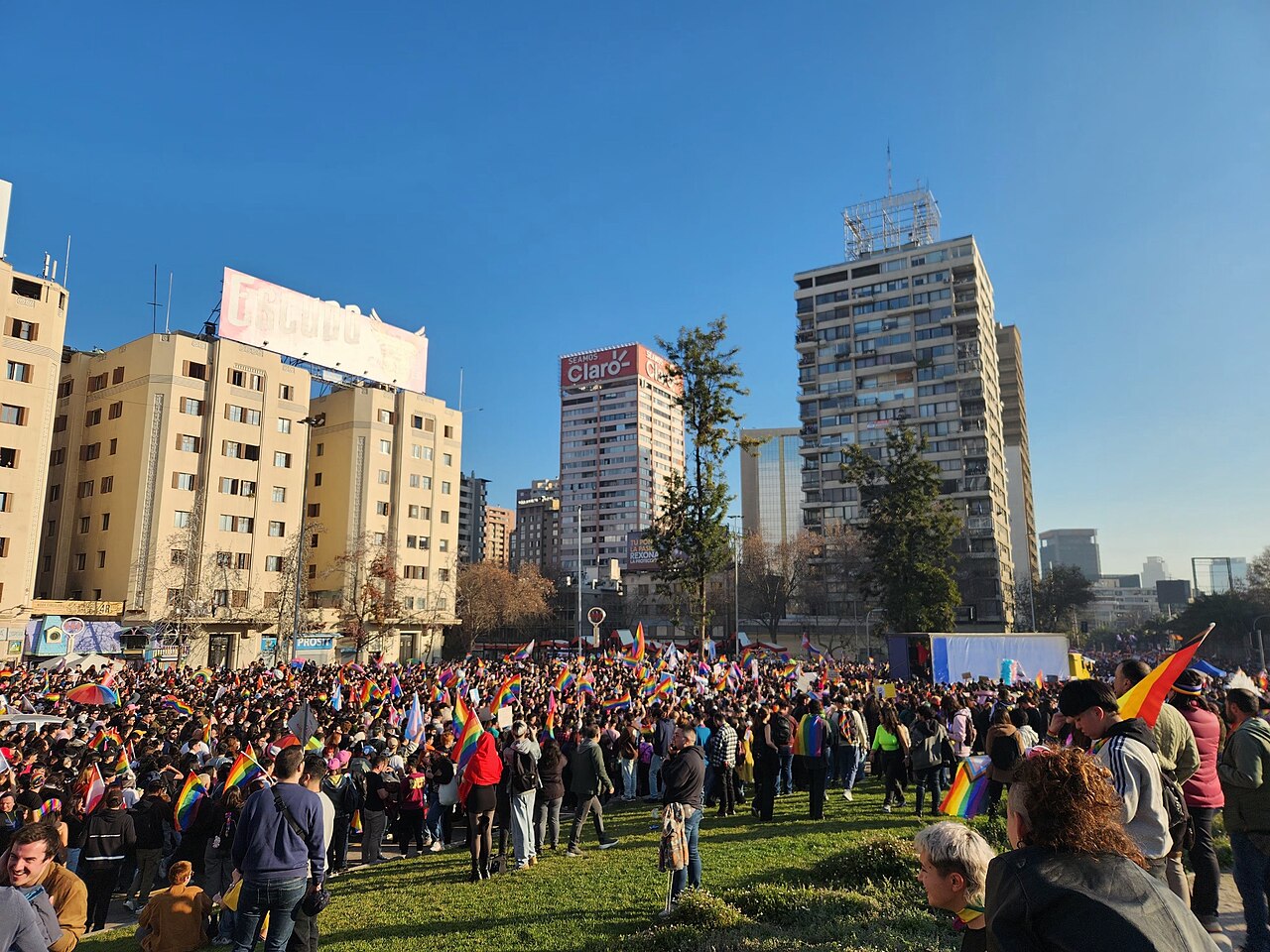
There is no admission charge for entering or crossing Baquedano Square as ordinary public space. A traveller can stop beside the monument, use the plaza as a meeting point, or pass through it while walking between nearby districts without buying an entry ticket. The square is not presented as a ticketed museum or enclosed attraction. Any paid activity connected with a guided walk, commercial service, or special event would be separate from normal access to the plaza itself. For an ordinary visit, the practical plan is simple: include the square as a free stop in a Santiago walking itinerary. Its importance comes from its public setting, central position, monument, and civic associations rather than from a paid programme or a timed admission system.
Checked 2026-08-26 · Source
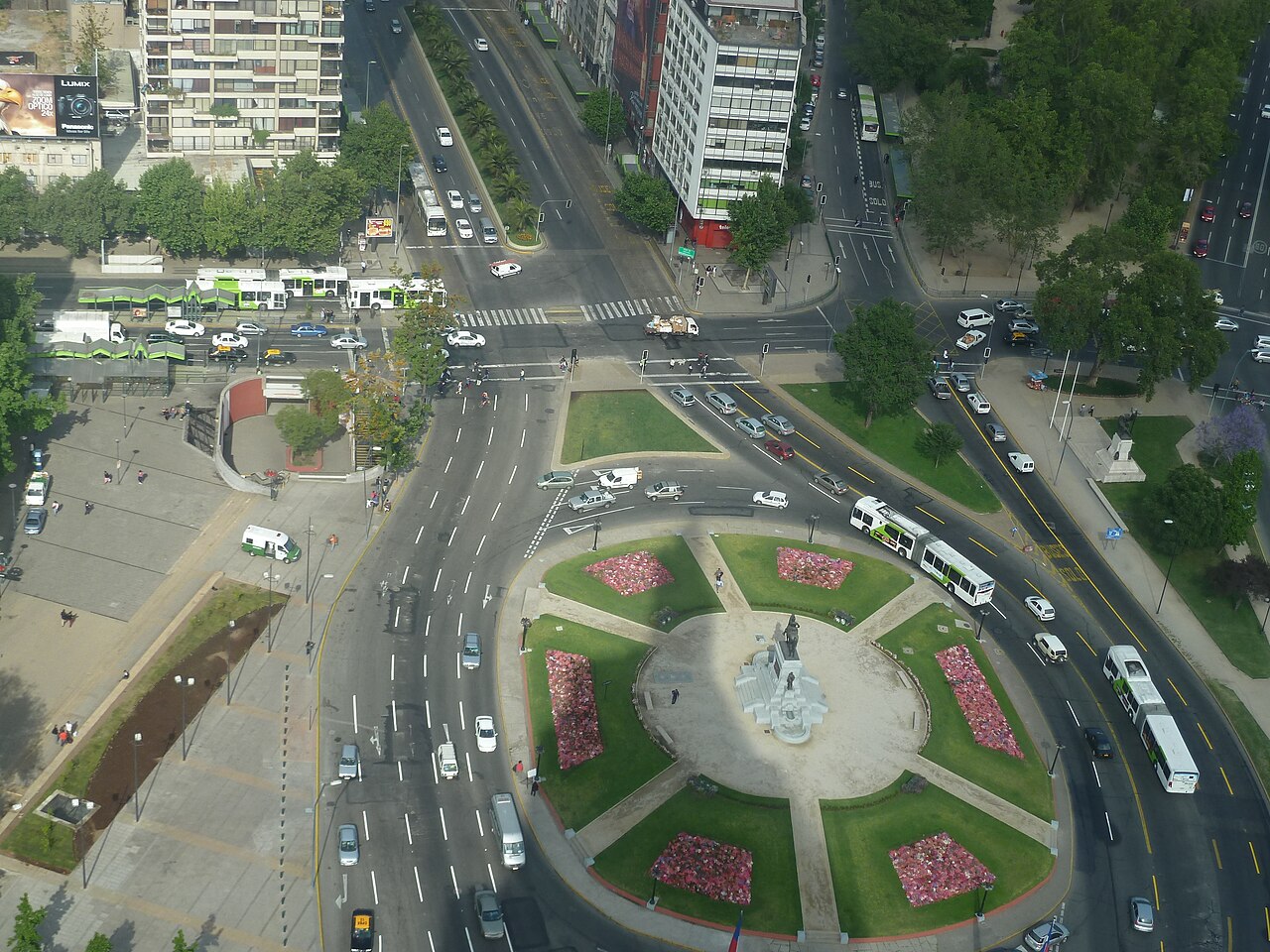
Use Baquedano Square as a navigation point between central Santiago, Providencia, Bellavista, and Parque Bustamante. Its position at the meeting of important avenues makes it a recognisable reference when planning a walk across these parts of the city. The surrounding streets carry substantial pedestrian and vehicle movement, so approach the plaza as a busy junction rather than as a secluded garden. Walking is especially practical when the square forms part of a route connecting the nearby districts. Surface transport also passes through the surrounding avenues, reflecting the square’s role as an urban interchange. When arranging a meeting, naming Plaza Baquedano gives travellers a clear landmark. Build the approach into the wider route, leaving enough time to cross streets carefully and to orient yourself once you reach the monument.
Checked 2026-08-26 · Source
The square’s greatest practical consideration is its busy urban setting. Watch the traffic when moving around the junction and keep personal belongings secure in crowded areas. Its history as a gathering place during recent civic protests matters for visitors because demonstrations and public activity can alter crowd density, movement, and the atmosphere with little connection to the monument itself. The open paved environment offers limited protection from strong sun or rain, so dress for the conditions of the day. Treat the square as a place for awareness and observation rather than as a quiet retreat. If a large gathering is forming, give yourself room to move and choose another part of your route when necessary. The surrounding districts remain close, making it easy to continue the walk once you have taken in the landmark.
Checked 2026-08-26 · Source
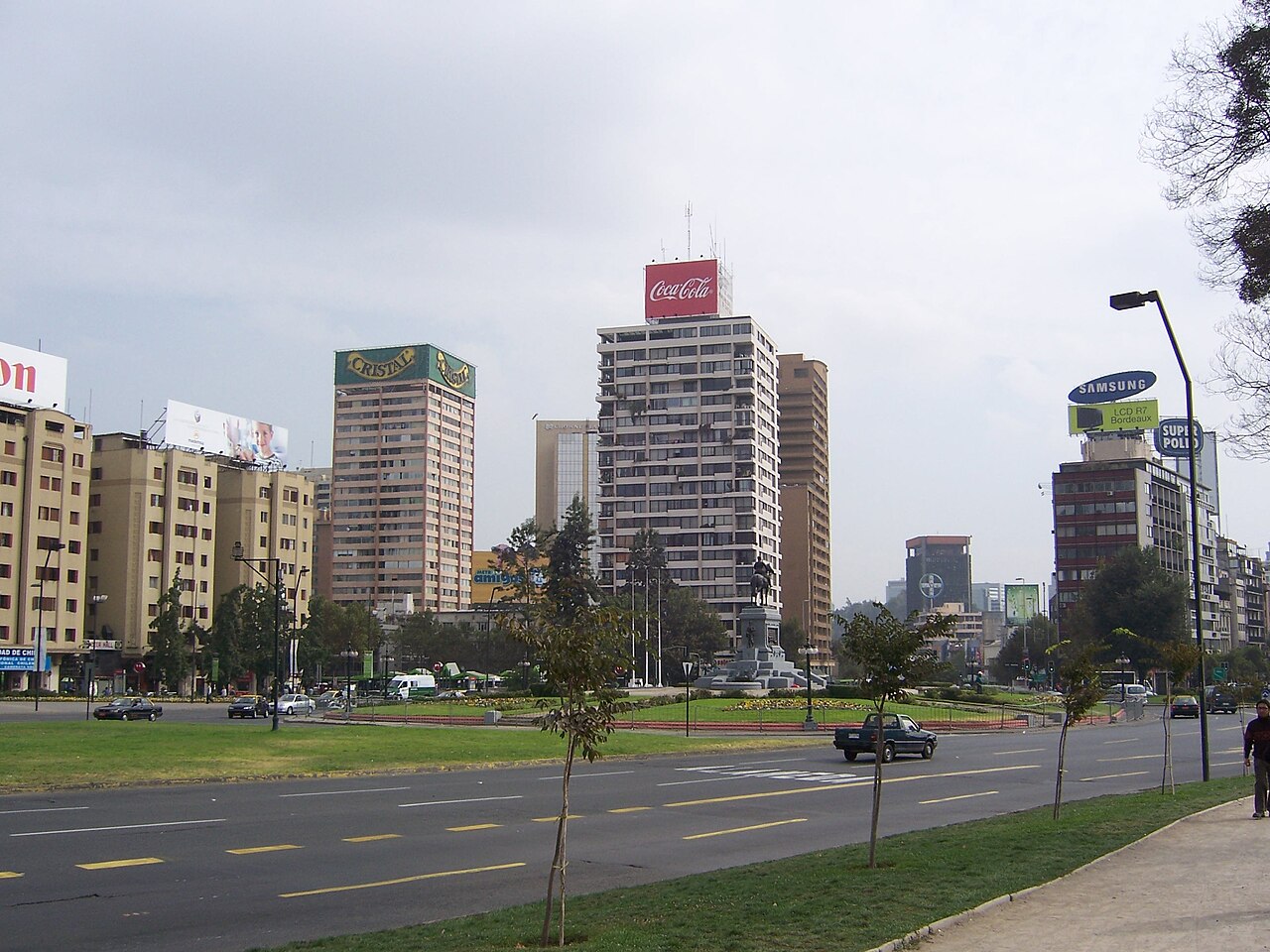
The equestrian statue of General Manuel Baquedano is the natural subject for photographs at Baquedano Square. Use the open setting to frame the monument against Santiago’s intersecting avenues and the movement of the surrounding city. Wider compositions can show the square’s role as a connection between the centre, Providencia, Bellavista, and Parque Bustamante, while closer views can focus on the monument itself. Morning or late-afternoon light may give the statue stronger relief, and evening images can capture the relationship between the monument and the illuminated urban setting. The square’s protest history calls for discretion when photographing public gatherings or people. Keep clear of moving traffic and avoid obstructing pedestrians while composing an image. The plaza works best for documentary urban photography that includes both the landmark and its civic surroundings.
Checked 2026-08-26 · Source
The central landmark is an equestrian statue of General Manuel Baquedano, a significant military figure in Chilean history.
The square connects Santiago’s city centre with Providencia, Bellavista, and Parque Bustamante.
Yes. Ordinary entry, passage, and time beside the monument do not require an admission ticket.
It became a central gathering point during recent civic protests, adding contemporary political and social significance to its role as an urban junction.
A short pass takes minutes; a stop to study the monument and urban setting usually fits into thirty minutes to one hour.
It is an open public square and major urban junction, best visited as a landmark and waypoint within a wider Santiago walk.
Loading the interactive map…
The interactive map could not be loaded.
Last updated:
Source: OpenStreetMap contributors, Wikidata ·