Museum of Memory and Human Rights
Museo de la Memoria y los Derechos Humanos
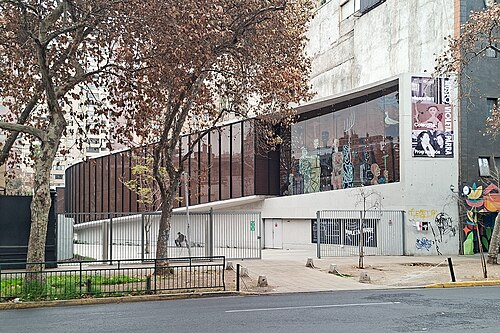
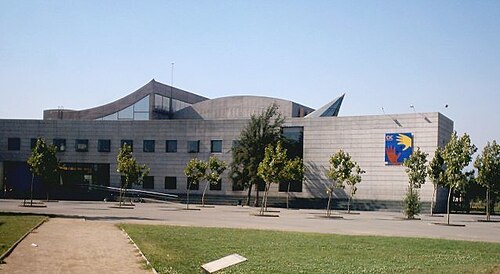
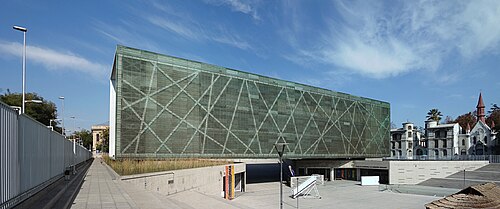
The Museum of Memory and Human Rights is Chile's principal museum addressing dictatorship-era state violence, memory, and human rights.
- Must see
- Museum
Language · 11 published
City guide · Chile
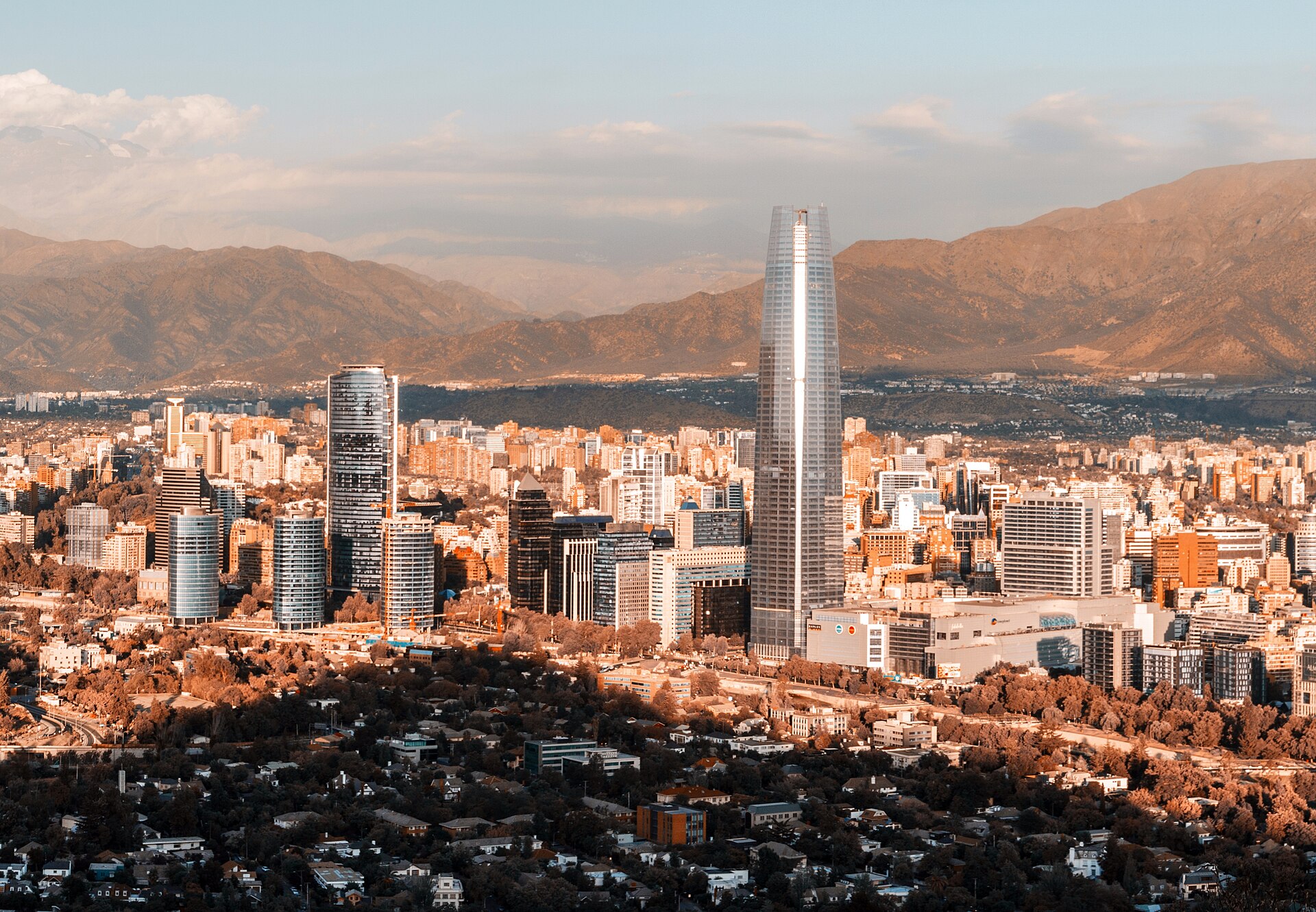
Santiago fills a broad metropolitan basin beneath the Andes, with visitor areas distributed across several communes. The historic centre begins at Plaza de Armas and extends through the civic district. Lastarria and Bellas Artes form a cultural corridor nearby, Bellavista lies across the river, and Providencia continues east toward modern business districts. Parks and viewpoints are connected by transit, but mountain and wine-country excursions belong to separate days.
Reviewed by Elena Voss · Roavina Travel Editor
Set your days, your pace and the hours you actually want to be out. The planner works around closing days and travel time, and leaves room to eat.
Ranked by importance — sitelinks, pageviews and heritage status, not editor preference.
22 places match
Category
Typical visit duration
Interests
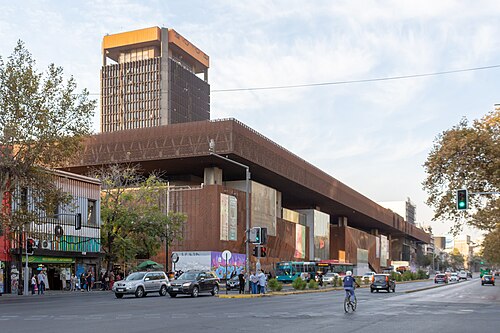
Museo de la Memoria y los Derechos Humanos
The Museum of Memory and Human Rights is Chile's principal museum addressing dictatorship-era state violence, memory, and human rights.
Museo de Arte Precolombino
The Chilean Museum of Pre-Columbian Art, known locally as Museo Chileno de Arte Precolombino, is a museum in Santiago dedicated to Indigenous art and material culture from across the Americas.
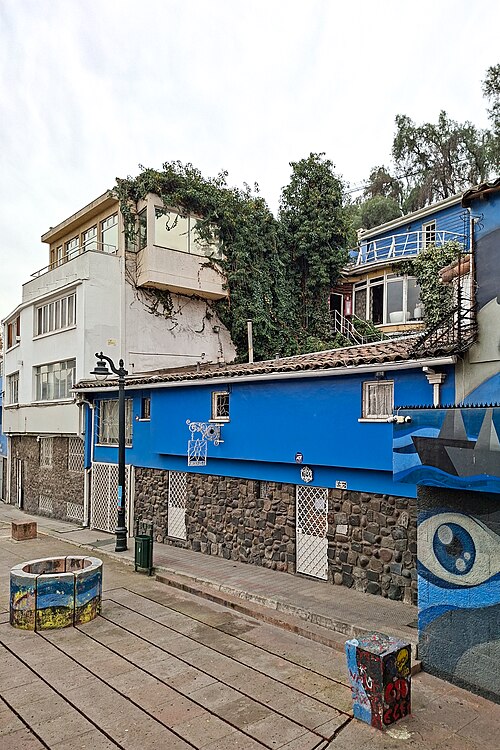
Casa Museo La Chascona
La Chascona House Museum, locally Casa Museo La Chascona, stands as Pablo Neruda's distinctive Santiago residence in the Bellavista quarter.
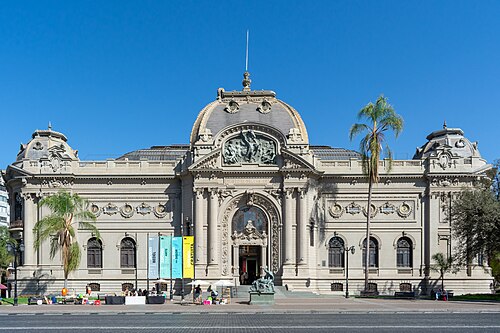
Museo Nacional de Bellas Artes
The Museo Nacional de Bellas Artes is Chile's principal fine-arts institution, anchoring the Parque Forestal and the Lastarria museum circuit in Santiago.
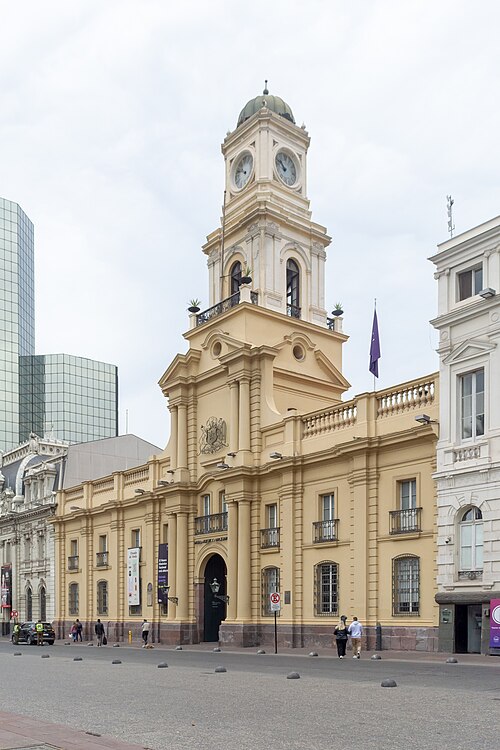
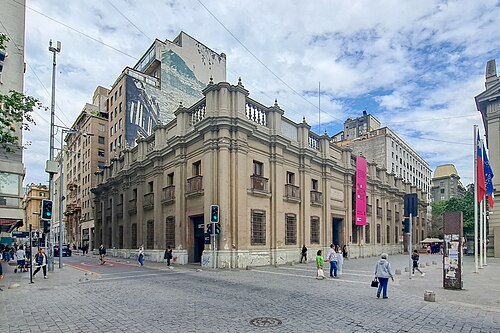
Museo Histórico Nacional
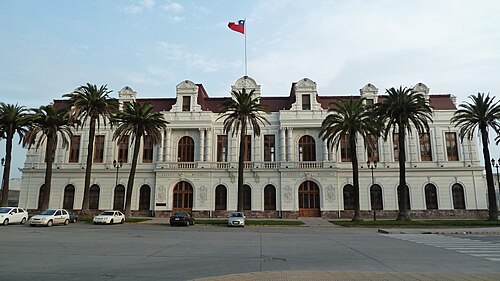
The National Historical Museum, locally Museo Histórico Nacional, stands as Chile's central national-history collection. It occupies the former Royal Audience building on Plaza de Armas in Santiago.
The Gabriela Mistral Cultural Centre, known locally as Centro Cultural Gabriela Mistral, is Santiago's major multidisciplinary performing-arts and exhibition complex. It serves as the cultural anchor of the Lastarria neighbourhood, one of the city's most distinctive quarters.
Barrio Bellavista is a bohemian neighbourhood in Santiago, Chile, situated on the northern bank of the Mapocho River at the foot of San Cristóbal Hill.
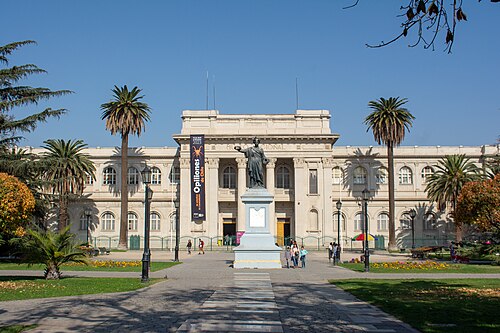
Museo Nacional de Historia Natural
The National Museum of Natural History, known locally as Museo Nacional de Historia Natural, stands as Chile's principal natural-history museum. It serves as the flagship institution within Quinta Normal, a significant public park in Santiago.
Museo de Santiago - Casa Colorada
Casa Colorada is a colonial-era house in central Santiago, Chile. Built in 1769, it is one of the oldest surviving structures in the city and serves as the Museo de Santiago Casa Colorada.
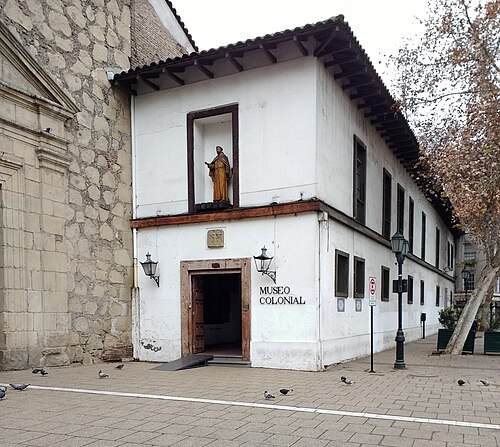
Museo de Arte Colonial de San Francisco
San Francisco Museum of Colonial Art, or Museo de Arte Colonial de San Francisco, is a specialized museum within Santiago’s historic San Francisco religious complex.
The Salvador Allende Solidarity Museum, or Museo de la Solidaridad Salvador Allende, is a Santiago cultural institution built around an international modern-art collection.
The Violeta Parra Museum, Museo Violeta Parra, is a Santiago national institution devoted to one of Chile's foundational folk artists. Violeta Parra was a musician, composer, visual artist, and folklorist whose work crossed creative disciplines.
Museo Ferroviario
The Santiago Railway Museum, Museo Ferroviario de Santiago, is an outdoor museum devoted to Chile's railway heritage. Its setting inside Quinta Normal Park lets travelers encounter historic locomotives and rolling stock at full scale.
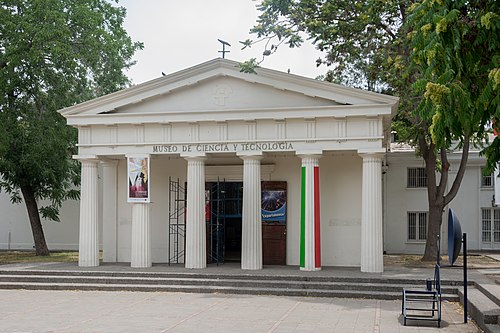
Museum of Science and Technology, locally Museo de Ciencia y Tecnología, is a hands-on science museum in Santiago. It forms part of Quinta Normal's family-oriented museum cluster and focuses on scientific and technological education through direct participation.
Mirador Interactive Museum, or Museo Interactivo Mirador, is a hands-on science museum in metropolitan Santiago. It is designed around participation, so visitors learn by touching, moving, testing and observing rather than only reading labels.
The National Aeronautical and Space Museum, Museo Nacional Aeronáutico y del Espacio, is Chile's principal aviation museum. It stands in Cerrillos, a commune in southwestern Santiago, and preserves the country's aeronautical heritage through aircraft and aerospace-related displays.
Museo de Artes Decorativas
The Museum of Decorative Arts, or Museo de Artes Decorativas, is a specialist museum within Santiago’s Recoleta cultural complex. Its focus is European and Asian decorative arts, giving the visit a more concentrated character than a broad national-history museum.
Museo Histórico Militar
The Historical and Military Museum of Chile occupies a substantial heritage building in Santiago that formerly served as Chile’s military school. The museum connects the building’s institutional past with displays about the country’s military history.
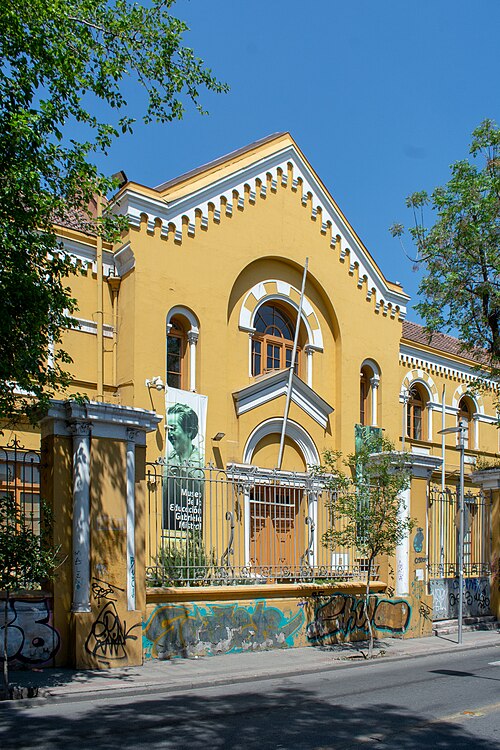
The Gabriela Mistral Museum of Education is a national museum in Santiago’s historic Barrio Yungay. It focuses on Chilean schooling and educational history, while its name honors Gabriela Mistral, the Chilean poet, educator, and Nobel Prize winner.
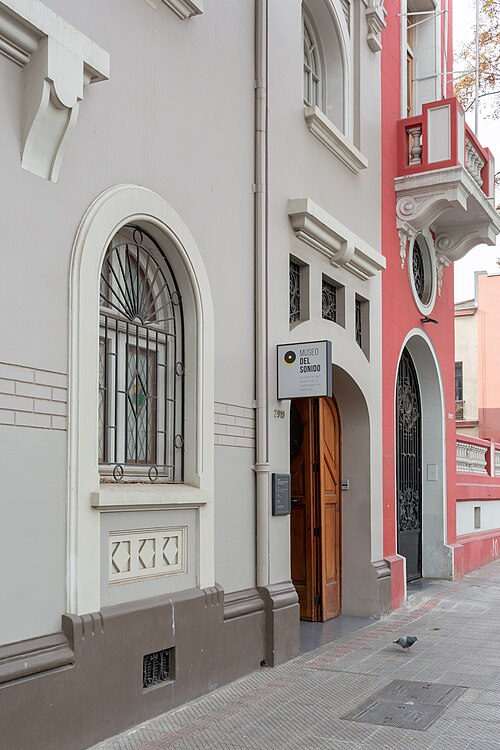
The Museo del Sonido, known in English as the Museum of Sound, is a specialist cultural museum in Santiago’s Yungay neighbourhood. The museum explores recorded sound, playback technology, and the ways people have listened to audio across changing periods.
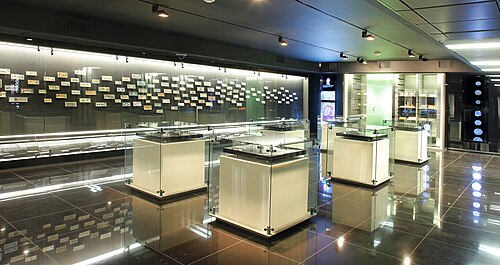
Museo Numismático
The Museo Numismático del Banco Central de Chile is Chile's specialist public collection dedicated to coins, banknotes, and monetary history. Housed under the auspices of the nation's central bank, it preserves and exhibits the country's numismatic heritage.
Museo de Sitio y Parque por la Paz Villa Grimaldi
Source: OpenStreetMap contributors, Wikidata ·
The compact historic core includes Plaza de Armas, civic buildings, pedestrian streets and central museums. Lastarria, Bellas Artes and Parque Forestal can be combined on foot, while Bellavista forms a neighbouring but distinct area. Providencia, Ñuñoa, Barrio Italia and eastern districts require Metro or bus connections. Maipo Valley, Cajón del Maipo and ski areas are regional excursions and should not be mixed into a dense central-city route.
Checked 2026-08-26
Santiago's integrated public transport combines Metro and urban buses, with commuter rail serving selected corridors. Use Metro for longer moves between the centre, Providencia and other connected communes, then walk within each neighbourhood. Check official transport information for current routes and payment requirements. Mountain, vineyard and rural journeys use separate services and may be affected by weather or road conditions, so confirm those arrangements independently.
Checked 2026-08-26
the historic centre, Lastarria-Bellas Artes, Bellavista and Providencia are distinct clusters
No fixed stay length is recorded; select urban clusters before adding regional excursions.
Metro and urban buses connect communes, with walking best inside each neighbourhood.
Cajón del Maipo and wine valleys are regional road excursions, not central stops.
Combine Lastarria with Bellas Artes and Parque Forestal; plan Bellavista and Providencia separately.