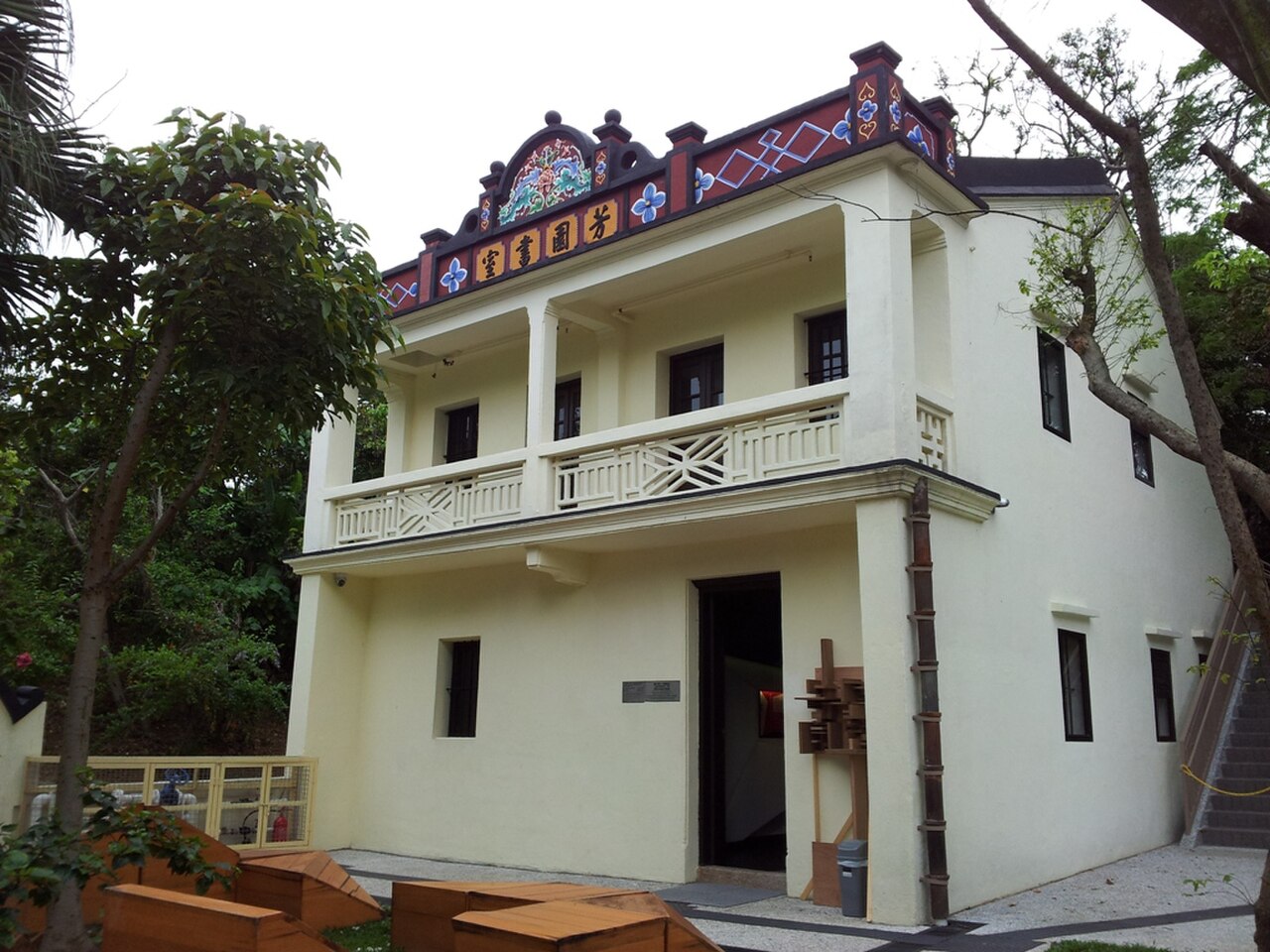
Fong Yuen Study Hall, known locally as 芳園書室, is a historic study hall in Hong Kong. Study halls were traditional places connected with reading, instruction and community learning, making this building relevant to travellers interested in educational heritage and vernacular architecture. Its appeal is quieter than that of a major monument: look at the building as a surviving expression of the importance once given to scholarship and local community life. Fong Yuen Study Hall, known locally as 芳園書室, is a historic study hall located in Hong Kong. This traditional building represents an important type of educational institution in the region's cultural heritage. Study halls of this nature served as venues for scholarly pursuit and community education in past eras. The structure embodies architectural characteristics associated with such establishments. Visitors interested in Hong Kong's educational history and vernacular architecture may find this site relevant. The study hall stands as a testament to the historical emphasis on learning within the local community. Visitors should verify current operational status before traveling.
The study hall’s significance begins with its traditional building form and the spaces associated with learning. Visitors can focus on the exterior structure, proportions, materials and decorative details, then observe any interior areas that are open during the visit. Treat the building itself as the central exhibit, and give close attention to the relationship between architecture, education and community memory. Traditional study halls typically contained spaces for reading, instruction, and possibly ancestral veneration, though specific room configurations here remain unverified. Architectural elements may include timber structural systems, decorative plasterwork, or calligraphic inscriptions common to such buildings. Visitors should approach with appropriate expectations regarding interior accessibility and contents. The preservation status of internal features is uncertain.
Allow enough time for a careful exterior viewing and for any interior areas available to visitors. A focused architectural visit can be brief, while travellers deeply interested in traditional study halls may spend longer examining details and inscriptions. Because this is a compact heritage stop, it works well as part of a wider neighbourhood outing. Keep the pace flexible so the building can be appreciated without turning it into a rushed photo stop.
Daylight is the most useful time for appreciating the building’s exterior, including its materials and architectural details. Hong Kong’s summers are hot and humid, and rain can make outdoor heritage visits less comfortable; autumn and winter often provide milder conditions. Interior access may be shaped by the building’s operating arrangements, so include the hall in a broader route with other nearby interests rather than making the entire day depend on one short stop.
Fong Yuen Study Hall is best approached as a heritage building, with the architecture and educational history providing the main value of the visit. Carry a flexible payment method when exploring Hong Kong heritage sites, and keep the stop proportionate within a larger day plan. The experience does not depend on a long programme or extensive grounds; it depends on being able to pause, observe the structure and understand the role study halls played in community learning.
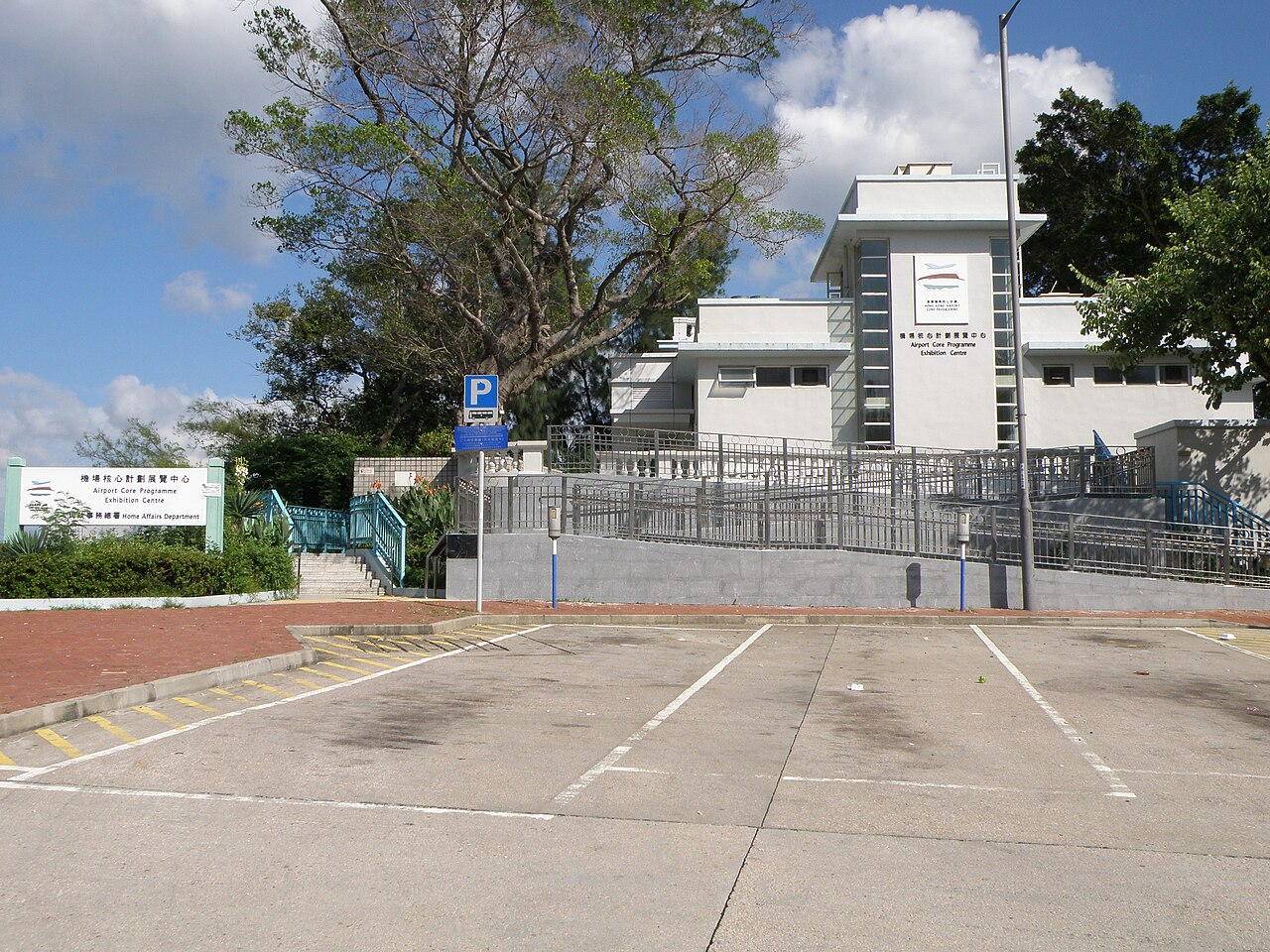
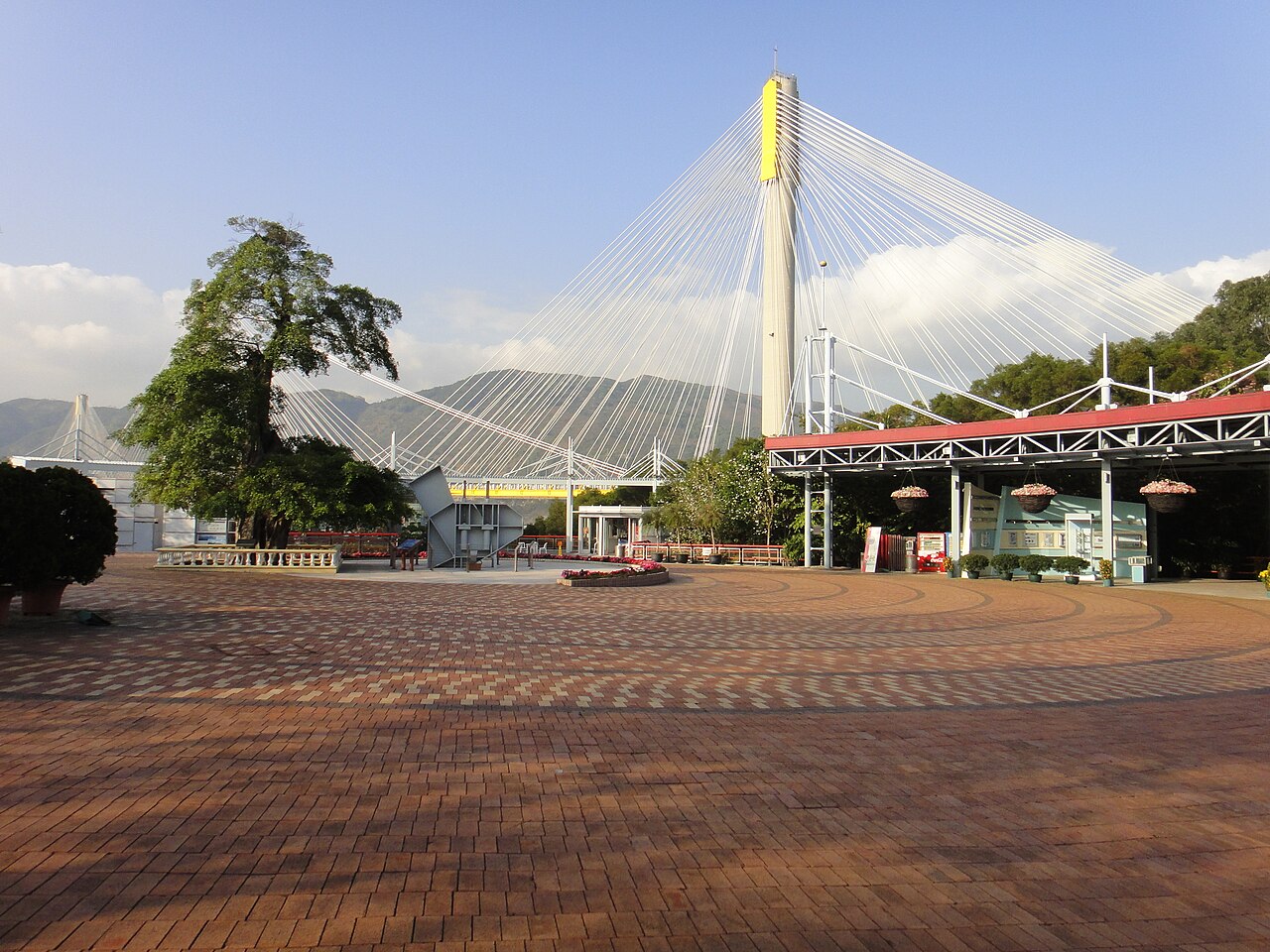
Approach Fong Yuen Study Hall through Hong Kong’s wider public transport network of MTR services, buses, minibuses and ferries, then complete the final approach on foot through the local area. The city’s hills and dense neighbourhoods can make a short map distance feel more demanding, so allow time for walking. The hall is most practical as one point within a district route that includes other architectural or cultural stops.
Traditional heritage buildings may include steps, uneven surfaces, narrow doorways and limited modern facilities. Use steady footwear and take care on thresholds. Interior access can be more restricted than exterior viewing, and the building may feel delicate or intimate. In warm weather, carry water and protect yourself from the sun while walking through Hong Kong. Respect the structure, avoid leaning on fragile features and follow any behaviour guidance displayed at the site.
Exterior photographs can capture the study hall’s traditional form, proportions and decorative details, especially in clear daylight. Inside, keep equipment unobtrusive and follow any signs or instructions about flash, tripods and image-making. Do not let photography obstruct other visitors or compromise the building’s quiet atmosphere. A few careful architectural frames will communicate more than a rapid sequence of pictures, particularly when the surrounding neighbourhood context is included.
It is a historic Hong Kong study hall associated with traditional learning, reading, instruction and community education.
Why visit Fong Yuen Study Hall?
The hall offers an opportunity to appreciate vernacular architecture and the historical role of study halls in local educational and community life.
What should I look at during the visit?
Focus on the building’s structure, proportions, materials, decorative details and the relationship between the hall and Hong Kong’s learning traditions.
How long should I spend at Fong Yuen Study Hall?
Allow time for a careful exterior viewing and any accessible interior areas; the compact stop fits naturally into a broader neighbourhood route.
How can I reach the study hall?
Use Hong Kong’s MTR, buses, minibuses or ferries to approach the area, then continue on foot through the local neighbourhood.
What should I consider when visiting a historic building?
Expect possible steps, uneven surfaces and narrow doorways. Move carefully, respect the structure and follow any visitor guidance displayed on site.
Nothing non-essential is set before you choose, in regions where consent is required. If you decline, ads still appear and analytics is switched off entirely.