


2 min walk · 中西區 Central and Western District
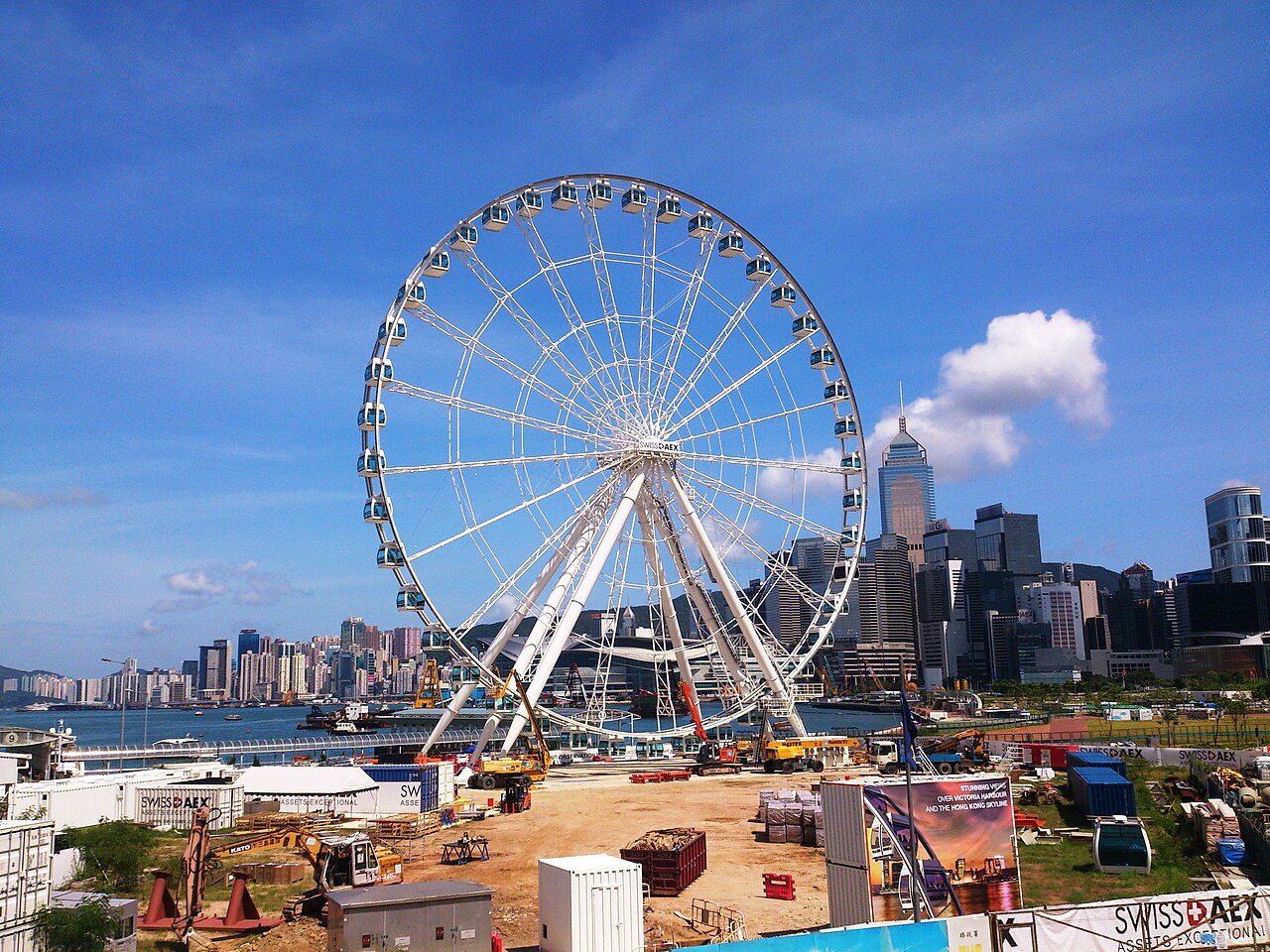
Hong Kong Observation Wheel
- High
- Nature site
Museum · 中西區 Central and Western District, Hong Kong
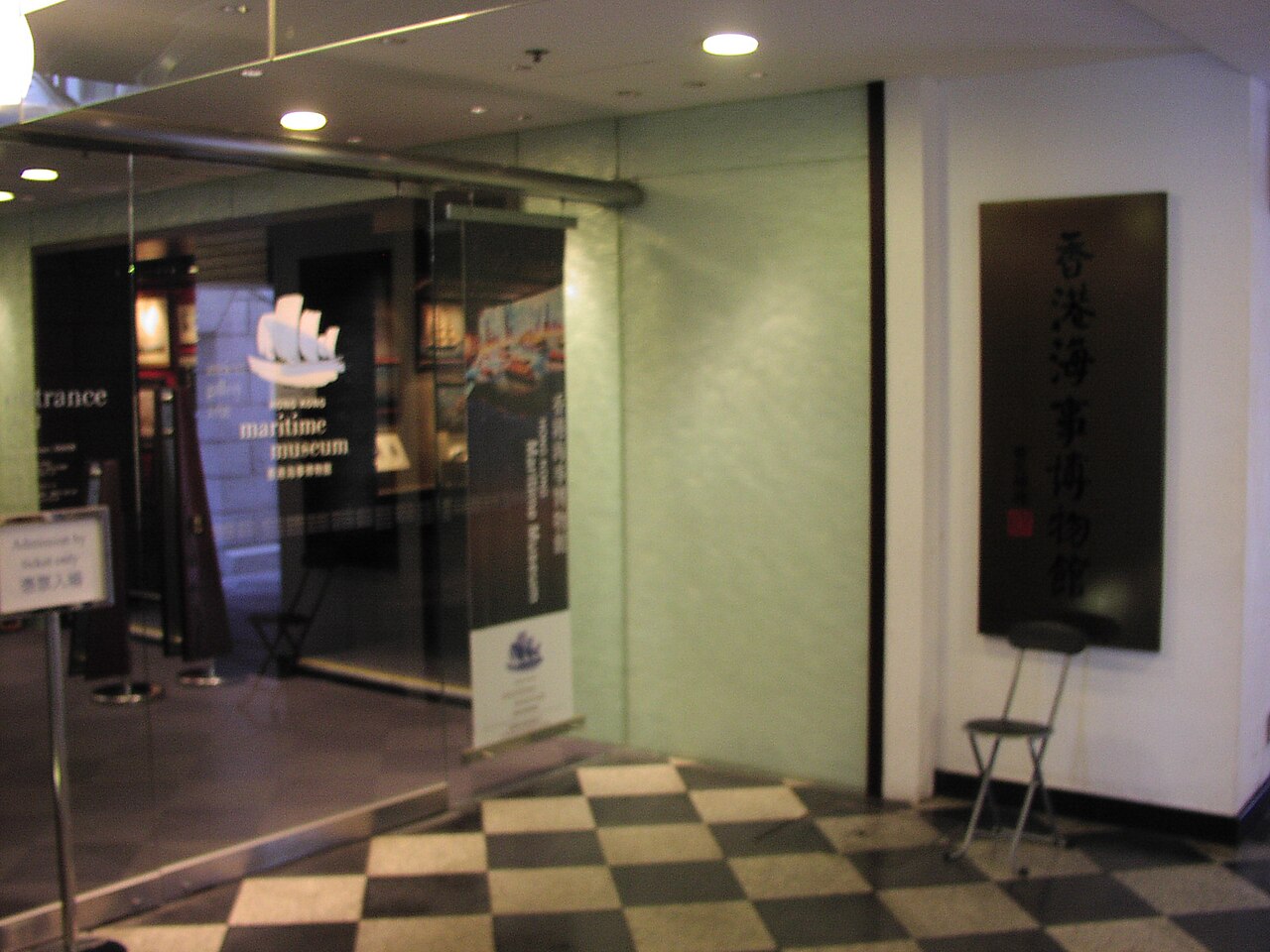
香港海事博物館 Hong Kong Maritime Museum
| Monday | 09:30 – 17:30 |
|---|---|
| Tuesday | 09:30 – 17:30 |
| Wednesday | 09:30 – 17:30 |
| Thursday | 09:30 – 17:30 |
| Friday | 09:30 – 17:30 |
| Saturday | 10:00 – 19:00 |
| Sunday | 10:00 – 19:00 |
Checked 2026-11-04 · Source
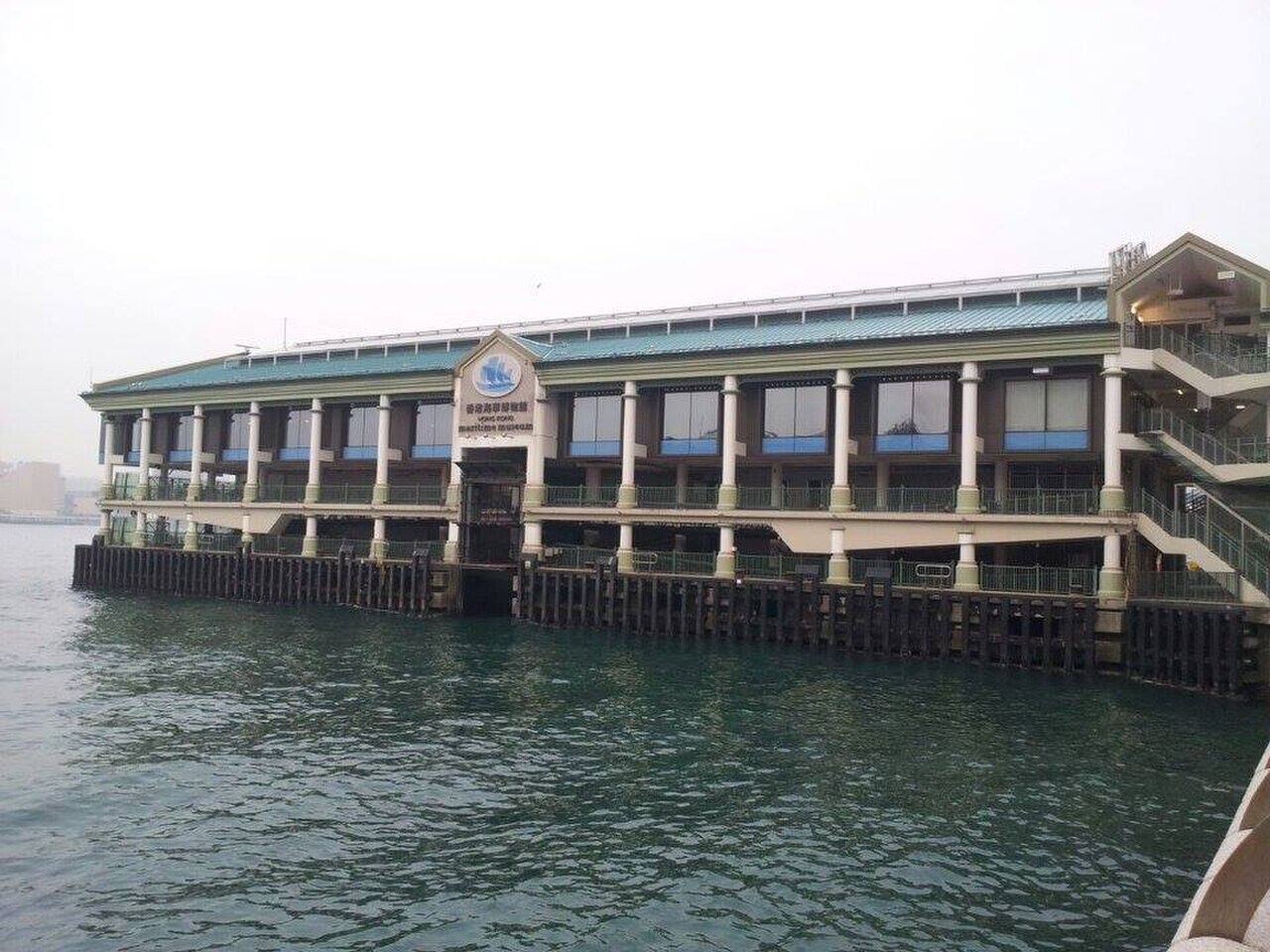
The Hong Kong Maritime Museum is a museum in Hong Kong dedicated to the maritime history and heritage of the region. It documents the city's development as a major port and trading hub, reflecting its strategic importance in global maritime commerce. The institution serves as a repository for maritime artifacts, documents, and educational resources. Its establishment responds to Hong Kong's identity as an island city fundamentally shaped by the sea, shipping, and naval activities spanning centuries of recorded history.
Checked 2026-08-26

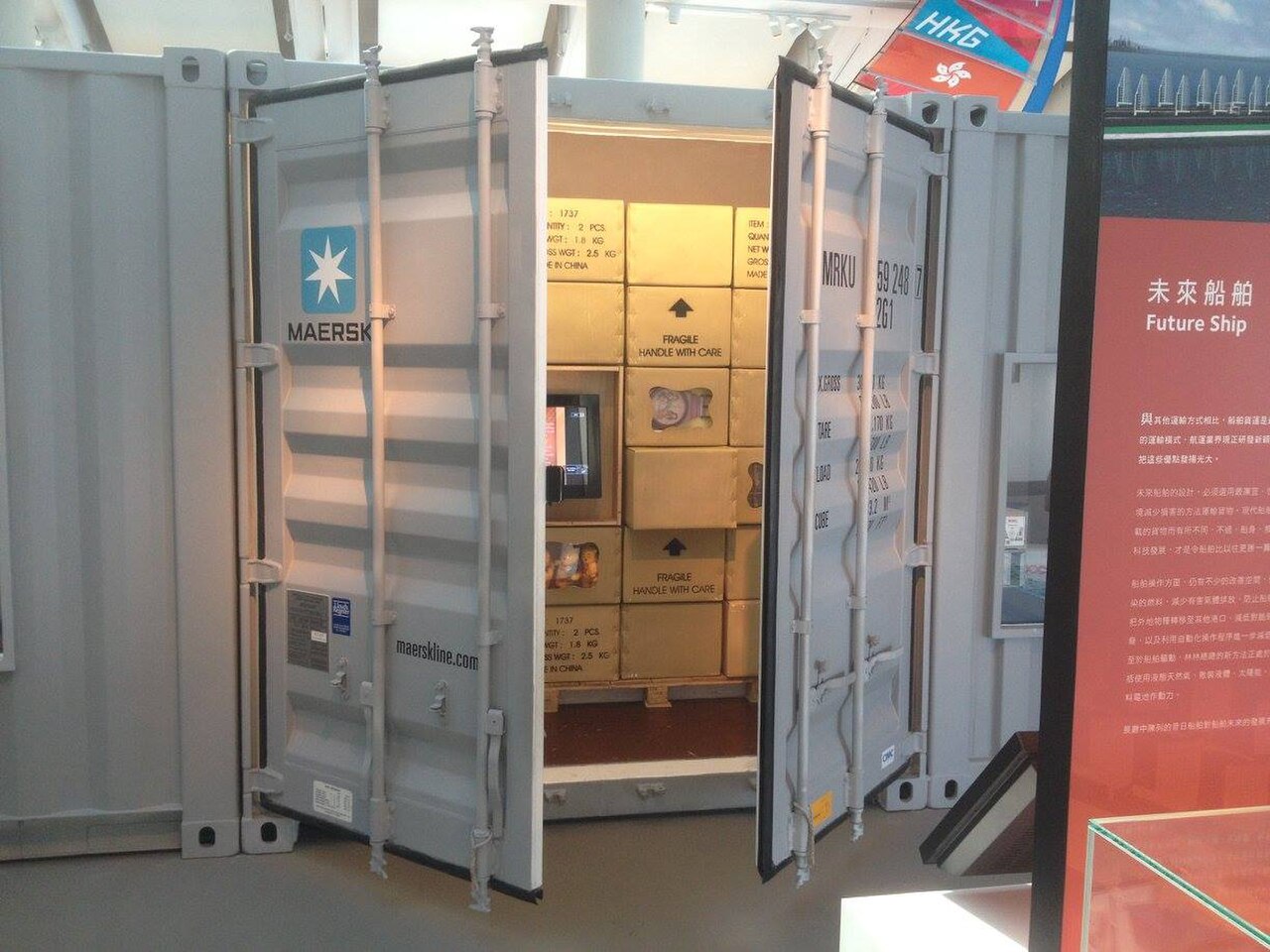
The museum's collections encompass maritime artifacts, ship models, historical documents, and visual materials related to Hong Kong's seafaring traditions. Exhibits typically address themes of naval architecture, port development, trade routes, and the lives of mariners. The institution preserves objects that illustrate technological evolution in shipping and navigation.
Checked 2026-08-26
A thorough visit to a maritime museum of this scope typically requires between ninety minutes and two and a half hours, depending on individual reading speed and interest in detailed artifact examination. Visitors with specialized knowledge in naval history or maritime commerce may extend their stay. Families with younger children often complete circuits more rapidly. The appropriate duration varies substantially by personal engagement level. Self-paced exploration remains the standard expectation for museum visitors.
Checked 2026-08-26
Seasonal considerations for Hong Kong include hot humid summers, mild winters, and typhoon risks from May through November. Indoor venues offer climate-controlled environments regardless of external conditions. Weekday mornings typically present reduced crowding at cultural institutions globally, though local patterns may differ. Holiday periods and school vacation schedules may substantially affect visitor density.
Checked 2026-08-26
Many museums maintain variable pricing for residents versus non-residents, students, seniors, and children. Group rates and membership programs may exist.
Checked 2026-08-26
The Hong Kong Maritime Museum is situated in a densely developed urban environment with extensive public transportation infrastructure. Hong Kong's Mass Transit Railway network, bus services, and ferry connections provide comprehensive coverage. Central and Admiralty districts offer proximity to multiple transit interchange stations. Taxi and ride-hailing services operate throughout the territory.
Checked 2026-08-26
Museum visitors should maintain awareness of standard institutional protocols including bag restrictions, food and beverage prohibitions, and emergency evacuation procedures. Hong Kong's tropical climate demands adequate hydration before and after indoor visits. Crowded conditions may affect personal space and queue lengths during peak visitation. Accessibility accommodations for mobility, visual, or auditory needs require advance inquiry. Personal belongings security remains visitor responsibility. Children require supervision near display cases and interactive elements. Health and safety measures may include mask requirements or capacity limits subject to official directives.
Checked 2026-08-26
Many museums permit non-flash photography for personal use while prohibiting tripods, selfie sticks, and commercial imaging. Special exhibitions frequently impose stricter restrictions due to loan agreements with other institutions. Flash photography risks damage to light-sensitive artifacts and may disturb other visitors. Video recording, livestreaming, and drone operations typically face additional constraints. Visitors should observe posted signage and staff instructions at entry points and within galleries. When policy ambiguity exists, requesting clarification from museum personnel prevents inadvertent violations that could result in equipment confiscation or removal from premises.
Checked 2026-08-26
Maritime museums generally offer educational value for school-age children interested in ships, history, or navigation. Younger children may find traditional exhibit formats less engaging than interactive science centers. Family suitability depends on individual child temperament and prior interest in maritime subjects.
Many museums offer scheduled tours, audio guides, or downloadable applications.
Modern Hong Kong buildings typically incorporate elevator access and accessible restrooms, though older structures may present limitations.
As a specialized maritime institution, it focuses narrowly on nautical themes rather than offering comprehensive art or history coverage. Specialized audiences likely appreciate its dedicated focus more than general tourists seeking broad overviews.
Many cultural institutions operate retail spaces offering themed publications, replicas, and souvenirs.
The surrounding Central district offers extensive dining options at various price points. Visitors should plan meal arrangements accordingly, noting that many museums prohibit consuming food within exhibition spaces.
Loading the interactive map…
The interactive map could not be loaded.
Last updated:
Source: OpenStreetMap contributors, Wikidata ·