
01
45 min
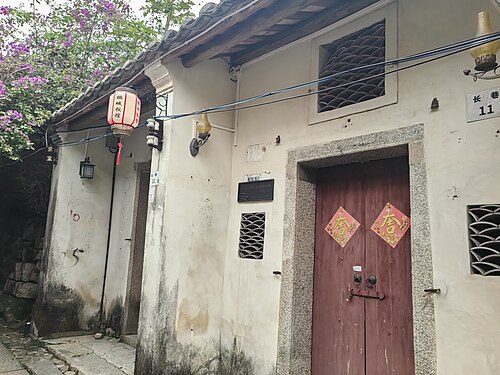
Dapeng Fortress
大鹏所城
Dapeng Fortress, known locally as 大鹏所城, is a historic military fortification in Shenzhen's Dapeng New District.
- Must see
- Historic monument
City guide · China
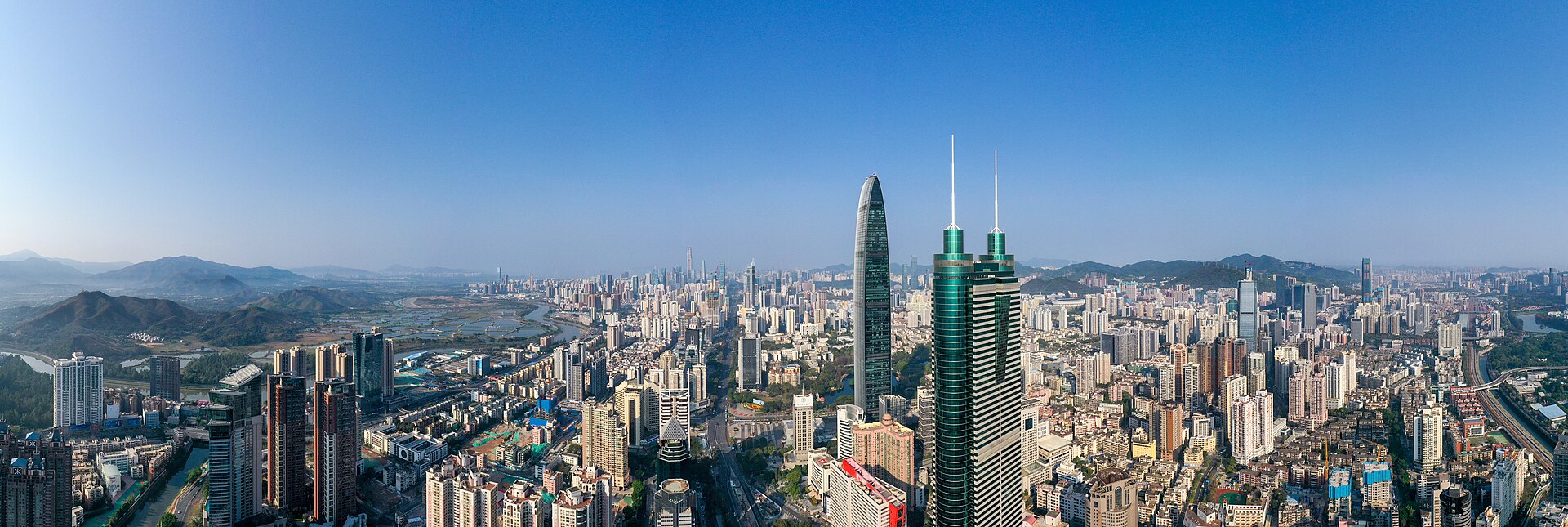
Shenzhen is a polycentric city stretching along the coast and the Hong Kong border. Futian forms the civic and business centre, Luohu combines an older commerci...
Photograph · Charlie fong · CC BY-SA 4.0
Set your days, your pace and the hours you actually want to be out. The planner works around closing days and travel time, and leaves room to eat.
Reviewed by Elena Voss · Roavina Travel Editor
Shenzhen is a polycentric city stretching along the coast and the Hong Kong border. Futian forms the civic and business centre, Luohu combines an older commercial core with a major border crossing, and Nanshan holds many museums, theme parks and technology districts. Eastern beaches and mountain areas sit far beyond the central urban sequence.
Checked 2026-08-26
September · Shenzhen Meteorological Bureau identifies September as part of the July-to-September late flood season, when an average three to four tropical cyclones affect the city.
Ranked by importance — sitelinks, pageviews and heritage status, not editor preference.
11 places match
Category
Typical visit duration
Interests
大鹏所城
Dapeng Fortress, known locally as 大鹏所城, is a historic military fortification in Shenzhen's Dapeng New District.
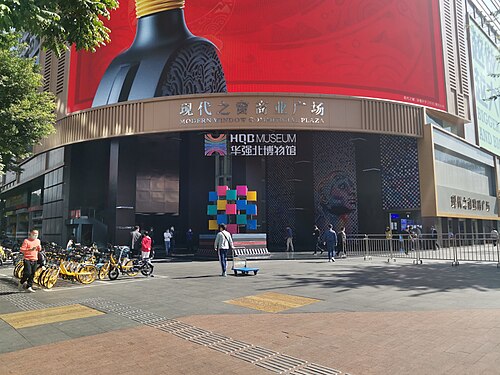
华强北
Huaqiangbei is a major commercial district in Shenzhen, Guangdong Province, China. Known widely as one of the world's largest electronics markets, it occupies a significant area in the Futian District.
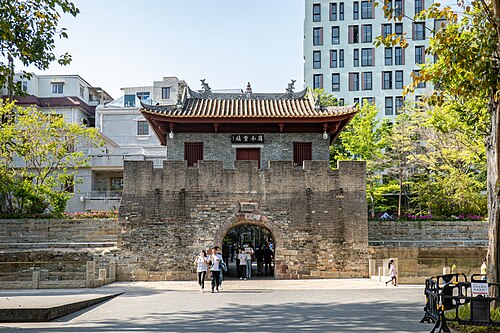
南头古城
Nantou Ancient City, or 南头古城, is a historic fortified settlement in Shenzhen. It preserves the memory of an older urban landscape within a city better known for new towers, technology, and rapid construction.

大芬油画村
Dafen Oil Painting Village is an art production and trading district in Shenzhen, China. A small village developed into a concentrated center for oil-painting reproduction and original art.
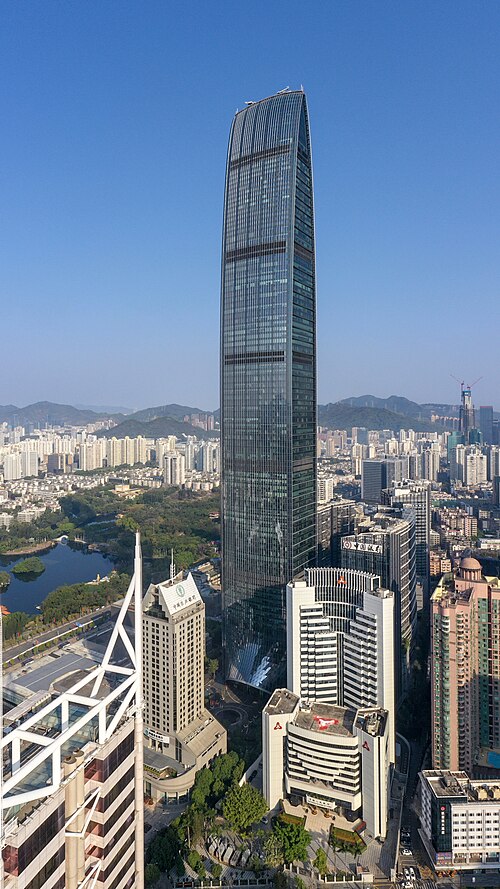
京基100
KK100, known locally as 京基100, is a supertall mixed-use tower in Shenzhen's Luohu District. It is one of the city's most recognizable skyline landmarks and contains office space and the St.
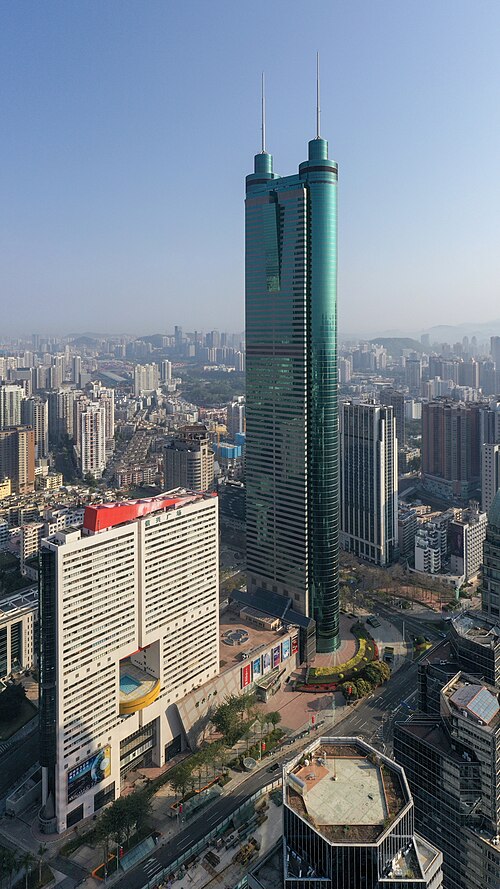
地王大厦
Shun Hing Square, known locally as 信兴广场, stands as a prominent commercial and architectural landmark in Shenzhen. The complex features one of the city's most recognizable skyscrapers, contributing to the distinctive skyline of this rapidly developed metropolis.
Treat Futian, Luohu and Nanshan as separate day clusters linked by metro. Civic Centre, Lianhuashan and the central skyline fit together in Futian; Dongmen and the border area define Luohu; OCT, Shekou and the bayfront spread across Nanshan. Dapeng Peninsula and eastern coastal sites require a dedicated outward journey.
Checked 2026-08-26
Shenzhen Government Online describes a broad rail-transit network and four high-speed railway stations, including a direct rail connection to Hong Kong. Use rail for movement between the city's widely separated districts and walk within one selected cluster at a time. The official guide does not provide a single universal route for every attraction, so consult current station and service information separately before a cross-city journey or onward travel to Hong Kong.
Checked 2026-08-26
A fixed stay length is not recorded. Build the visit around Futian, Luohu and Nanshan, then add Dapeng and the eastern coast only when the available time supports a separate journey.
Group places by district instead of crossing the city repeatedly. Start with Futian, Luohu and Nanshan; treat Dapeng and the eastern coast as separate routes with their own travel allowance.
Walk within one district cluster and use the metro or rail network for longer journeys. Consult current official station and service information before relying on a particular connection.
Only within individual neighbourhood clusters. The main visitor areas are separated by distances, waterways, major roads or regional approaches, so longer links normally need public transport or a licensed vehicle.
Plan Dapeng and the eastern coast separately from Futian, Luohu and Nanshan. Check the current route, return connection and any access requirements on the official source before departure.