Window of the World
世界之窗
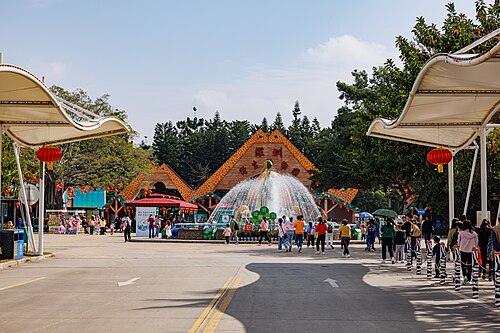
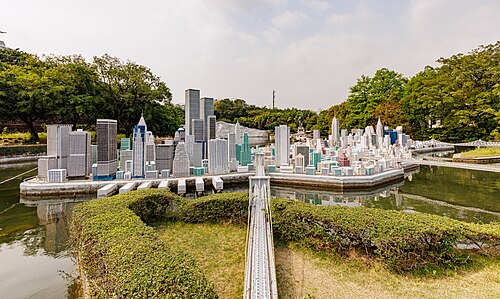
Window of the World is a large theme park in Shenzhen’s Nanshan District, known for reduced-scale replicas of famous landmarks from around the globe. Its Chinese name is 世界之窗.
- Must see
- Entertainment venue
Language · 11 published
City guide · China
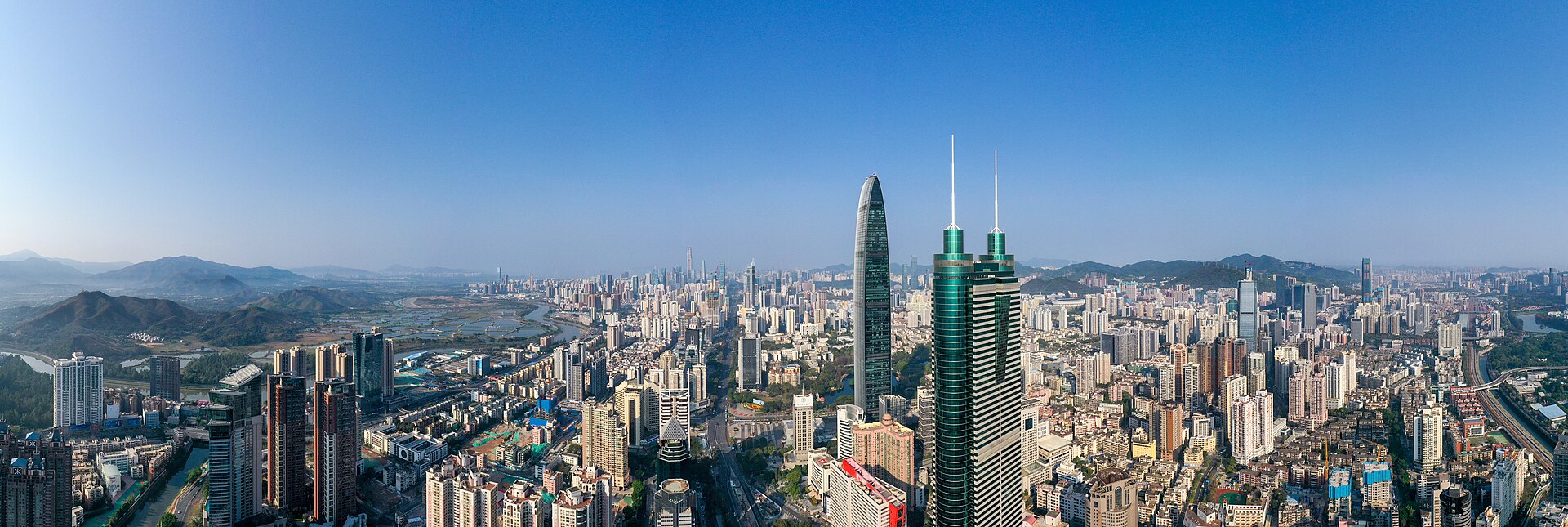
Shenzhen is a polycentric city stretching along the coast and the Hong Kong border. Futian forms the civic and business centre, Luohu combines an older commercial core with a major border crossing, and Nanshan holds many museums, theme parks and technology districts. Eastern beaches and mountain areas sit far beyond the central urban sequence.
Reviewed by Elena Voss · Roavina Travel Editor
Set your days, your pace and the hours you actually want to be out. The planner works around closing days and travel time, and leaves room to eat.
Ranked by importance — sitelinks, pageviews and heritage status, not editor preference.
18 places match
Category
Typical visit duration
Interests
世界之窗
Window of the World is a large theme park in Shenzhen’s Nanshan District, known for reduced-scale replicas of famous landmarks from around the globe. Its Chinese name is 世界之窗.
锦绣中华民俗村
Splendid China Folk Village combines two Shenzhen attractions: Splendid China, a miniature presentation of celebrated Chinese landmarks, and China Folk Culture Village, which focuses on ethnic traditions and reconstructed environments.
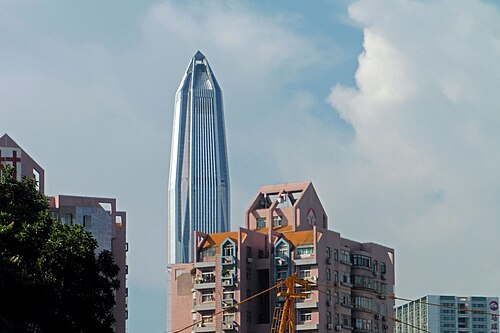
Ping An Finance Centre is a 599.1-metre skyscraper in Shenzhen's Futian District, with the Free Sky observation deck forming its principal public visitor experience.
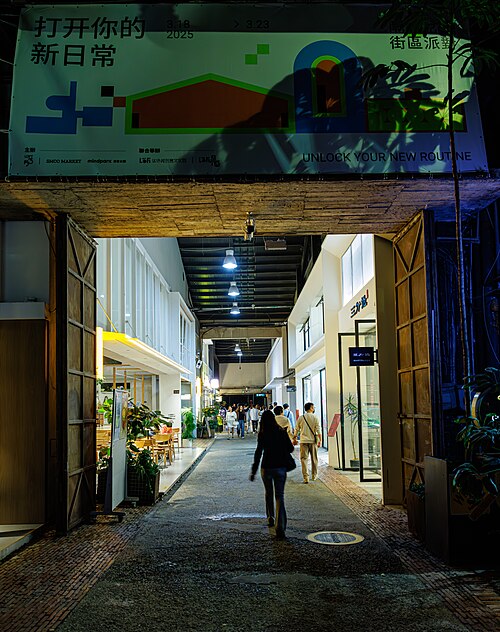
OCT-LOFT Creative Culture Park is a former industrial compound in Shenzhen’s Nanshan District, reshaped into a cultural quarter by Overseas Chinese Town. Factory buildings now hold galleries, studios, creative workspaces, shops, cafés, restaurants, and event venues.
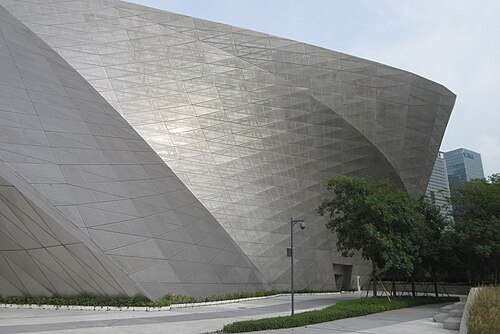
深圳市当代艺术与城市规划馆
The Museum of Contemporary Art and Planning Exhibition occupies a prominent position in Shenzhen’s Civic Center area. Designed by Coop Himmelb(l)au, its metallic exterior and angular volumes make the building a landmark in their own right.
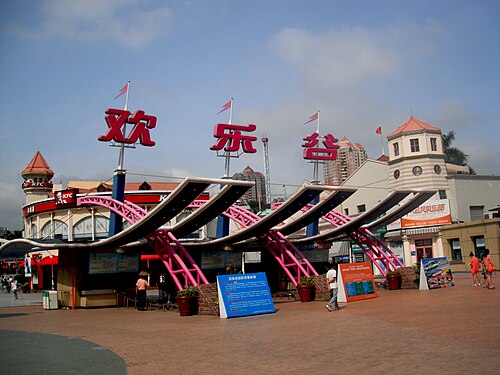
欢乐谷
Happy Valley Shenzhen, or 深圳欢乐谷, is a large urban amusement park in Shenzhen, Guangdong, built around themed environments, rides, performances and family entertainment.
深圳博物馆历史民俗馆
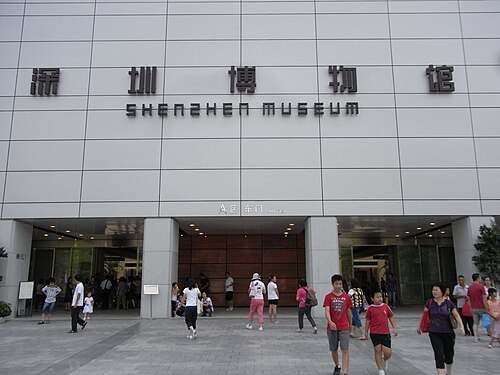
Shenzhen Museum is a municipal cultural institution in Shenzhen, Guangdong Province, known locally as 深圳博物馆. It is a useful stop for travelers who want context for the city's transformation from a small fishing settlement into a major modern metropolis.
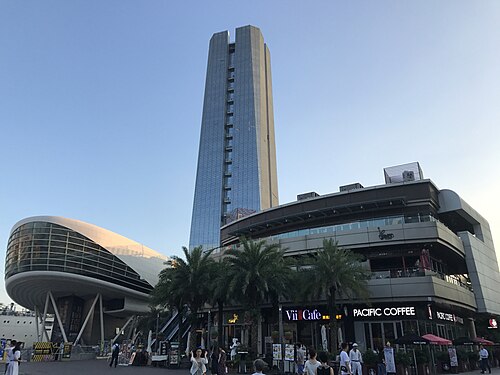
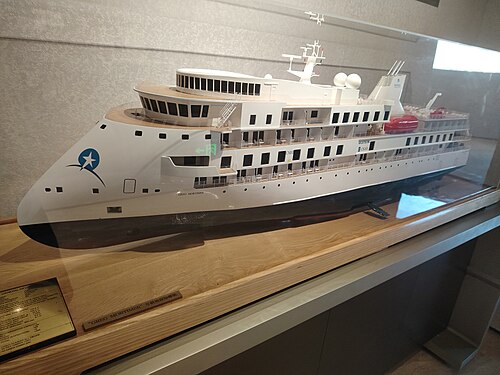
Sea World Shekou is an open waterfront dining, public-space, and evening precinct in Shenzhen's Shekou district. The area centres on a decommissioned Minghua cruise ship, now permanently moored and converted into a hotel and restaurant complex.
深圳野生动物园
Shenzhen Safari Park is a large zoological attraction in Shenzhen, known locally as 深圳野生动物园. It is designed around encounters with wild animals in safari-themed surroundings and suits travellers looking for a dedicated wildlife day.
The Sea World Culture and Arts Center is a purpose-built cultural institution in Shenzhen's Shekou precinct. Its local name is 海上世界文化艺术中心. The center operates as a distinct museum and arts venue with its own galleries, exhibitions, and theatre spaces.
南山博物馆
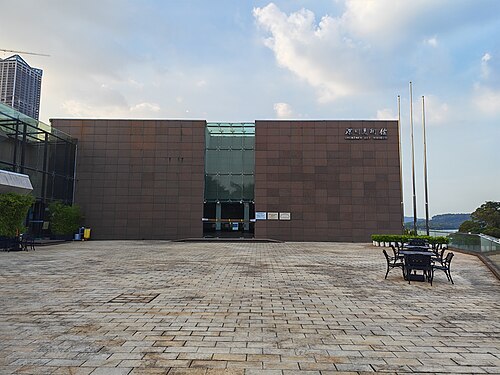
Nanshan Museum is a public cultural institution in Shenzhen’s Nanshan District, known locally as 南山博物馆. It is a useful stop for travellers who want context for the district and the wider Shenzhen region beyond the city’s modern skyline.
深圳美术馆
Shenzhen Art Museum, or 深圳美术馆, is a public art institution in Shenzhen, China. It provides exhibition, collection, research and art-promotion functions within a city known for rapid development and expanding cultural investment.
招商局历史博物馆
China Merchants History Museum is a museum dedicated to the history of China Merchants Group, one of China's oldest and most significant state-owned enterprises.
深圳科学技术馆
The Shenzhen Science and Technology Museum is a cultural and educational institution dedicated to science popularisation and technological demonstration. Located in Shenzhen, Guangdong Province, it serves as a venue where visitors can engage with scientific principles and technological developments.
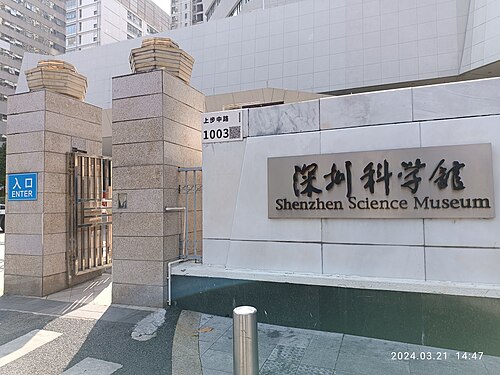
Shenzhen Science Museum, known locally as 深圳科学馆, is a science education venue in Shenzhen. It belongs to the city’s cultural and educational landscape and reflects Shenzhen’s strong connection with technology and scientific learning.
关山月美术馆
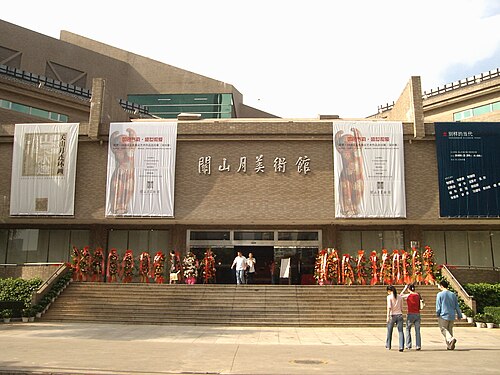
Guan Shanyue Art Museum is a public art museum in Shenzhen’s Futian district, devoted to the legacy of Guan Shanyue, a major modern Chinese painter.
深圳古生物博物馆
Shenzhen Paleontology Museum is a natural-history destination devoted to fossils, ancient life, and geological history. Its Chinese name is 深圳古生物博物馆.
深圳博物馆古代艺术馆
Shenzhen Museum of Ancient Art presents Chinese historical art and archaeological heritage in a museum setting. It offers a quieter, object-focused counterpoint to Shenzhen’s technology districts and contemporary attractions.
Source: OpenStreetMap contributors, Wikidata ·
Treat Futian, Luohu and Nanshan as separate day clusters linked by metro. Civic Centre, Lianhuashan and the central skyline fit together in Futian; Dongmen and the border area define Luohu; OCT, Shekou and the bayfront spread across Nanshan. Dapeng Peninsula and eastern coastal sites require a dedicated outward journey.
Checked 2026-08-26
Shenzhen Government Online describes a broad rail-transit network and four high-speed railway stations, including a direct rail connection to Hong Kong. Use rail for movement between the city's widely separated districts and walk within one selected cluster at a time. The official guide does not provide a single universal route for every attraction, so consult current station and service information separately before a cross-city journey or onward travel to Hong Kong.
Checked 2026-08-26
A fixed stay length is not recorded. Build the visit around Futian, Luohu and Nanshan, then add Dapeng and the eastern coast only when the available time supports a separate journey.
Group places by district instead of crossing the city repeatedly. Start with Futian, Luohu and Nanshan; treat Dapeng and the eastern coast as separate routes with their own travel allowance.
Walk within one district cluster and use the metro or rail network for longer journeys. Consult current official station and service information before relying on a particular connection.
Only within individual neighbourhood clusters. The main visitor areas are separated by distances, waterways, major roads or regional approaches, so longer links normally need public transport or a licensed vehicle.
Plan Dapeng and the eastern coast separately from Futian, Luohu and Nanshan. Check the current route, return connection and any access requirements on the official source before departure.