上海观复博物馆
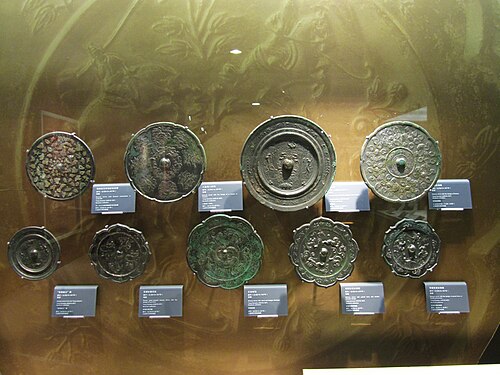
Shanghai Guanfu Museum is a private museum located in Shanghai, China. It was founded by Ma Weidu, a well-known Chinese antique collector and television personality.
- Notable
- Museum
- Shanghai
Country guide
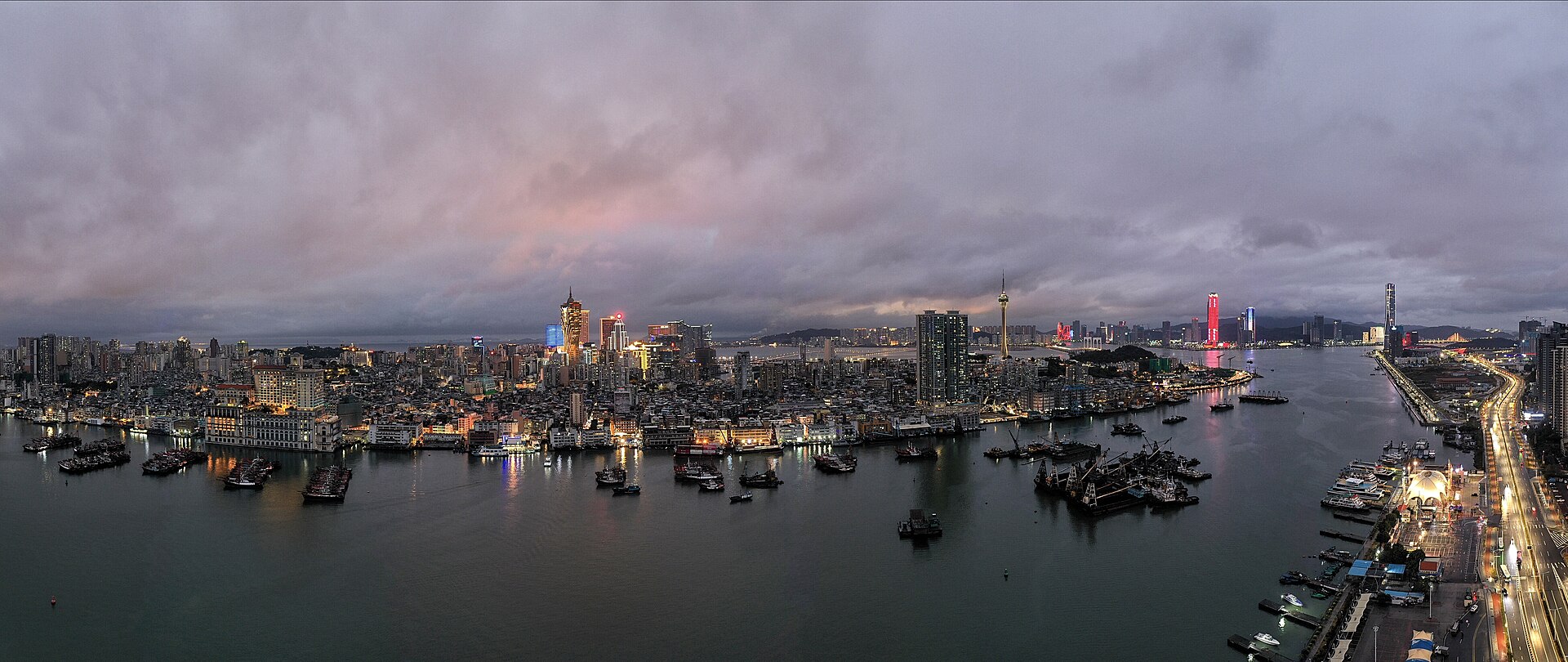
China covers 9.6 million km², third largest of any country, and holds more than 1.4 billion people — about 17 per cent of everyone alive. It is divided into 33...
Photograph · Severin.stalder · CC BY-SA 3.0
Reviewed by Elena Voss · Roavina Travel Editor
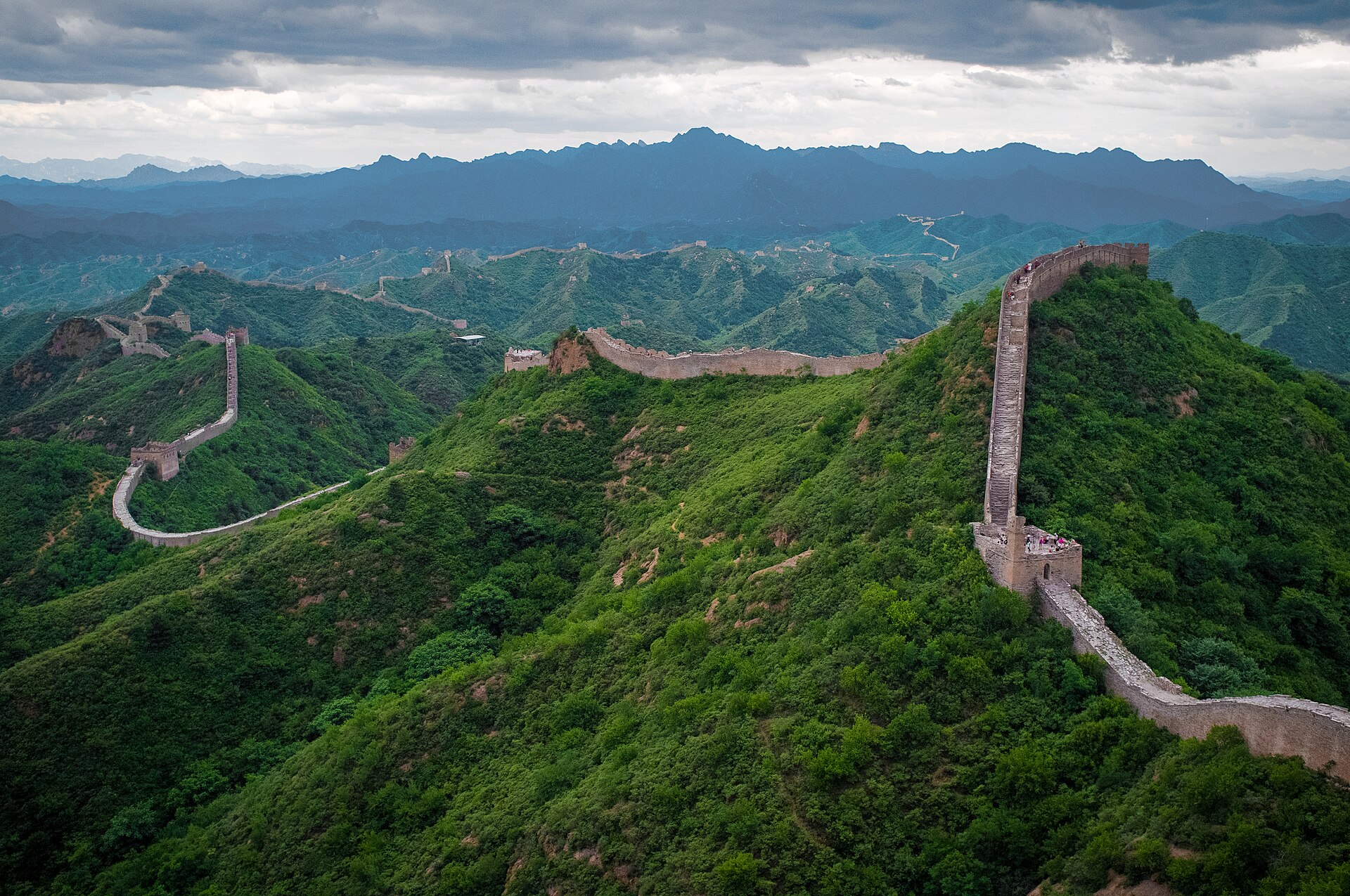
China covers 9.6 million km², third largest of any country, and holds more than 1.4 billion people — about 17 per cent of everyone alive. It is divided into 33 province-level divisions, two of them special administrative regions.
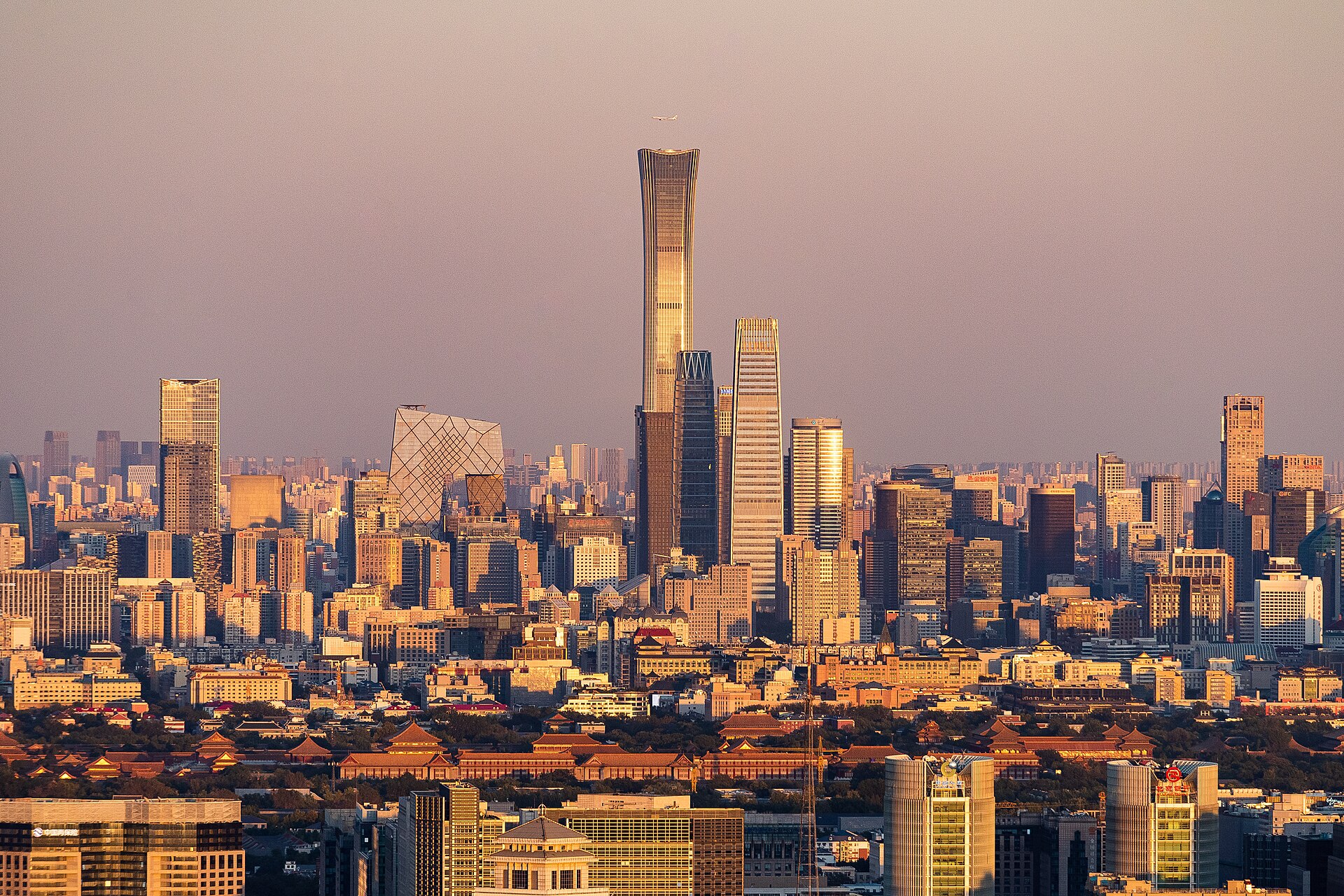
Beijing is the capital; Shanghai is the most populous city by urban area. Between them the land runs from the Central Plain and the Yangtze and Yellow rivers out to desert, plateau, subtropical and temperate forest, and the Himalayas in the southwest. The first decision a visitor makes here is therefore not which sight to see but which climate to travel in.
Checked 2026-08-25
Every city catalogued in this country so far, ranked by how much there is to see.
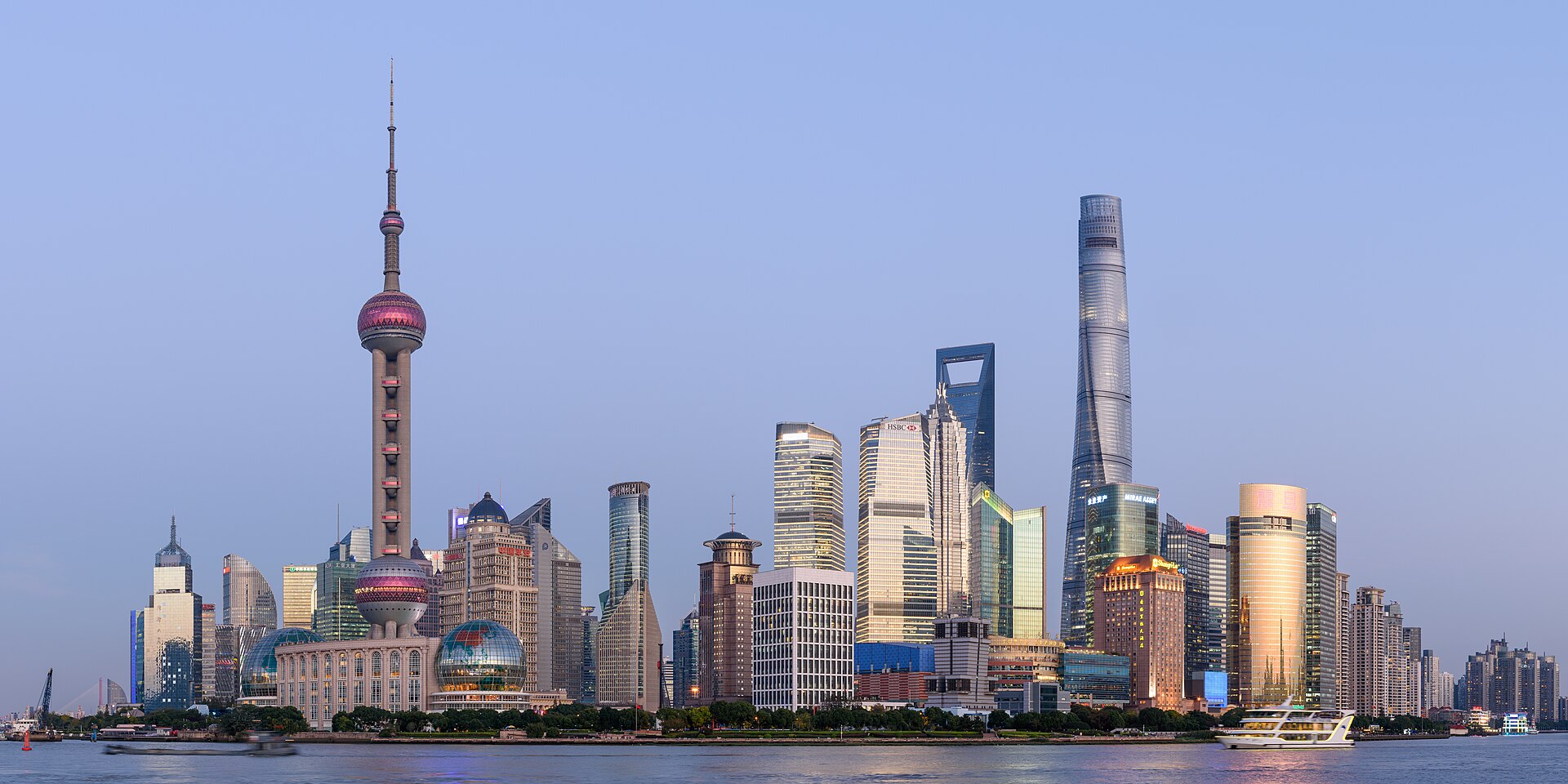
Photograph · N509FZ · CC BY-SA 4.0
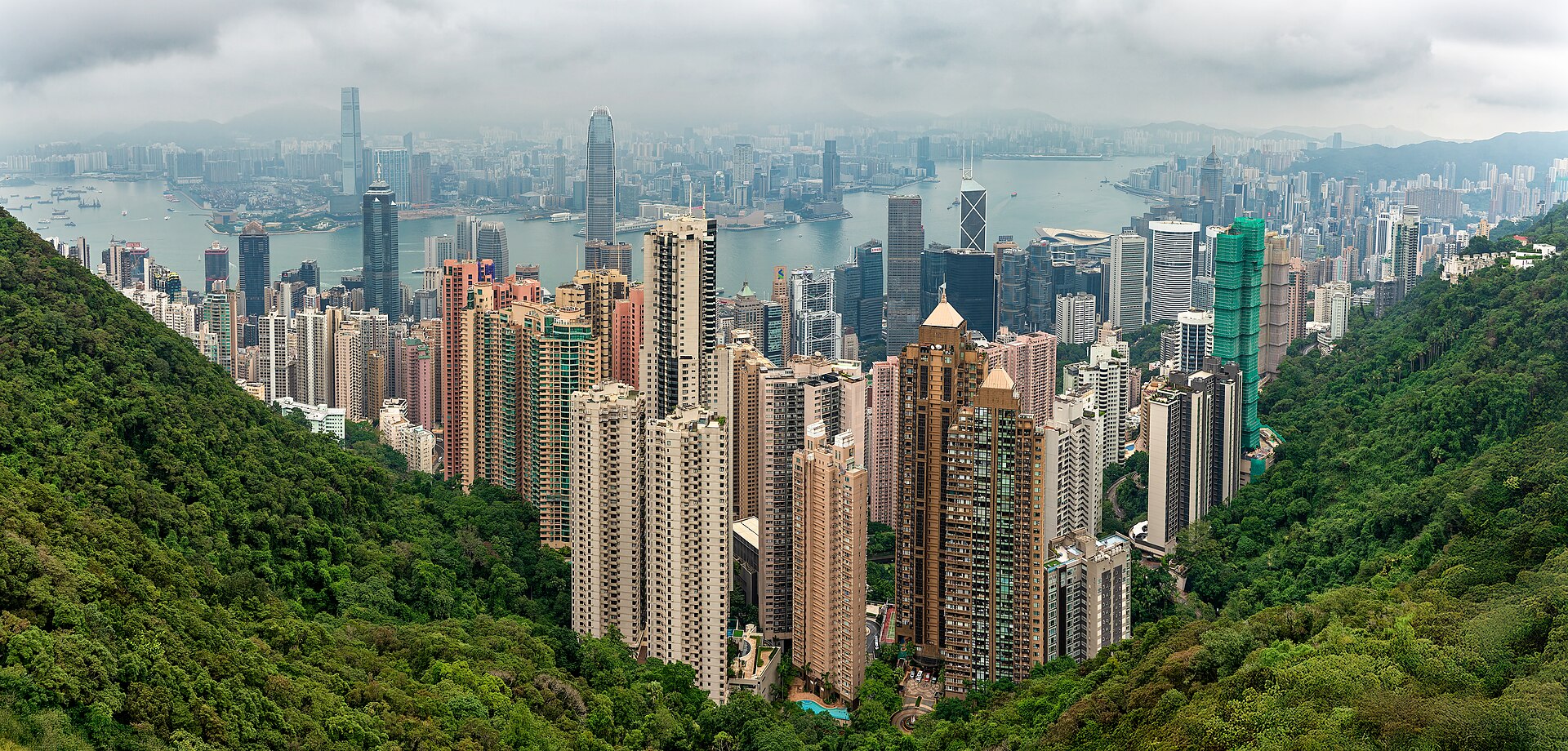
Photograph · King of Hearts · CC BY-SA 4.0
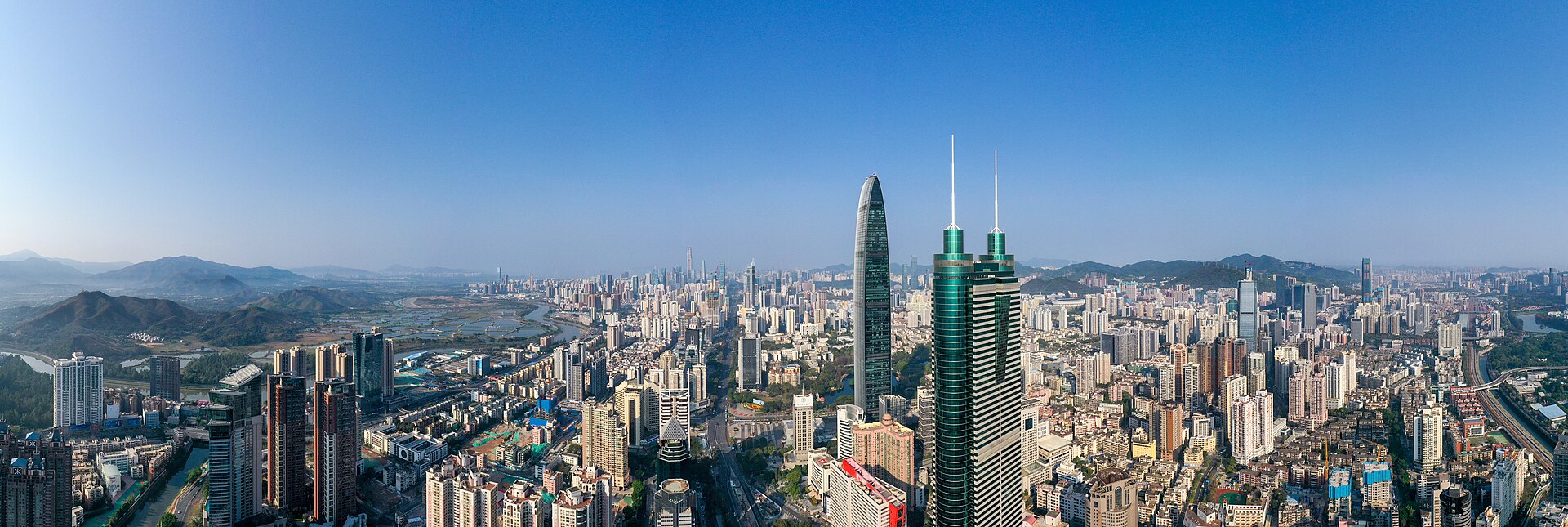
Photograph · Mustang Joe · CC0
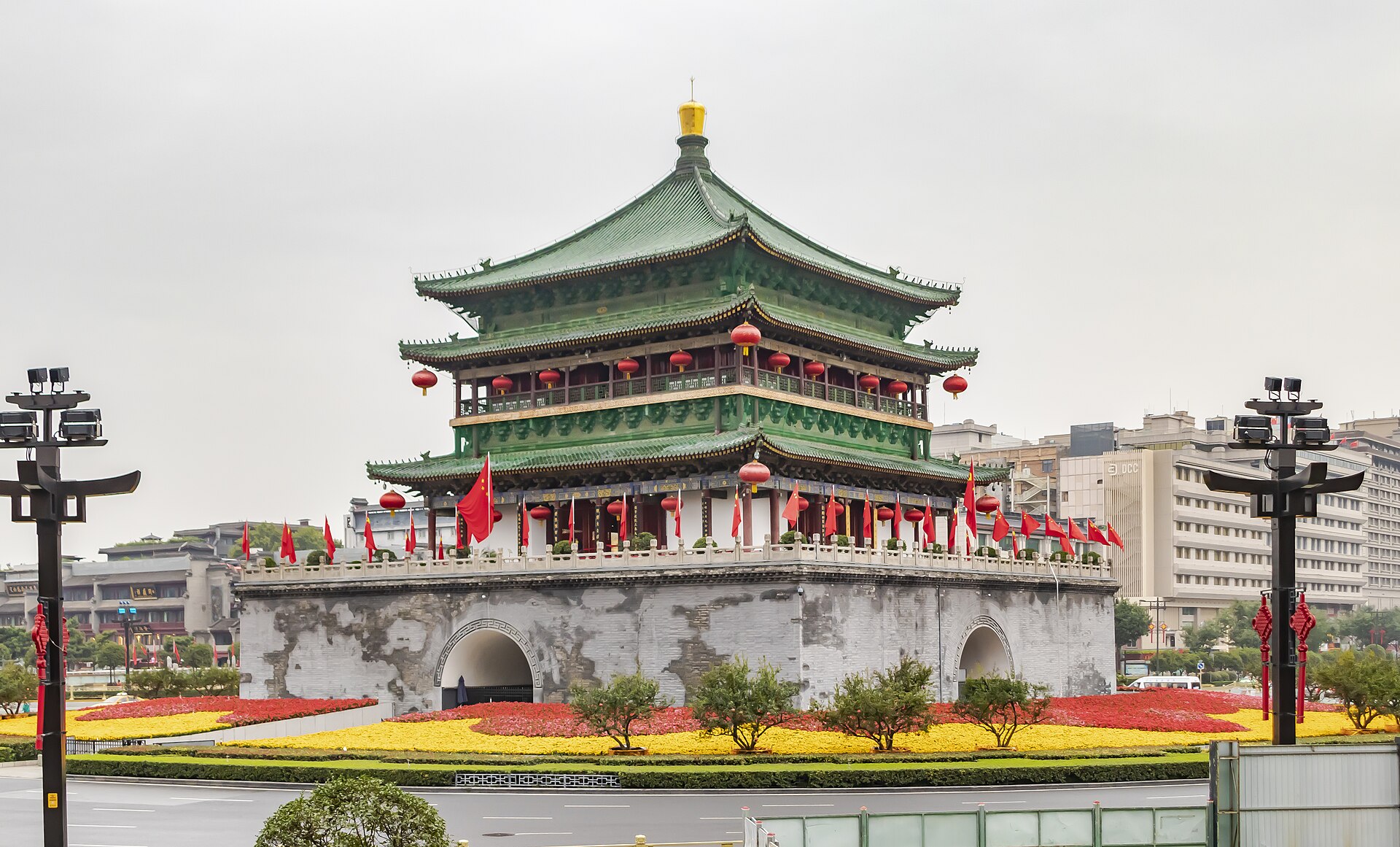
Photograph · Charlie fong · CC BY-SA 4.0
Photograph · ScareCriterion12 · CC BY-SA 4.0
Photograph · Charlie fong · CC BY-SA 4.0
Seasonal closures come from recorded opening hours.
Ranked by importance — sitelinks, pageviews and heritage status, not editor preference.
143 places match
Category
Typical visit duration
Interests
Shanghai Guanfu Museum is a private museum located in Shanghai, China. It was founded by Ma Weidu, a well-known Chinese antique collector and television personality.
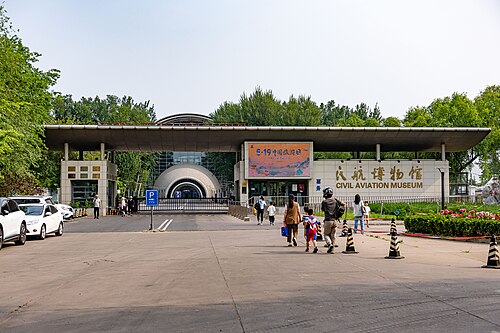
China Civil Aviation Museum documents the development of civil aviation in China through aircraft, engines, equipment, uniforms, documents and operational history. Its engine-shaped main hall and outdoor aircraft apron stand near Capital Airport but are not inside a passenger terminal.
China Archaeological Museum, 中国考古博物馆, is a Beijing institution devoted to archaeology and archaeological heritage. Its focus is the material record of China’s past: excavated objects, the cultures that made them, and the evidence archaeologists use to reconstruct earlier lives.
Tang West Market Museum, 大唐西市博物馆, stands at the site of Xi'an's historic Tang Dynasty western market. The ancient market was part of Chang'an's international commercial life and connected the city with Silk Road exchange.
Xu Beihong Memorial Museum is a Beijing museum devoted to Xu Beihong, the modern Chinese artist celebrated especially for paintings of horses.
Fengjing Ancient Town is a historic water town located in the Jinshan District of southwestern Shanghai. The settlement traces its origins to the Yuan dynasty and developed significantly during the Ming and Qing periods.
The Mei Lanfang Memorial Museum is a cultural memorial site in Beijing dedicated to Mei Lanfang, the celebrated Peking opera artist renowned for his dan roles.
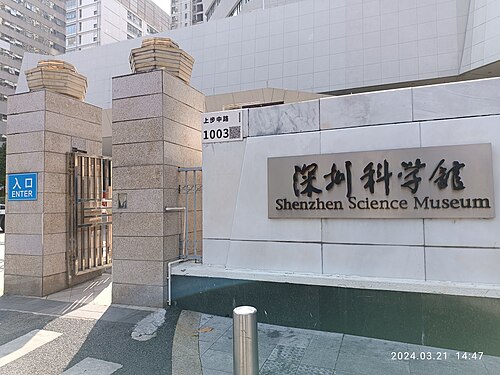
Shenzhen Science Museum, known locally as 深圳科学馆, is a science education venue in Shenzhen. It belongs to the city’s cultural and educational landscape and reflects Shenzhen’s strong connection with technology and scientific learning.
南京博物院
苏州博物馆
苏州丝绸博物馆
Twelve to eighteen days can link Beijing, Xi'an, and Shanghai by high-speed rail, with Shenzhen as a southern extension. Hong Kong and Macao need separate border planning and should not be treated as ordinary domestic stops on the same timetable.
Entry rules differ between mainland China, Hong Kong, and Macao, even within one journey. Check the official immigration authority for every border segment and match the permission to the passport, purpose, and exact itinerary.
High-speed rail and domestic flights cover mainland distances, while metros handle most urban journeys. Hong Kong uses Octopus and separate border controls, and Macao has its own formalities, so prepare payment and identity requirements for each jurisdiction.
April to May and September to October are only broad mainland planning windows. Beijing, Shanghai, the south, Hong Kong, and Macao have different heat, rain, and holiday pressures; the least flexible regional leg should set the dates.
Mainland China uses renminbi (CNY), while Hong Kong and Macao use HKD and MOP. Payment systems and card acceptance differ across those jurisdictions, so prepare the appropriate local method before crossing each border.
On the mainland, save 110 for police and 120 for medical help; Hong Kong and Macao use separate emergency systems. Mainland electricity is recorded as 220 V with Type A, C, and I sockets, while tap-water guidance is not recorded.