
8 min walk
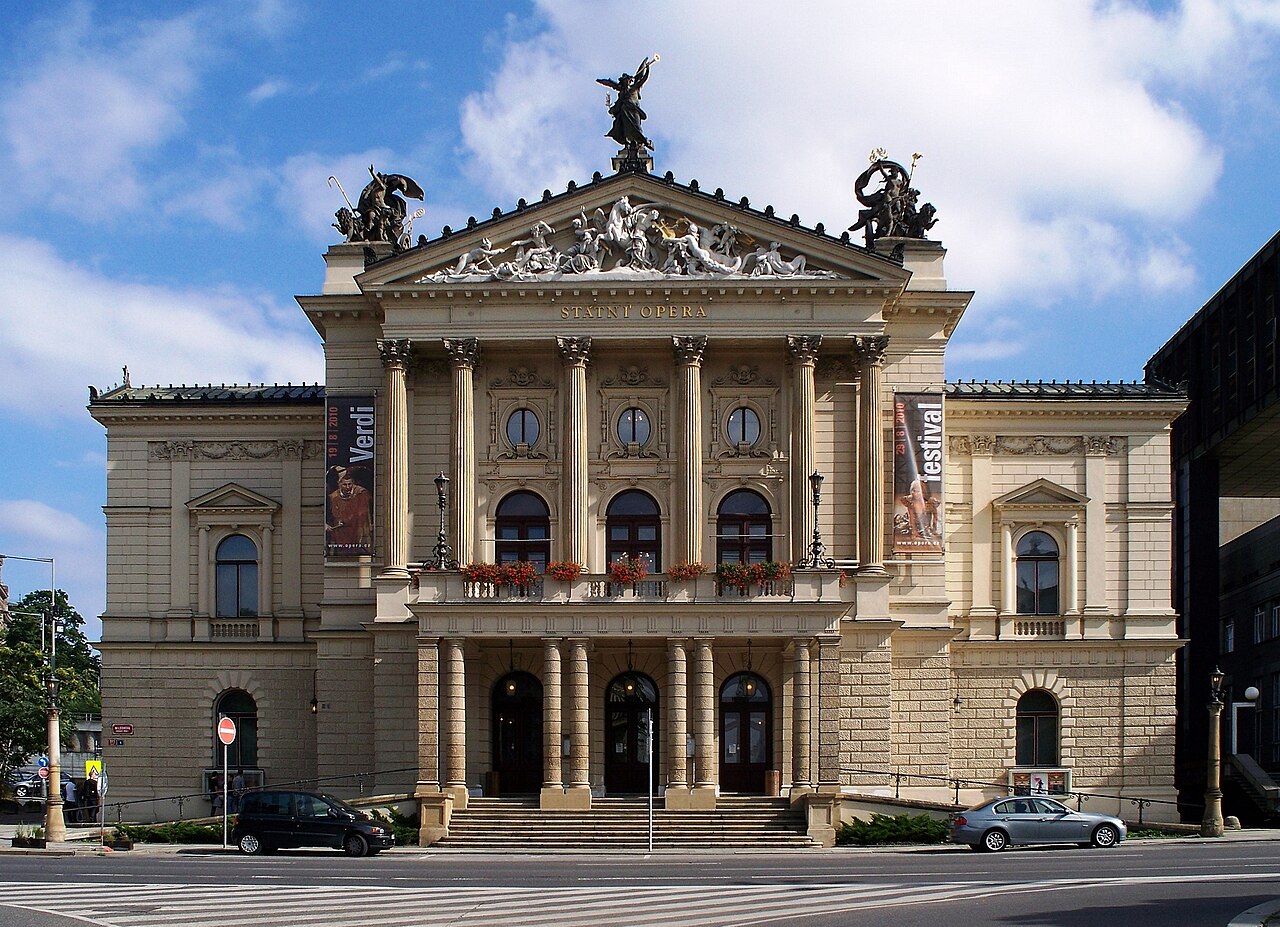
State Opera Prague
- Must see · Heritage site
- Art and culture venue
Place of worship · Prague
svatá Ludmila
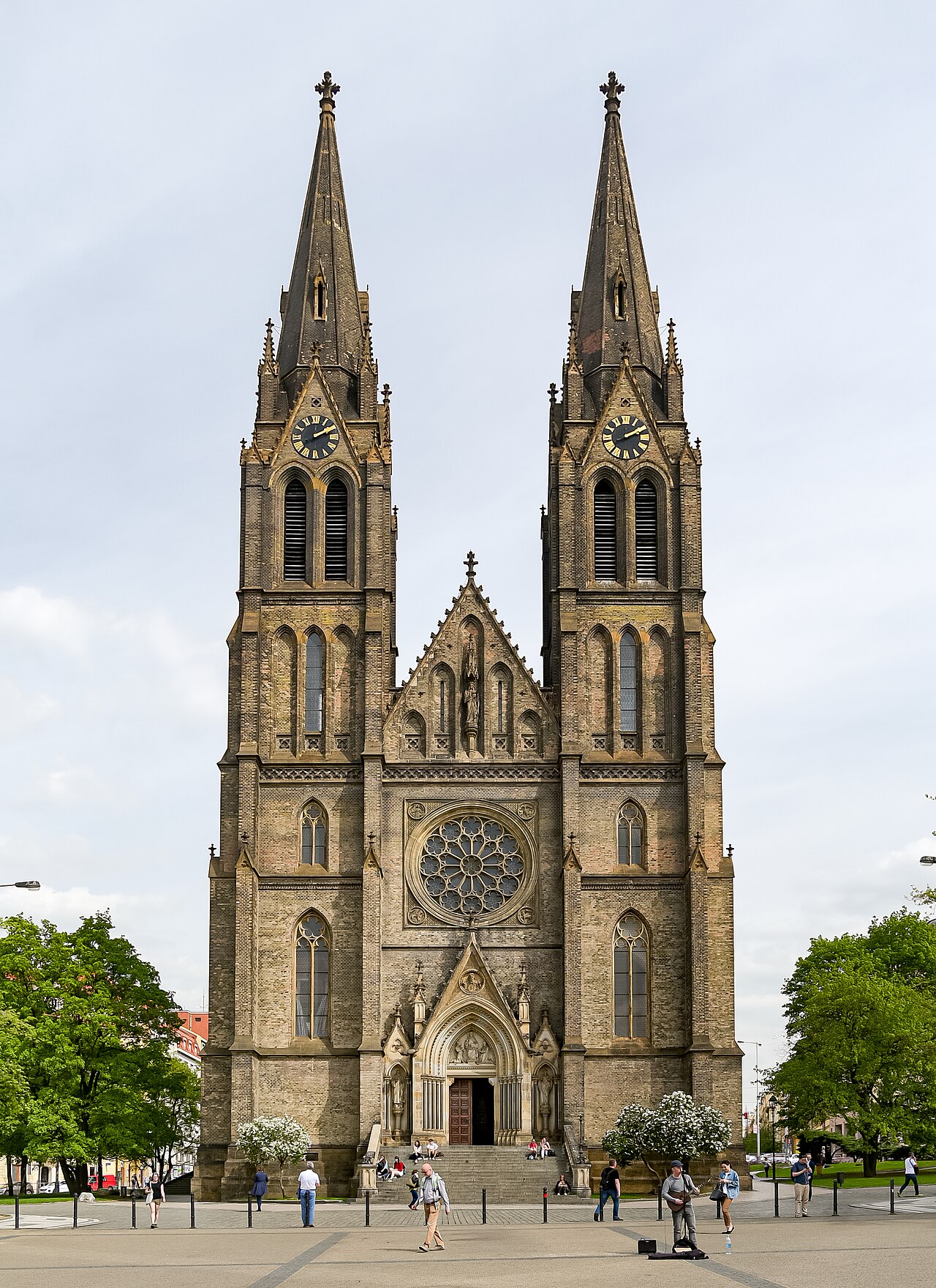
Basilika of St. Ludmila is a prominent neo-Gothic church in Prague’s Vinohrady district, dedicated to Saint Ludmila, the grandmother of Saint Wenceslaus and an important figure in Czech Christian history. Its red-brick mass and twin spires form one of the neighbourhood’s most recognisable landmarks. The building remains an active Catholic place of worship, so a visit combines architectural interest with the atmosphere of a working parish church. It is a neighbourhood destination rather than part of Prague Castle’s cathedral complex, and it fits naturally into a walk through Vinohrady. The Basilika of St. Ludmila is a prominent neo-Gothic church in Prague, dedicated to Saint Ludmila, grandmother of Saint Wenceslaus and a key figure in Czech Christianisation. No. The metropolitan cathedral is Saint Vitus within Prague Castle. The Basilika of St. Ludmila is a parish church in Vinohrady district, architecturally significant but without cathedral status.
Checked 2026-08-26 · Source
Inside, pointed arches, ribbed vaulting and stained-glass windows create the vertical, light-filled character associated with neo-Gothic churches. Biblical and hagiographic scenes appear in the glass, while the main altar and subsidiary chapels contain devotional imagery and sculptural detail. Look for stone carving, decorative metalwork, the organ and memorial elements as you move through the nave, aisles and sanctuary. The interior preserves much of its historic decorative scheme. The setting is devotional rather than theatrical: visitors should explore quietly and allow worshippers to use the church without interruption.
Checked 2026-08-26 · Source
Allow about fifteen minutes to walk around the exterior and take in the façade and twin spires. An interior visit generally suits a further twenty to forty minutes, depending on how closely you study the stained glass, altars and architectural details. The church has no museum-style route, so you can keep the visit short or linger in silence. Including travel from central Prague and a stroll through Vinohrady, the outing usually works as a one- to two-hour part of a wider city day.
Checked 2026-08-26 · Source
Morning and early afternoon are the most suitable parts of the day for combining the church with sightseeing in Vinohrady. The basilica is an active parish, and services, prayer and other religious activities take precedence over casual visits. September has a particular connection with Saint Ludmila, whose memory the church honours, and feast-day activity can change the character of the visit. Summer gives longer daylight for viewing the exterior, while winter’s shorter days favour an itinerary centred on the interior and nearby streets.
Checked 2026-08-26 · Source
The basilica is a parish church rather than a commercial museum or a paid monument complex. Ordinary worship and respectful casual visitation therefore fit a different model from ticketed attractions such as Prague Castle. A voluntary contribution or candle purchase may be part of the church experience. Special concerts or events can have their own arrangements, while ordinary visitors should approach the building as a place of worship. The distinction matters: the value of the visit comes from the architecture, devotional setting and Vinohrady context rather than a formal exhibition ticket.
Checked 2026-08-26 · Source
The basilica stands in Vinohrady, southeast of Prague’s historic centre. Jiřího z Poděbrad metro station on Line A is about a five-minute walk away, and tram routes serve the surrounding streets. From the Old Town, the journey usually takes around fifteen to twenty-five minutes depending on the connection. The church occupies a visible urban intersection, making the twin-spired façade easy to recognise on arrival. Walking from central Prague is possible, though public transport is more practical for most visitors.
Checked 2026-08-26 · Source
Remember that this is an active church: services, private prayer and sacramental moments take priority. Dress that covers shoulders and knees is a considerate choice, and quiet behaviour is essential inside. Floors and thresholds may feel uneven in a historic building. The surrounding area is a normal residential and commercial district, not a controlled monument precinct, so combine the visit with ordinary street awareness. Seating, toilets and visitor interpretation are not part of the church experience described here; plan the stop around the building and its worshipful atmosphere.
Checked 2026-08-26 · Source
The red-brick exterior and twin spires are best photographed from across the adjacent square or a little farther along the surrounding streets, where the full vertical composition fits the frame. Public thoroughfares provide the main exterior viewpoints. Inside, treat photography as secondary to worship and follow any signs or instructions present in the church. Avoid flash and do not use a tripod without permission. Morning light can illuminate the façade, while overcast weather softens contrast across the brickwork and carved details.
Checked 2026-08-26 · Source
It is in Prague’s Vinohrady district, southeast of the historic centre, near Jiřího z Poděbrad metro station on Line A.
The church is neo-Gothic, with red brickwork, pointed arches, ribbed vaulting, stained glass and twin spires.
Saint Ludmila was the grandmother of Saint Wenceslaus and an important figure in the Christian history of Bohemia. The basilica is dedicated to her.
No. Prague’s metropolitan cathedral is Saint Vitus Cathedral within Prague Castle. Basilika of St. Ludmila is a parish church in Vinohrady.
The interior includes stained-glass windows, a main altar, subsidiary chapels, devotional imagery, stone carvings, decorative metalwork, an organ and memorial elements.
Allow about fifteen minutes for the exterior and twenty to forty minutes for an interior visit, then add travel time from central Prague.
Loading the interactive map…
The interactive map could not be loaded.

Last updated:
Source: OpenStreetMap contributors, Wikidata ·