Museum of Czechoslovak Legion
Muzeum Legií
The Museum of Czechoslovak Legion is a Prague institution dedicated to the Czechoslovak Legions, military units that fought alongside Allied forces during World War I.
- High
- Museum
City guide · Czechia
Prague is Czechia's capital, built on both banks of the Vltava. Its historic visitor core links Old Town and New Town on the east bank with Malá Strana and Prag...
Photograph · Deror_avi · CC BY-SA 4.0
Set your days, your pace and the hours you actually want to be out. The planner works around closing days and travel time, and leaves room to eat.
Reviewed by Elena Voss · Roavina Travel Editor
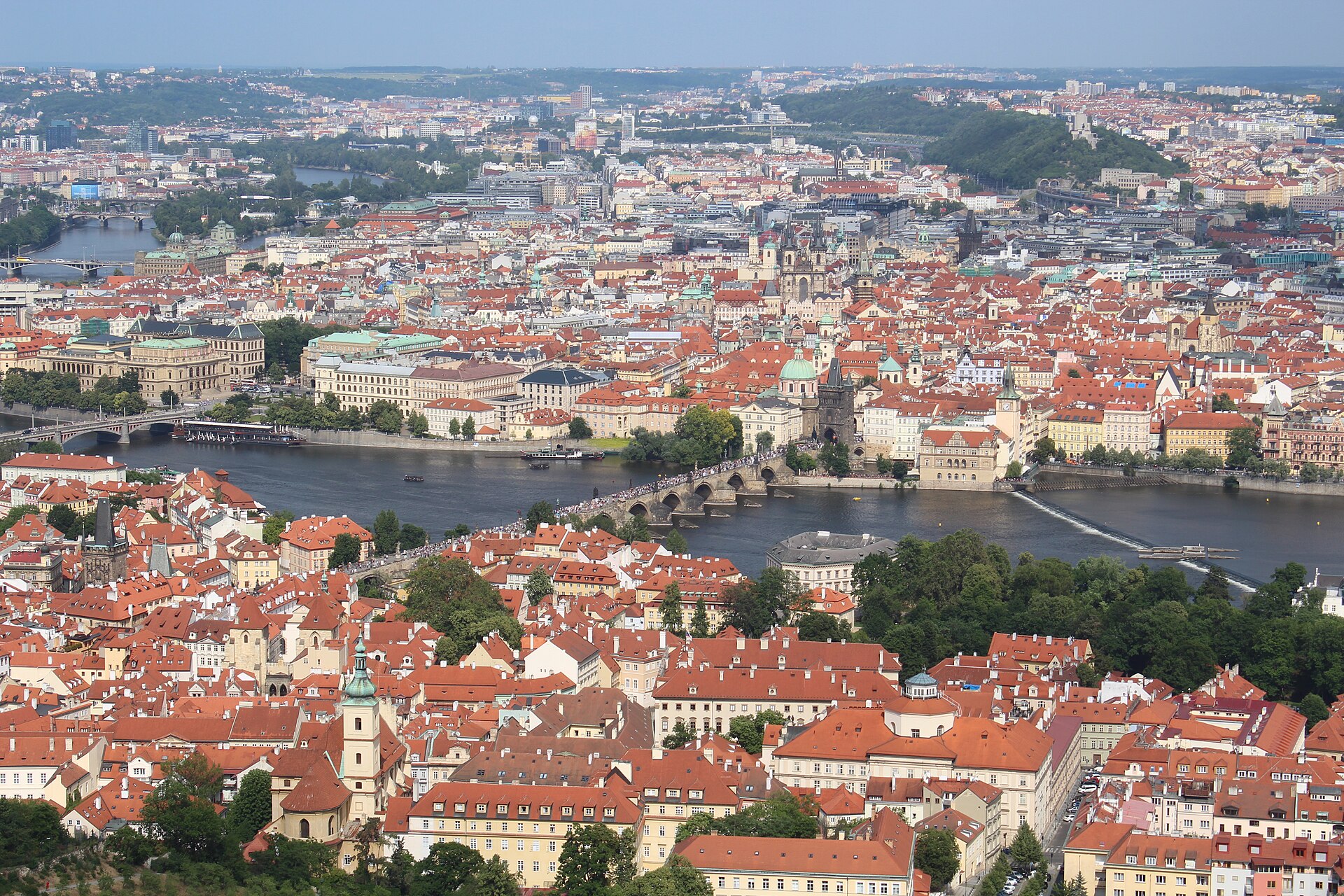
Prague is Czechia's capital, built on both banks of the Vltava. Its historic visitor core links Old Town and New Town on the east bank with Malá Strana and Prague Castle on the west through a sequence of squares, bridges and steep streets. The preserved centre carries medieval, Renaissance, Baroque and later architecture in close succession, while districts such as Holešovice, Karlín and Žižkov reveal the industrial and residential city beyond the postcard core. Most first visits combine walking in the centre with public transport to outer districts.
Checked 2026-08-26
September · September balances a 19.9°C daily maximum and 10.5°C minimum in Prague, with 34.5 mm precipitation.
Ranked by importance — sitelinks, pageviews and heritage status, not editor preference.
61 places match
Category
Typical visit duration
Interests
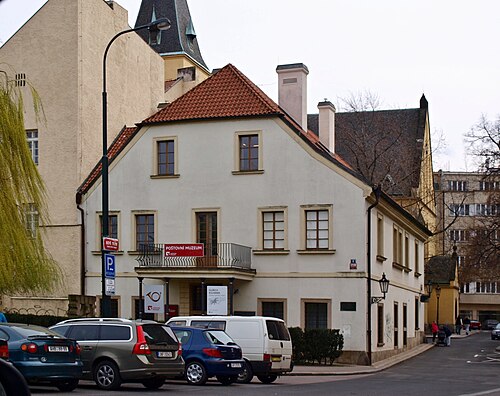
Muzeum Legií
The Museum of Czechoslovak Legion is a Prague institution dedicated to the Czechoslovak Legions, military units that fought alongside Allied forces during World War I.
Muzeum miniatur
Museum of Miniatures in Prague, also recorded locally as Muzeum miniatur, is a specialist Prague attraction devoted to miniature art and visual detail at very small scale.
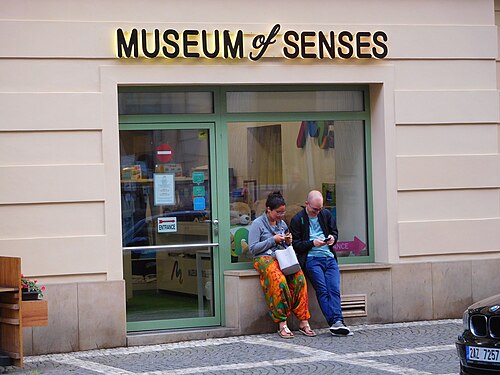
Muzeum smyslů
Museum of Senses, locally called Muzeum smyslů, is an interactive Prague attraction built around human perception.
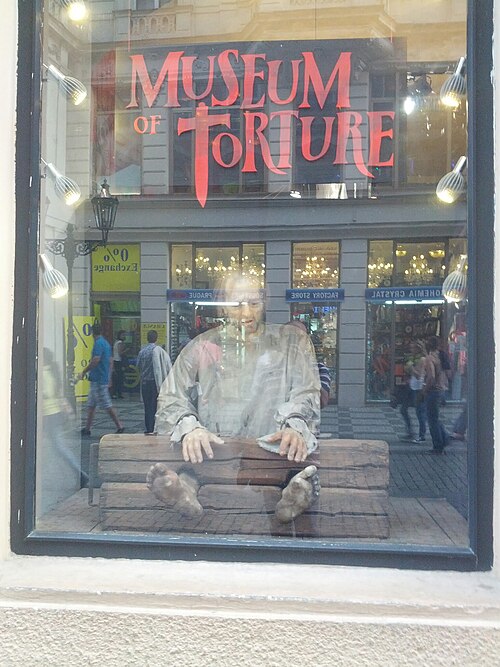
Museum of Torture
Museum of Torture Instruments in Prague is a specialized exhibition space devoted to historical implements associated with punitive practices. The museum also uses the local name Museum of Torture.
Národní pedagogické muzeum a knihovna J. A. Komenského
The Pedagogical Museum of J. A. Comenius in Prague is a cultural institution dedicated to the life and work of John Amos Comenius, a seminal Czech educator and philosopher.
Popmuseum
PopMuseum is a Prague museum focused on popular music history and culture. Its subject broadens the city’s cultural picture beyond classical composers, concert halls and historic architecture.
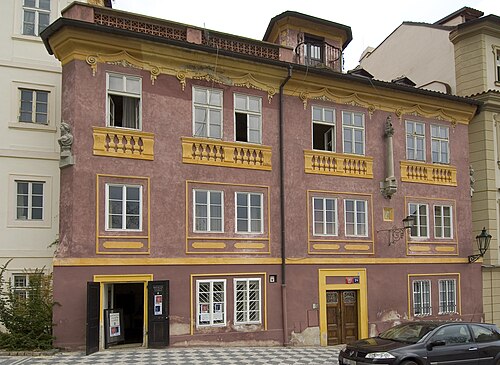
Poštovní muzeum
Postal Museum, also known locally as Poštovní muzeum, is a Prague museum devoted to postal history and philately. Its subject brings together stamps, correspondence, mail services and the material culture of communication.
Galerie Josefa Sudka
Josef Sudek Gallery, also known as Galerie Josefa Sudka, is a Prague photography museum devoted to Josef Sudek, one of the most important Czech photographers of the twentieth century.
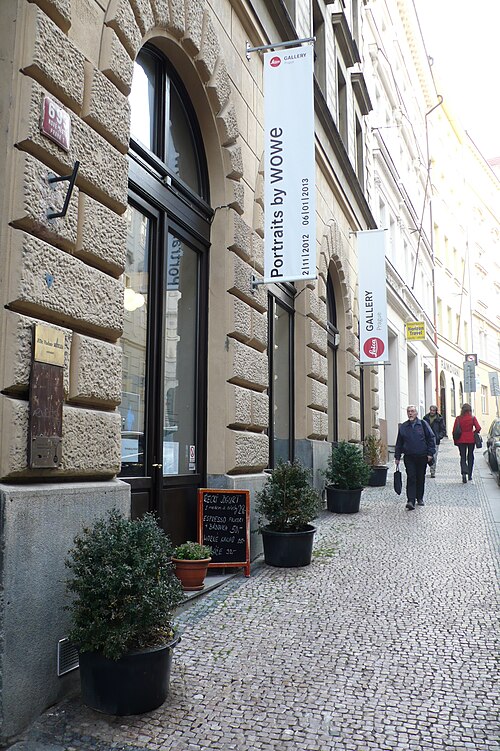
Galerie Leica
Leica Gallery Prague, also called Galerie Leica, is a photography exhibition space in the Czech capital. It operates under the Leica brand, the German camera manufacturer, and brings photography into Prague’s cultural scene.
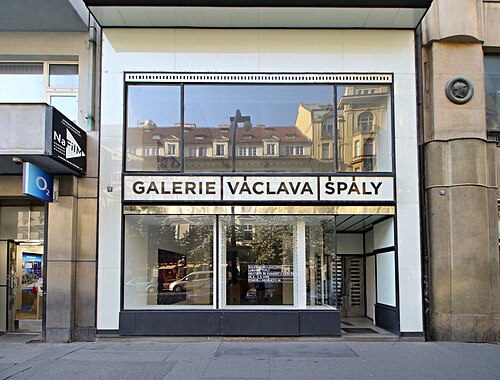
Galerie Václava Špály
The Václav Špála Gallery is a Prague art venue named for the Czech painter Václav Špála.
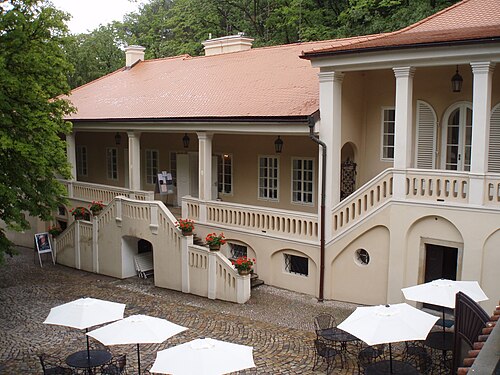
Bertramka is a historic Prague estate associated with Wolfgang Amadeus Mozart. The property offers a music-history visit built around Mozart's connection with Prague, the historic house and its surrounding garden setting.
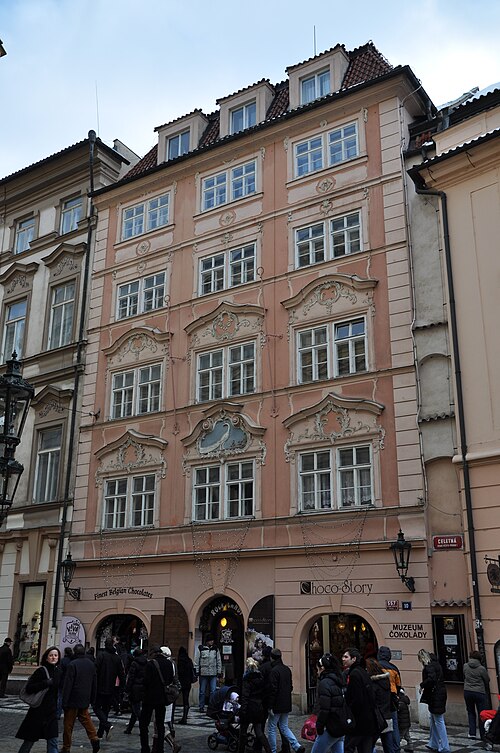
Choco-Story Muzeum čokolády
Choco-Story Prague is a museum devoted to chocolate in the Czech capital. It offers a specialized alternative to Prague's history museums, turning a familiar food into the subject of a cultural visit.
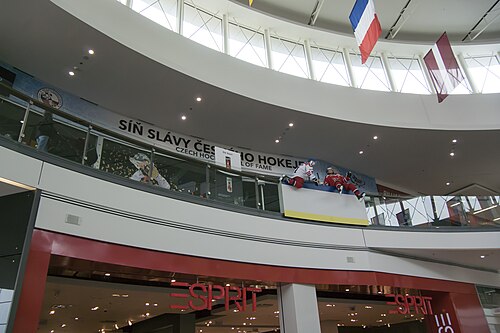
Síň slávy českého hokeje
The Czech Ice Hockey Hall of Fame, locally known as Síň slávy českého hokeje, is a Prague venue dedicated to the history and achievements of Czech ice hockey.
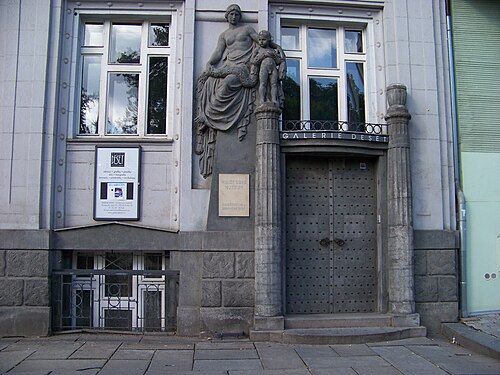
Galerie Deset - Waldesovo muzeum is a cultural institution in Prague. The name connects Galerie Deset, an exhibition space, with Waldesovo muzeum, referencing the legacy of Jindřich Waldes, a notable Czech industrialist and art collector.
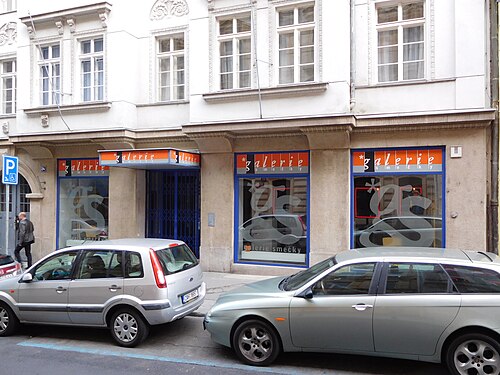
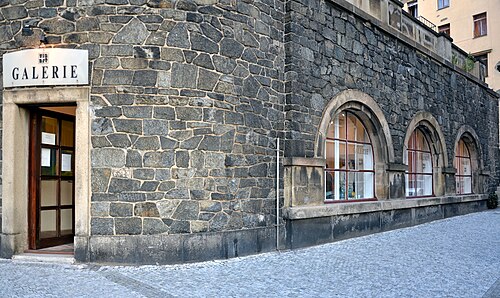
Galerie Smečky is an art gallery in Prague, offering travelers a smaller-scale alternative to the city’s major museums. A gallery visit can add a quieter cultural pause to a day of historic streets and busy landmarks.
Galerie VIA ART
Galerie Via Art is a Prague art gallery and a suitable stop for travelers who want to explore the city’s visual-art scene beyond its most famous museums.
Gorlice is identified as a locality within Prague’s urban area in the Czech Republic.
Obřadní síň
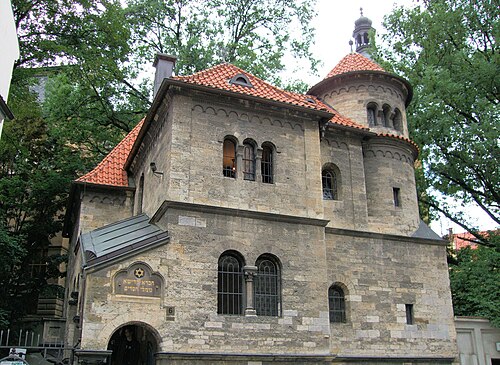
The Jewish Ceremonial Hall is a historic building in Prague's Jewish Quarter, known locally as Obřadní síň. It stands within the broader area of Jewish heritage sites that draw visitors to the city.
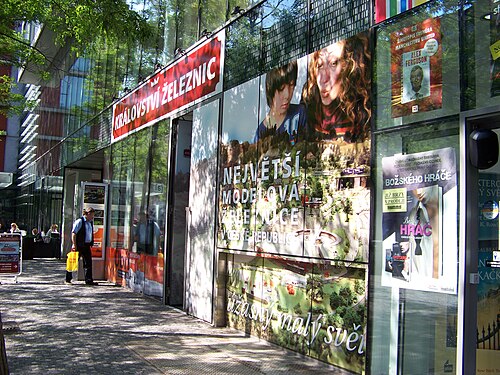
Království železnic
Království železnic is a railway-themed attraction in Prague, Czech Republic. Its name means Kingdom of Railways in English.
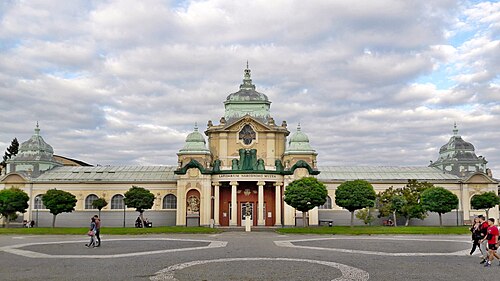
Lapidárium Národního muzea
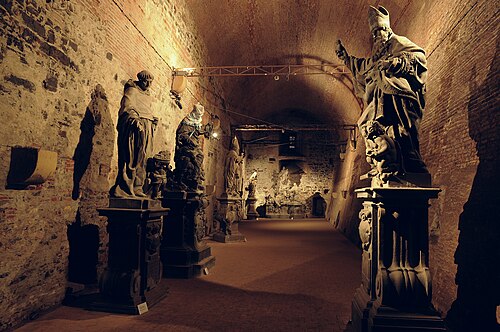
Lapidárium Národního muzea is a lapidarium, a museum of stone monuments and architectural fragments, located in Prague. It forms part of the National Museum complex and houses significant collections of Czech sculptural heritage.
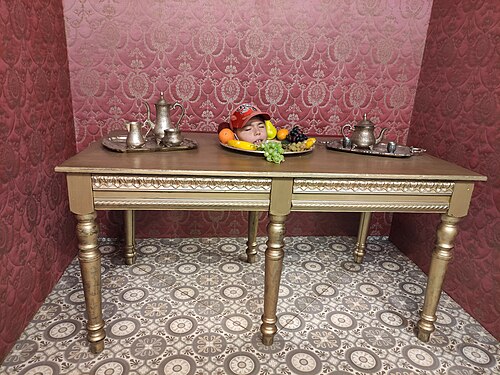
Muzeum fantastických iluzí is a Prague attraction devoted to visual situations that make familiar rules feel impossible. The Czech name translates as Museum of Fantastic Illusions.
Gingerbread Museum
The Gingerbread Museum at Nerudova 9 is a visitor-relevant point of interest in Prague's Malá Strana district.
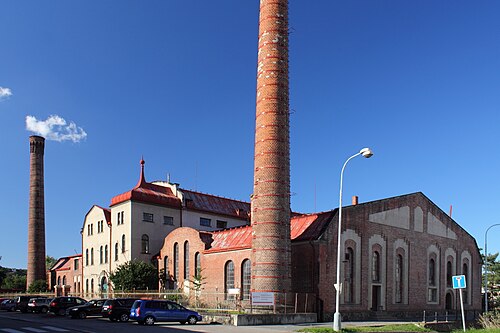
Stará čistírna odpadních vod;Stará čistírna odpadních vod v Bubeneči
Old Sewage Plant in Bubeneč is a preserved former wastewater treatment facility in Prague’s northern Bubeneč district.
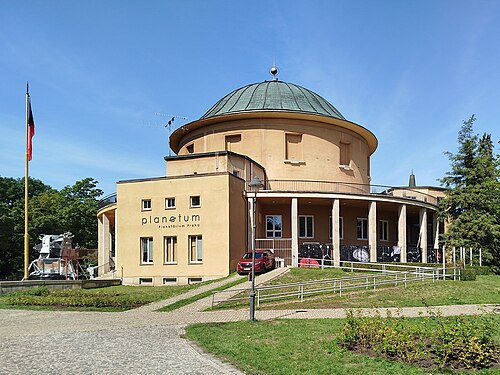
Planetárium
Planetárium Praha is an astronomy and public education venue in Prague, Czech Republic. Its central experience is a simulated sky presented beneath a domed ceiling, allowing visitors to explore stars, planets, and celestial phenomena in an immersive setting.
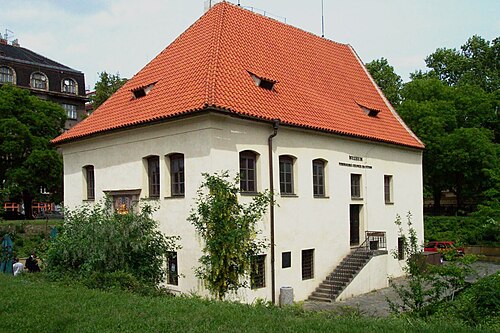
Podskalská celnice na Výtoni
Podskalská celnice na Výtoni is a historic customs house beside the Vltava River on Prague’s Výtoň embankment. Its purpose was linked to regulating riverborne trade and the movement of goods into and out of the city.
The Vltava and the ridge below Prague Castle organise the centre. Old Town Square, the Jewish Quarter and Wenceslas Square sit east of the river; Charles Bridge crosses to Malá Strana, where streets climb toward the castle. New Town wraps around the medieval core rather than forming a separate modern centre. Beyond it, Holešovice lies north, Karlín northeast and Žižkov east of the central station. These outer districts are best treated as individual routes, while Old Town, Charles Bridge and Malá Strana can be joined on foot if steep sections are manageable.
Checked 2026-08-26
Walk through the historic centre and use Prague Integrated Transport for longer or steeper journeys. Metro, trams, buses, trains and ferries operate within the integrated system; the three colour-coded metro lines form its backbone and trams are especially useful across the central districts. Ticket validity is time-based and transfers are allowed within the ticket period. Paper tickets that require validation must be stamped once at the start, not again during transfers. Consult PID or Prague City Tourism for current fares, disruptions and accessibility details.
Checked 2026-08-26
A fixed stay length is not recorded. Divide the visit between Old Town and New Town, the west-bank castle and Malá Strana, then an outer district such as Holešovice, Karlín or Žižkov.
Prague Castle and Malá Strana are on the west bank of the Vltava. Old Town, the Jewish Quarter, New Town and the main railway station are on the east side.
Use the metro for longer cross-city links and trams for many central and hillside routes. Walking remains the best way to connect sights inside the historic core.
Ticket validity is based on time rather than the number of transfers. A paper ticket that requires validation is stamped once at the beginning and not stamped again when changing services.
No. Old Town is comparatively level, but routes through Malá Strana toward Prague Castle climb. Use a tram when steep streets or mobility constraints make the full walk unsuitable.