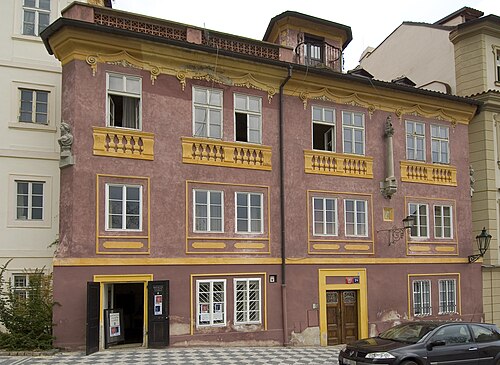
Josef Sudek Gallery
Galerie Josefa Sudka
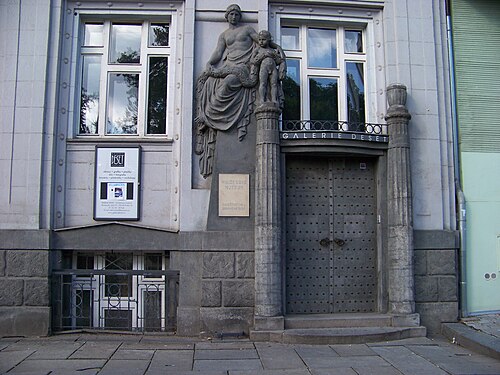
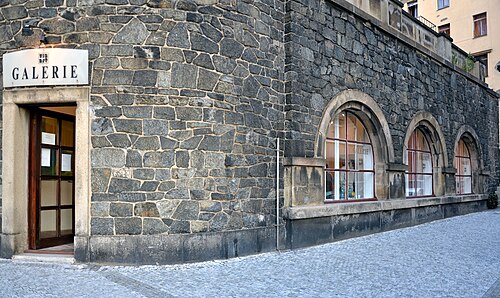
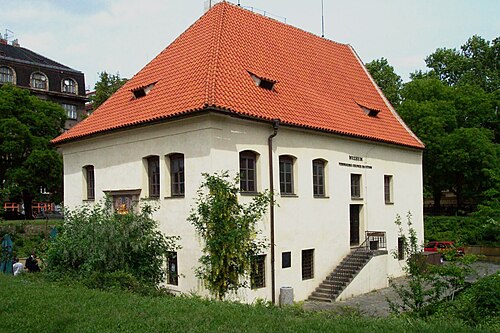
Josef Sudek Gallery, also known as Galerie Josefa Sudka, is a Prague photography museum devoted to Josef Sudek, one of the most important Czech photographers of the twentieth century.
- High
- Museum
- Prague
Country guide
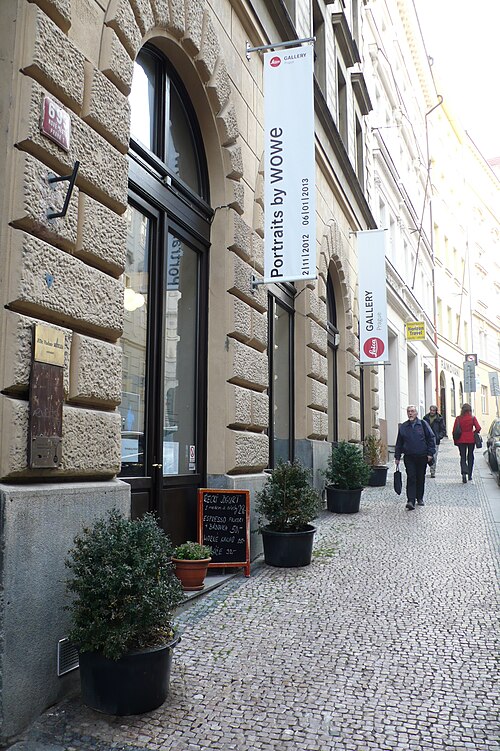
Czechia is landlocked and hilly, 78,871 km² bordered by Germany to the west, Poland to the northeast, Slovakia to the southeast and Austria to the south, under...
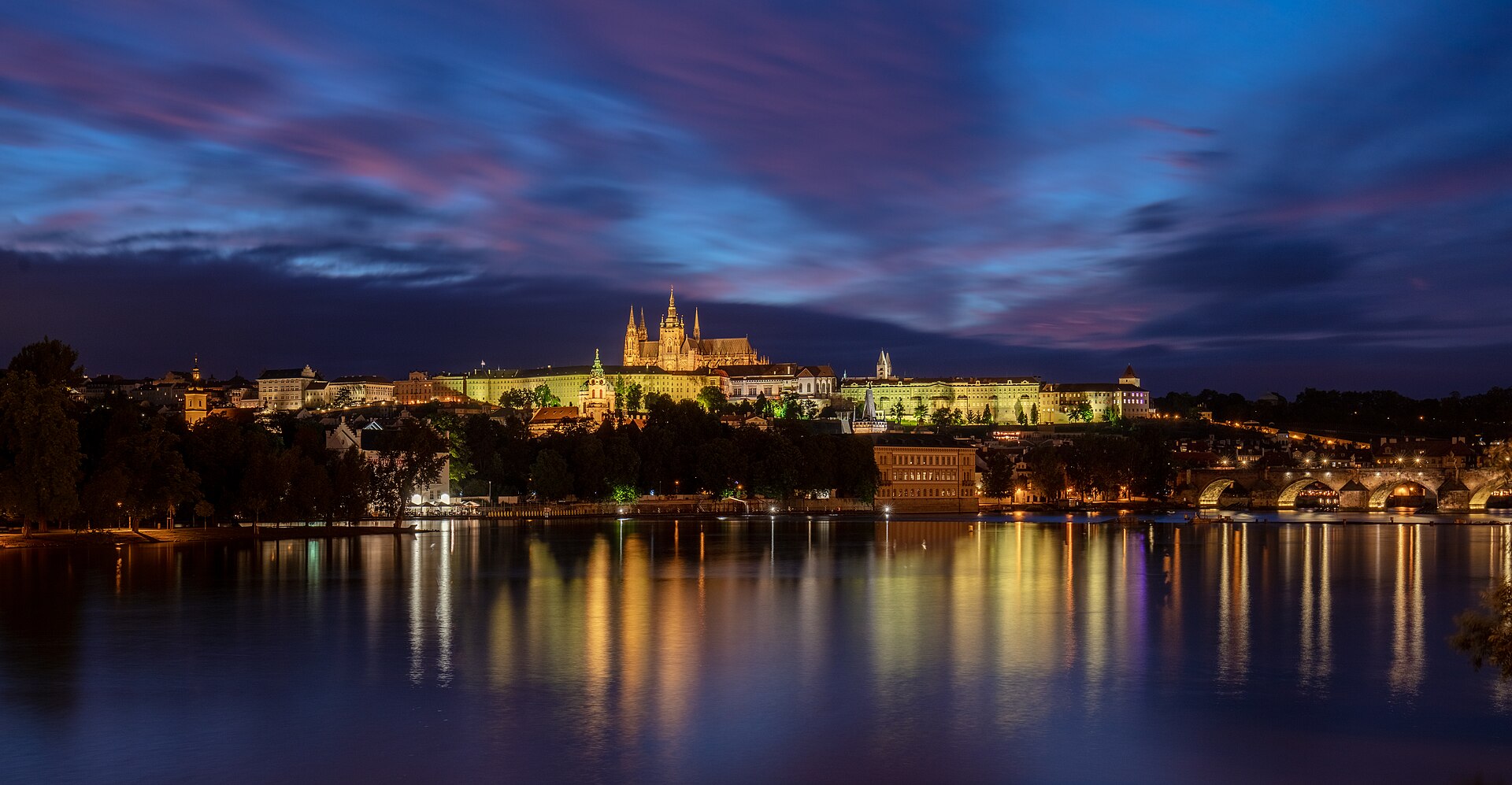
Photograph · Diego Delso · CC BY-SA 4.0
Reviewed by Elena Voss · Roavina Travel Editor
Czechia is landlocked and hilly, 78,871 km² bordered by Germany to the west, Poland to the northeast, Slovakia to the southeast and Austria to the south, under a mostly temperate continental climate.
Prague is the capital and the largest city, and it is the name most readers arrive with; Brno, Ostrava, Plzeň and Liberec are the other urban centres. The country answers to three names — Czechia, the Czech Republic, and historically Bohemia, the duchy founded in the late 9th century that was recognised as an Imperial Estate of the Holy Roman Empire in 1002 and became a kingdom in 1198.
Checked 2026-08-25
Every city catalogued in this country so far, ranked by how much there is to see.
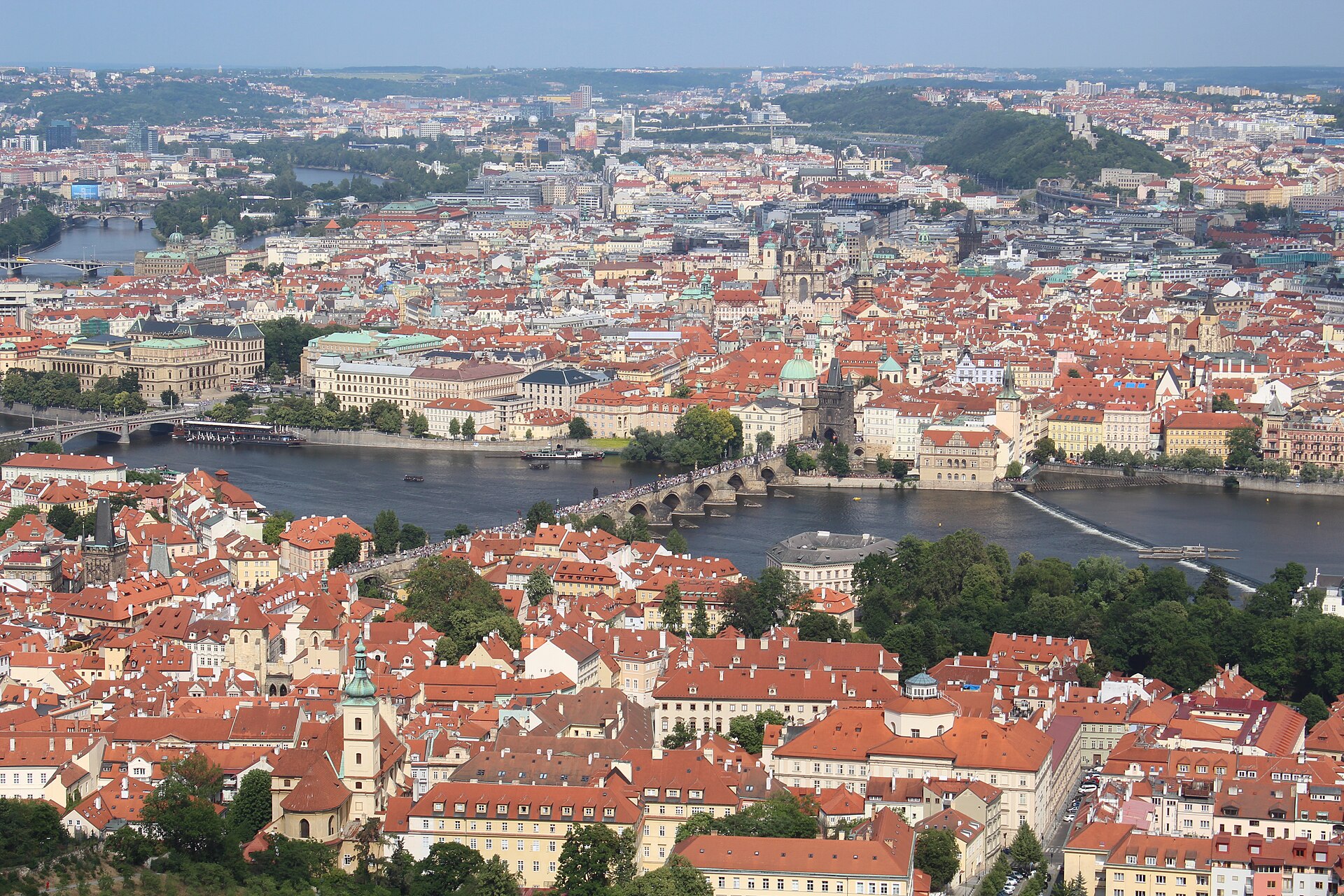
Photograph · Deror_avi · CC BY-SA 4.0
Ranked by importance — sitelinks, pageviews and heritage status, not editor preference.
100 places match
Category
Typical visit duration
Interests
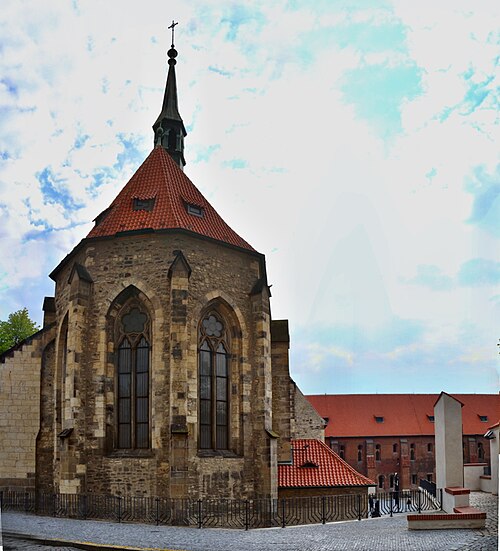
Galerie Josefa Sudka
Josef Sudek Gallery, also known as Galerie Josefa Sudka, is a Prague photography museum devoted to Josef Sudek, one of the most important Czech photographers of the twentieth century.
Galerie Leica
Leica Gallery Prague, also called Galerie Leica, is a photography exhibition space in the Czech capital. It operates under the Leica brand, the German camera manufacturer, and brings photography into Prague’s cultural scene.
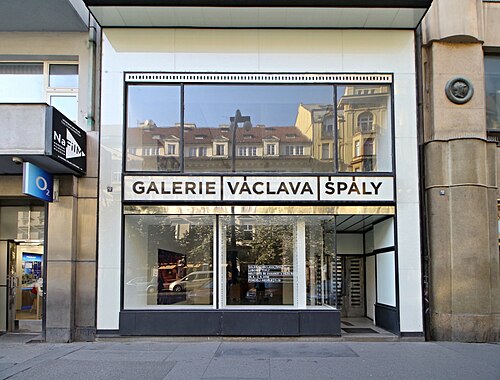
Galerie Václava Špály
The Václav Špála Gallery is a Prague art venue named for the Czech painter Václav Špála.
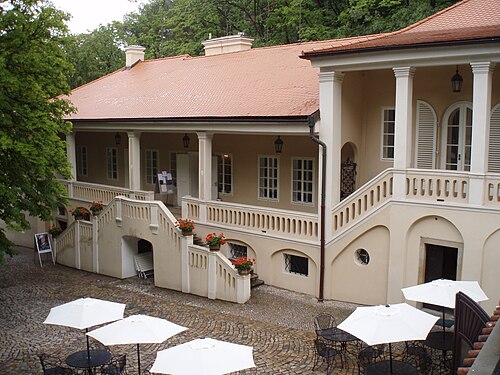
Bertramka is a historic Prague estate associated with Wolfgang Amadeus Mozart. The property offers a music-history visit built around Mozart's connection with Prague, the historic house and its surrounding garden setting.
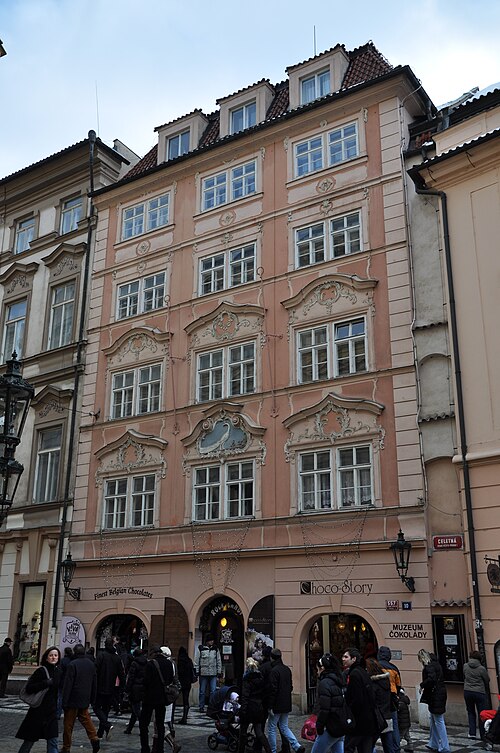
Choco-Story Muzeum čokolády
Choco-Story Prague is a museum devoted to chocolate in the Czech capital. It offers a specialized alternative to Prague's history museums, turning a familiar food into the subject of a cultural visit.
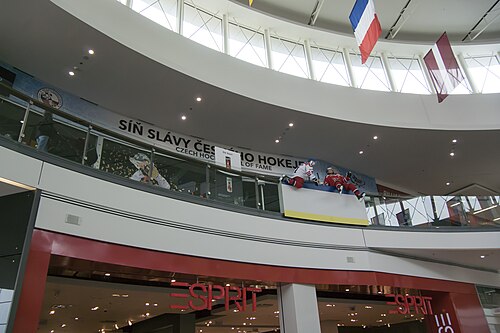
Síň slávy českého hokeje
The Czech Ice Hockey Hall of Fame, locally known as Síň slávy českého hokeje, is a Prague venue dedicated to the history and achievements of Czech ice hockey.
Galerie Deset - Waldesovo muzeum
Galerie Deset - Waldesovo muzeum is a cultural institution in Prague. The name connects Galerie Deset, an exhibition space, with Waldesovo muzeum, referencing the legacy of Jindřich Waldes, a notable Czech industrialist and art collector.
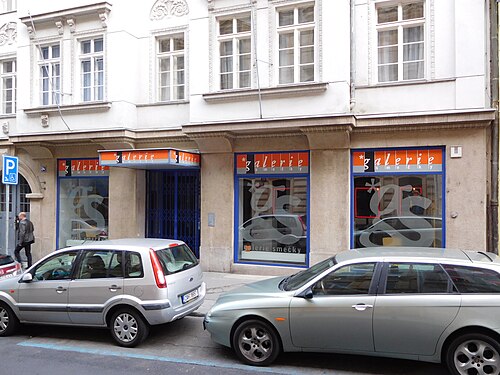
Galerie Smečky is an art gallery in Prague, offering travelers a smaller-scale alternative to the city’s major museums. A gallery visit can add a quieter cultural pause to a day of historic streets and busy landmarks.
Galerie VIA ART
Galerie Via Art is a Prague art gallery and a suitable stop for travelers who want to explore the city’s visual-art scene beyond its most famous museums.
Gorlice is identified as a locality within Prague’s urban area in the Czech Republic.
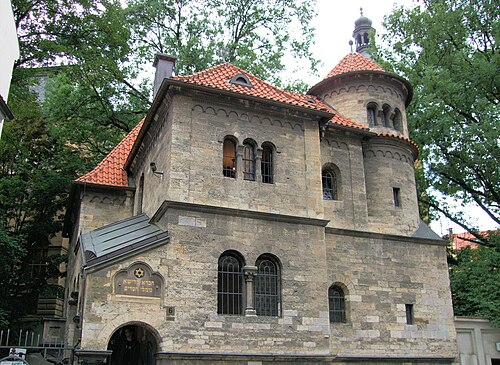
Obřadní síň
The Jewish Ceremonial Hall is a historic building in Prague's Jewish Quarter, known locally as Obřadní síň. It stands within the broader area of Jewish heritage sites that draw visitors to the city.
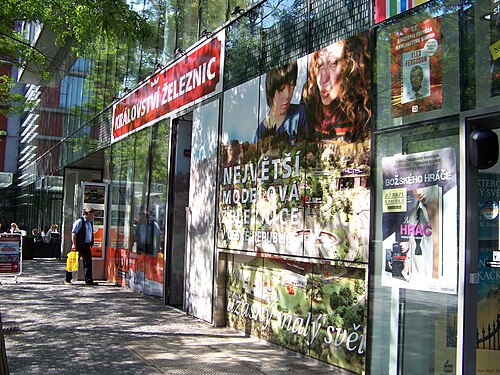
Království železnic
Království železnic is a railway-themed attraction in Prague, Czech Republic. Its name means Kingdom of Railways in English.
Lapidárium Národního muzea
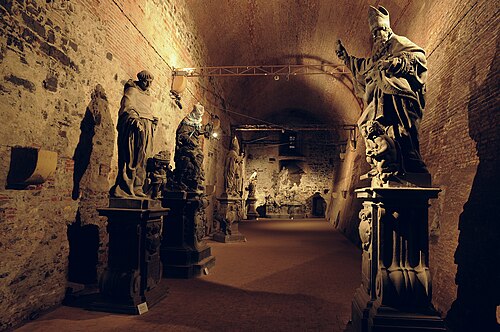
Lapidárium Národního muzea is a lapidarium, a museum of stone monuments and architectural fragments, located in Prague. It forms part of the National Museum complex and houses significant collections of Czech sculptural heritage.
svatý František
The Monastery Church of Saint Francis of Assisi is a Franciscan monastery church in Prague. It is an active religious setting as well as a place of architectural and cultural interest.
svatý Salvátor
The Monastery Church of the Divine Saviour, known locally as Svatý Salvátor, is a religious building in Prague. It forms part of the city’s extensive ecclesiastical heritage and represents the monastic tradition that has influenced Czech religious and architectural history.
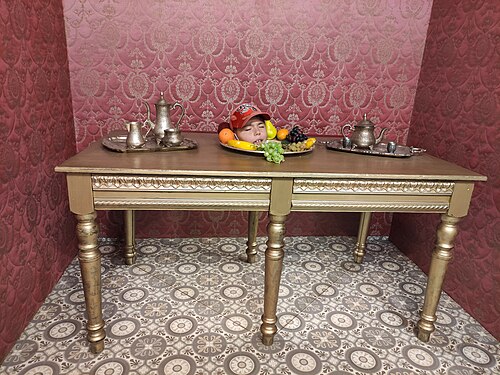
Muzeum fantastických iluzí
Muzeum fantastických iluzí is a Prague attraction devoted to visual situations that make familiar rules feel impossible. The Czech name translates as Museum of Fantastic Illusions.
Gingerbread Museum
The Gingerbread Museum at Nerudova 9 is a visitor-relevant point of interest in Prague's Malá Strana district.
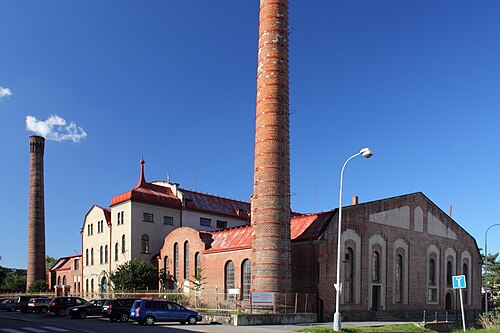
Stará čistírna odpadních vod;Stará čistírna odpadních vod v Bubeneči
Old Sewage Plant in Bubeneč is a preserved former wastewater treatment facility in Prague’s northern Bubeneč district.
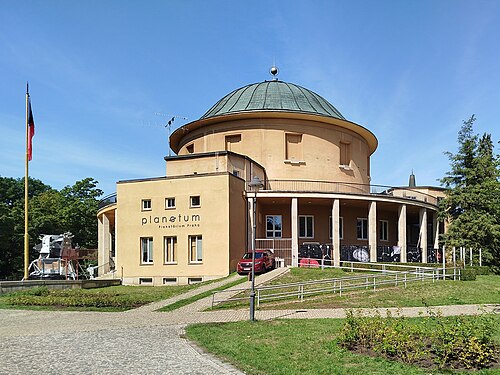
Planetárium
Planetárium Praha is an astronomy and public education venue in Prague, Czech Republic. Its central experience is a simulated sky presented beneath a domed ceiling, allowing visitors to explore stars, planets, and celestial phenomena in an immersive setting.
Podskalská celnice na Výtoni
Podskalská celnice na Výtoni is a historic customs house beside the Vltava River on Prague’s Výtoň embankment. Its purpose was linked to regulating riverborne trade and the movement of goods into and out of the city.
Speculum Alchemiæ Prague
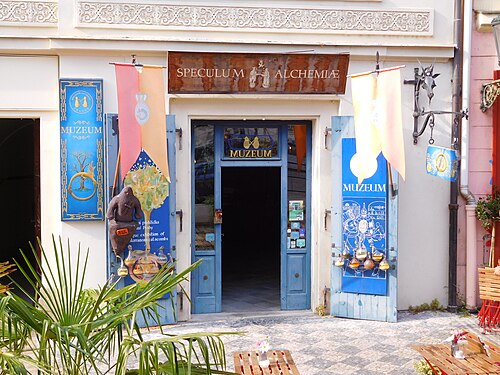
Speculum Alchemiae is a small specialist museum in Prague’s historic center devoted to alchemy, the medieval practice that helped shape the development of modern chemistry.
Ateliér Josefa Sudka
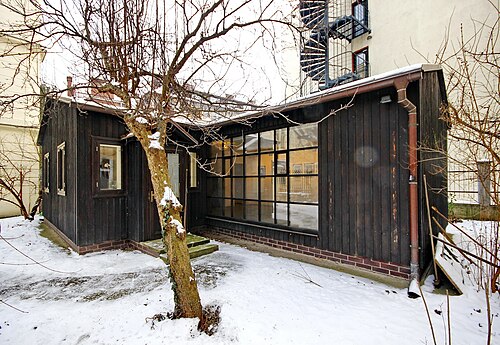
The Josef Sudek Studio is a museum and gallery dedicated to the life and work of Josef Sudek, one of the most celebrated Czech photographers of the twentieth century.
Trabant muzeum Praha Motol
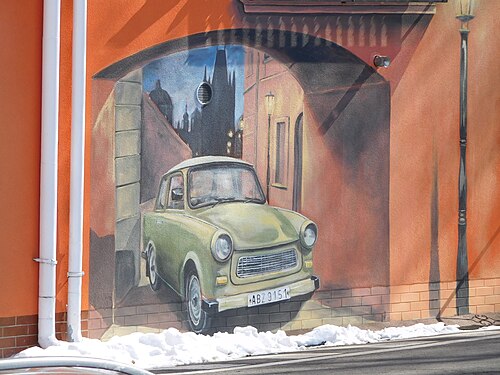
The Trabant muzeum Praha Motol is a museum in Prague dedicated to the Trabant, the iconic East German automobile produced from 1957 to 1991.
Müllerova vila
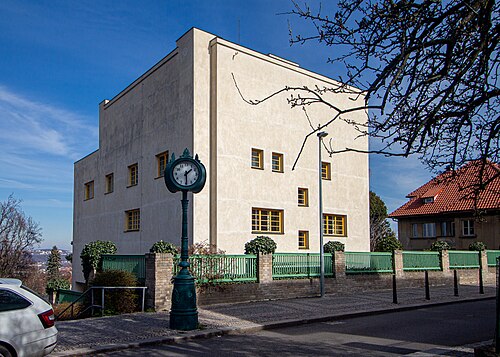
Villa Müller is an interwar house museum in Prague 6, commissioned by František Müller and designed by Adolf Loos with Karel Lhota. The architects worked on the house from 1928 to 1930.
Rothmayerova vila
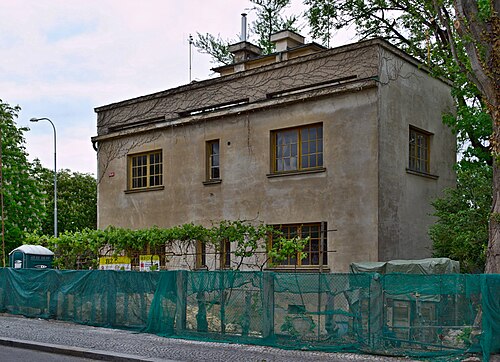
Villa Rothmayer, known locally as Rothmayerova vila, stands as a notable architectural work in Prague. The villa was designed by Otto Rothmayer, a prominent Czech architect who collaborated with the renowned Slovene architect Jože Plečnik.
Six to eight days can divide time between Prague and one extension such as Brno, Olomouc, Český Krumlov, or Kutná Hora. Český Krumlov benefits from an overnight, whereas Kutná Hora is a practical day trip.
Czechia is in the Schengen Area, but the required documents depend on nationality. Check the Ministry of Foreign Affairs or official VisitCzechia entry guidance for the current visa and passport rule.
Václav Havel Airport is the main gateway, and a dense rail network plus intercity buses links the country. Urban tickets may require validation, while long-distance tickets can be service-specific, so treat them as separate products.
April to June and September to October are broad city-and-rail planning windows. Rural castles may follow seasonal schedules, so verify those dates before building a route around them.
Czechia uses the Czech koruna (CZK), not the euro. Keep some koruna for smaller transactions and confirm that card terminals charge CZK rather than offering an unexamined conversion.
In Czechia, 112 reaches the emergency services. The grid delivers 230 V through Type C and E sockets. Water potability has no recorded value in this guide; verify it with the local authority for the place being visited.