


.jpg)
109 min walk
The Blue Planet
- Must see
- Family attraction
Language · 11 published
Historic monument · Copenhagen
Reviewed by Elena Voss · Roavina Travel Editor
This place is a Attraction.
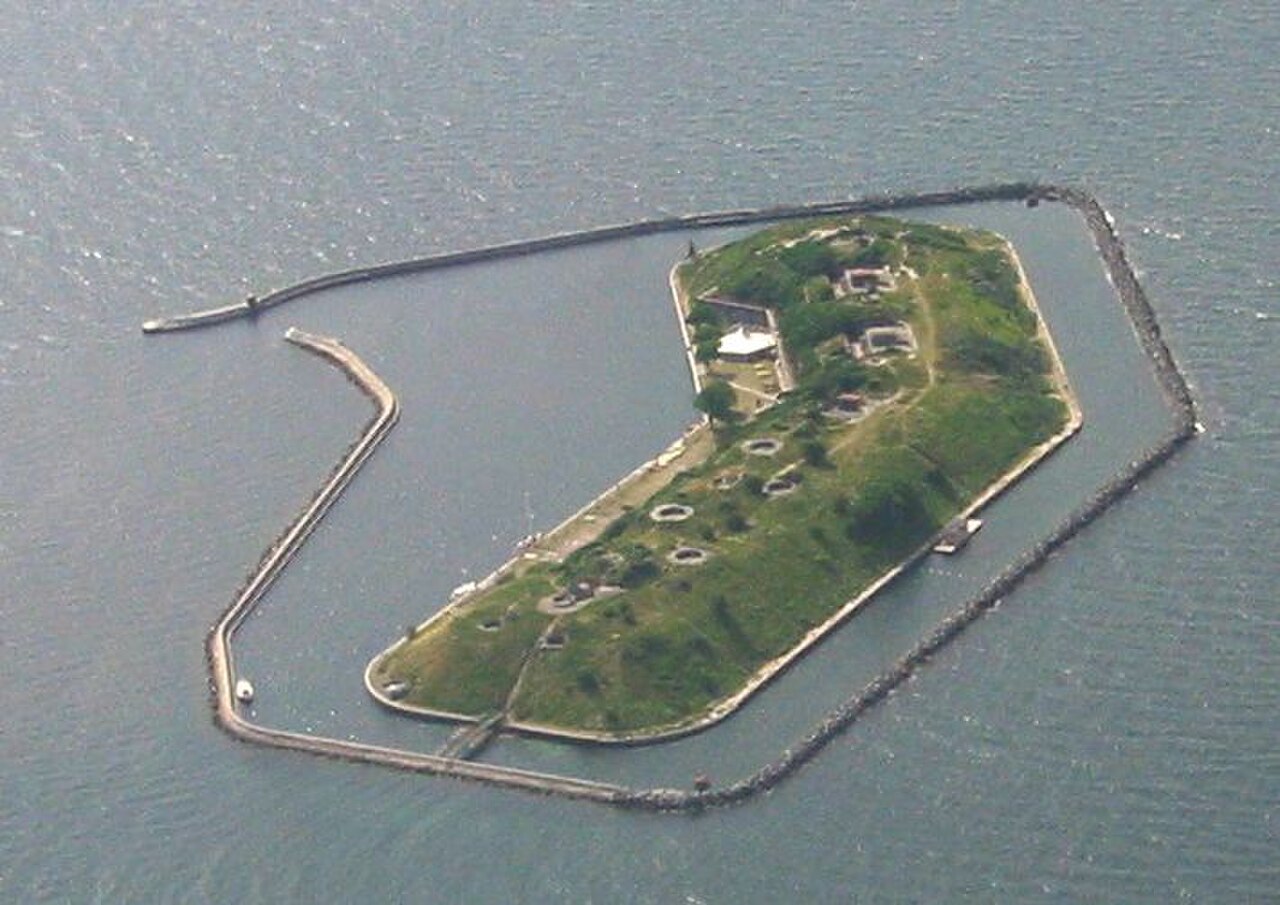
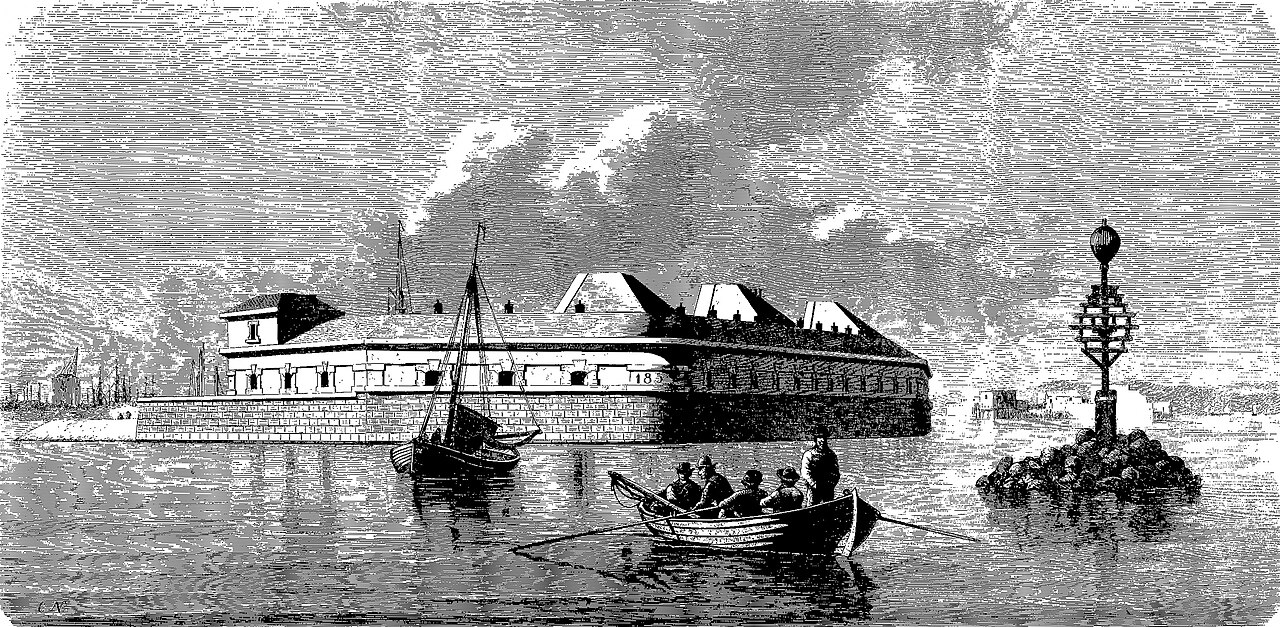
Flakfortet is an artificial island fort in the Øresund, reached across open water from Copenhagen rather than from a city street. Its identity comes from the combination of a coastal-defence installation, surviving military structures and an exposed maritime setting. The crossing is part of the experience: the fort feels separate from the capital because it was designed to stand offshore. Visitors encounter concrete defensive architecture, earthworks and military spaces in a compact landscape where Denmark’s coastal history is experienced physically, through distance, water and wind. Flakfortet therefore works as both a historic site and a distinctly maritime excursion.
Checked 2026-09-02 · Source
The fort’s compact complex includes gun emplacements, barracks-related structures, underground facilities, concrete fortifications and earthworks. Together, these features show how coastal artillery used heavy weapons, protected working areas and defensive circulation within a restricted island footprint. A short walk can connect installations that would feel scattered across a larger military estate. The surviving engineering is the main attraction, with the Øresund providing the setting and helping visitors understand why the fort’s position mattered. Look for the relationship between elevated defensive points, substantial concrete construction and the earthworks that shape movement through the island. The site is best understood as an integrated military landscape rather than a collection of unrelated ruins.
Checked 2026-09-02 · Source
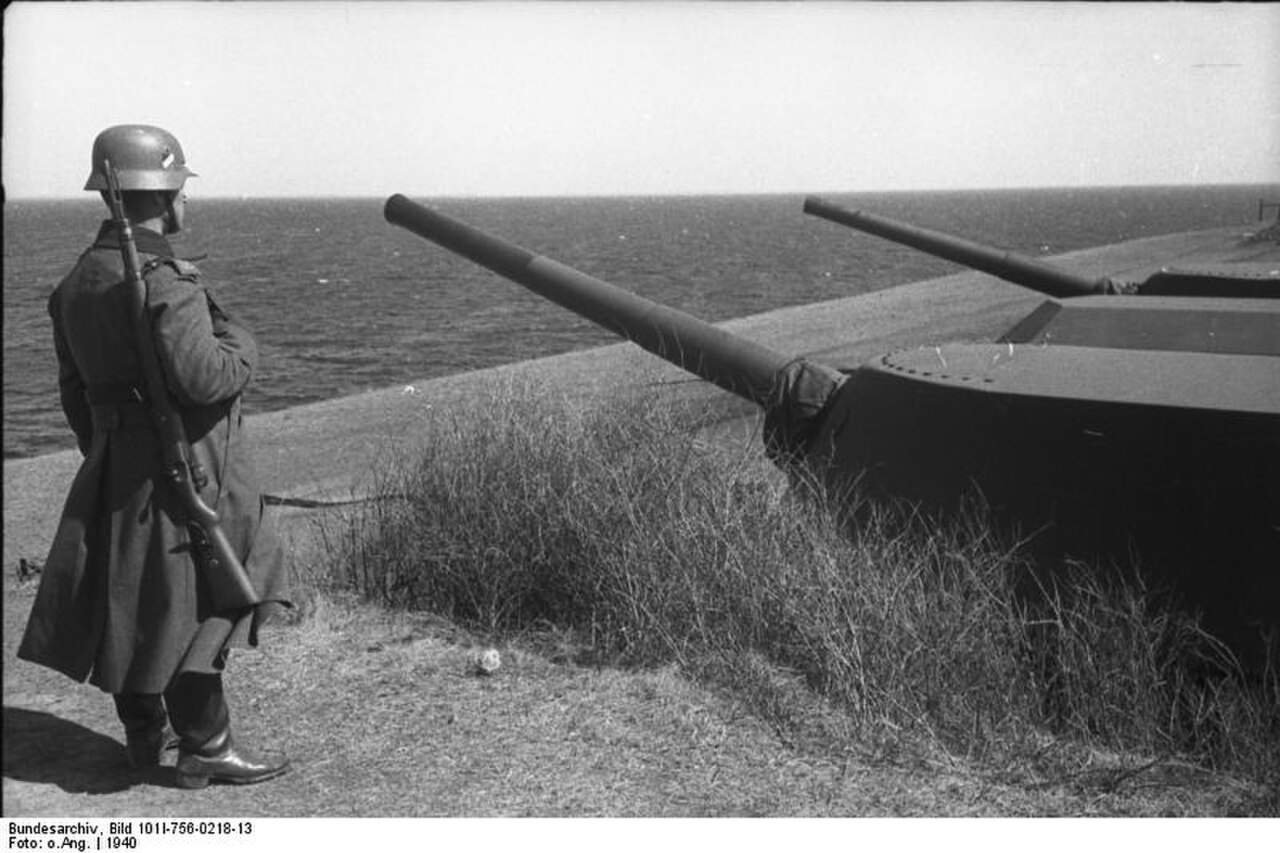
Treat Flakfortet as a substantial excursion, not a quick stop between central Copenhagen attractions. Your day needs to include the journey to the harbour, boarding time, the outbound crossing, exploration of the fort and the return trip. The island is compact enough for a focused circuit, while visitors interested in military history may linger around gun positions, earthworks, concrete structures and underground areas. The boat timetable, including the margin needed for boarding and disruption, determines the outing’s practical length more than the island’s size. Build the visit around the return boat, because a missed or cancelled service can affect the rest of the day.
Checked 2026-09-02 · Source
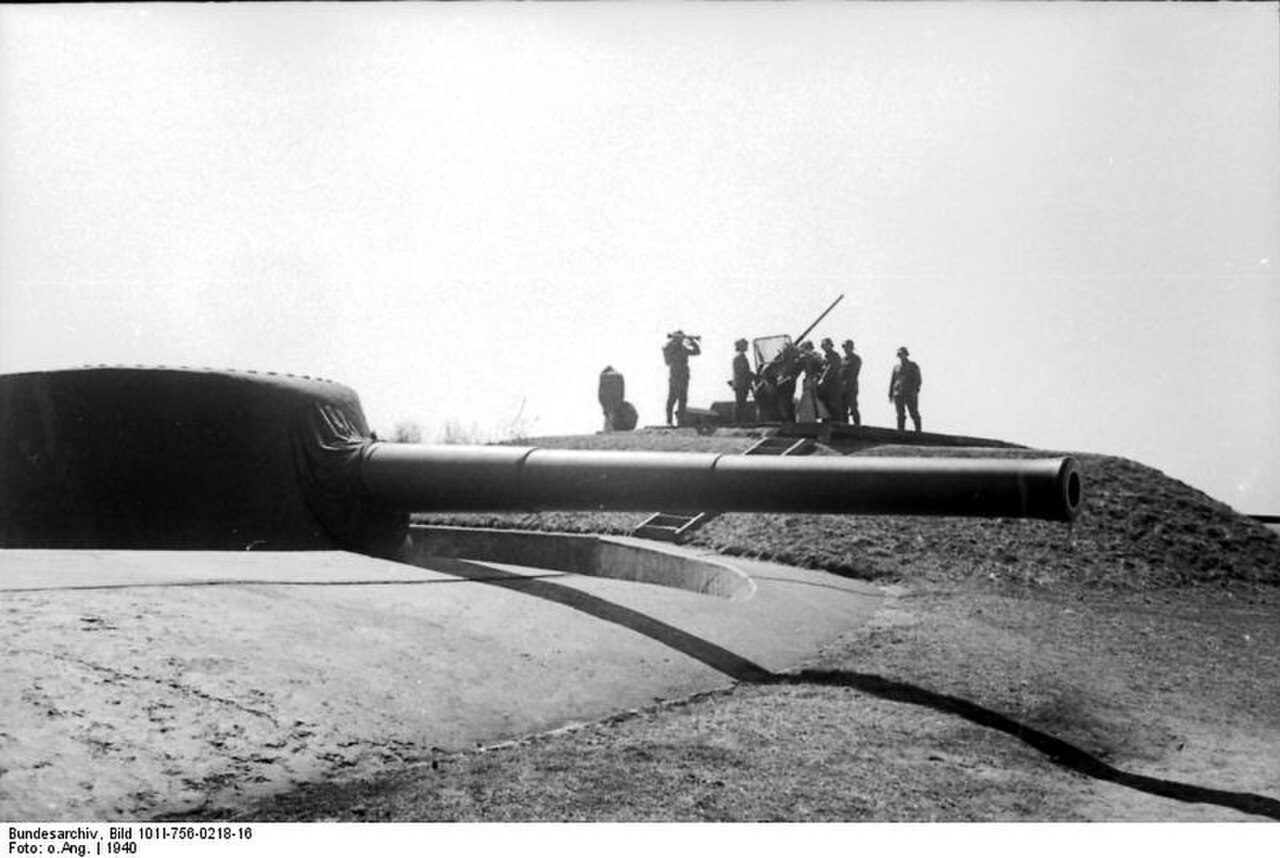
Flakfortet is an offshore destination, so a useful visit depends on maritime services and conditions on the Øresund. Wind, waves and poor visibility can affect the crossing or landing, and daylight is helpful when exploring outdoor fortifications. Services may be seasonal rather than arranged like a daily urban attraction. Choose a date that suits an outdoor visit and keep your schedule flexible around the return journey. The island’s exposed position makes weather a practical part of planning, not merely a question of comfort. A calm, bright day can make the relationship between the artificial island, the fortifications and the surrounding water easier to appreciate. On a poor-weather day, the same exposure can make walking and photography less comfortable.
Checked 2026-09-02 · Source
There is no reliable admission amount to state for Flakfortet. Boat transport is required, and the crossing fare, booking conditions and any landing arrangement are separate matters determined by the service operating on your date. Plan the excursion around securing the boat journey and understanding what that booking covers. Keep the transport cost distinct from site admission: an unknown crossing fare should not be presented as a confirmed entry price for the fort. The lack of a recorded admission amount also means that a visitor should not budget on the assumption that the island is either definitely free or definitely ticketed.
Checked 2026-09-02 · Source
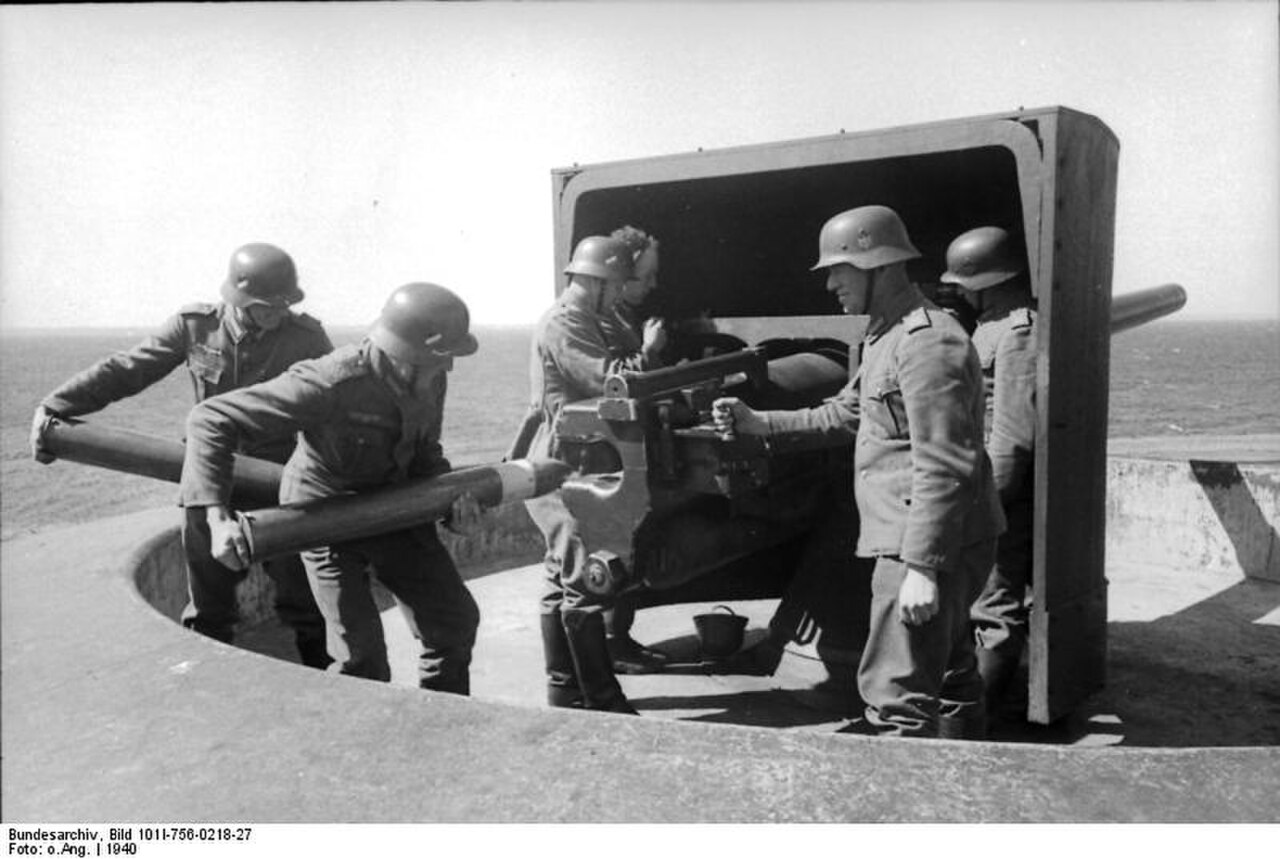
Flakfortet has no bridge or fixed connection to Copenhagen. The final connection is by boat from a designated harbour departure point, making the maritime leg an essential part of the route. Advance booking may be necessary, so arrive with enough time for boarding and protect the return leg in your schedule. Ordinary urban transit ends at the harbour. Visitors using personal watercraft face separate navigation, access and safety requirements, and should treat the island’s landing arrangements as a practical constraint. The harbour transfer is therefore not simply the last few minutes of an otherwise ordinary city journey.
Checked 2026-09-02 · Source
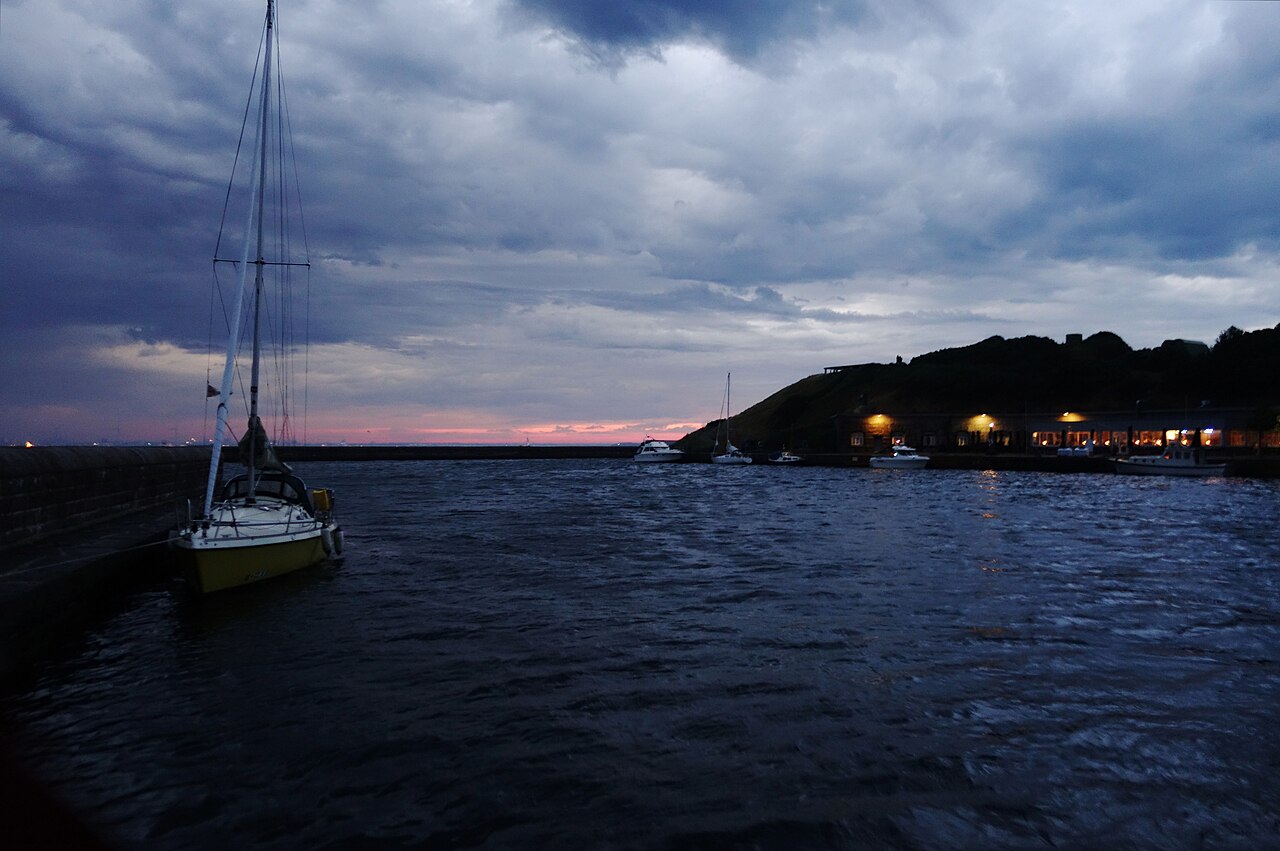
Flakfortet is not a fully level indoor attraction. Uneven historic surfaces, slopes, steps, worn concrete and slippery areas can make movement tiring or difficult. Waterside edges deserve care, especially in wind or wet weather, while shelter may be limited across the open island. Wear shoes with dependable grip and bring protection from rain and wind. Keep enough time and energy for the return crossing, and do not enter areas that are closed, unstable or unsuitable for unsupervised exploration. Step-free access is limited, so visitors with mobility limitations may find both boat boarding and movement around the historic fort difficult. The exposed setting can also make conditions feel harsher than they do in Copenhagen.
Checked 2026-09-02 · Source
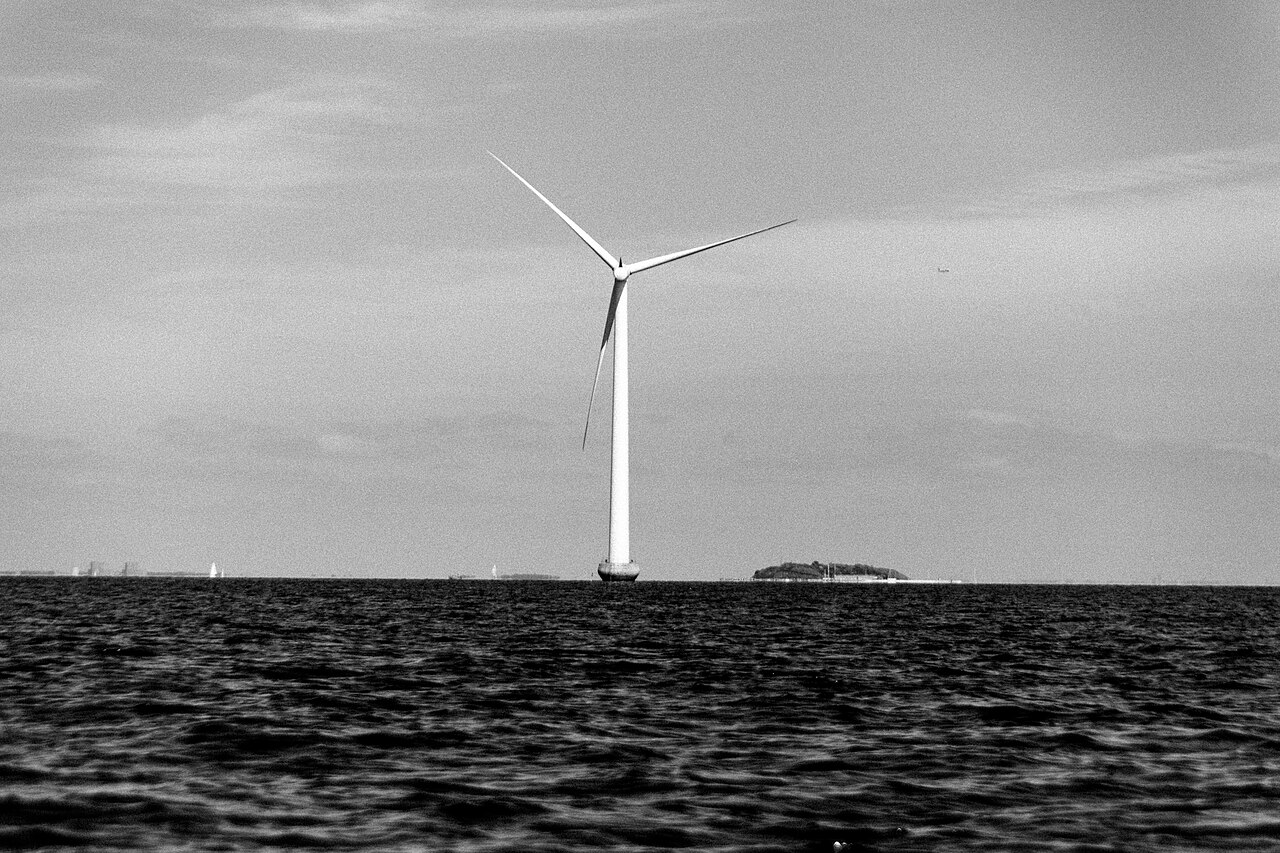
Flakfortet gives photographers a distinctive mix of military geometry and open Øresund scenery. Wider views can place the artificial island, fortification massing and surrounding water in one frame; closer images can focus on concrete textures, earthworks and gun positions. Enclosed or underground areas may be dim, while wind, spray and salt air can challenge equipment. Follow any posted restrictions and keep routes clear near edges. Morning or late-day light can emphasise the earthworks, but weather protection is the priority. The offshore setting offers subjects that are difficult to reproduce elsewhere in Copenhagen: defensive structures surrounded by water, long horizons and a visible sense of isolation.
Checked 2026-09-02 · Source
Flakfortet’s regular opening hours and year-round visiting calendar are not established here. Access depends on boat transport and conditions offshore, so availability can vary rather than follow a confirmed year-round schedule.
No reliable admission amount is established for Flakfortet. Boat transport is required, and its fare and booking terms are separate practical matters from entry to the fort.
The final connection is by boat because Flakfortet has no bridge or fixed connection to Copenhagen. The departure harbour, operator, timetable and crossing duration are not established in the available place information.
No guided tour, permanent interpretation service or audio guide is established in the available place information. The documented experience centres on exploring the preserved fortification landscape and its surviving military structures.
Accessibility is limited. Uneven historic surfaces, slopes, steps and boat boarding may restrict movement, while vessel accommodations and an accessible route across the island are not established in the available place information.
Allow time for reaching the harbour, boarding, both crossings, exploring the compact fort and possible weather disruption. The transport timetable determines the practical length of the excursion more than the island’s footprint alone.
Loading the interactive map…
The interactive map could not be loaded.
Last updated:
Source: OpenStreetMap contributors, Wikidata ·