


32 min walk
Amager Strandpark
- Must see
- Nature site
Language · 11 published
Historic monument · Copenhagen
Reviewed by Elena Voss · Roavina Travel Editor
It carries the protected ancient monument in Denmark heritage designation.
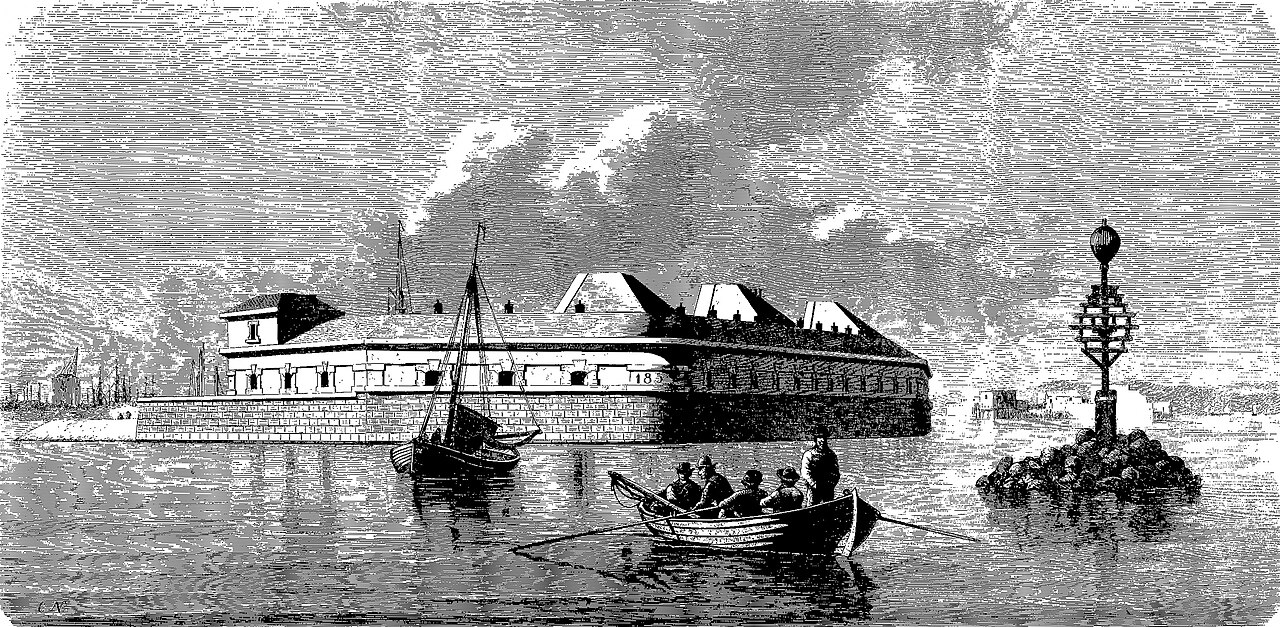
Prøvestenen is a historic coastal fortification on a small artificial island southeast of Copenhagen's inner harbour. The site formed part of Denmark's naval defences and represents 18th-century coastal military engineering. Its name, commonly translated as “The Test Stone,” reflects the fortification's association with testing artillery and defensive works. Today Prøvestenen is most useful to visitors as a distinctive maritime landmark viewed from the water or from suitable Copenhagen waterfront viewpoints. The island setting gives the site a different character from central Copenhagen's palaces, churches, and museums, linking the city to its harbour and defensive history.
Checked 2026-08-26 · Source
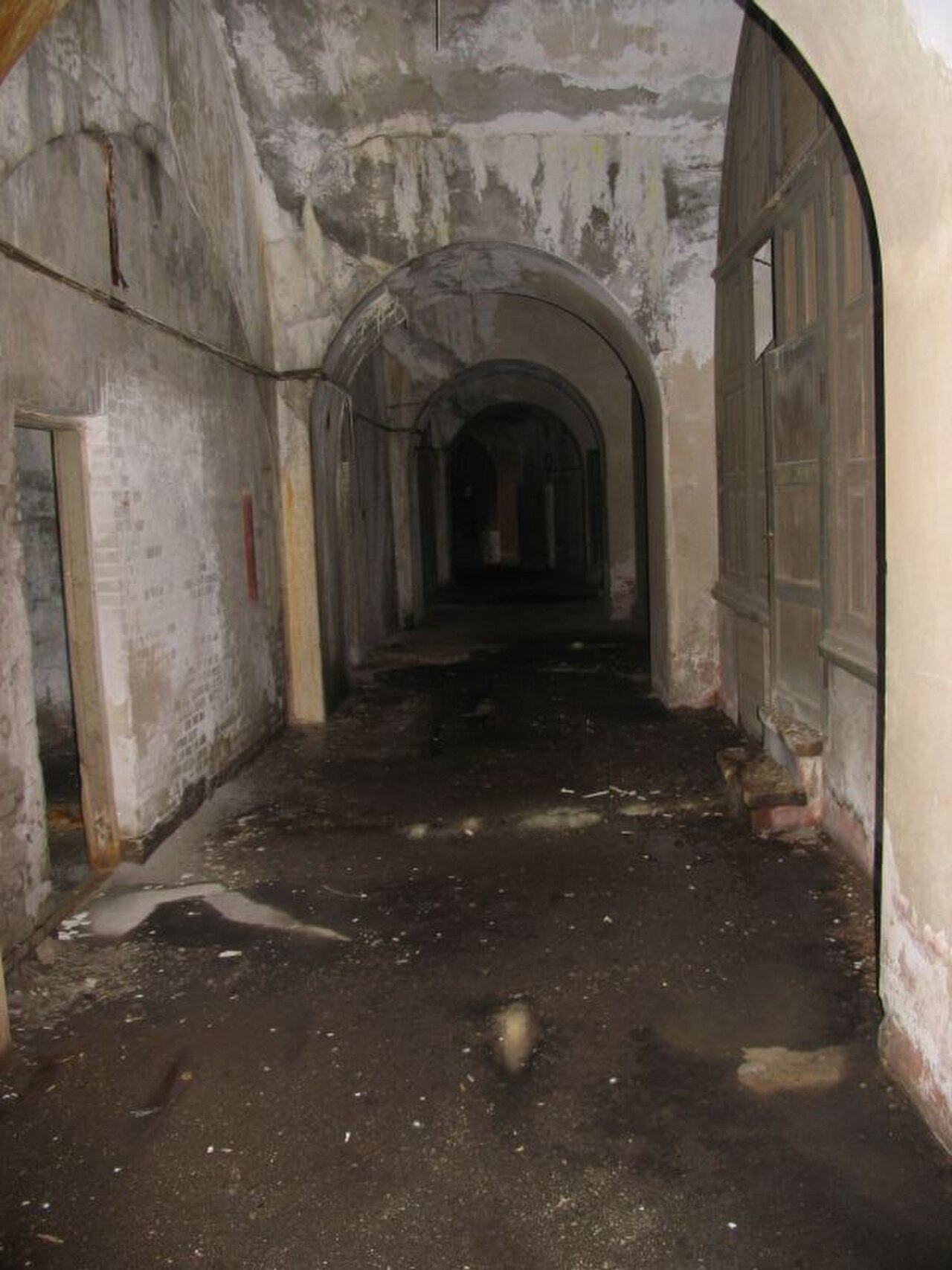
Prøvestenen is associated with a coastal fortification and its visible defensive masonry. The supplied guide describes bastions, gun emplacements, subterranean chambers, powder magazines, barracks foundations, and defensive walls as features typical of the site's military character, while the interior itself is not available as a defined visitor exhibition. There are no established visitor facilities or interpretive displays described for the island. The strongest experience is therefore the relationship between the fortification, the artificial island, and the surrounding harbour waters. From a boat or distant shore, the silhouette and masonry communicate the site's defensive purpose.
Checked 2026-08-26 · Source
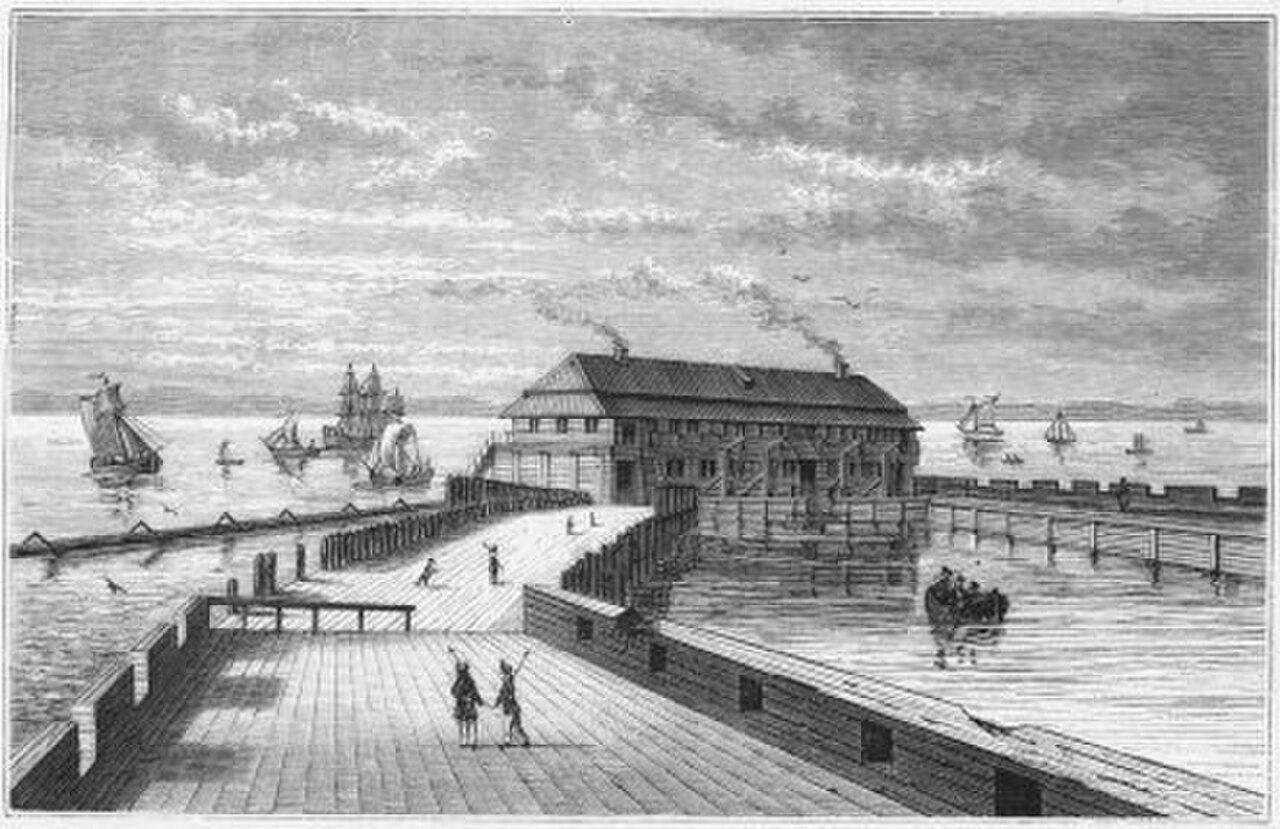
Plan Prøvestenen according to how you will experience it. A view from a harbour boat or waterfront stop may take only a few minutes, while a waterborne excursion organised specifically around the island requires a longer outing. The artificial island is compact, but reaching it by private boat would make transport and maritime conditions part of the visit. Prøvestenen works particularly well as a visual element in a harbour itinerary rather than as a guaranteed walk-through attraction. Pairing the fortification with other waterfront sights creates a fuller use of the time spent travelling around Copenhagen's harbour.
Checked 2026-08-26 · Source
Summer offers the most favourable setting for seeing Prøvestenen from the water because Copenhagen has longer daylight and generally more suitable conditions for harbour activity. The island remains a maritime site, so wind, waves, temperature, and visibility affect the experience in every season. Winter can give the fortification a stark atmosphere, but shorter daylight and colder water make a water-based outing less comfortable. Plan Prøvestenen as a weather-sensitive harbour landmark and keep the surrounding itinerary adaptable. Clear conditions are especially useful when the aim is to distinguish the island's masonry and defensive outline from the waterfront.
Checked 2026-08-26 · Source
The practical cost of a close approach would come from arranging a private boat, with the final expense depending on the vessel, provider, and outing. The guide also identifies landing permission and harbour-authority arrangements as relevant to any attempt to go ashore. For most travellers, viewing Prøvestenen from a harbour boat or distant waterfront point avoids treating the fortification as a conventional ticketed attraction. Keep boat-charter costs separate from admission because the site itself has no stated entry system.
Checked 2026-08-26 · Source
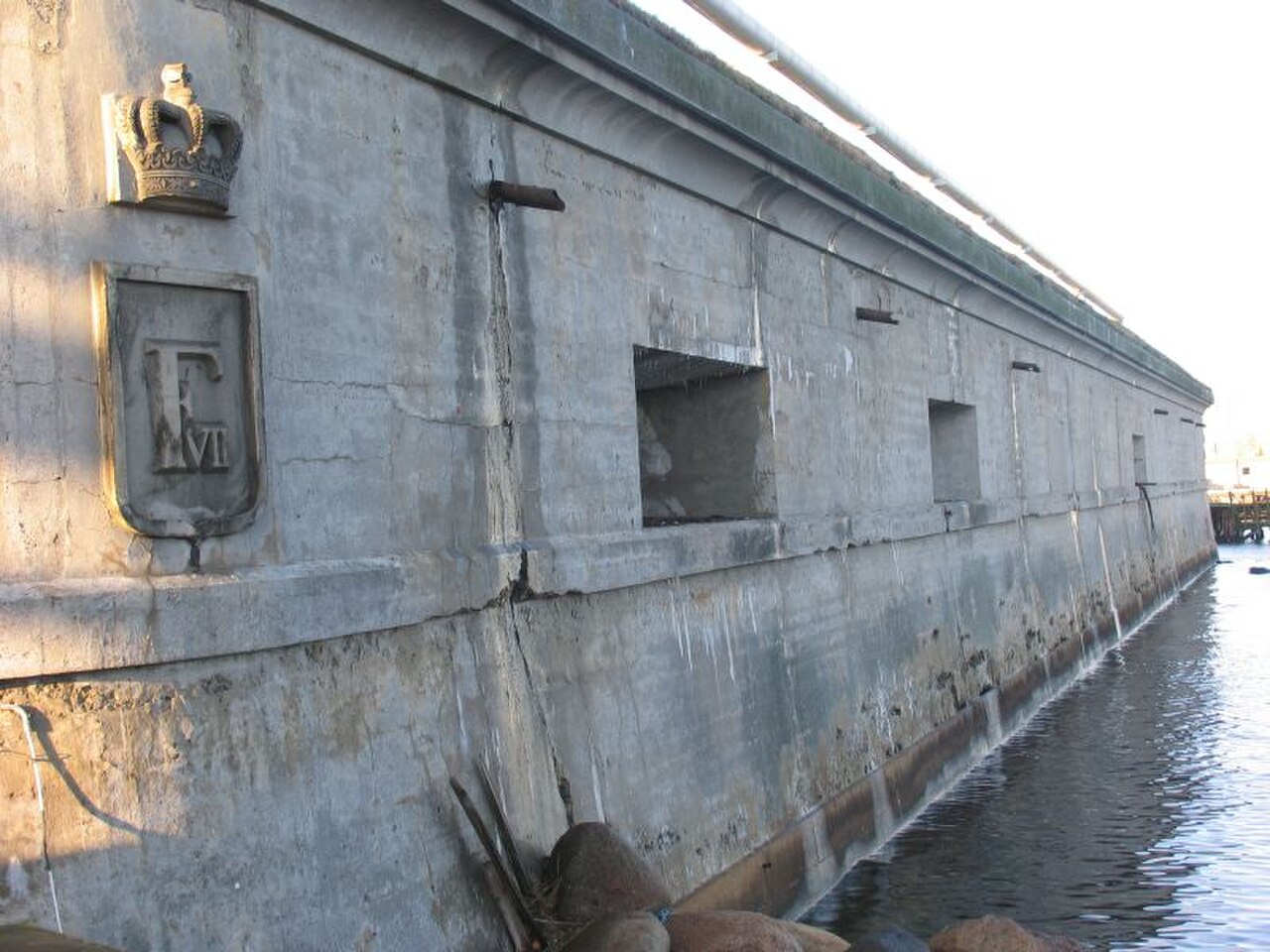
Prøvestenen lies on an artificial island approximately four kilometres southeast of Christianshavn. No public ferry connection is given for the site. A private boat from areas such as Nyhavn, Islands Brygge, or Refshaleøen is described as the possible waterborne approach, while experienced paddlers may consider the harbour waters only within their competence and the applicable rules. For ordinary sightseeing, a harbour boat tour or distant waterfront viewpoint is the more practical way to include Prøvestenen. The island's position makes the fortification a maritime sight rather than an ordinary city-centre walking stop.
Checked 2026-08-26 · Source
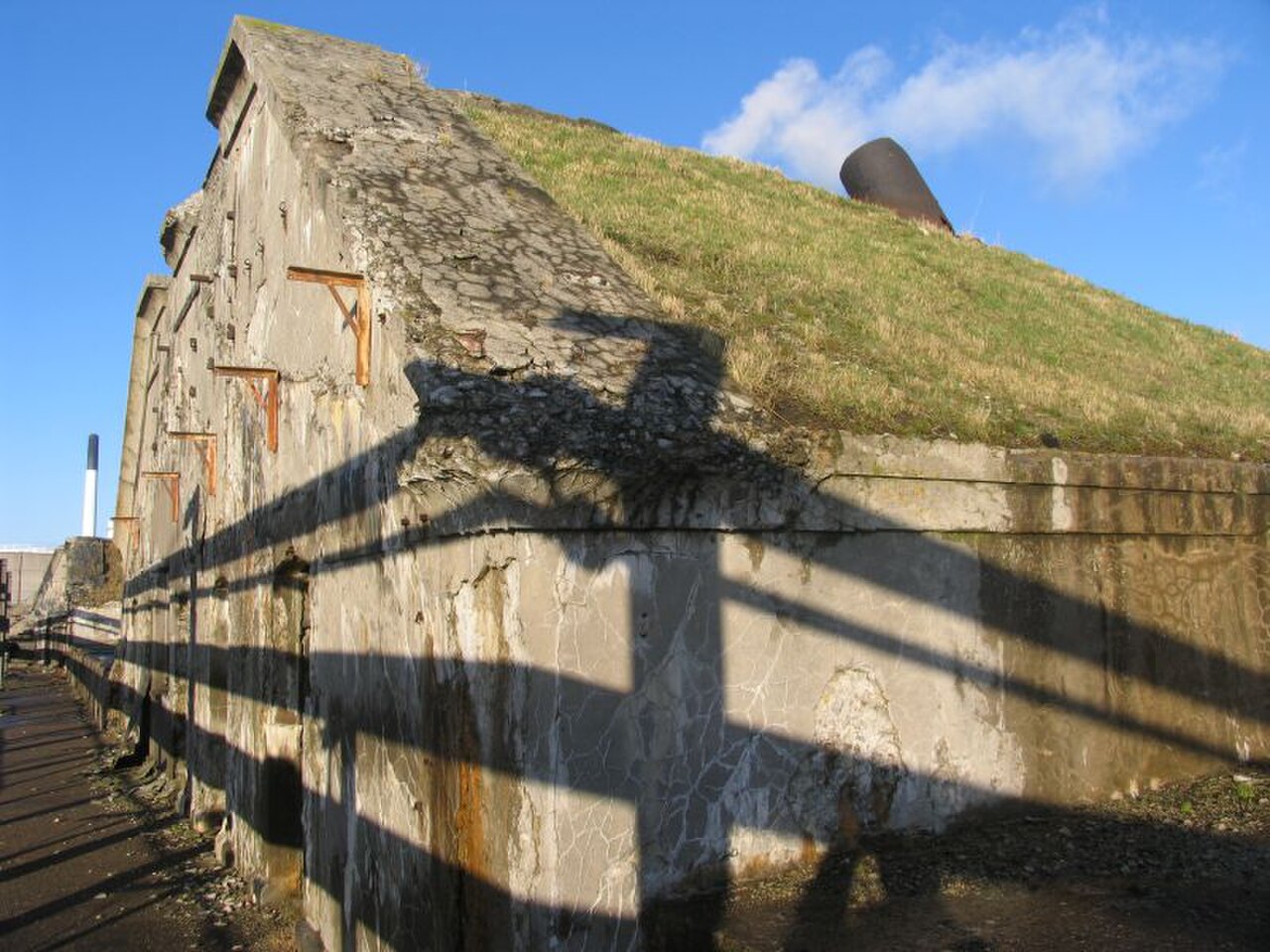
Prøvestenen involves genuine maritime and structural hazards. Harbour traffic, commercial vessels, currents, cold water, wind, and changing weather matter before any approach. The fortification may also contain unstable masonry, unguarded drops, confined spaces, and areas without visitor support. A landing should not be treated as an ordinary sightseeing walk: a private boat requires competent handling, suitable planning, and permission where required. Swimming to the island is unsafe because of harbour traffic, water temperature, and currents. The isolated setting also means that assistance may take longer than it would in central Copenhagen.
Checked 2026-08-26 · Source
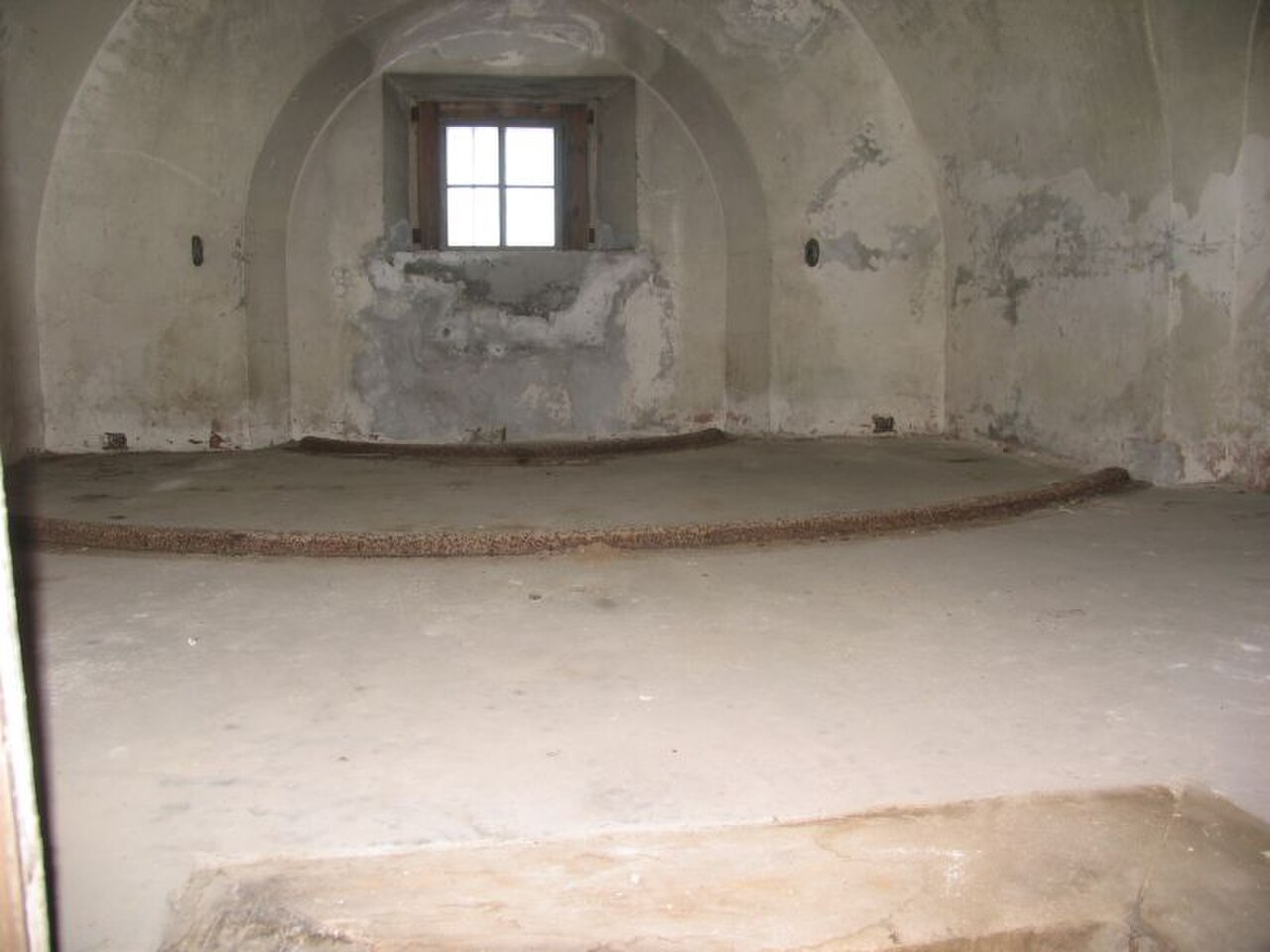
Prøvestenen is best photographed from the water or a distant Copenhagen harbour viewpoint. The artificial island, weathered masonry, and open maritime setting create strong subjects in clear morning or evening light, especially when the fortification is silhouetted against the sky. Close images depend on a safe and permitted approach, so the visual experience should normally be planned around a boat route rather than an unauthorised landing. Drone use requires attention to Danish aviation rules, harbour restrictions, and the sensitivity of nearby installations. Protect cameras from wind and salt spray during waterborne photography.
Checked 2026-08-26 · Source
Prøvestenen is an 18th-century coastal fortification on a small artificial island southeast of Copenhagen's inner harbour.
Prøvestenen can be viewed from harbour boats and suitable Copenhagen waterfront viewpoints; the island lies about four kilometres southeast of Christianshavn.
No. Harbour traffic, cold water, and strong currents make swimming to Prøvestenen unsafe.
The supplied guide describes private boat arrangements from Copenhagen harbour areas as the possible close approach; there is no public ferry connection described.
Prøvestenen represents Denmark's 18th-century expansion of coastal defences and the military engineering of that period.
Photograph Prøvestenen from a harbour boat or distant waterfront viewpoint, using clear light to show the island, masonry, and maritime setting.
Loading the interactive map…
The interactive map could not be loaded.
Last updated:
Source: OpenStreetMap contributors, Wikidata ·