A photograph of Copenhagen

City guide · Denmark

Historic sites in Copenhagen, Denmark — page 2

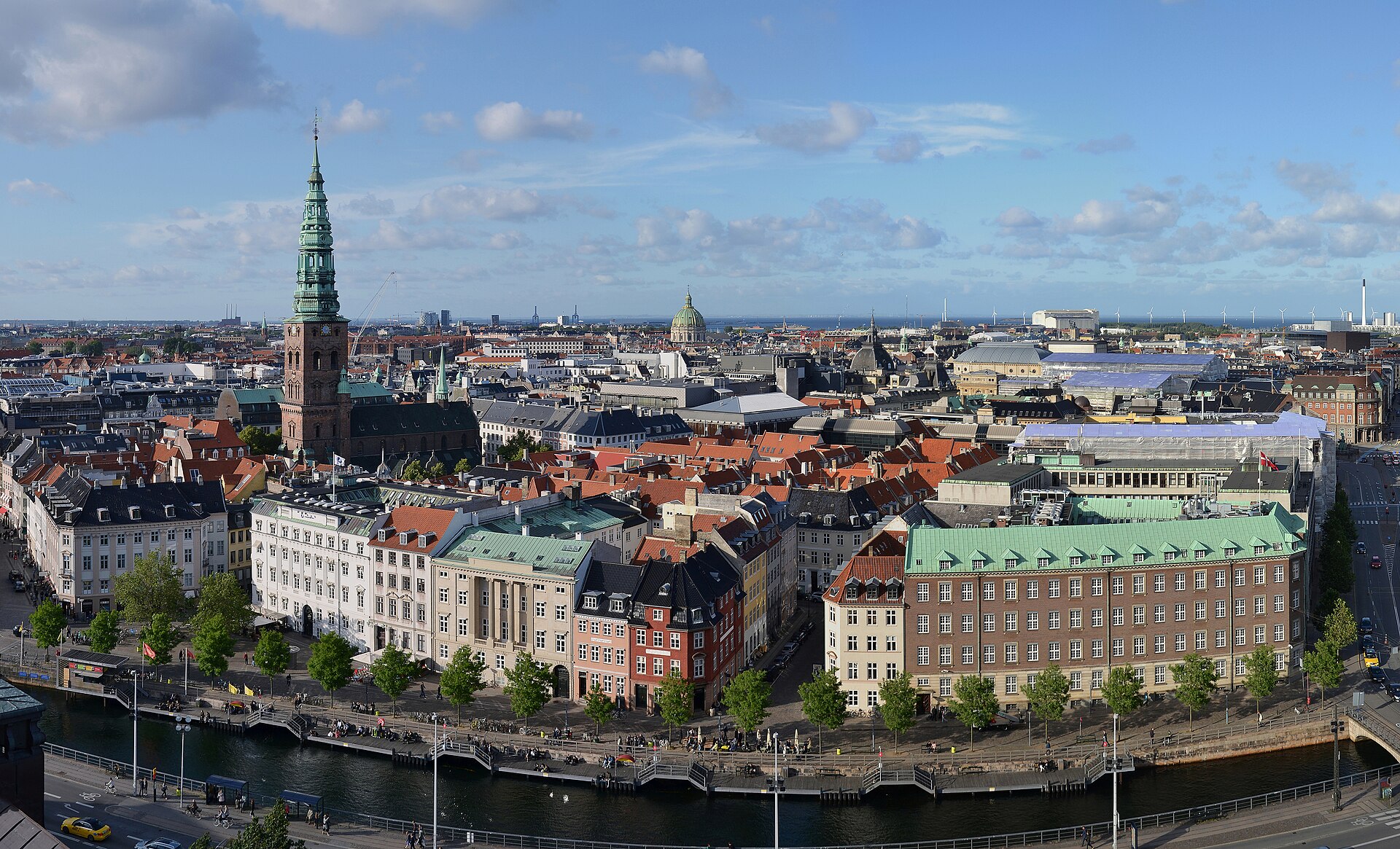
Copenhagen's compact centre sits around Indre By, with the harbour separating it from Christianshavn and Amager. Frederiksberg lies west as a separate municipal...

Photograph · Pudelek · CC BY-SA 4.0

2,076 Places
Suggested stay
3–4 days
Getting around
Walking, cycling, metro, train and bus

Turn this list into a plan

Set your days, your pace and the hours you actually want to be out. The planner works around closing days and travel time, and leaves room to eat.

Plan Copenhagen

Editorial responsibility: Elena Voss · Roavina Travel Editor

Copenhagen's compact centre sits around Indre By, with the harbour separating it from Christianshavn and Amager. Frederiksberg lies west as a separate municipality inside the urban fabric, while Norrebro and Osterbro extend north of the centre. Major visitor areas are connected by metro, trains, buses and cycle routes, and most central clusters remain practical to explore on foot.

Checked 2026-08-26

Practical information

Language spoken
Danish
National practical orientation; regional and minority languages may also be used
Dialling code
+45
International calling code; local area and mobile prefixes still apply
Currency
Danish krone (DKK)
Use the official local currency; card acceptance varies by place
Emergency number
112
Use only for an emergency; tourist assistance may use a separate number
Plug type
Type C, E, F and K · 230 V
Check that chargers support the recorded voltage before using an adapter
Tap water
Safe from the mains
Public drinking water is monitored by Danish authorities

Planning a visit

November · November averages only 7.0°C by day in Copenhagen and has about seventeen rain days, creating a cold, damp trade-off.

  1. January: viable with meaningful trade-offs
  2. February: viable with meaningful trade-offs
  3. March: viable with meaningful trade-offs
  4. April: good time to visit
  5. May: best time to visit
  6. June: best time to visit
  7. July: best time to visit
  8. August: best time to visit
  9. September: good time to visit
  10. October: viable with meaningful trade-offs
  11. November: viable with meaningful trade-offs — current month
  12. December: viable with meaningful trade-offs

Sources

Top things to see

Ranked by importance — sitelinks, pageviews and heritage status, not editor preference.

  1. Prøvestenen Prøvestenen
    26 45 min

    Prøvestenen

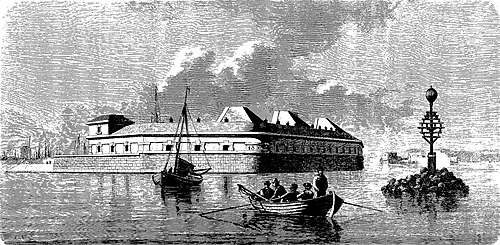
    Prøvestenen is a historic coastal fortification on a small artificial island southeast of Copenhagen's inner harbour. The site formed part of Denmark's naval defences and represents 18th-century coastal military engineering.

    • Notable
    • Historic site
  2. Royal Library Garden Royal Library Garden
    27 45 min

    Royal Library Garden

    Det Kongelige Biblioteks Have

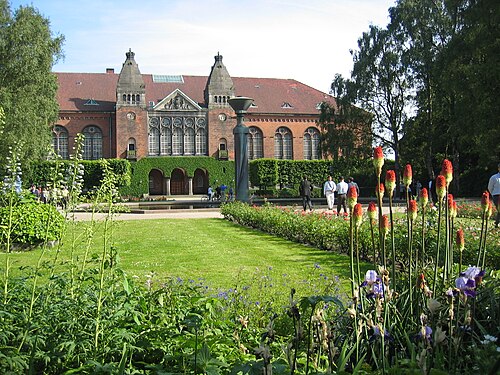
    The Royal Library Garden, known locally as Det Kongelige Biblioteks Have, is a quiet green space in central Copenhagen beside the Royal Library.

    • Notable
    • Historic site
  3. Vestvolden Vestvolden
    28 45 min

    Vestvolden

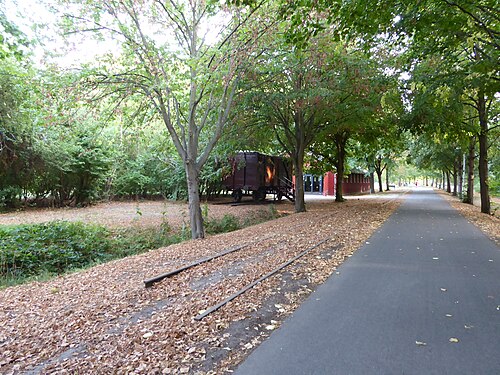
    Vestvolden is a historic fortification system forming a semicircular defensive ring around Copenhagen's western approaches. Constructed in the late 19th and early 20th centuries, it represents one of the largest remaining military earthworks in Northern Europe.

    • Notable
    • Historic site
  4. HDMS Peder Skram HDMS Peder Skram
    29 45 min

    HDMS Peder Skram

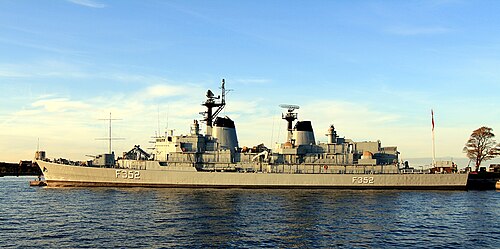
    HDMS Peder Skram is a preserved Royal Danish Navy frigate berthed at Holmen, Copenhagen’s historic naval district. Commissioned in 1966 and serving until 1988, it represents Denmark’s Cold War fleet in a form visitors can physically enter.

    • Notable
    • Historic site
  5. Brumleby
    30 45 min

    Brumleby

    • Must see
    • Historic site

Source: OpenStreetMap contributors, Wikidata ·

How the city is laid out

Indre By contains the historic centre, main shopping streets, palace district and inner harbour. Christianshavn sits across the water, Vesterbro lies west of Central Station, and Norrebro and Osterbro extend north. Frederiksberg forms a green western district with its own centre. The harbour is both a boundary and a transport corridor, so combine waterfront sights by side before crossing repeatedly.

Checked 2026-08-26

Getting around

Walk or cycle for short central journeys and use metro, trains and buses for longer trips. Visit Copenhagen states that the metro operates throughout the day and night and connects the centre with major neighbourhoods and the airport. Harbour buses are part of public transport and serve waterfront journeys. Buy the correct ticket before boarding and use the journey planner for zone-dependent trips.

Checked 2026-08-26

More city guides

Common questions

How many days should I spend in Copenhagen?

Suggested stay for a first visit: 3–4 days. Plan by cluster: Indre By, Christianshavn and the harbour, then Vesterbro, Norrebro, Osterbro or Frederiksberg according to interest.

Can I walk around central Copenhagen?

Yes. Indre By and the inner harbour are compact enough for walking. Cycling and public transport are useful when moving between outer neighbourhoods or across the wider city.

Does Copenhagen have an all-night metro?

Yes. Visit Copenhagen states that the metro operates throughout the day and night, connecting the centre with major neighbourhoods and Copenhagen Airport.

Are harbour buses part of public transport?

Yes. Harbour buses use the public transport system and provide a practical waterfront connection as well as a view of the city from the water.

How do I reach central Copenhagen from the airport?

Metro and regional trains both connect the airport with the city. The better choice depends on the destination neighbourhood, so check the official journey planner before departure.