Danish War Museum
Krigsmuseet
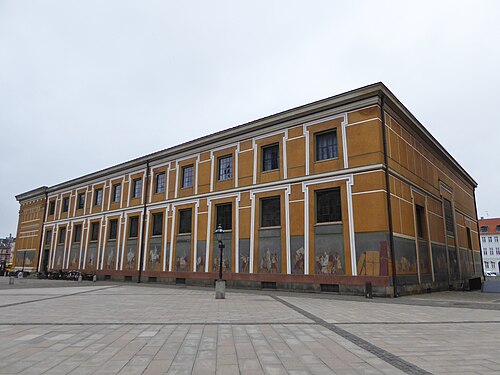
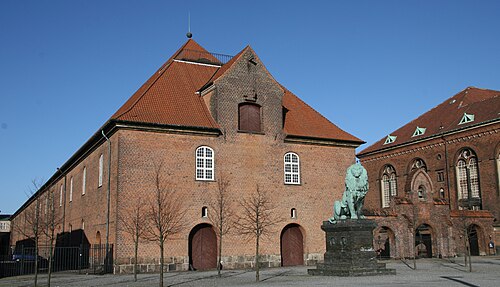
The Danish War Museum, locally named Krigsmuseet, is a military history museum in Copenhagen. It occupies a historic waterfront building at Christianshavn, formerly serving as naval storage facilities.
- Must see
- Museum
City guide · Denmark
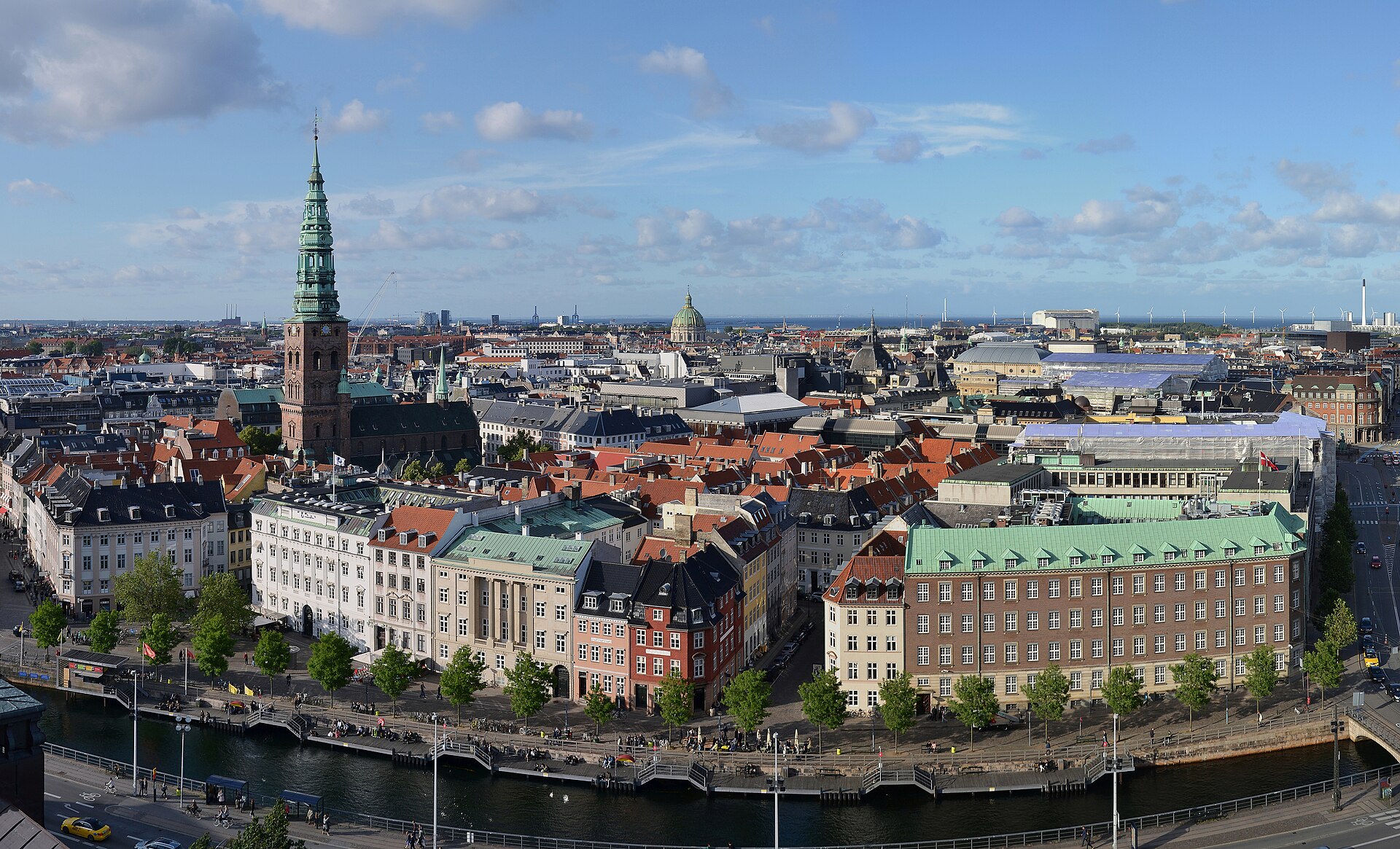
Copenhagen's compact centre sits around Indre By, with the harbour separating it from Christianshavn and Amager. Frederiksberg lies west as a separate municipal...
Photograph · Pudelek · CC BY-SA 4.0
Set your days, your pace and the hours you actually want to be out. The planner works around closing days and travel time, and leaves room to eat.
Reviewed by Elena Voss · Roavina Travel Editor
Copenhagen's compact centre sits around Indre By, with the harbour separating it from Christianshavn and Amager. Frederiksberg lies west as a separate municipality inside the urban fabric, while Norrebro and Osterbro extend north of the centre. Major visitor areas are connected by metro, trains, buses and cycle routes, and most central clusters remain practical to explore on foot.
Checked 2026-08-26
September · September remains mild in Copenhagen at a 17.0°C mean high, though about fourteen rain days require flexible plans.
Ranked by importance — sitelinks, pageviews and heritage status, not editor preference.
20 places match
Category
Typical visit duration
Interests
Krigsmuseet
The Danish War Museum, locally named Krigsmuseet, is a military history museum in Copenhagen. It occupies a historic waterfront building at Christianshavn, formerly serving as naval storage facilities.
Designmuseum Danmark
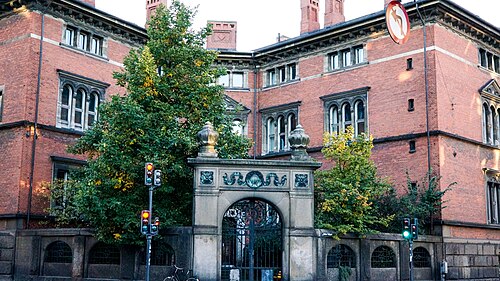
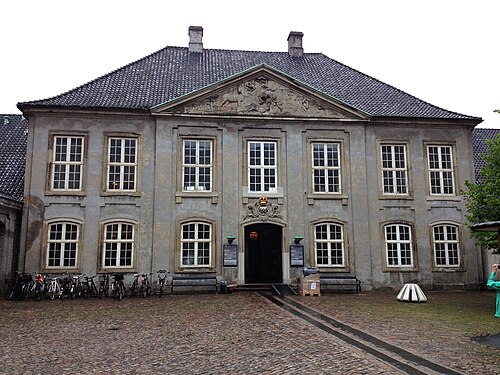
Designmuseum Danmark is a museum dedicated to Danish and international design, crafts, and applied arts. Located in central Copenhagen, it occupies a historic rococo building that formerly served as the Royal Danish Hospital.
Thorvaldsens Museum
Thorvaldsens Museum is a Copenhagen museum dedicated to the works of Danish sculptor Bertel Thorvaldsen, who spent much of his career in Rome. The building itself is distinctive with its colourful exterior, making it a notable landmark in the city.
Statens Naturhistoriske Museum
The Natural History Museum of Denmark, locally known as Statens Naturhistoriske Museum, is a major scientific institution in Copenhagen. It serves as the national museum for natural history and operates as part of the University of Copenhagen.
Københavns Museum
The Museum of Copenhagen, or Københavns Museum, explores the history of Denmark's capital through archaeological finds, historical objects, and stories of urban life.
Den Hirschsprungske Samling
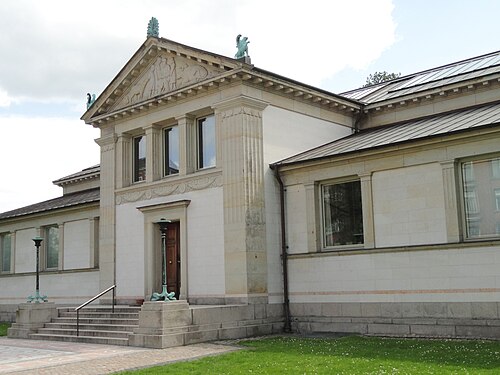
The Hirschsprung Collection, or Den Hirschsprungske Samling, is a Copenhagen art museum built around Heinrich Hirschsprung’s collection. The museum focuses on Danish painting from the nineteenth and early twentieth centuries and occupies a purpose-built building near Østre Anlæg.
Indre By contains the historic centre, main shopping streets, palace district and inner harbour. Christianshavn sits across the water, Vesterbro lies west of Central Station, and Norrebro and Osterbro extend north. Frederiksberg forms a green western district with its own centre. The harbour is both a boundary and a transport corridor, so combine waterfront sights by side before crossing repeatedly.
Checked 2026-08-26
Walk or cycle for short central journeys and use metro, trains and buses for longer trips. Visit Copenhagen states that the metro operates throughout the day and night and connects the centre with major neighbourhoods and the airport. Harbour buses are part of public transport and serve waterfront journeys. Buy the correct ticket before boarding and use the journey planner for zone-dependent trips.
Checked 2026-08-26
A fixed duration is not recorded. Plan by cluster: Indre By, Christianshavn and the harbour, then Vesterbro, Norrebro, Osterbro or Frederiksberg according to interest.
Yes. Indre By and the inner harbour are compact enough for walking. Cycling and public transport are useful when moving between outer neighbourhoods or across the wider city.
Yes. Visit Copenhagen states that the metro operates throughout the day and night, connecting the centre with major neighbourhoods and Copenhagen Airport.
Yes. Harbour buses use the public transport system and provide a practical waterfront connection as well as a view of the city from the water.
Metro and regional trains both connect the airport with the city. The better choice depends on the destination neighbourhood, so check the official journey planner before departure.