
16 min walk
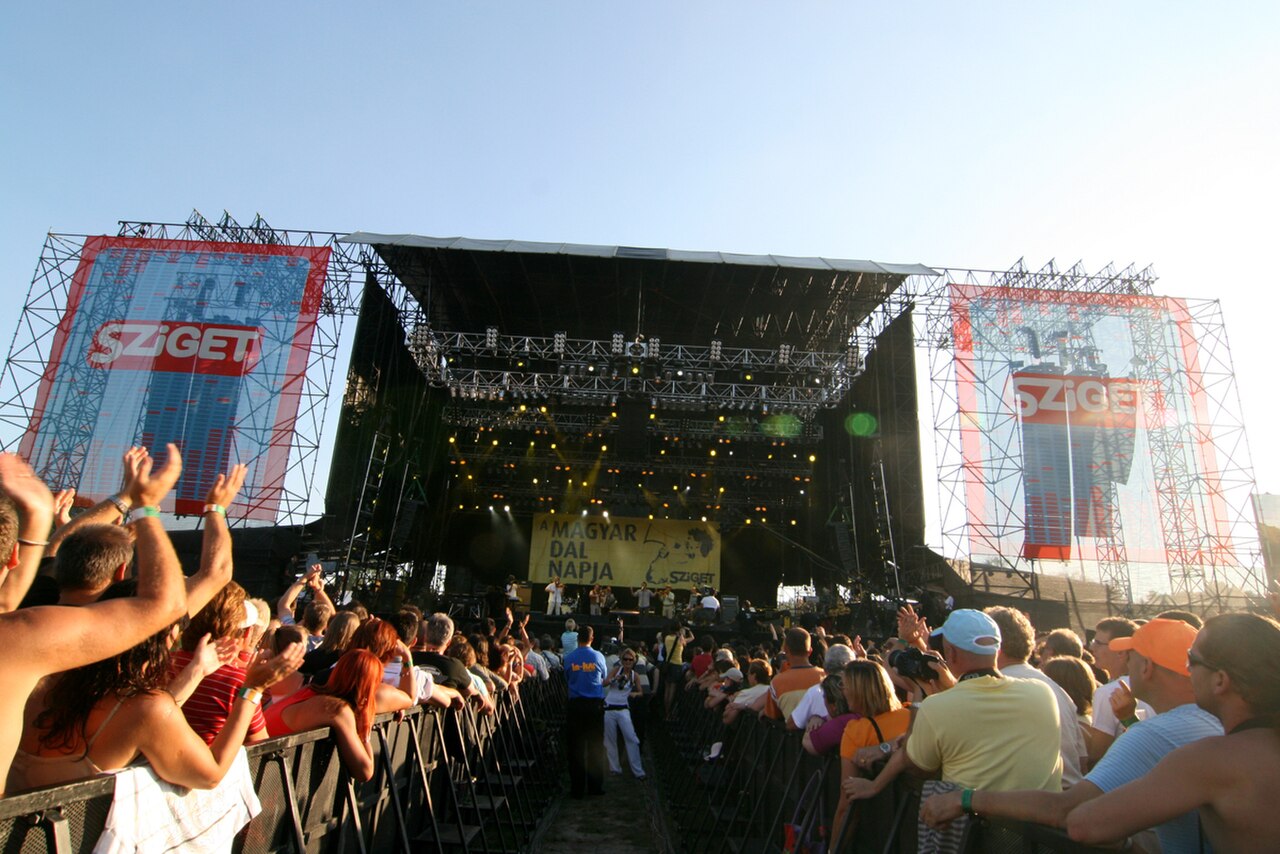
Sziget Festival
- Must see
- Historic monument
Language · 11 published
Museum · Budapest
Aquincumi Múzeum
Reviewed by Elena Voss · Roavina Travel Editor
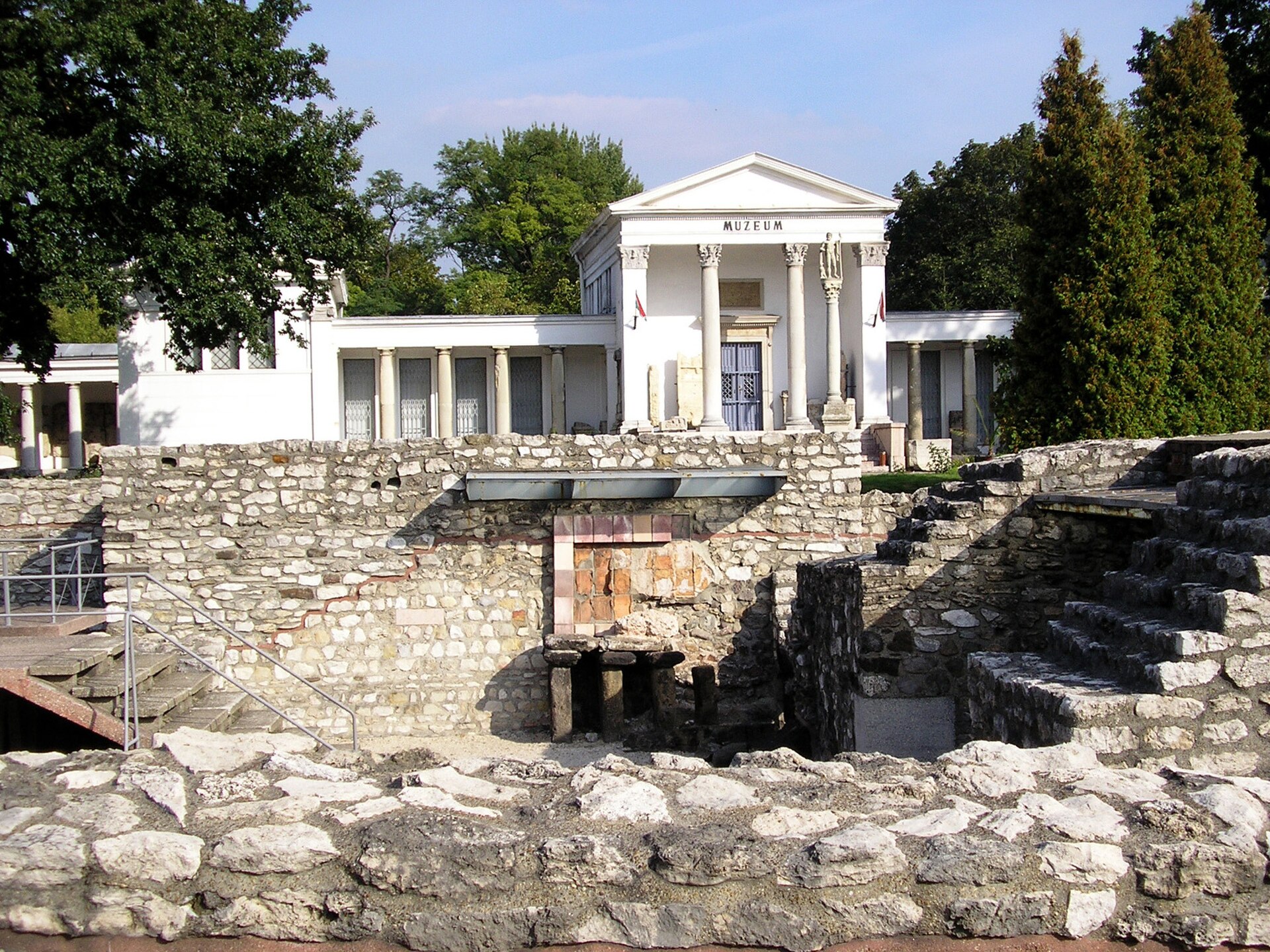
This place is a Museum. It opened in 1894.
Aquincum Museum preserves the remains of the ancient Roman city of Aquincum in northern Budapest's Obuda district. The site presents both an indoor archaeological museum and an outdoor ruin area. Aquincum was the capital of the Roman province of Pannonia Inferior, and the remains show how Roman urban life developed in Central Europe. The museum stands at the civilian town site, separate from the military camp and amphitheatre that formed other parts of Roman Aquincum. Aquincum Museum is an archaeological museum in Budapest, Hungary. It preserves and displays remains of the ancient Roman city of Aquincum, which was the capital of Pannonia Inferior province. The site includes both indoor exhibition spaces and extensive outdoor archaeological ruins. The museum stands on the location of the former Roman civilian town, separate from the military camp that lay across the river. It serves as a key institution for understanding Roman provincial life in Central Europe. The name refers to the same institution. The site combines indoor museum displays with outdoor archaeological remains.
Checked 2026-08-26 · Source
Indoor displays include stone carvings, inscriptions, mosaics and everyday objects from Roman civilian life. Outside, you can walk among foundations associated with streets, houses, baths and workshops. The reconstructed hydraulic organ is a distinctive feature and helps connect the archaeological material with Roman technology and culture. Wall paintings and decorative architectural elements add detail to the larger urban story. Move between cases and foundations to see both the objects recovered from Aquincum and the physical layout of the settlement. The museum houses archaeological finds from the Aquincum site including stone carvings, inscriptions, mosaics, and everyday objects from Roman civilian life.
Checked 2026-08-26 · Source
Plan roughly one and a half to two and a half hours for the indoor galleries and outdoor archaeological park. A shorter visit can cover the main displays and a general walk through the ruins, while archaeology enthusiasts may want longer for inscriptions, mosaics, objects and individual building foundations. The open-air area slows the pace because paths and exposed remains require careful walking. Leave enough time to experience both parts rather than visiting only the museum rooms.
Checked 2026-08-26 · Source
Spring and autumn offer comfortable temperatures for exploring the open-air ruins. Summer provides long daylight but can make the exposed archaeological area hot, especially around midday. Winter brings colder conditions, shorter daylight and surfaces that may become slippery. Weather matters more here than at an entirely indoor museum because a substantial part of the visit takes place outside. Choose a day when you can walk comfortably, and keep your attention on the ruins rather than rushing through them in poor conditions.
Checked 2026-08-26 · Source
Aquincum Museum combines a conventional indoor museum with an outdoor archaeological site, so treat admission as a museum-and-ruins visit rather than a free city walk. The main value is the opportunity to see Roman objects, reconstructed features and the foundations of the civilian settlement in one place. Build enough time into the day for both components. The separate military amphitheatre and other Roman remains are related sites, not extra rooms within this same visit.
Checked 2026-08-26 · Source
The museum is in northern Budapest's Obuda district, away from the central tourist core. Budapest's tram and suburban railway network serves the wider Aquincum area, including the HEV suburban railway. Dedicated travel time is sensible when coming from central Budapest. Cycling can also suit the area in favourable weather. Plan the route as a northern Budapest excursion, and remember that the military amphitheatre is separate from the civilian town museum and requires additional travel.
Checked 2026-08-26 · Source
The outdoor park includes uneven ground, gravel, exposed earth and ancient stone foundations. Wear shoes suitable for careful walking and bring weather protection because shelter is limited across the ruins. Warm days make water useful. The museum lies in a neighbourhood setting with fewer concentrated tourist services than central Budapest. Do not climb on or touch archaeological remains while moving into position for a photograph. Remember that the nearby military amphitheatre is a separate stop, not an adjoining section of the park.
Checked 2026-08-26 · Source
The ruins provide strong photographs of Roman foundations, streets, baths, workshops and the relationship between open ground and surviving masonry. Indoors, inscriptions, mosaics, carvings and wall paintings reward close framing. Use restraint in galleries and follow any displayed directions about flash or equipment. Outdoors, keep away from the archaeological fabric and remain on the paths or visitor areas. The reconstructed hydraulic organ is a distinctive subject, while wider views help communicate the scale of the former civilian town.
Checked 2026-08-26 · Source
It contains indoor archaeological displays and an outdoor ruin area with Roman foundations, including streets, houses, baths and workshops from the civilian town.
No. The museum stands at the civilian town site. The military camp and amphitheatre are geographically separate Roman remains requiring additional travel.
Allow approximately one and a half to two and a half hours for both the indoor museum and the outdoor archaeological park.
It is in Budapest's northern Obuda district, outside the central tourist core and served by the wider tram and HEV suburban railway network.
It is a reconstructed Roman hydraulic organ displayed as a distinctive feature of the museum's archaeological presentation.
Wear comfortable shoes suitable for uneven ground, gravel, exposed earth and ancient stone foundations in the outdoor archaeological area.
Loading the interactive map…
The interactive map could not be loaded.
Last updated:
Source: OpenStreetMap contributors, Wikidata ·