
3 min walk
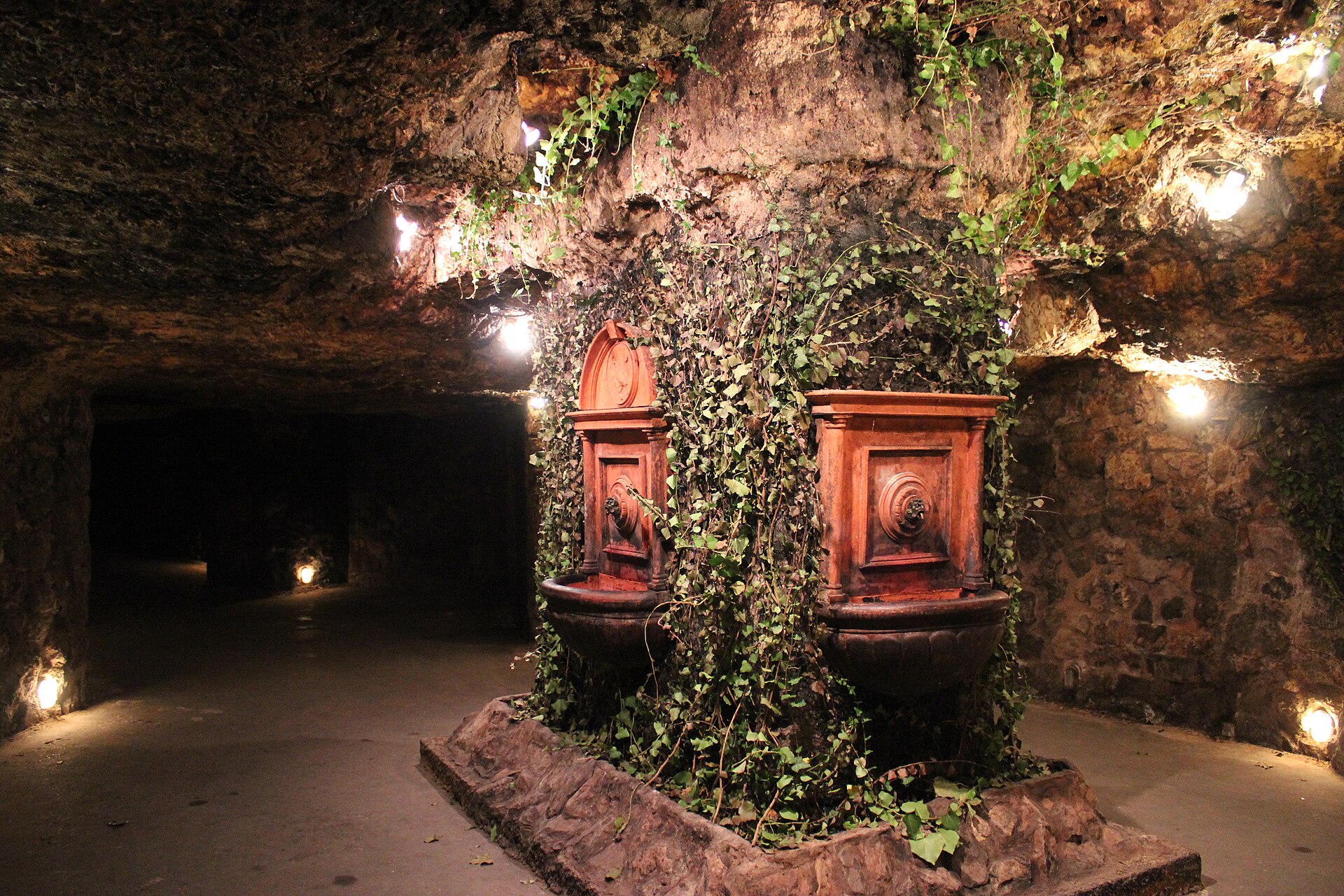
Labyrinth of Buda Castle
- Must see
- Historic monument
Museum · Budapest
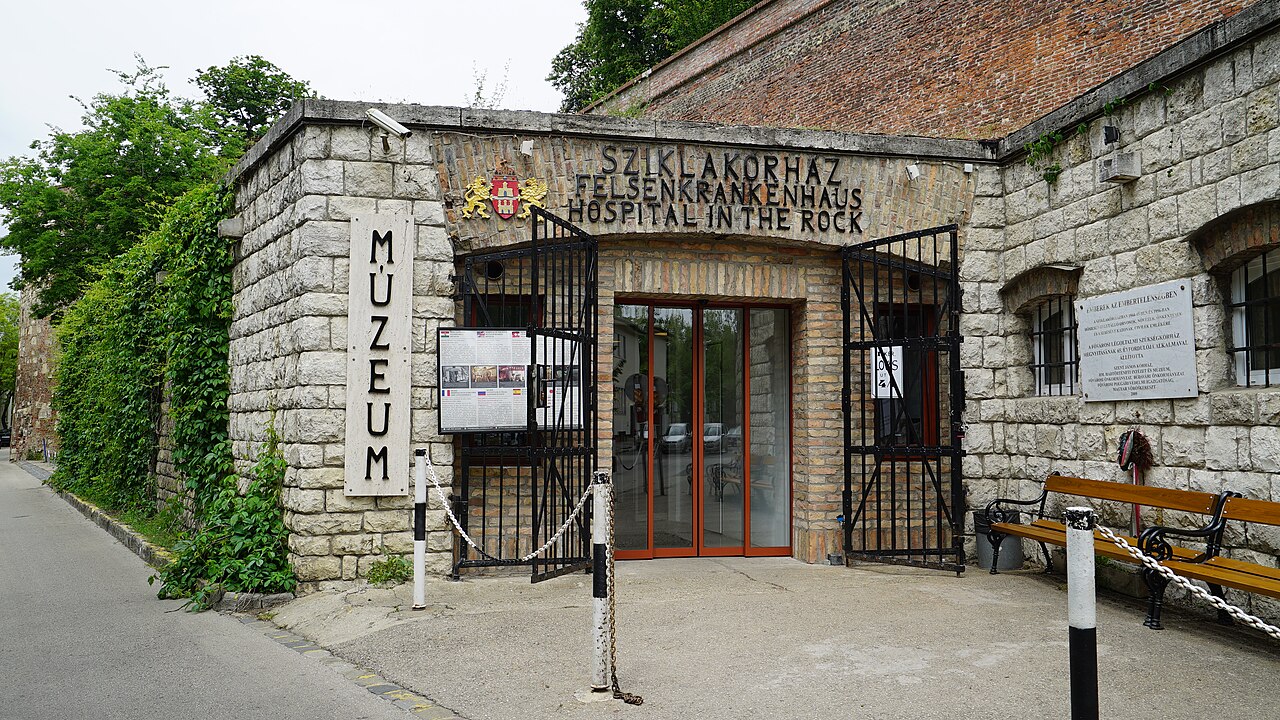
Sziklakórház Atombunker Múzeum
| Monday | 10:00 – 19:00 |
|---|---|
| Tuesday | 10:00 – 19:00 |
| Wednesday | 10:00 – 19:00 |
| Thursday | 10:00 – 19:00 |
| Friday | 10:00 – 19:00 |
| Saturday | 10:00 – 19:00 |
| Sunday | 10:00 – 19:00 |
Checked 2026-08-31 · Source
| Per person | HUF 10,000.00 |
|---|
Checked 2026-08-31 · Source
Read from the OpenStreetMap access tags; anything not listed has no tag recorded.
Set the group type to family in the planner and the day window contracts to about three quarters of a solo day.
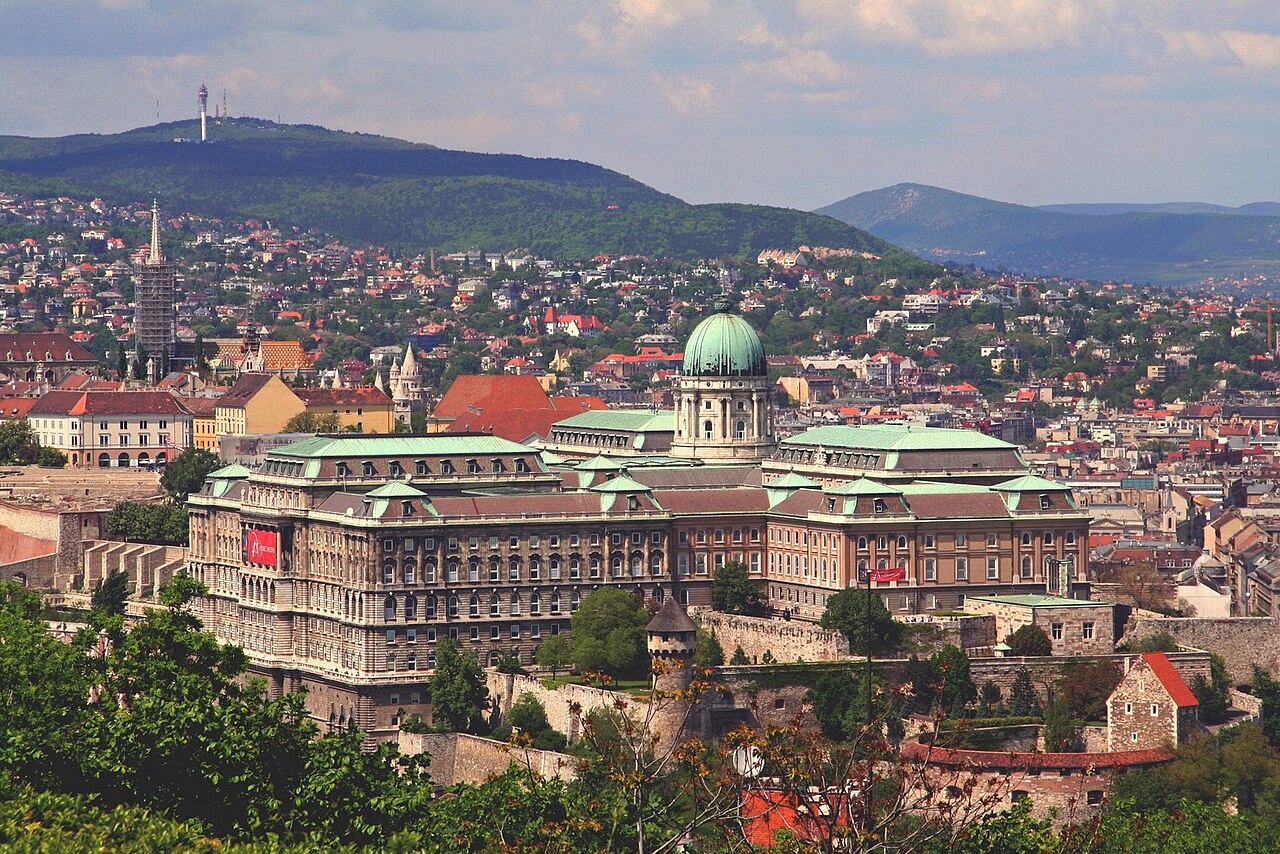
Hospital in the Rock is a former emergency hospital and nuclear bunker located beneath Buda Castle in Budapest. The facility was built into the natural cave system under Castle Hill during the 1930s and expanded during the Cold War era. It served as a secret military hospital that could function independently during wartime or nuclear attack. Today it operates as a museum preserving the medical equipment, operating theatres, and living quarters in their original state. The site offers visitors insight into Hungary's preparedness for conflict and the realities of emergency healthcare under extreme conditions. No. Entry is only with a scheduled guided tour. The underground bunker route has stairs, narrow corridors and historic surfaces and is not wheelchair accessible. Visitors must manage the full guided route independently. Hospital in the Rock: Entry is by scheduled guided tour, generally daily from 10:00 with departures through the day. The selected booking calendar controls the exact language and final tour. Standard adult guided-tour admission is approximately HUF 10,000; concessions and language products vary by booking. The underground bunker route has stairs, narrow corridors and historic surfaces and is not wheelchair accessible. Visitors must manage the full guided route independently. The museum is beneath Buda Castle at Lovas út 4/C. Use Castle bus 16/116 to Szentháromság tér, then descend toward Lovas Road.
Checked 2026-08-31 · Source
The museum contains preserved hospital wards, operating rooms, and decontamination chambers arranged along the underground corridors. Visitors can see original medical equipment from the mid-twentieth century, including surgical instruments, patient beds, and radiation detection devices. The facility includes a command centre, generator room, and ventilation systems designed for nuclear protection. Wax figures depict medical staff and patients in recreated scenarios. The exhibition covers the hospital's construction, its role during the 1956 Hungarian Revolution, and its continued readiness through the Cold War period. The atmosphere remains deliberately authentic to the era of nuclear anxiety. Standard adult tour admission is approximately HUF 10,000. The museum is beneath Buda Castle at Lovas út 4/C. Use Castle bus 16/116 to Szentháromság tér, then descend toward Lovas Road.
Checked 2026-08-31 · Source
A complete visit to Hospital in the Rock typically requires guided participation due to the structured nature of the tour route through underground passages. Visitors should anticipate spending sufficient time to absorb the historical information presented at multiple stations throughout the facility. The confined underground environment and density of exhibits mean progress is necessarily measured. Those with particular interest in military medical history or Cold War heritage may wish to allocate additional time for contemplation. No. Stairs and narrow underground corridors make the route inaccessible to wheelchairs. The mandatory guided underground route lasts about one hour.
Checked 2026-08-31 · Source
Entry is by scheduled guided tour, generally daily from 10:00 with departures through the day. The selected booking calendar controls the exact language and final tour. The mandatory guided underground route lasts about one hour. Ceremonies, worship, weather and dated operations can replace the ordinary pattern. Allow about one hour for the guided underground route. The bunker at Lovas út 4/C is not wheelchair accessible.
Checked 2026-08-31 · Source
Standard adult guided-tour admission is approximately HUF 10,000; concessions and language products vary by booking. The base amount is stated in Hungarian forints. Tours, interiors, baths, rentals and separately controlled areas remain excluded unless explicitly included. The entrance is at Lovas út 4/C below the Castle District.
Checked 2026-08-31 · Source
The museum is beneath Buda Castle at Lovas út 4/C. Use Castle bus 16/116 to Szentháromság tér, then descend toward Lovas Road. Use the named entrance or stop because hill gradients, restricted roads and underground routes change the practical approach. Age and health restrictions apply because of the underground wartime content and route.
Checked 2026-08-31 · Source
The underground bunker route has stairs, narrow corridors and historic surfaces and is not wheelchair accessible. Visitors must manage the full guided route independently. No. Entry is only with a scheduled guided tour. Standard adult tour admission is approximately HUF 10,000. No. Stairs and narrow underground corridors make the route inaccessible to wheelchairs. Historic stairs, low light, crowds and security remain relevant. Entry is by scheduled guided tour, generally daily from 10:00 with departures through the day. The selected booking calendar controls the exact language and final tour.
Checked 2026-08-31 · Source
Visitors should observe posted signage or request guidance from staff upon entry. The dimly lit underground conditions present technical challenges for photography regardless of permission status. Flash photography may be restricted to protect sensitive historical materials or preserve atmospheric conditions for other visitors. The authentic bunker environment offers distinctive visual character that attracts documentation attempts. Standard adult guided-tour admission is approximately HUF 10,000; concessions and language products vary by booking.
Checked 2026-08-31 · Source
No. Entry is only with a scheduled guided tour.
Standard adult tour admission is approximately HUF 10,000.
No. Stairs and narrow underground corridors make the route inaccessible to wheelchairs.
Allow about one hour for the guided underground route.
The entrance is at Lovas út 4/C below the Castle District.
Age and health restrictions apply because of the underground wartime content and route.
Loading the interactive map…
The interactive map could not be loaded.
Last updated:
Source: OpenStreetMap contributors, Wikidata ·