
7 min walk
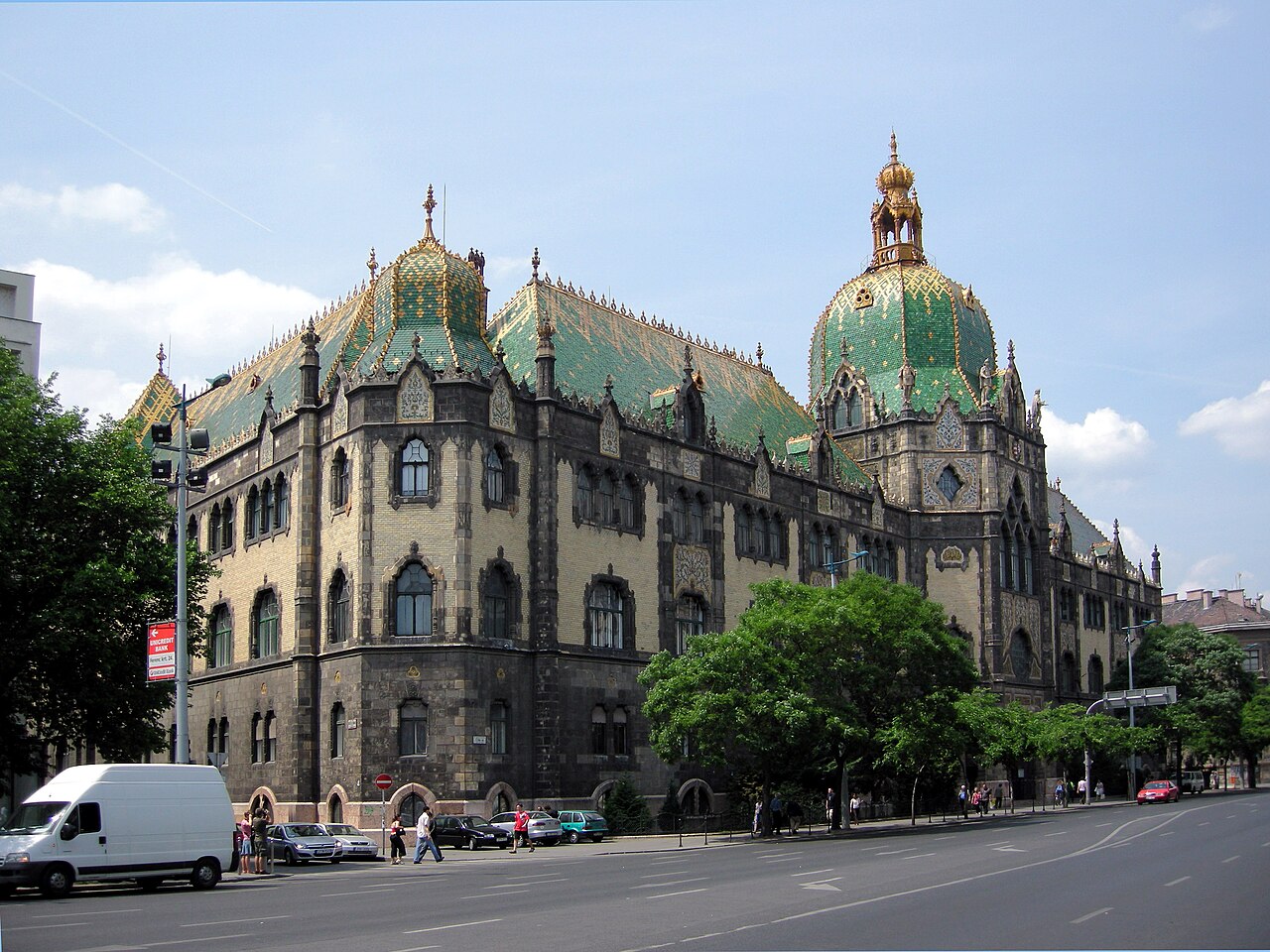
Museum of Applied Arts
- Must see · Heritage site
- Museum
Language · 11 published
Museum · Budapest
Holokauszt Emlékközpont
Reviewed by Elena Voss · Roavina Travel Editor
| Monday | Closed |
|---|---|
| Tuesday | 10:00 – 18:00 |
| Wednesday | 10:00 – 18:00 |
| Thursday | 10:00 – 18:00 |
| Friday | 10:00 – 18:00 |
| Saturday | 10:00 – 18:00 |
| Sunday | 10:00 – 18:00 |
Parsed from OpenStreetMap opening hours on 2026-09-09.
This place is a Museum. It was established in 2004.
The Holocaust Memorial Center in Budapest is a museum and memorial devoted to the Holocaust in Hungary. It occupies a former synagogue in the Pava Street area and combines historical education with remembrance. The institution addresses the persecution, deportation and murder of approximately 600,000 Hungarian Jews and other victims. This is a place for sustained attention rather than a quick landmark visit. Set aside emotional space before and after the museum, and approach the building with the respect appropriate to a memorial. The Holocaust Memorial Center in Budapest is a memorial and museum dedicated to documenting the Holocaust in Hungary. It occupies a former synagogue building in the Páva Street area. The institution serves as a site of remembrance for the approximately 600,000 Hungarian Jews and other victims murdered during the Holocaust. The center combines exhibition spaces with memorial functions, creating a place for education and reflection on this tragic chapter of Hungarian and European history. No. These are separate memorial sites in Budapest with distinct locations and purposes. The Shoes on the Danube Bank is an outdoor sculptural memorial along the river embankment.
Checked 2026-08-26 · Source
The center combines exhibition galleries with the restored synagogue space and memorial areas. Displays use documentary material, personal testimonies and historical objects to explain anti-Jewish laws, deportations and destruction in Hungary. The building's former religious character remains part of the experience, while the memorial spaces create room for quiet reflection. Read at your own pace and give particular attention to personal stories, because they connect the wider historical sequence with individual lives and communities affected by the Holocaust.
Checked 2026-08-26 · Source
A focused visit may take about ninety minutes, while a careful visit can occupy several hours or half a day. The galleries contain substantial historical material, and reading personal testimony takes time. The emotional weight of the subject can also make a slower pace appropriate. Leave room between this museum and the next activity if you need quiet afterward. The center works best as a dedicated visit, not as something squeezed between several rapid sightseeing stops.
Checked 2026-08-26 · Source
Morning can offer a calmer setting for reading and reflection, while the outdoor and neighbourhood journey to Pava Street is more comfortable in moderate weather. Summer brings longer daylight but can be warm; winter brings cold conditions and shorter days. Commemorative dates and maintenance can affect a memorial institution's operation, so build flexibility into the day. The site deserves enough uninterrupted time to engage with the exhibitions rather than a hurried arrival just before another fixed appointment.
Checked 2026-08-26 · Source
The center is a museum institution with exhibition and memorial spaces, and admission is separate from visiting outdoor Budapest memorials such as the Shoes on the Danube Bank. Treat the visit as an indoor museum stop and plan time for the galleries rather than only the building exterior. Group visits, educational activities and special displays can follow different arrangements from an ordinary individual visit. The main value lies in the historical material and remembrance setting, not in a brief architectural inspection.
Checked 2026-08-26 · Source
The center is on Pava Street in Budapest's ninth district, south of the central Danube-side tourist area. Tram and bus connections serve the wider district, while taxis and rideshare services provide a direct approach. Walking from central Pest is possible but takes substantial time, so include the journey in your day plan. The location pairs naturally with other southern Pest activities, but allow a quiet transition after the visit because the museum's subject matter requires concentration and emotional attention.
Checked 2026-08-26 · Source
The exhibitions address genocide, persecution and murder, and some historical evidence may be distressing. Visit at a pace that suits your emotional readiness and take breaks when needed. Silence or mute your phone and behave respectfully throughout the memorial spaces. Historic interiors can include stairs or uneven surfaces. Keep clothing and conduct appropriate to a place of remembrance, and avoid treating memorial elements as casual props. The surrounding district is urban; ordinary awareness is sensible when returning later in the day.
Checked 2026-08-26 · Source
Photography should remain secondary to remembrance and education. Follow signs and staff directions in galleries, the former synagogue and memorial areas, and avoid flash when it would disturb visitors or affect sensitive displays. Do not pose casually with memorial elements or block other people's quiet reflection. If photography is permitted, make discreet handheld images and keep equipment small. The most respectful photographs record architectural atmosphere and exhibition context without turning the site into a spectacle.
Checked 2026-08-26 · Source
It documents the Holocaust in Hungary and commemorates approximately 600,000 Hungarian Jews and other victims murdered during the Holocaust.
No. They are separate Budapest memorial sites: the center is an indoor museum and memorial on Pava Street, while the Shoes on the Danube Bank is an outdoor riverside memorial.
The center contains exhibition galleries, documentary material, personal testimonies, historical objects, a restored synagogue space and areas intended for reflection.
A focused walkthrough can take about ninety minutes, while visitors who read extensively and reflect in depth may spend several hours or half a day.
It is on Pava Street in Budapest's ninth district, south of the central Danube-side tourist area.
Move quietly, silence your phone, follow directions in exhibition and memorial spaces, and give yourself time to engage respectfully with difficult historical material.
Loading the interactive map…
The interactive map could not be loaded.
Last updated:
Source: OpenStreetMap contributors, Wikidata ·