
4 min walk
BarCraft Buda
- Notable
- Nightlife venue
Language · 11 published
Historic monument · Budapest
Szent Gellért Gyógyfürdő és Uszoda
Reviewed by Elena Voss · Roavina Travel Editor
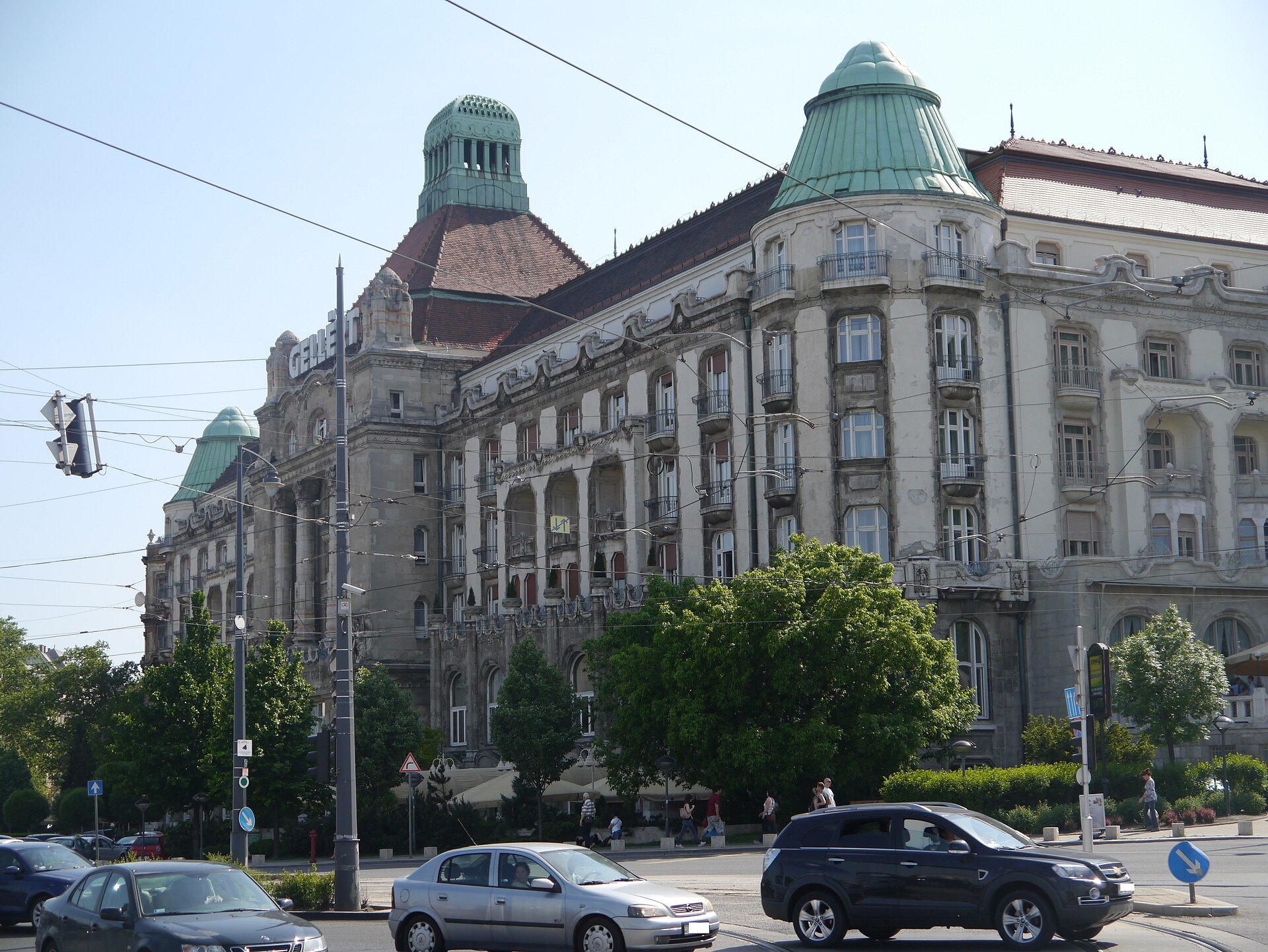
This place is a Attraction. It was built in the Art Nouveau architecture style.
Gellert Thermal Bath is a historic thermal-bath complex on Budapest’s Buda side, beside the Danube and at the foot of Gellert Hill. Its natural thermal springs have supported bathing here since the Ottoman period, while the present Art Nouveau building dates from the early twentieth century. Stained glass, mosaics, sculptural details, and richly decorated spaces make the building an architectural destination as well as a bathing venue. The operator states that the bath has been closed for renovation since 1 October 2025 and is expected to reopen in 2028. Gellert Thermal Bath is a historic thermal bath complex in Budapest, Hungary, occupying an Art Nouveau building on the Buda side of the Danube near Gellert Hill. The facility draws from natural thermal springs that have been utilized for bathing since Ottoman times, though the current structure dates to the early twentieth century. No. The operator states it has been closed for renovation since 1 October 2025 and is expected to reopen in 2028.
Checked 2026-08-26 · Source
Before its renovation closure, Gellert Thermal Bath included indoor and outdoor thermal pools, swimming pools, plunge pools, steam rooms, saunas, and massage services. The central swimming hall was framed by columns and galleries, while decorative tiles, ornate metalwork, mosaics, and figurative sculpture shaped the interior experience. The outdoor wave pool and terrace added a seasonal open-air element. The historic architecture is central to the visit: allow time to look upward at the hall, around the pool edges, and across the ornamental details.
Checked 2026-08-26 · Source
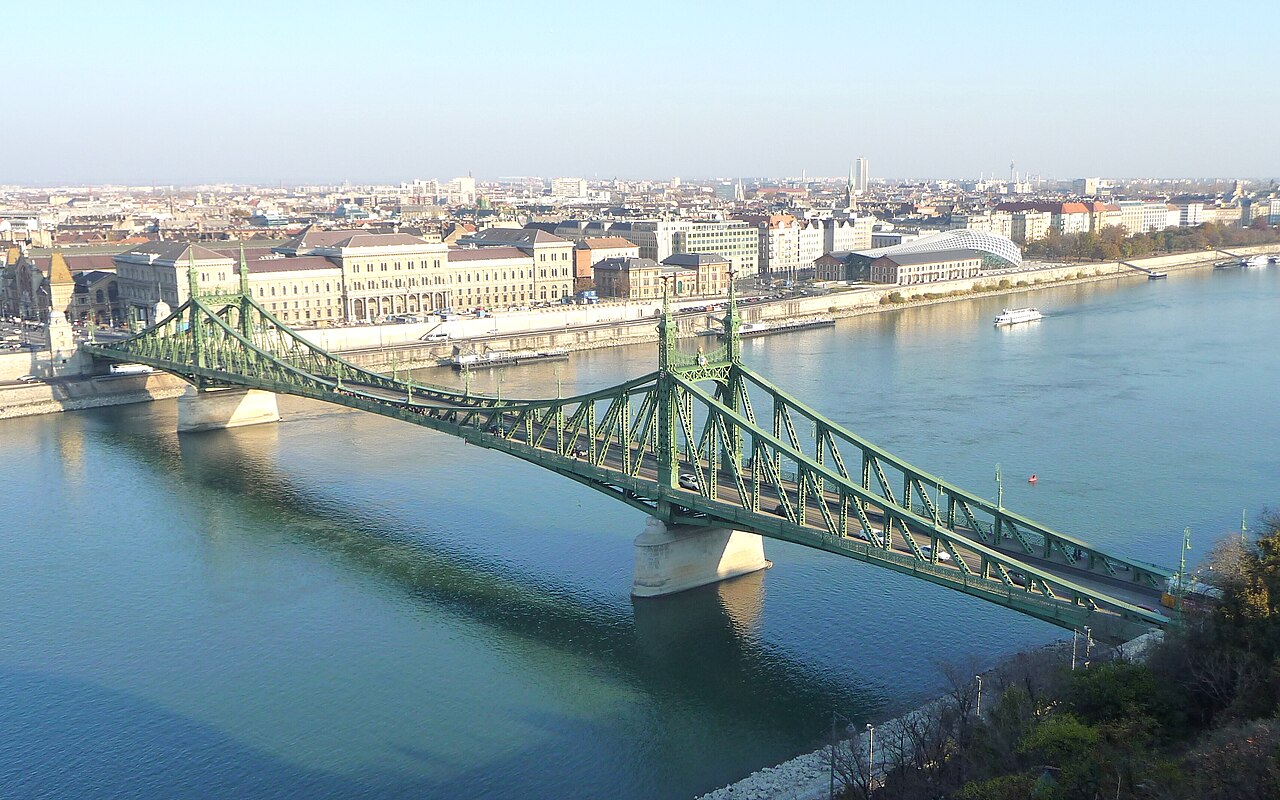
A thermal-bath visit here traditionally suits a two- to four-hour plan, depending on how much time you spend moving between pools, resting, using heat facilities, or booking a massage. The decorated building rewards an unhurried pace, so a quick swim does not capture the whole experience. When the bath reopens, combine the visit with a walk around Gellert Hill or across Szabadsag Bridge. The riverside setting makes the complex easy to pair with a broader Buda sightseeing route.
Checked 2026-08-26 · Source
Gellert Thermal Bath is closed for renovation from 1 October 2025, with reopening expected in 2028. Until bathing resumes, the building is an exterior landmark rather than an operating attraction. Once open, heated indoor pools should make the bath suitable for year-round planning, while outdoor elements have a stronger seasonal character. The Buda riverbank and Gellert Hill remain rewarding in every season, although winter weather calls for warm clothing during walks before or after a future bathing visit.
Checked 2026-08-26 · Source
There is no current admission visit because the bath is closed for renovation. Before closure, Budapest thermal baths commonly used ticket categories that varied by weekday, weekend, locker or cabin use, and optional treatments such as massage. Those historical arrangements should not be treated as the future fare structure. For a later trip, plan the bath as a paid attraction and allow time for the admission process, changing, showering, and moving between the bathing areas. Future entry may also involve timed sessions after reopening.
Checked 2026-08-26 · Source
The complex stands on the Buda riverbank at the foot of Gellert Hill, beside Hotel Gellert and near Szabadsag Bridge. Tram lines along the riverside historically served stops close to the site. The position is convenient for a route linking central Buda, the Danube promenade, Gellert Hill, and the bridge to Pest. A walk from the Buda Castle district involves descending from higher ground. During the renovation period, visitors can approach the exterior from the surrounding public streets.
Checked 2026-08-26 · Source
The most important practical point is the renovation closure: current claims that visitors can enter for bathing are incorrect. The historic setting includes steps and uneven surfaces, so the building may require careful movement after reopening. Thermal bathing also calls for sensible hydration and moderation in hot pools. Swimwear was part of the historical bathing experience, but the post-renovation visitor rules may differ. Treat unsolicited offers of immediate admission during the closure with caution, since no bathing visit is operating now.
Checked 2026-08-26 · Source
The exterior building and riverside setting can be photographed from public spaces during the renovation closure. Inside a future bathing visit, privacy will be the key consideration because pools and changing areas are shared by visitors. The ornate Art Nouveau details make the central hall, mosaics, stained glass, and sculptural decoration natural subjects when photography is permitted. Keep equipment discreet, avoid photographing other bathers, and leave tripods or commercial setups for arrangements specifically authorised by the venue.
Checked 2026-08-26 · Source
No. The operator states that it has been closed for renovation since 1 October 2025 and is expected to reopen in 2028.
It is an early-twentieth-century Art Nouveau thermal-bath complex with stained glass, mosaics, sculptural details, and decorated pool halls.
It is on Budapest’s Buda-side Danube riverbank, at the foot of Gellert Hill, beside Hotel Gellert and near Szabadsag Bridge.
A typical thermal-bath visit suited a two- to four-hour plan, including pool time, relaxation, heat facilities, or treatments.
The complex included thermal pools, swimming pools, plunge pools, steam rooms, saunas, massage services, and an outdoor wave pool.
The exterior and riverside setting can be photographed from public spaces. Interior photography will depend on the rules after reopening and should respect bathers’ privacy.
Loading the interactive map…
The interactive map could not be loaded.
Last updated:
Source: OpenStreetMap contributors, Wikidata ·