


10 min walk
gróf Teleki László
- High
- Historic monument
Language · 11 published
Historic monument · Budapest
Keleti pályaudvar
Editorial responsibility: Elena Voss · Roavina Travel Editor
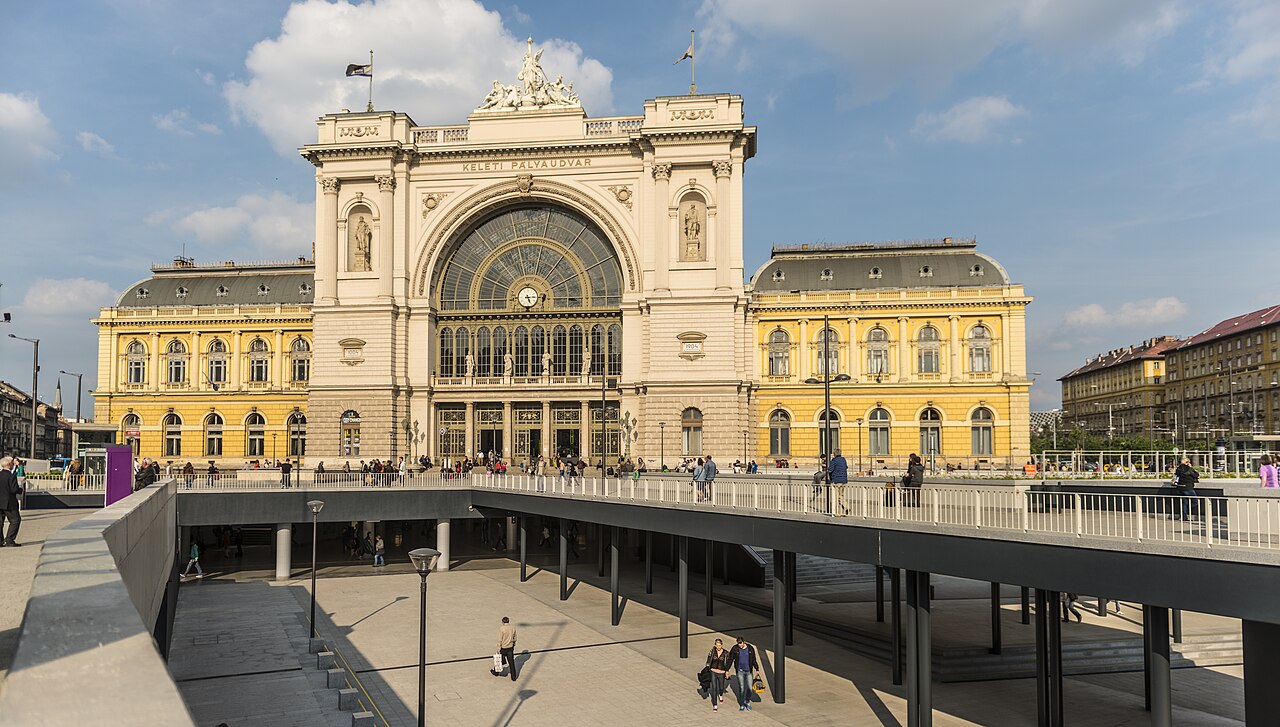
It opened in 1884. It was built in the eclectic architecture style. It was designed by Gyula Rochlitz. It is run by MÁV Infrastructure Co. Ltd.
Keleti pályaudvar is Budapest's principal international railway terminus and a major passenger hub in eastern Pest. Opened in 1884, the station serves domestic and international routes across Europe. Its name translates to Eastern Railway Station, reflecting its position on the east side of the city. The building features a historic facade with classical architectural elements. It functions as a critical node in Hungary's rail network, connecting Budapest to Vienna, Prague, Munich, and other European destinations through both daytime and overnight services.
Checked 2026-08-28
The station complex contains multiple platforms, a main concourse with passenger facilities, retail spaces, and waiting areas. The original 19th-century hall remains in use alongside modernized sections. International ticket offices, domestic counters, and information desks serve travellers. Underground passages connect platforms. Food vendors, currency exchanges, and luggage services operate within the premises. The building's historic decorative elements, including its facade sculptures and clock tower, represent notable architectural heritage from the Austro-Hungarian period of railway expansion across Central Europe. A flexible visit keeps attention on what is distinctive at Keleti pályaudvar without treating one room, viewpoint or photograph as the whole experience. Conditions on arrival should decide the final pace.
Checked 2026-08-28
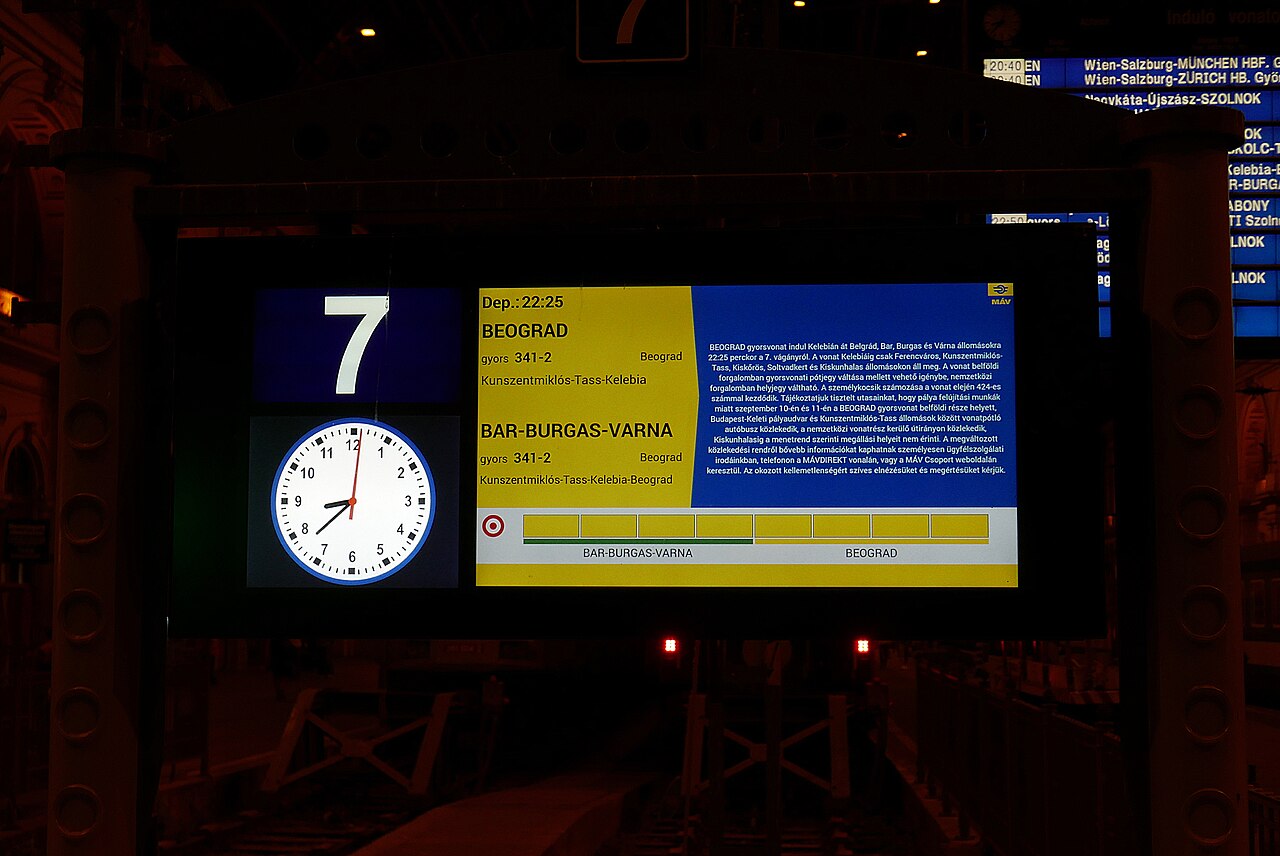
Transit passengers typically spend fifteen to forty minutes navigating the station, purchasing tickets, or awaiting connections. Those examining the historic architecture may allocate thirty to sixty minutes. International journeys require additional time for platform access and document checks. The station operates continuously as a transport hub, so duration depends entirely on individual travel circumstances. Extended stays are generally unnecessary unless experiencing delays or awaiting specific departure times. Early arrival is prudent for international services due to potential queue lengths at ticket controls.
Checked 2026-08-28

The station functions year-round as an active transport hub. Peak congestion occurs during morning and evening commuter periods, summer tourist season, and before major holidays when international services experience heightened demand. Travellers should verify current schedules through official railway channels. Overnight services depart at various times. The building's exterior is visible at any hour. Interior access for non-travellers may be restricted; specific policies are not documented in available sources. Keleti pályaudvar also earns time in a budapest itinerary because its setting and role differ from the surrounding ranked stops. Compare the place with the nearby streets before deciding how it fits the day. Check the operator's own site for the travel date before relying on a schedule or fare.
Checked 2026-08-28
Domestic and international rail tickets are available at station counters and machines. Pricing varies by route, class, and booking conditions. Discounts may apply for advance purchases or specific passenger categories. International journeys typically require reservations on certain routes. Payment methods include cash and cards, though specific accepted currencies and systems are not detailed in sources. Travellers should consult official railway websites or staff for current fares, as costs fluctuate based on exchange rates and operator policies. Check the operator's own site for the travel date before relying on a schedule or fare.
Checked 2026-08-28

Keleti pályaudvar sits in Budapest's eighth district, accessible via Metro Line 2 and Line 4, which serve the station directly. Multiple bus and tram routes connect to surrounding streets. Taxis and ride services operate at designated ranks. The station's eastern location places it approximately three kilometres from the city centre. Walking from central Pest districts is feasible but not practical with luggage. Night bus services maintain connections when metro operations cease. Cyclists find limited infrastructure immediately adjacent to the busy traffic environment.
Checked 2026-08-28
The station environs attract persistent taxi touts and unofficial transport operators who may overcharge unfamiliar visitors. Pre-booked or metered services are advisable. Pickpocketing occurs in crowded areas, particularly platforms and passageways during peak times. Luggage should remain attended. Currency exchange booths may offer unfavourable rates compared to city alternatives. Construction or renovation works periodically affect platform access and pedestrian routes. Sleepers on overnight international routes require advance reservation. The surrounding neighbourhood requires standard urban awareness after dark, as with any major transport terminus.
Checked 2026-08-28
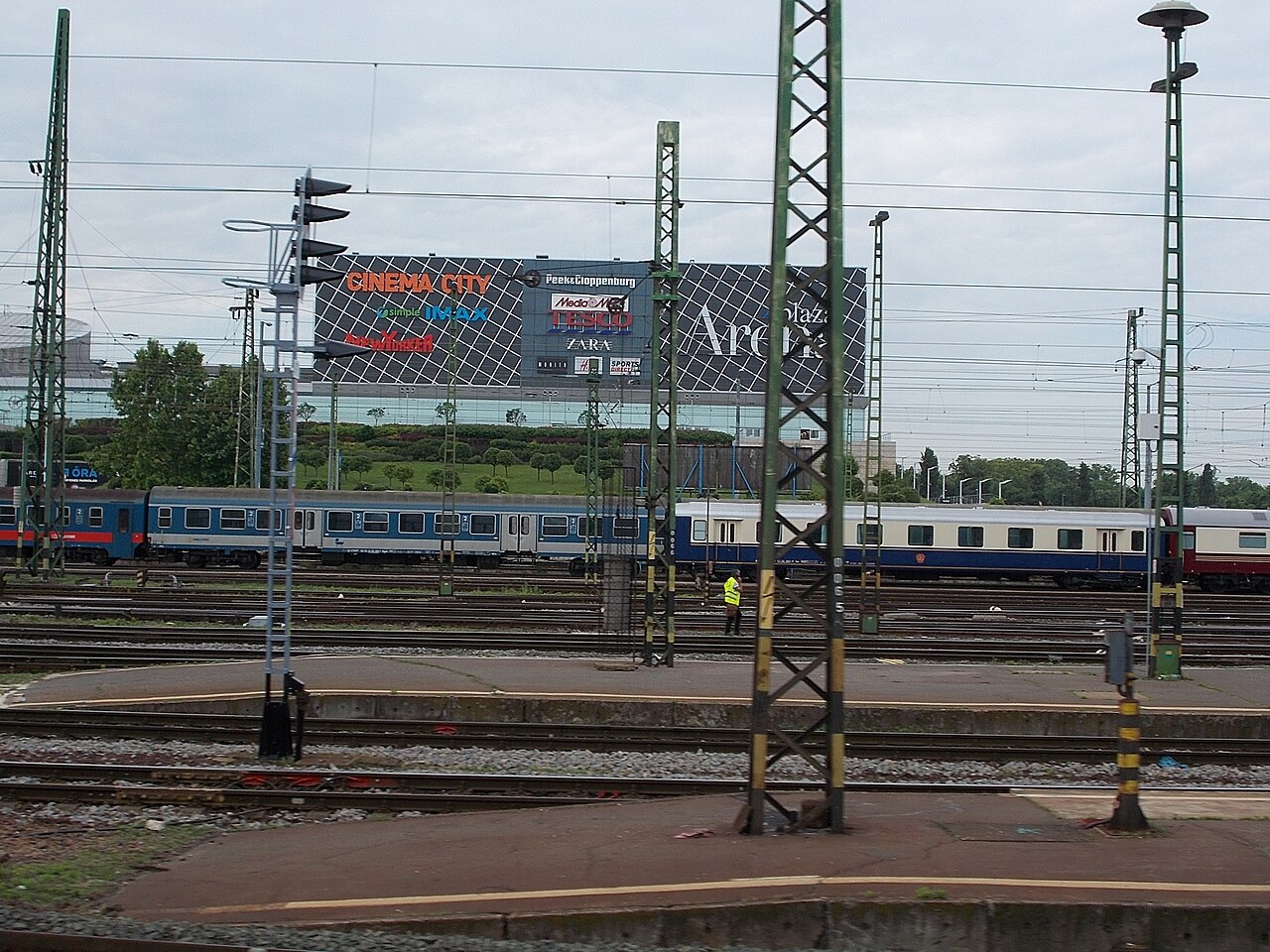
The historic facade and main hall permit exterior and interior photography without restriction in publicly accessible areas. Tripod use may attract security attention and is not recommended without prior permission. Platform photography is generally tolerated but should not obstruct passenger movement or operational activities. The building's symmetrical frontage, clock tower, and sculptural details offer strong architectural subjects. Interior lighting varies between the historic hall and modernized sections. Early morning or late afternoon exterior shots benefit from angled sunlight on the facade. Commercial or staged photography likely requires formal authorization.
Checked 2026-08-28
It is one of three principal stations, serving primarily international and eastern domestic routes. Nyugati and Déli stations handle other directions.
Luggage services operate within the complex, though specific locations, hours, and pricing are Not recorded pending review.
Yes, international services connect Budapest to Vienna and multiple other European capitals.
Modernization efforts include accessibility features, but specific platform and facility details are Not recorded pending review.
Same-day purchase is possible for many routes, though international services may require reservations that sell out during peak periods.
Arriving thirty to sixty minutes before departure is prudent to navigate the station and complete any required procedures.
Loading the interactive map…
The interactive map could not be loaded.
Last updated:
Source: OpenStreetMap contributors, Wikidata ·