Gellért Hill
Gellért-hegy
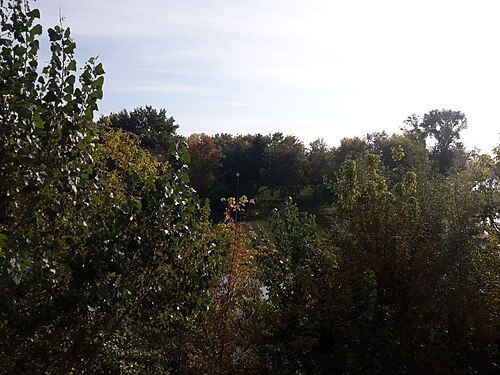
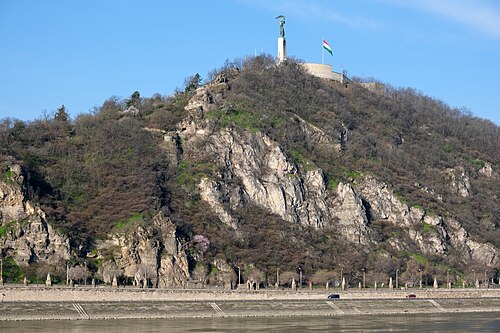
Gellért Hill is a 235-metre dolomite bluff on the Buda bank of the Danube, straddling the 1st and 11th districts and rising about 140 metres above the water directly opposite the Pest embankment.
- Must see
- Viewpoint
City guide · Hungary
Budapest is divided by the Danube into hilly Buda and flatter Pest. Castle Hill and the Buda riverbank hold major historic sights, while Pest contains Parliamen...
Photograph · Thomas Depenbusch (Depi) from Cologne, Germany · CC BY 2.0
Set your days, your pace and the hours you actually want to be out. The planner works around closing days and travel time, and leaves room to eat.
Reviewed by Elena Voss · Roavina Travel Editor
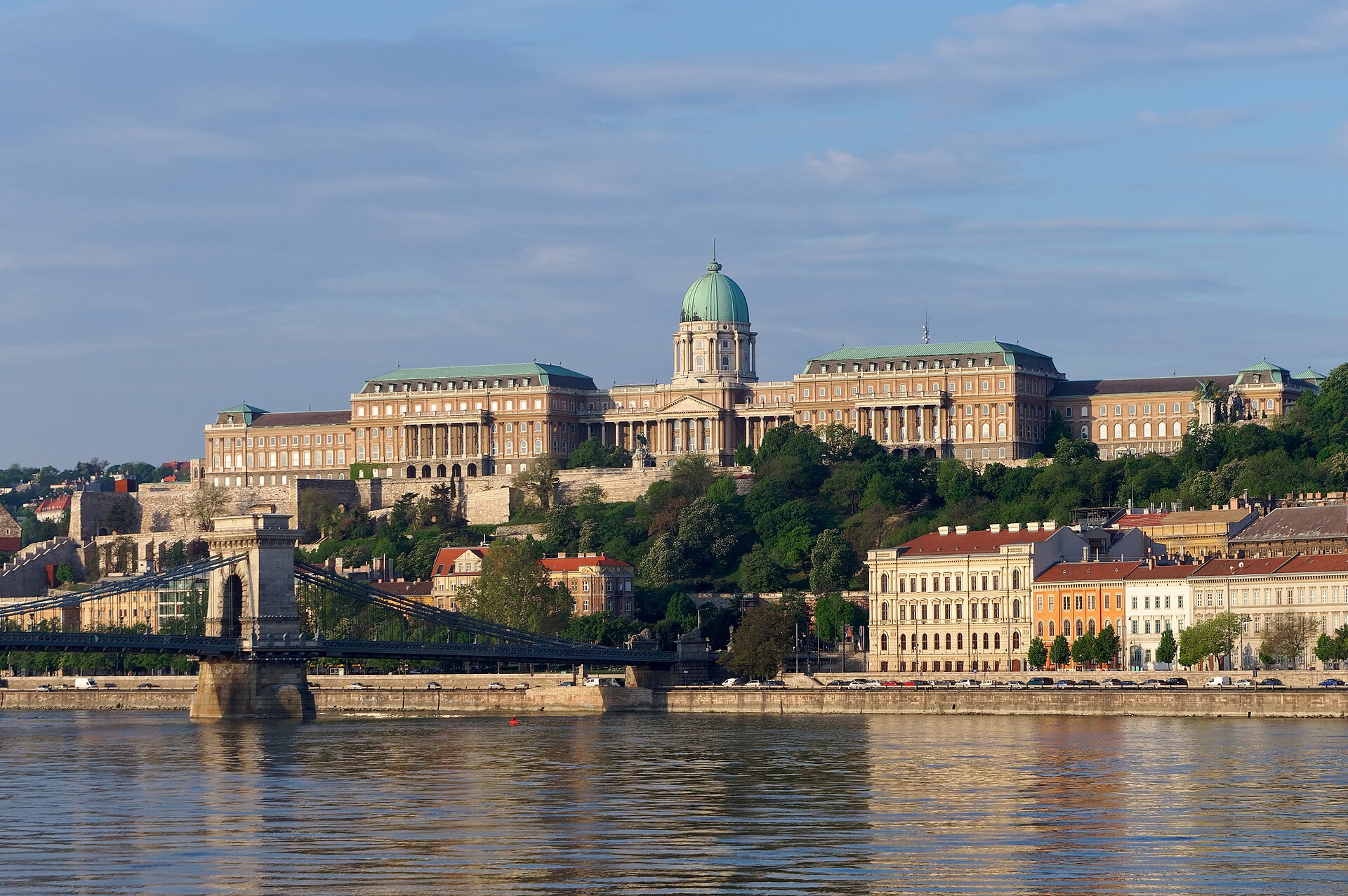
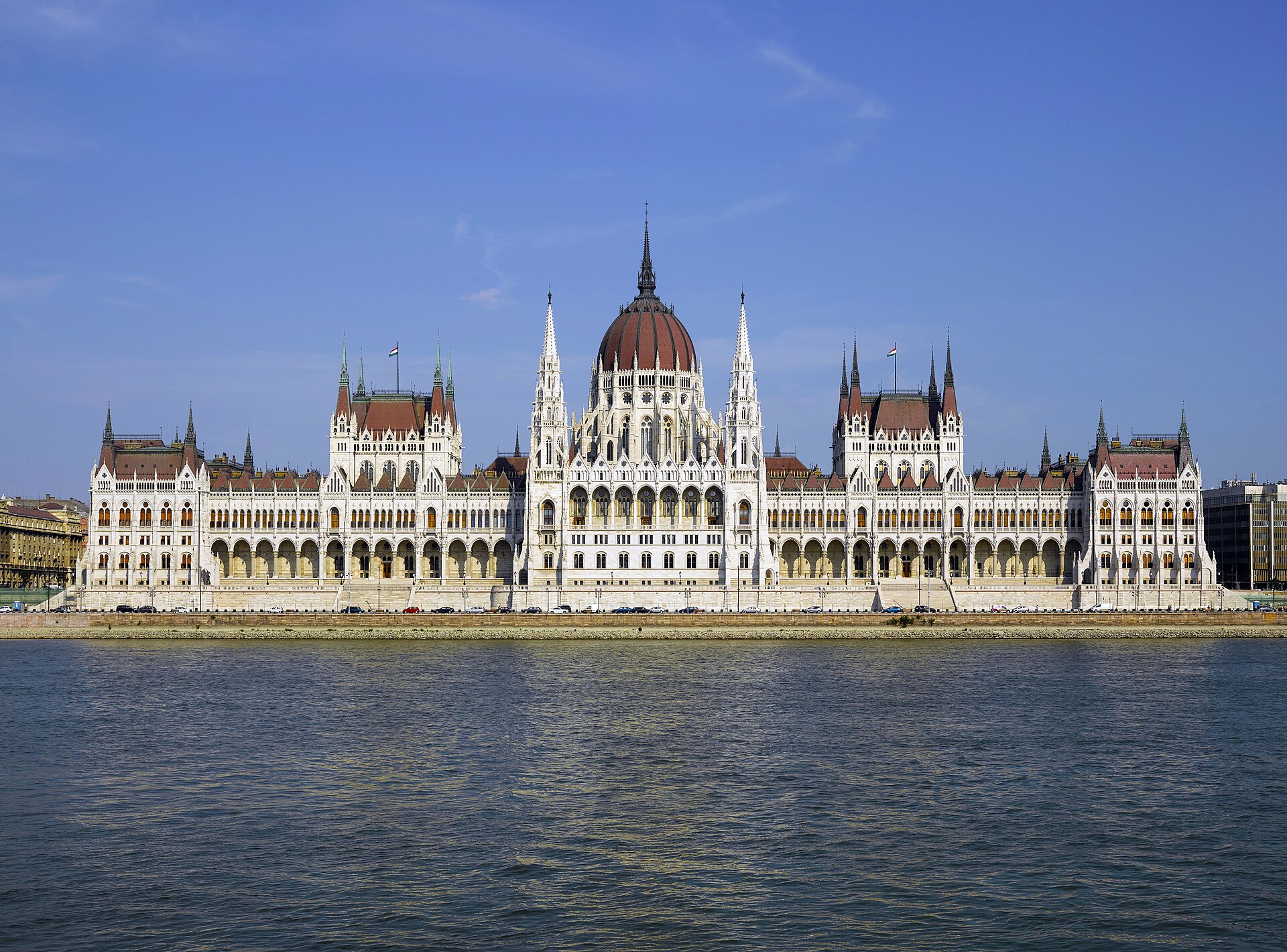
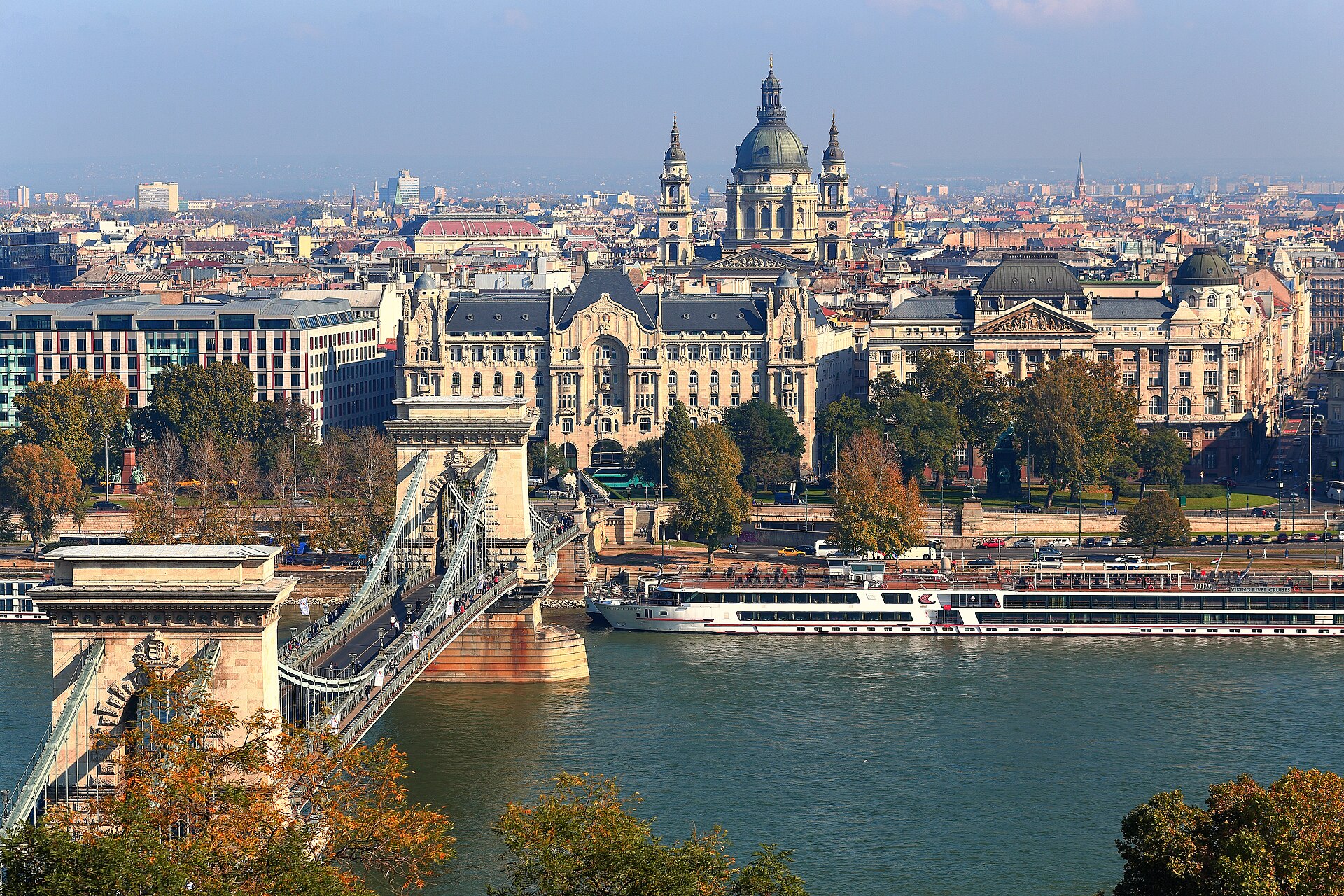
Budapest is divided by the Danube into hilly Buda and flatter Pest. Castle Hill and the Buda riverbank hold major historic sights, while Pest contains Parliament, the central boulevards, the Jewish Quarter, the main market and much of the nightlife. Bridges connect the two halves, but steep terrain and river crossings make geographic grouping more efficient than repeatedly switching banks.
Checked 2026-08-26
September · September cools Budapest to a comfortable 22.1°C mean high and averages only five precipitation days.
Ranked by importance — sitelinks, pageviews and heritage status, not editor preference.
29 places match
Category
Typical visit duration
Interests
Gellért-hegy
Gellért Hill is a 235-metre dolomite bluff on the Buda bank of the Danube, straddling the 1st and 11th districts and rising about 140 metres above the water directly opposite the Pest embankment.
Szépművészeti múzeum
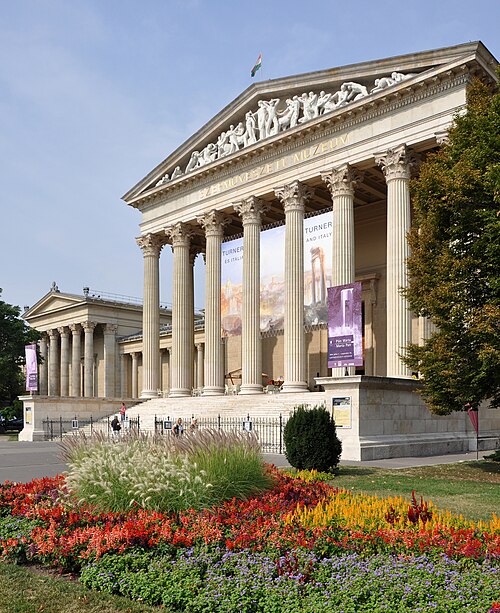
The Museum of Fine Arts is a major art museum in Budapest, Hungary. It stands on Heroes' Square in the city, forming part of a significant cultural ensemble with the Palace of Art and Millennium Monument.
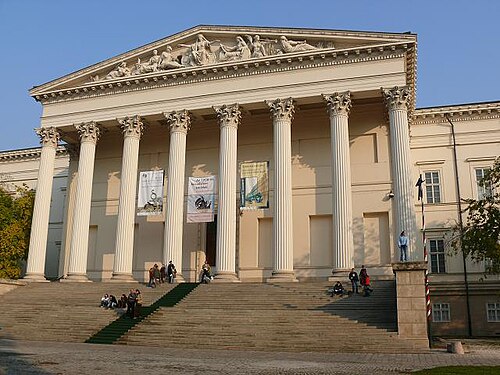
Magyar Nemzeti Múzeum
The Hungarian National Museum stands as a major institution in Budapest, dedicated to the history, archaeology and art of Hungary. Founded in 1802, it occupies a neoclassical building designed by Mihály Pollack that opened in 1847.
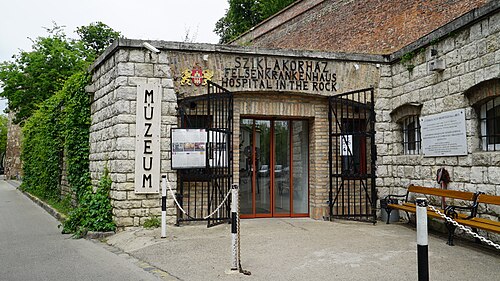
Sziklakórház Atombunker Múzeum
Hospital in the Rock is a former emergency hospital and nuclear bunker located beneath Buda Castle in Budapest. The facility was built into the natural cave system under Castle Hill during the 1930s and expanded during the Cold War era.
Rudas Gyógyfürdő és Uszoda
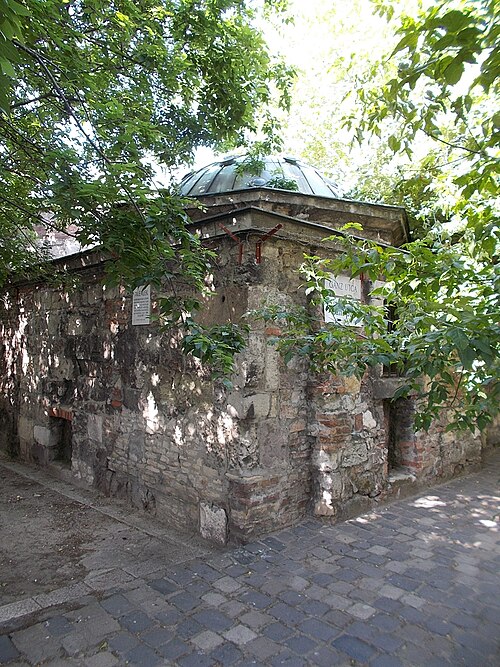
Rudas Thermal Bath and Swimming Pool is a working Budapest bath complex whose centrepiece is a 16th-century Ottoman bath. The operator describes an octagonal thermal pool beneath a 10-metre dome carried by eight pillars.
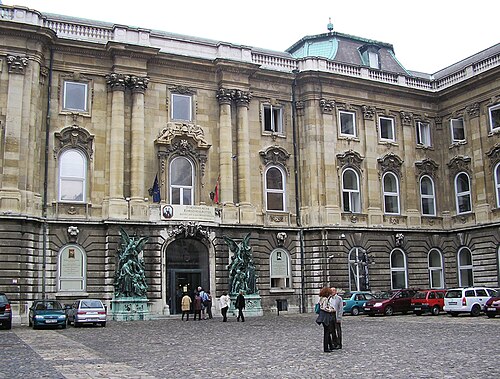
Budapesti Történeti Múzeum
The Budapest History Museum is a municipal museum dedicated to the history of Hungary's capital city.
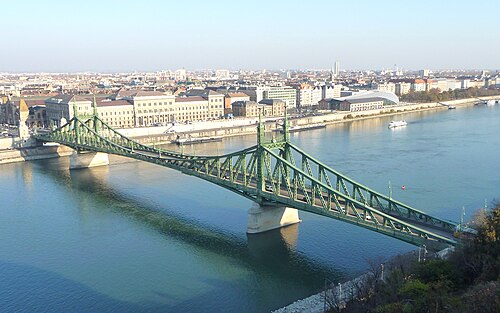
Liberty Bridge spans the Danube River in Budapest, connecting Buda and Pest. The green-painted structure features Art Nouveau design elements and distinctive turul bird statues at its masts.
Margaret Bridge is a historic road bridge in Budapest, Hungary, connecting Buda and Pest across the River Danube. It is the second northernmost bridge in the city centre and provides access to Margaret Island via a junction at its midpoint.
Király fürdő
Kiraly Thermal Bath is a historic Budapest bath associated with the city’s Ottoman period and traditional thermal-water culture. Its defining architectural feature is an Ottoman-style pool hall with a central dome and octagonal layout.
Palatinus strandfürdő
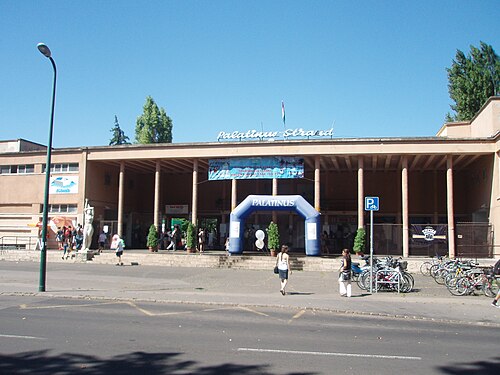
Palatinus Strand Baths is a large open-air bathing complex on Margaret Island in the Danube, Budapest. It belongs to the city’s strong bathing culture while offering a distinctly green island setting away from dense central streets.
Vaci Street is a famous pedestrian shopping street in central Budapest, running from Vorosmarty Square south toward the Great Market Hall area. It is a useful route for seeing the commercial heart of Pest while moving between major city-centre sights.
Fashion Street is a pedestrian shopping street in central Budapest, located in the Fifth District near Deák Ferenc Square. The street runs between Deák Ferenc Square and Váci Street, forming part of the city's retail core.
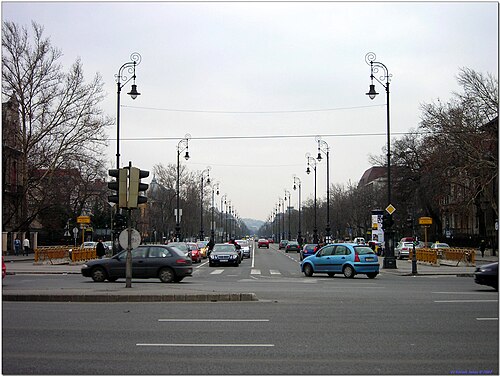
Andrassy Avenue is a prominent boulevard in central Budapest, Hungary. The avenue stretches from Deak Ferenc Square to Heroes' Square and forms part of the Budapest World Heritage Site.
Robert Capa Kortárs Fotográfiai Központ
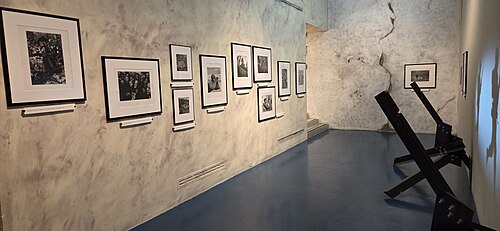
The Robert Capa Contemporary Photography Center is a photography museum and exhibition space in Budapest. It is named after Robert Capa, the renowned Hungarian-born war photographer.
Holokauszt Emlékközpont
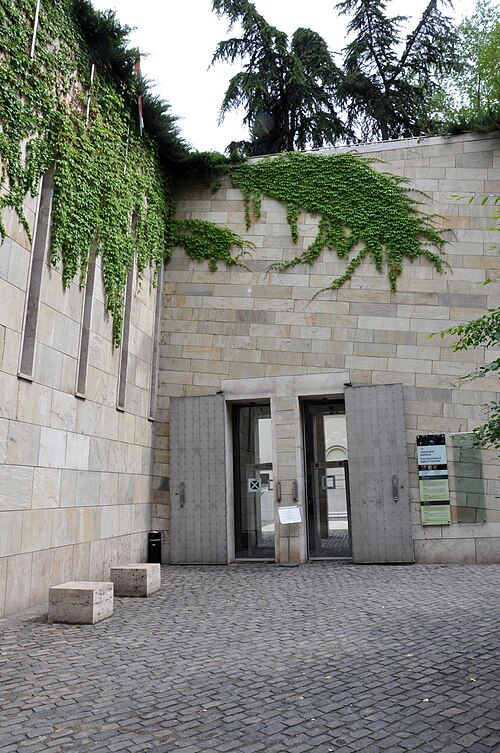
The Holocaust Memorial Center in Budapest is a museum and memorial devoted to the Holocaust in Hungary. It occupies a former synagogue in the Pava Street area and combines historical education with remembrance.
Aquincumi Múzeum
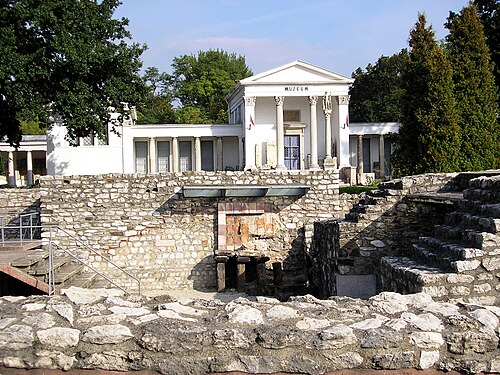
Aquincum Museum preserves the remains of the ancient Roman city of Aquincum in northern Budapest's Obuda district. The site presents both an indoor archaeological museum and an outdoor ruin area.
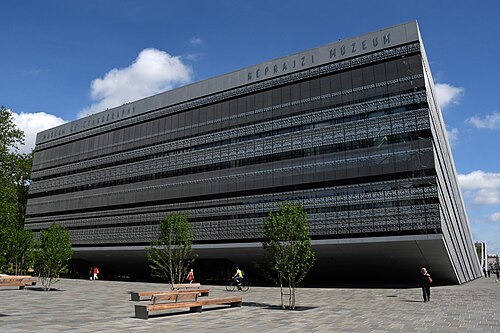
Néprajzi Múzeum
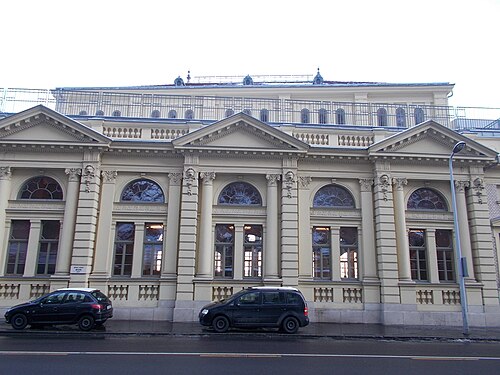
The Museum of Ethnography in Budapest is a national museum dedicated to Hungarian and international ethnographic collections. It is housed in a prominent building near Kossuth Square in the Hungarian capital.
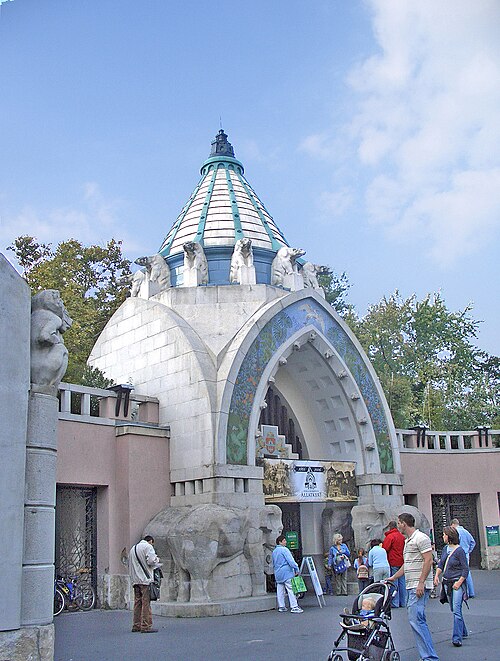
Fővárosi Állat- és Növénykert
Budapest Zoo and Botanical Garden is a combined zoological and botanical institution in Budapest, Hungary. It holds significance as one of the oldest zoos in the world, with origins dating to the nineteenth century.
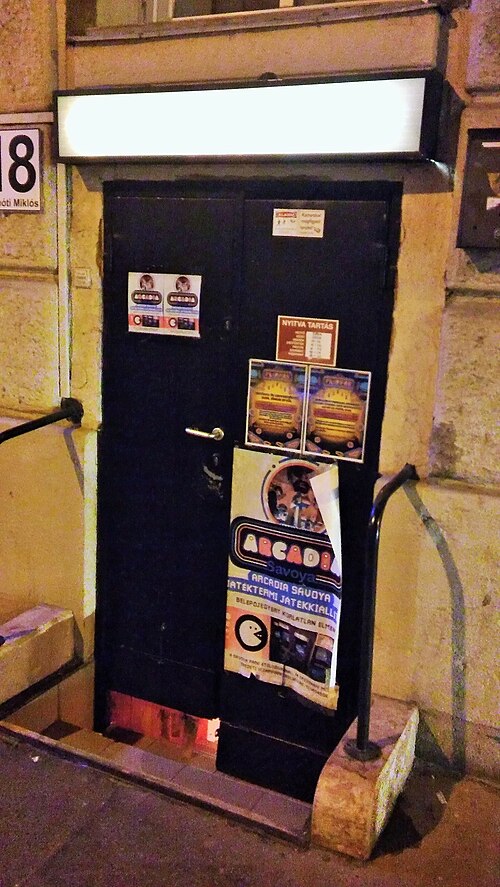
Flippermúzeum
Flippermúzeum is a museum in Budapest dedicated to pinball machines. It preserves and displays a collection of vintage and modern pinball tables for public engagement.
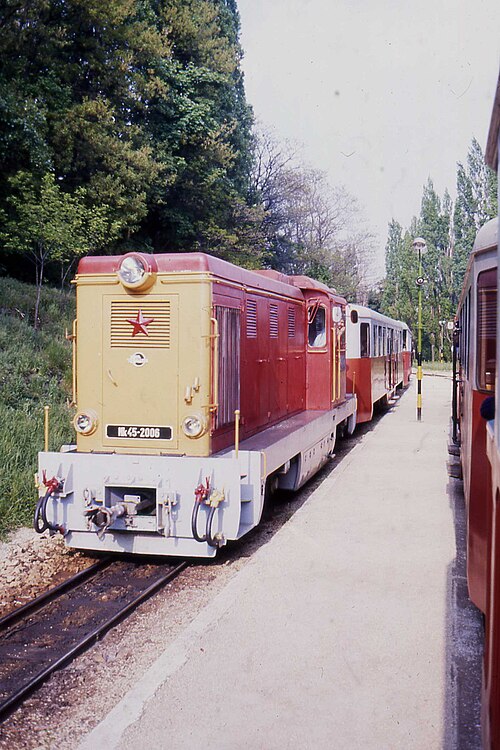
The Children's Railway is a narrow-gauge railway in the Buda Hills of Budapest, Hungary. It is notable for being operated primarily by children under adult supervision, a tradition dating to its origins in the socialist era.
Kopaszi Dam is a riverside park and recreational area located in Budapest, situated along the Danube in the southern part of the city.
Gozsdu Courtyard is a historic passage complex in Budapest's inner Erzsébetváros district, forming a covered walkway between Király Street and Dob Street through a series of interconnected courtyards.
Szimpla Kert
Szimpla Kert is Budapest’s original ruin pub, set in a converted factory building in District VII’s Jewish Quarter.
Buda rises west of the river around Castle Hill, Gellert Hill and residential slopes. Pest spreads east across a flatter grid: Parliament stands on the river, the inner districts surround Deak Ferenc Square, and Andrassy Avenue runs northeast toward City Park. The Jewish Quarter sits east of the central core. Treat Margaret Island and the outer thermal baths as dedicated stops rather than extensions of a riverside walk.
Checked 2026-08-26
Use metro, tram, trolleybus and bus services for cross-city travel, then walk within Castle Hill or the compact inner Pest districts. BKK states that the public transport network covers the capital, while its BudapestGO service supports journey planning and digital tickets. River crossings and Buda's slopes can make a short map distance slower than expected, so check the route before changing banks.
Checked 2026-08-26
A fixed stay length is not recorded. Plan at least separate blocks for Castle Hill and Buda, central Pest, City Park and any thermal bath or island visit.
Buda is the hillier western side with Castle Hill and Gellert Hill. Pest is the flatter eastern side containing Parliament, central boulevards, markets and much of the nightlife.
Use BKK metro and tram services for the main corridors, buses or trolleybuses for gaps, and walk inside compact districts. BudapestGO provides official journey planning and digital tickets.
Yes, central bridges connect the two sides, but the river crossing and Buda's slopes add time. Combine nearby sights on each bank before crossing to the other.
Yes. Castle Hill is a concentrated historic district on elevated terrain. Group its sights together rather than returning to it between stops in central Pest.