Hungarian State Opera House
Magyar Állami Operaház
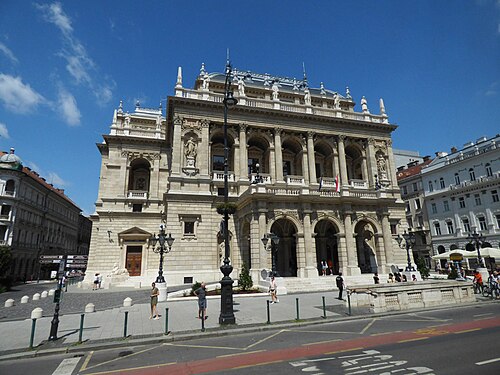
The Hungarian State Opera House is a prominent performing arts venue in Budapest. It serves as a major centre for opera and ballet performances in Hungary.
- Must see
- Art and culture venue
- Budapest
Language · 11 published
Country guide
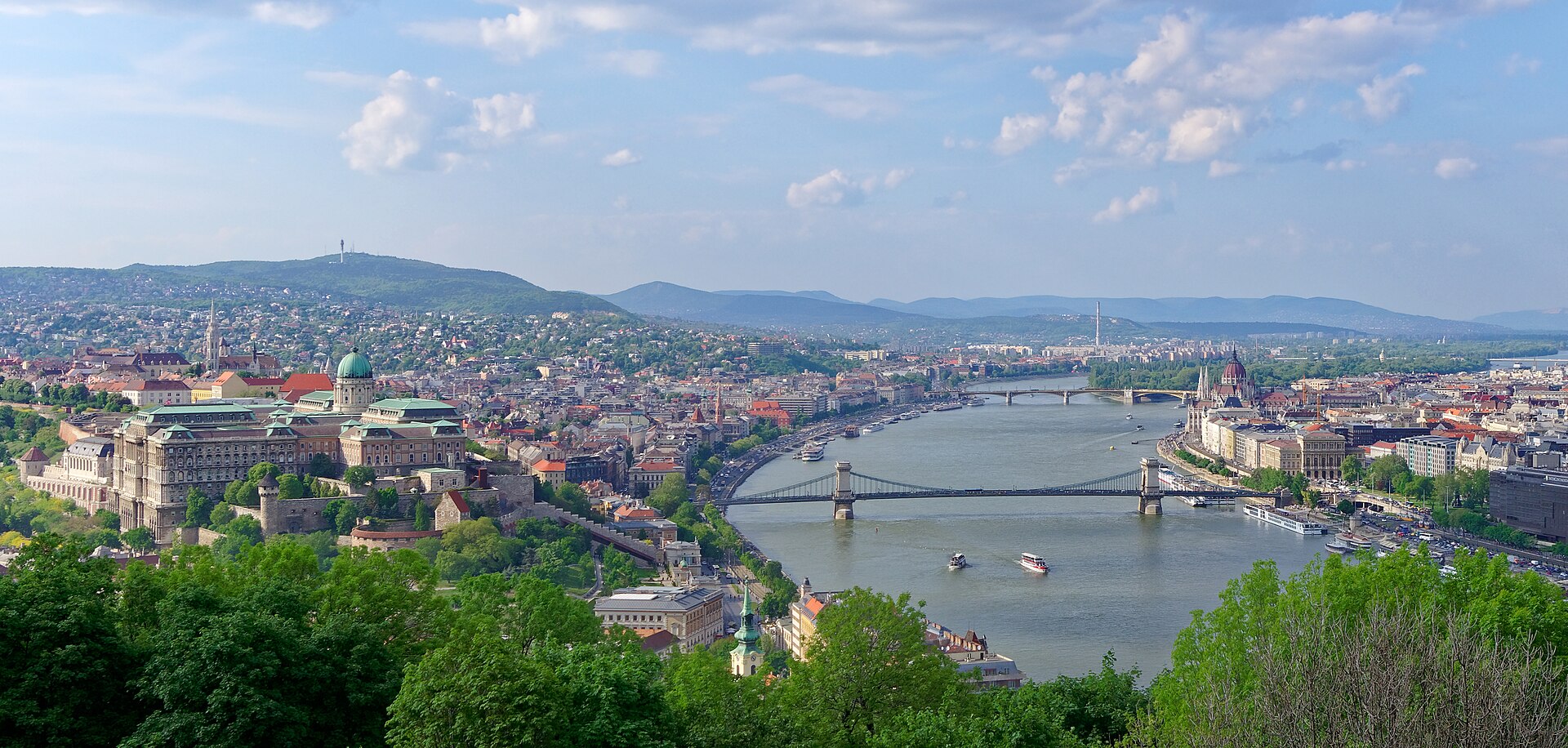
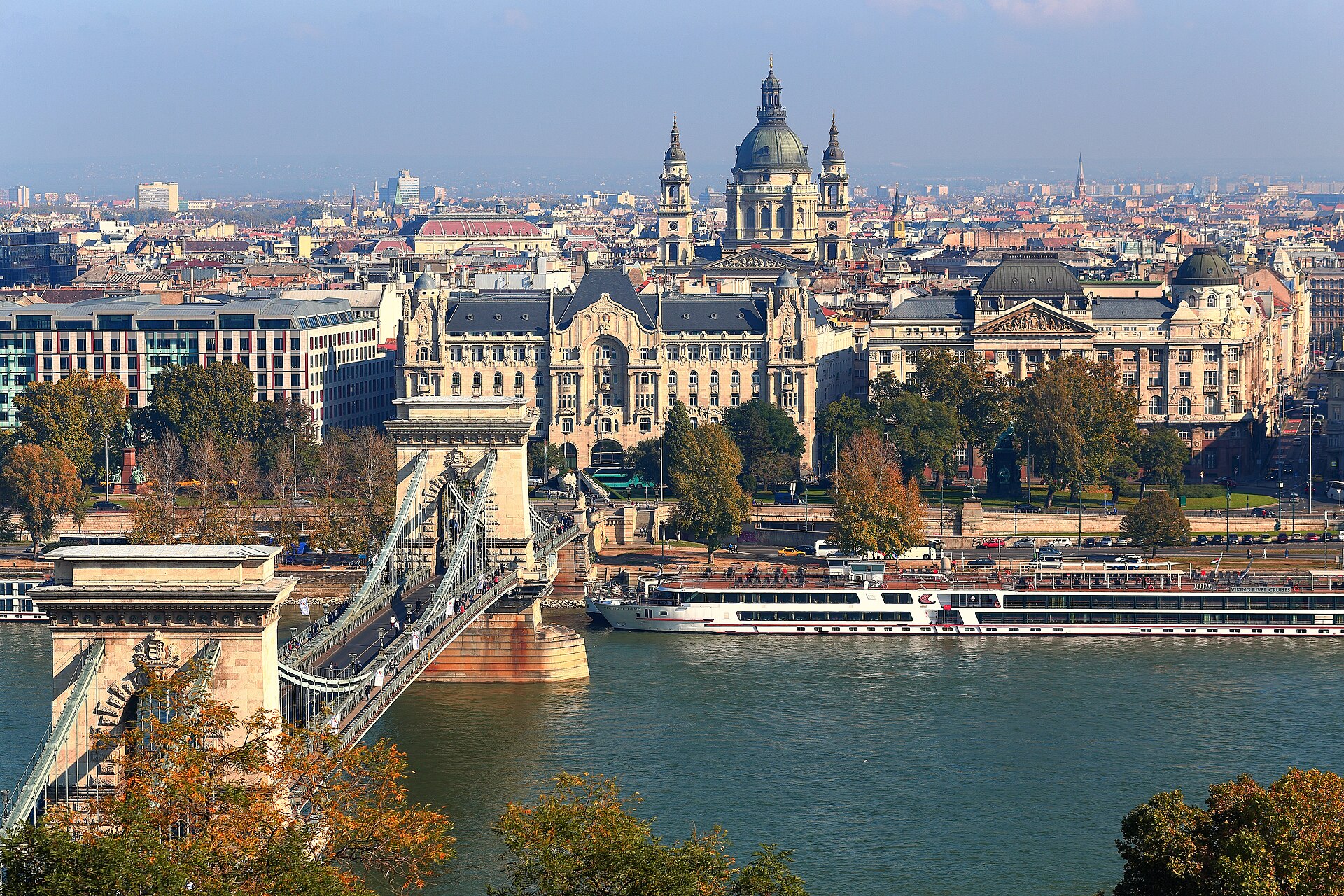
Hungary is landlocked inside the Carpathian Basin, drains entirely into the Danube, and is dominated by wide lowland plains with seven neighbours around the rim. Just over 9.5 million people live here, and Budapest pulls hard enough that most itineraries amount to the capital plus one decision. The Danube cuts the city in two and carries on north through the bend towns; the plains run east toward Romania; Lake Balaton lies southwest and does the work a coast would do in a country that has none. Hungarian is one of the few languages in Europe outside the Indo-European family, which is the first thing a visitor notices on a road sign and the last thing they get used to.
Reviewed by Elena Voss · Roavina Travel Editor
Every city catalogued in this country so far, ranked by how much there is to see.
Photograph · Thomas Depenbusch (Depi) from Cologne, Germany · CC BY 2.0
Ranked by importance — sitelinks, pageviews and heritage status, not editor preference.
14 places match
Category
Typical visit duration
Magyar Állami Operaház
The Hungarian State Opera House is a prominent performing arts venue in Budapest. It serves as a major centre for opera and ballet performances in Hungary.
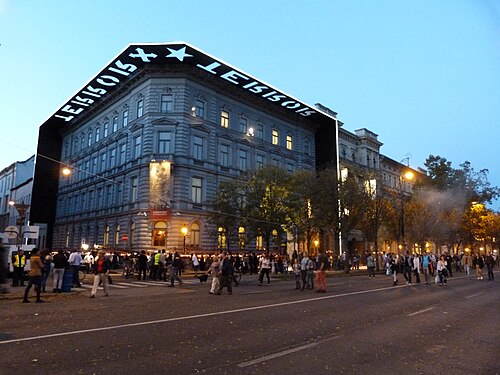
Terror Háza Múzeum
The House of Terror Museum is a memorial museum located on Andrássy Avenue in Budapest. It occupies a building that served as headquarters for the Nazi Arrow Cross Party and later the Soviet-aligned ÁVH secret police.
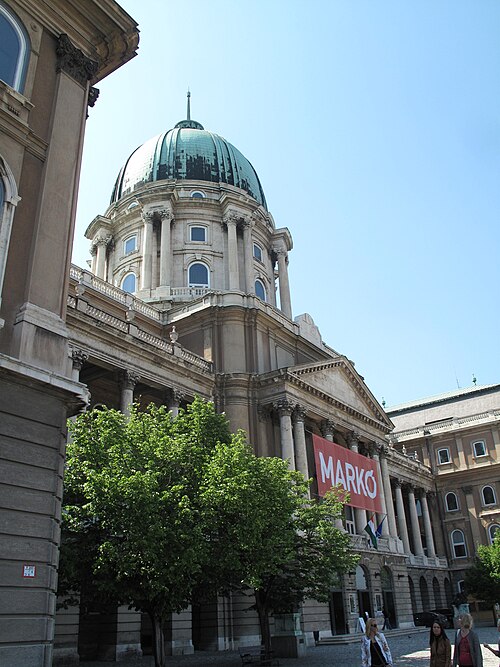
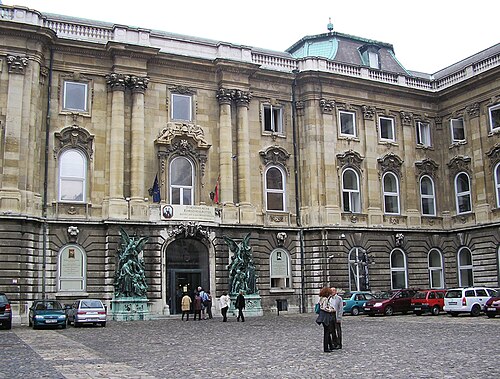
Magyar Nemzeti Galéria
The Hungarian National Gallery occupies a prominent position within Buda Castle, the historic palace complex overlooking the Danube from the Buda side of the capital.
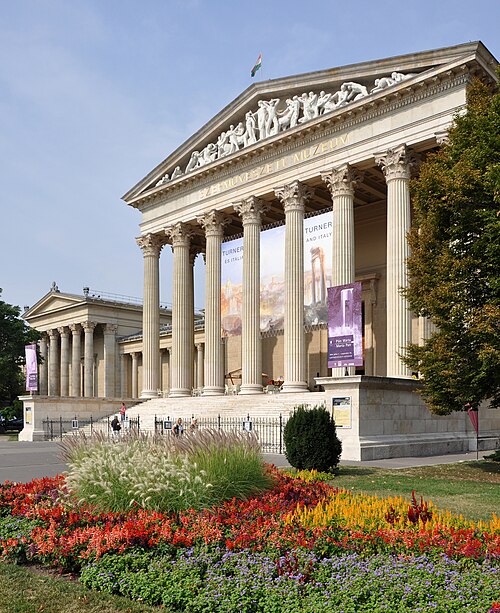
Szépművészeti múzeum
The Museum of Fine Arts is a major art museum in Budapest, Hungary. It stands on Heroes' Square in the city, forming part of a significant cultural ensemble with the Palace of Art and Millennium Monument.
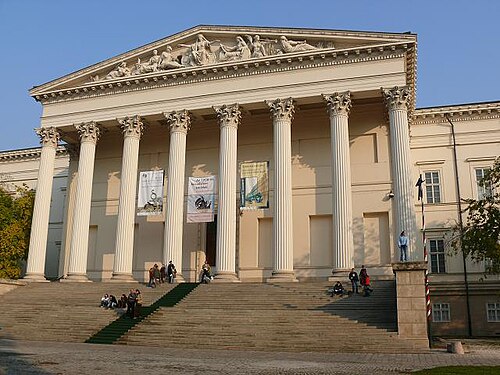
Magyar Nemzeti Múzeum
The Hungarian National Museum stands as a major institution in Budapest, dedicated to the history, archaeology and art of Hungary. Founded in 1802, it occupies a neoclassical building designed by Mihály Pollack that opened in 1847.
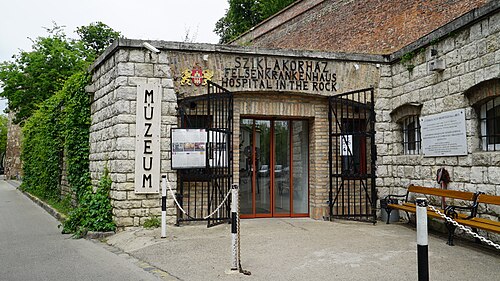
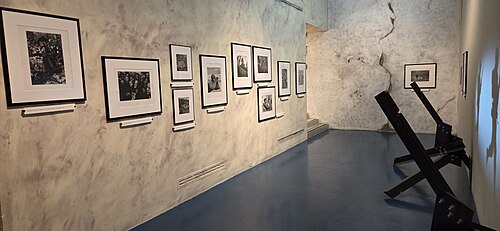
Sziklakórház Atombunker Múzeum
Hospital in the Rock is a former emergency hospital and nuclear bunker located beneath Buda Castle in Budapest. The facility was built into the natural cave system under Castle Hill during the 1930s and expanded during the Cold War era.
Budapesti Történeti Múzeum
The Budapest History Museum is a municipal museum dedicated to the history of Hungary's capital city.
Robert Capa Kortárs Fotográfiai Központ
The Robert Capa Contemporary Photography Center is a photography museum and exhibition space in Budapest. It is named after Robert Capa, the renowned Hungarian-born war photographer.
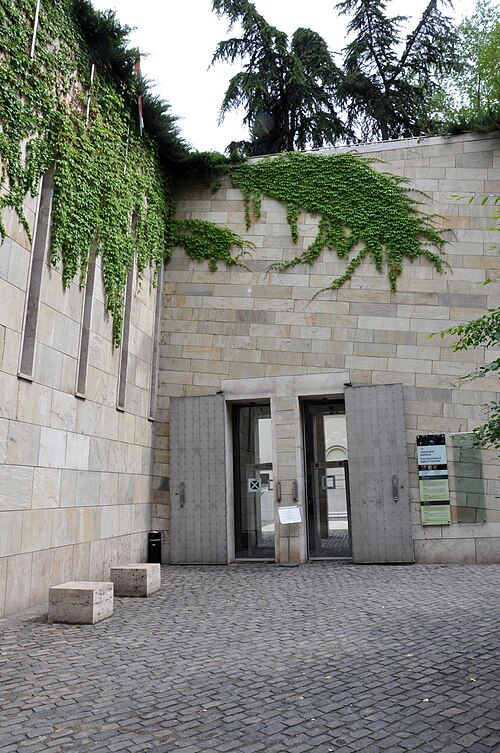
Holokauszt Emlékközpont
The Holocaust Memorial Center in Budapest is a museum and memorial devoted to the Holocaust in Hungary. It occupies a former synagogue in the Pava Street area and combines historical education with remembrance.
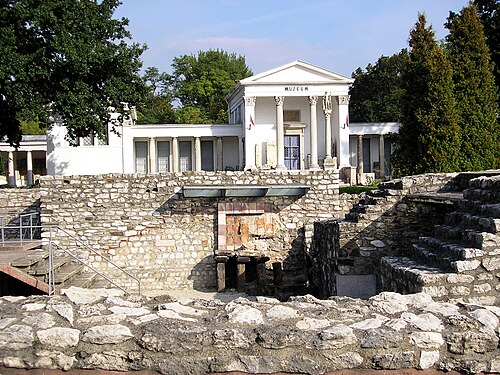
Aquincumi Múzeum
Aquincum Museum preserves the remains of the ancient Roman city of Aquincum in northern Budapest's Obuda district. The site presents both an indoor archaeological museum and an outdoor ruin area.
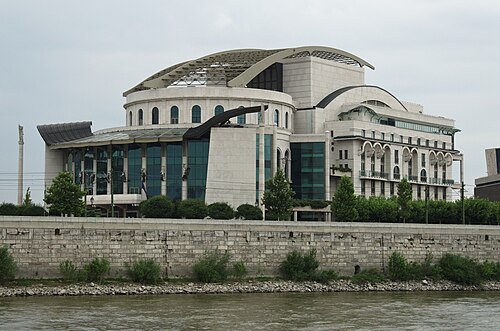
Nemzeti Színház
The National Theatre in Budapest is Hungary's principal state theatre institution, occupying a prominent riverside position along the Danube. The current building opened in the early 2000s after decades of political and architectural debate about the theatre's proper home.
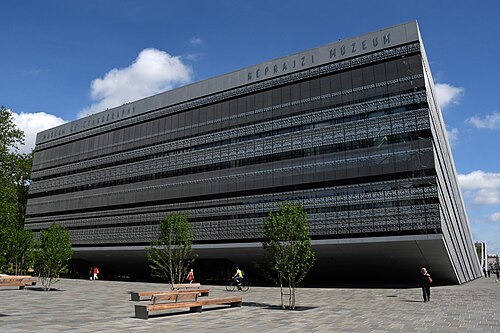
Néprajzi Múzeum
The Museum of Ethnography in Budapest is a national museum dedicated to Hungarian and international ethnographic collections. It is housed in a prominent building near Kossuth Square in the Hungarian capital.
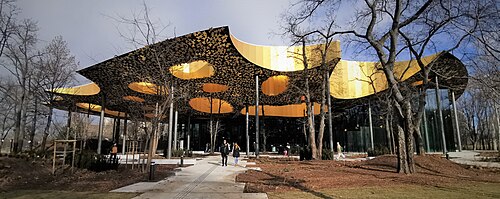
Magyar Zene Háza
House of Music Hungary is a music institution in Budapest’s City Park, housed in a building designed by Japanese architect Sou Fujimoto. The venue opened in January 2022 as part of the Liget Budapest development.
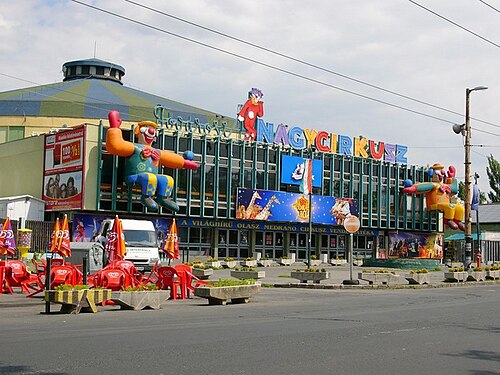
Fővárosi Nagycirkusz
The Capital Circus of Budapest is a dedicated circus venue in Hungary’s capital, connected with the city’s live entertainment and circus-arts tradition. It offers travelers an experience built around a staged performance rather than a museum collection or outdoor monument.
Source: OpenStreetMap contributors, Wikidata ·
Five to seven days gives Budapest four days and leaves room for Eger, Pécs, Lake Balaton or the Danube Bend. Choose one extension; repeated returns to the capital can consume the time an overnight would preserve.
Hungary’s consular information service carries the current entry and visa rules. Check the passport-specific requirement and the complete Schengen itinerary rather than assuming another member state’s answer applies unchanged.
Budapest Airport is the principal international gateway. Intercity trains and coaches radiate from the capital, while Budapest uses its own metro, tram, bus and suburban-rail fare system.
April through June and September through October are practical for Budapest and regional sightseeing. Lake Balaton’s summer season and winter operating patterns create different transport and opening considerations.
Hungarian forints (HUF) are the recorded currency even though some businesses may display other currencies. Fees and acceptance are Not recorded; verify the HUF total and avoid accepting an unclear conversion.
Call 112 in a Hungarian emergency. Electricity is 230 V through Type C and F sockets; national tap-water guidance is Not recorded in the cited material.