
3 min walk
Museum Listrik dan Energi Baru
- Must see
- Museum
Museum · Jakarta
Museum Hakka Indonesia
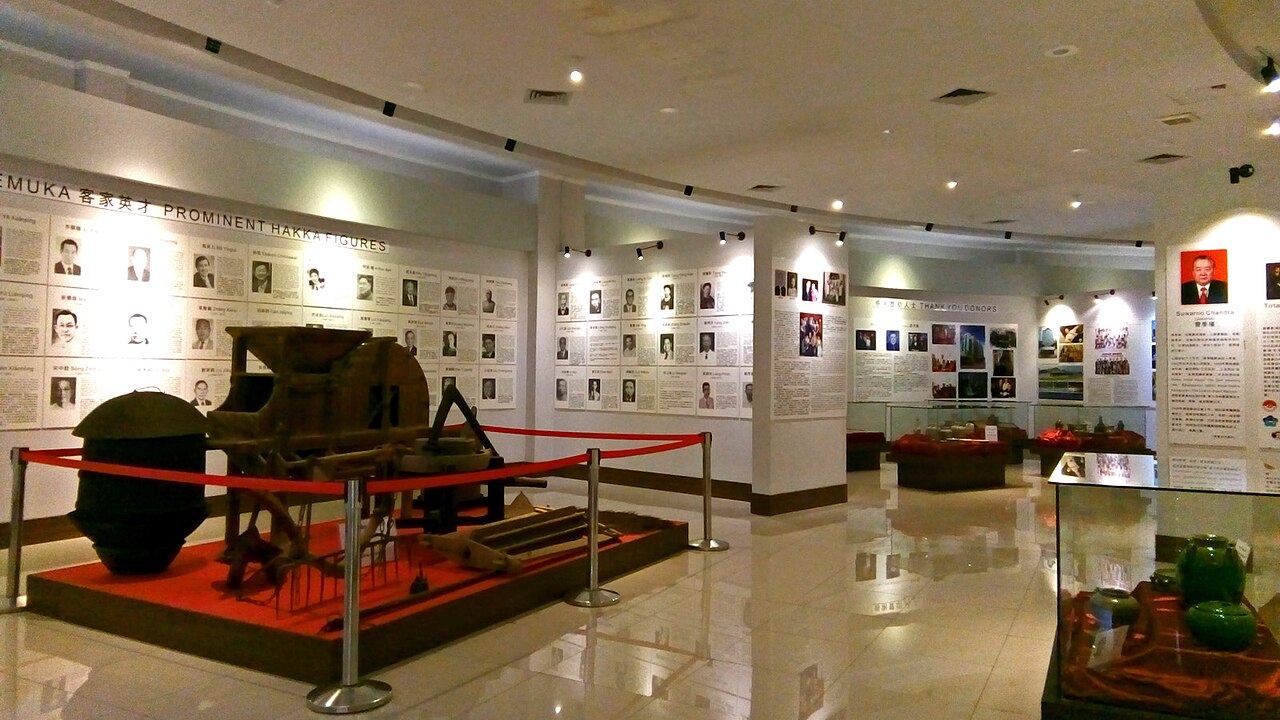
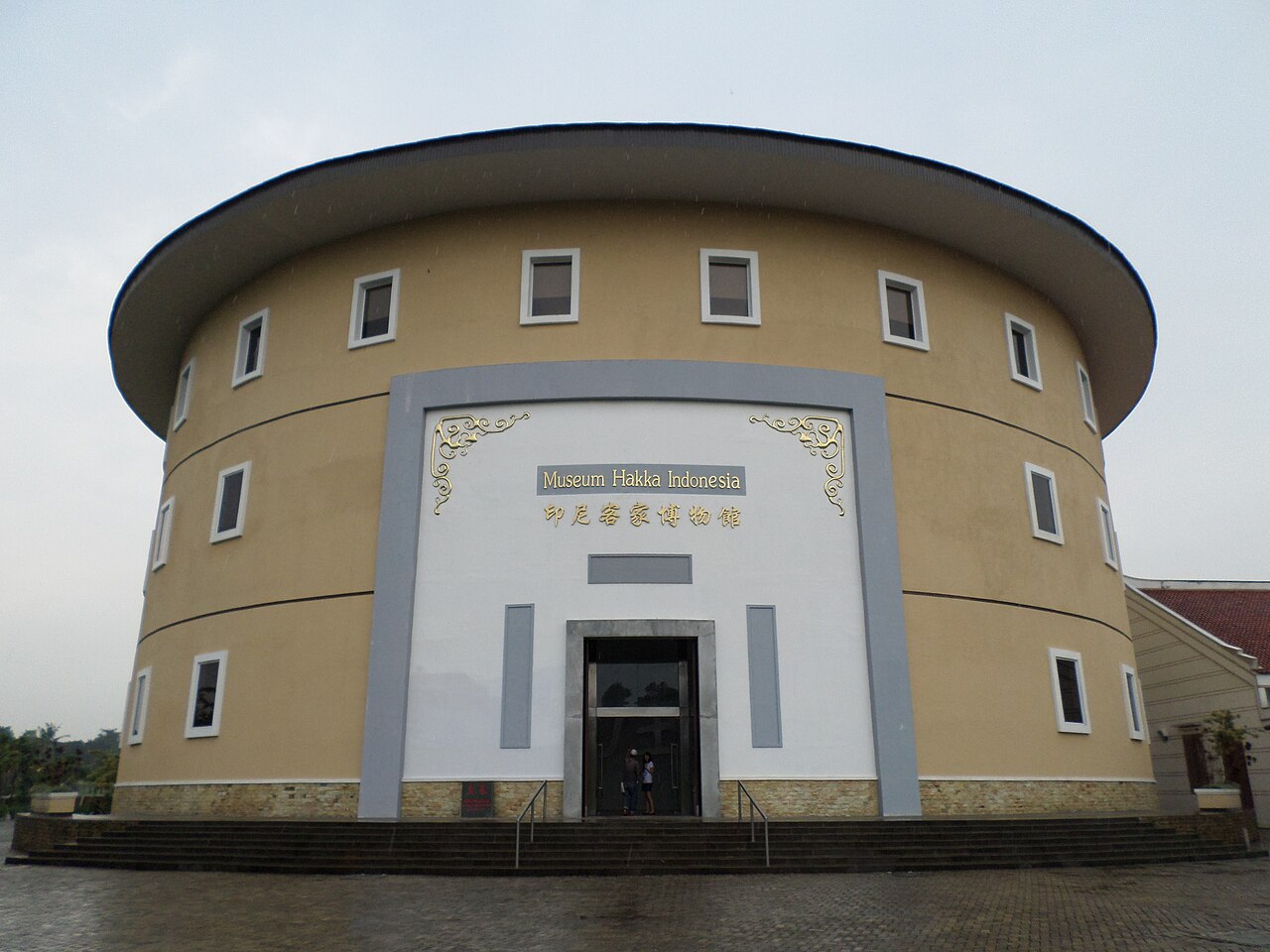
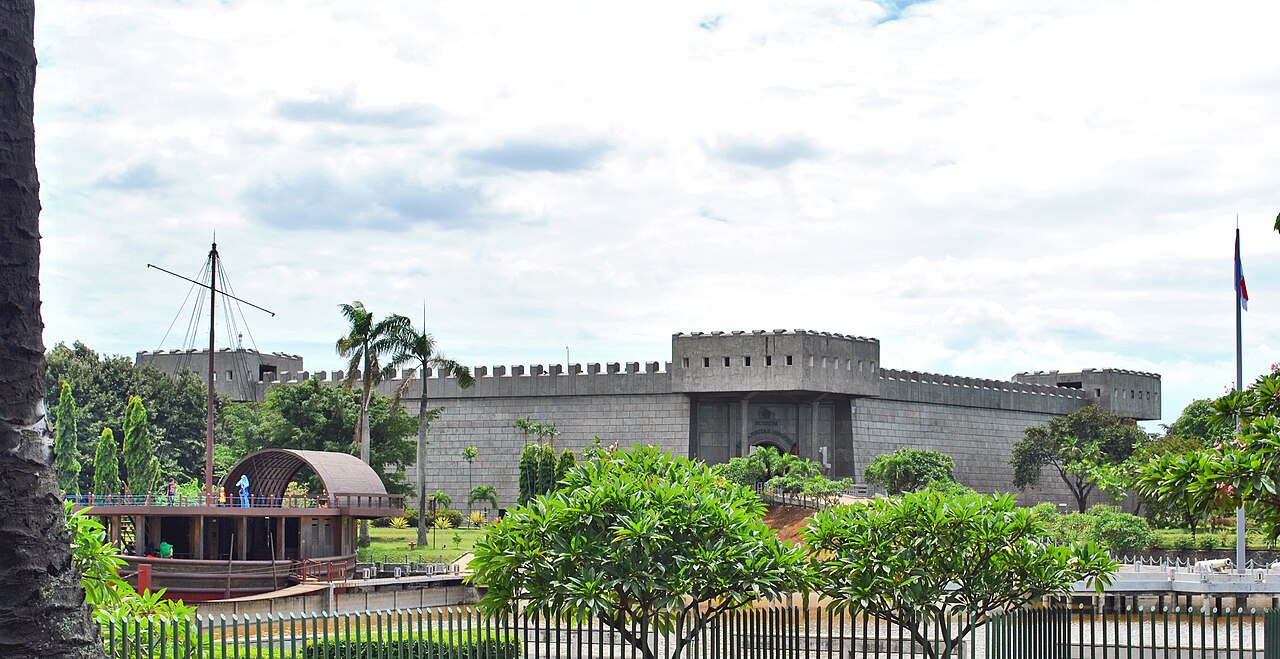
Hakka Museum, also known as Museum Hakka Indonesia, is a cultural institution inside Taman Mini Indonesia Indah in Jakarta. It focuses on the migration history, community life, and cultural contributions of Hakka Chinese Indonesians. The museum gives this particular Chinese Indonesian community a dedicated place within TMII’s wider presentation of the archipelago’s cultures. Visitors interested in migration, identity, family history, and living heritage will find a more focused experience here than in a general national museum. The Museum Hakka Indonesia is a cultural institution located within Taman Mini Indonesia Indah, Jakarta's expansive cultural park. It documents the migration history, community life and cultural contributions of Hakka Chinese Indonesians through curated objects and historical displays. The museum serves as a dedicated repository for preserving and presenting the heritage of this specific Chinese Indonesian subgroup, offering visitors insight into their settlement patterns, social structures and enduring influence on Indonesian society. A flexible visit lets travellers connect Hakka Museum with the rest of the day without treating one room, viewpoint or photograph as the whole experience.
Checked 2026-08-26 · Source
The museum presents objects and historical displays connected with Hakka migration to Indonesia and the development of Hakka Chinese Indonesian communities. Look for material that links everyday life with traditional practices, settlement, social organization, and cultural continuity. The collection is most meaningful when viewed as a story of movement and adaptation: people arriving, forming communities, maintaining traditions, and contributing to Indonesian society. Compare the museum’s focused community perspective with the broader regional cultures represented elsewhere across Taman Mini Indonesia Indah.
Checked 2026-08-26 · Source
Allow approximately forty-five minutes to one hour for the main displays. The museum’s focused subject makes it easy to fit into a wider TMII day, while visitors with a personal or academic interest in Hakka history may spend longer with individual objects and explanations. Add time for travel between museums because the park is extensive. A deliberate, unhurried visit helps the migration story and community perspective remain visible instead of reducing the stop to a quick gallery walk.
Checked 2026-08-26 · Source
Morning is a comfortable time to begin at TMII, before Jakarta’s heat and humidity make movement between attractions tiring. Weekends and public holidays can bring more visitors throughout the park, so travelers seeking a calmer experience may prefer a weekday. Rain can interrupt outdoor transfers between museums, but Hakka Museum remains a useful indoor stop in a changing-weather itinerary. Combine it with nearby TMII attractions and treat the park’s scale as part of the day’s planning.
Checked 2026-08-26 · Source
Hakka Museum is located within Taman Mini Indonesia Indah, where the park entrance is part of the overall visit. The museum’s current separate admission arrangement and prices are not included in this guide. Plan the stop as one element of a TMII cultural day and keep the budget flexible for the destination’s entry structure. The museum earns its place through its specialist subject: Hakka migration, community life, heritage objects, and the community’s contribution to Indonesian society.
Checked 2026-08-26 · Source
Travel to Taman Mini Indonesia Indah in East Jakarta by private vehicle, taxi, or ride-hailing service. TransJakarta routes serve the wider park area, with onward travel needed to reach the museum inside the grounds. Distances between TMII attractions can be considerable, so plan internal movement as carefully as the journey to the entrance. Walking is possible for some transfers but may be tiring in Jakarta’s heat and humidity. Group nearby museums to reduce repeated travel across the park.
Checked 2026-08-26 · Source
The park’s size is the main practical challenge: finding one museum after another can take time, especially when crowds or weather slow the route. Carry drinking water and sun protection for outdoor sections. Some exhibit explanations may require comfort with Bahasa Indonesia, so allow time to interpret the historical context. Approach the displays respectfully because they represent community memory and cultural identity. Follow the museum’s on-site rules and keep the visit focused on the objects, stories, and connections between migration and daily life.
Checked 2026-08-26 · Source
The museum offers subjects for thoughtful travel photography, from heritage objects to the way the displays present Hakka community history. Follow posted rules and staff directions before photographing inside. Keep flash, tripods, and large equipment from disturbing other visitors or obstructing the galleries. Images are most useful when they preserve the connection between object and story, rather than isolating decoration from context. Treat cultural material with care when sharing photographs, and obtain permission for uses beyond personal travel records.
Checked 2026-08-26 · Source
Hakka Museum is located inside Taman Mini Indonesia Indah, the large cultural park in East Jakarta.
It explores Hakka migration to Indonesia, community life, traditional practices, heritage objects, and cultural contributions to Indonesian society.
A typical visit takes approximately forty-five minutes to one hour, with longer useful for visitors studying the displays closely.
Yes. Its location inside TMII makes it suitable for combining with other museums and cultural attractions in the same park.
It suits travelers interested in migration history, Chinese Indonesian communities, family heritage, traditional practices, and cultural identity.
It offers a focused account of one Chinese Indonesian community, emphasizing Hakka migration, social life, heritage, and contributions rather than a broad national survey.
Loading the interactive map…
The interactive map could not be loaded.
Last updated:
Source: OpenStreetMap contributors, Wikidata ·