
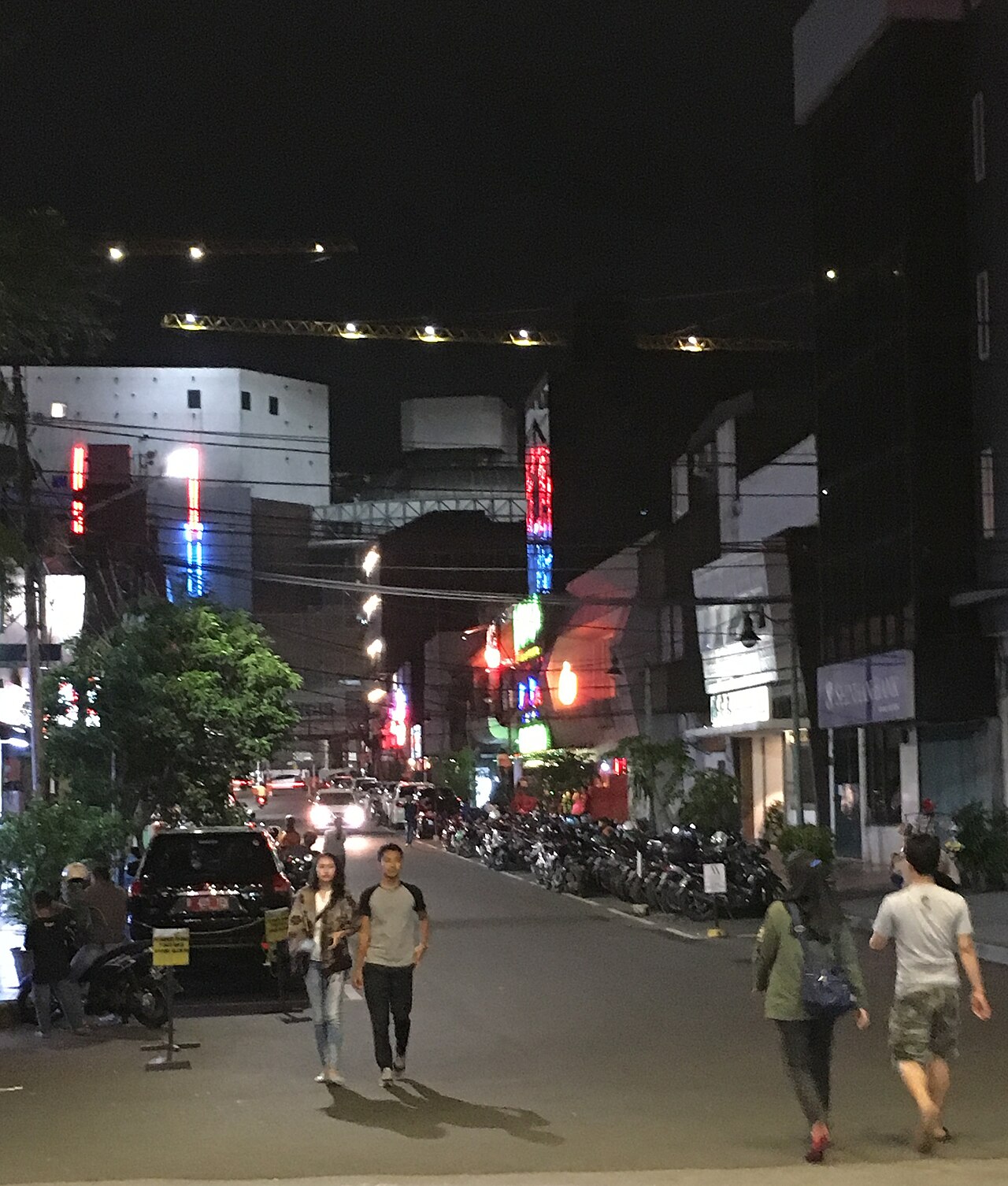
8 min walk
Blok M Square
- Must see
- Market
Language · 11 published
Museum · Jakarta
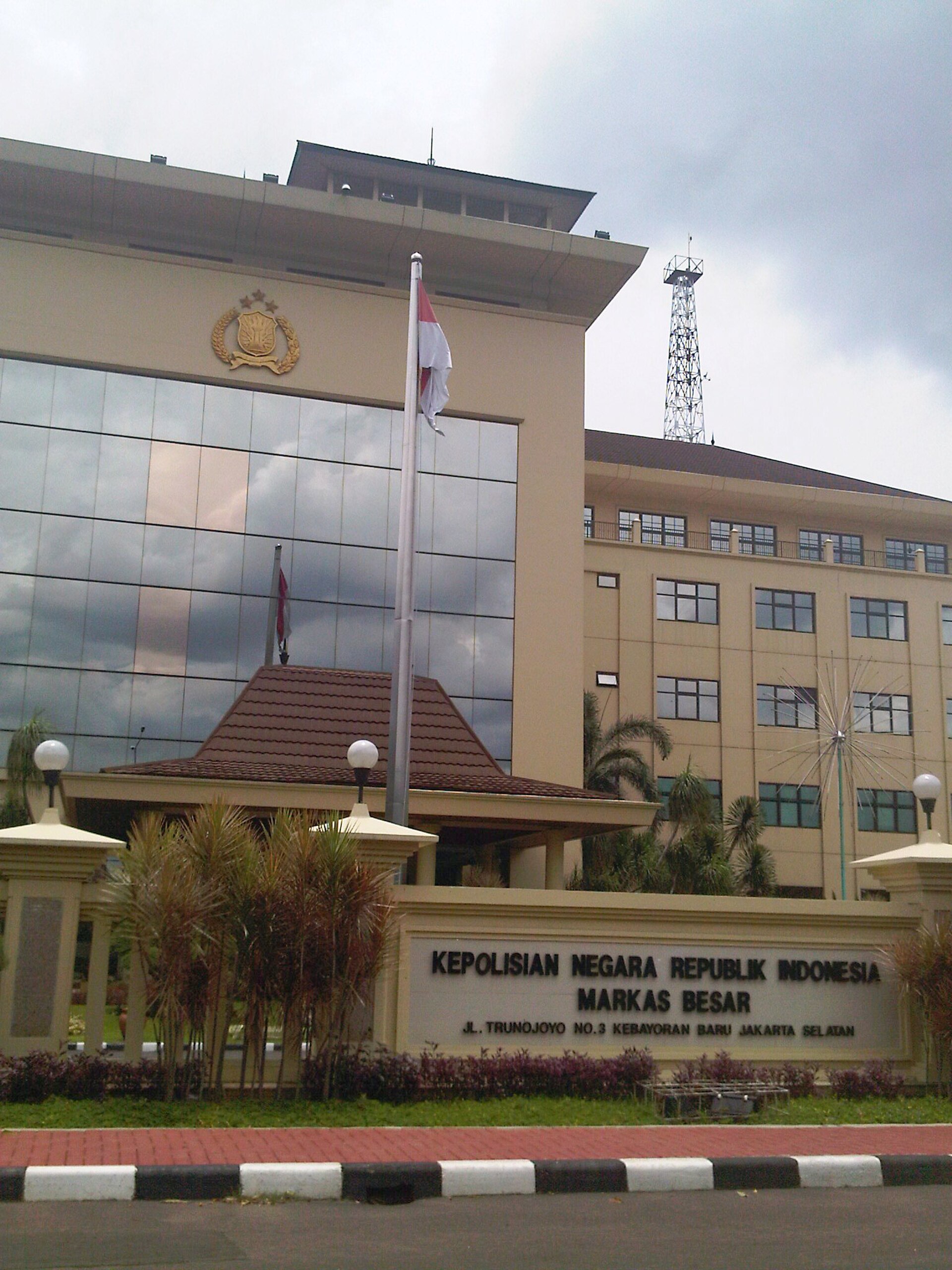
Museum Polri
Editorial responsibility: Elena Voss · Roavina Travel Editor
| Monday | 08:00 – 15:00 |
|---|---|
| Tuesday | 08:00 – 15:00 |
| Wednesday | 08:00 – 15:00 |
| Thursday | 08:00 – 15:00 |
| Friday | 08:00 – 15:00 |
| Saturday | 08:00 – 15:00 |
| Sunday | 08:00 – 15:00 |
Parsed from OpenStreetMap opening hours on 2026-09-09.
This place is a Museum.
The Indonesian National Police Museum, also known locally as Museum Polri, presents the history and institutional development of Indonesia’s national police. In Jakarta, it offers travelers a focused look at the people, objects, and cases connected with policing in Indonesia. The museum is designed as a public-facing cultural institution rather than an active police facility, giving visitors a structured way to explore uniforms, vehicles, equipment, and documented cases. It suits travelers interested in Indonesian civic history, public institutions, national development, and the material culture of law enforcement. The Indonesian National Police Museum, known locally as Museum Polri, is a purpose-built visitor museum dedicated to presenting the history of Indonesia's national police institution.
Checked 2026-08-26 · Source
The displays bring together several aspects of police history. Historical uniforms show how appearance and institutional identity changed over time. Police vehicles demonstrate the development of transport used by officers, while equipment presents the practical tools connected with police work. Documented cases add a narrative dimension, linking objects to events and professional responsibilities. Read the displays as a connected story: clothing, vehicles, equipment, and cases together show how an institution operates and changes. The collection is especially rewarding for visitors who enjoy objects with civic and historical context.
Checked 2026-08-26 · Source
Allow enough time for a focused museum walkthrough, with longer visits suited to travelers who read display text closely or have a strong interest in law enforcement and Indonesian national history. Uniforms and vehicles are easy to scan quickly, but the documented cases reward a slower pace because they connect individual exhibits with broader institutional development. A shorter stop works when the museum forms one part of a Jakarta cultural route. Keep the visit flexible, since your pace will depend on how much context you want from each object and case.
Checked 2026-08-26 · Source
The museum is an indoor stop, making it useful during Jakarta’s hot or rainy periods. Travel across the city can be more comfortable in the drier part of the year, while heavy rain during the wet season may slow the journey even though the exhibits remain sheltered. Place the museum into a day with realistic traffic time rather than linking it to distant attractions with tight appointments. A morning or early afternoon visit leaves room for the collection and makes it easier to continue to another Jakarta destination afterward.
Checked 2026-08-26 · Source
The visit is organized around entering the museum and exploring its institutional displays, including uniforms, vehicles, equipment, and documented cases. Plan the stop as a cultural museum experience rather than a scheduled outdoor activity. If you are visiting with a group, leave room for everyone to move through the exhibits at a comfortable pace and to read the material together. The museum pairs naturally with other Jakarta history and civic attractions, creating a day focused on how the capital’s institutions and public life have developed.
Checked 2026-08-26 · Source
Jakarta’s transport network includes TransJakarta, commuter rail, ride-hailing services, and conventional taxis. Choose the mode according to your starting point and the traffic conditions of the day. Congestion can make a cross-city journey unpredictable, so keep generous travel time before any fixed appointment. The museum works best as part of a route grouped by district or nearby attractions. Save its name in the local form, Museum Polri, as well as the English name when communicating with drivers or navigating Jakarta.
Checked 2026-08-26 · Source
Museum Polri is connected with a national security institution, so treat the setting with the formality appropriate to a civic museum. Follow staff directions, respect any security procedures, and keep your belongings organized. Some documented cases may contain serious subject matter, making the visit more suitable for children when accompanied by adults who can provide context. Wear respectful clothing and move carefully through the displays. The museum experience improves when visitors read the exhibits as historical material rather than treating operational objects or case records as casual entertainment.
Checked 2026-08-26 · Source
The museum’s uniforms, vehicles, equipment, and documented cases offer distinct photographic subjects, but the institutional context calls for restraint. Follow posted directions and staff instructions before photographing displays. A vehicle or uniform can make a strong documentary image when framed with its surrounding information rather than isolated from its meaning. Avoid flash when it could disturb other visitors or affect the display environment. Do not photograph sensitive material or staff activity without clear permission. Quiet, respectful images suit the museum better than rapid shooting through every gallery.
Checked 2026-08-26 · Source
Museum Polri presents police history through historical uniforms, police vehicles, equipment, and documented cases connected with Indonesia’s national police institution.
Museum Polri is the local name for the Indonesian National Police Museum in Jakarta, a public museum focused on the institution’s history and development.
Children can learn from the uniforms, vehicles, and equipment, but adults should provide context for documented cases because some material concerns serious police work and events.
Group the museum with other Jakarta cultural or civic attractions and allow generous travel time because city traffic can slow journeys. A focused visit suits visitors who read the displays carefully.
Jakarta offers TransJakarta, commuter rail, ride-hailing services, and conventional taxis. The best choice depends on your starting point, route, and traffic conditions that day.
The main subjects are historical uniforms, police vehicles, equipment, and exhibit context. Follow museum directions, avoid sensitive material, and use quiet, respectful photography around other visitors.
Loading the interactive map…
The interactive map could not be loaded.
Last updated:
Source: OpenStreetMap contributors ·