8 min walk
Maritime Museum
- Must see
- Museum
Language · 11 published
Activity · Jakarta
Pelabuhan Sunda Kelapa
Reviewed by Elena Voss · Roavina Travel Editor

| Monday | 00:00 – 23:59 |
|---|---|
| Tuesday | 00:00 – 23:59 |
| Wednesday | 00:00 – 23:59 |
| Thursday | 00:00 – 23:59 |
| Friday | 00:00 – 23:59 |
| Saturday | 00:00 – 23:59 |
| Sunday | 00:00 – 23:59 |
Checked 2026-08-31 · Source
Read from the OpenStreetMap access tags; anything not listed has no tag recorded.
Set the group type to family in the planner and the day window contracts to about three quarters of a solo day.
Sunda Kelapa Harbour is Jakarta's historic port district located in the northern part of the city along the Ciliwung River estuary. It represents one of the oldest functioning harbour areas in Indonesia, with roots extending to the pre-colonial era when it served as the principal port of the Sunda Kingdom. Today it remains operational as a working harbour, primarily handling inter-island timber and cargo vessels rather than international shipping. The area retains distinctive maritime character with traditional wooden pinisi schooners, making it a notable contrast to Jakarta's modern commercial port facilities at Tanjung Priok. Sunda Kelapa is Jakarta's historic maritime gateway and remains a working port rather than a reconstructed attraction. Rows of wooden pinisi vessels, cargo handling and waterside warehouses connect the old harbour with inter-island trade still operating today. Visitors observe real port activity under Pelindo security and safety controls. Daylight is the practical period for seeing vessels and operations, while any small-boat ride is a separate arrangement with an authorised operator. The site should be approached as industrial heritage where shipping work always has priority over sightseeing.
Checked 2026-08-31 · Source
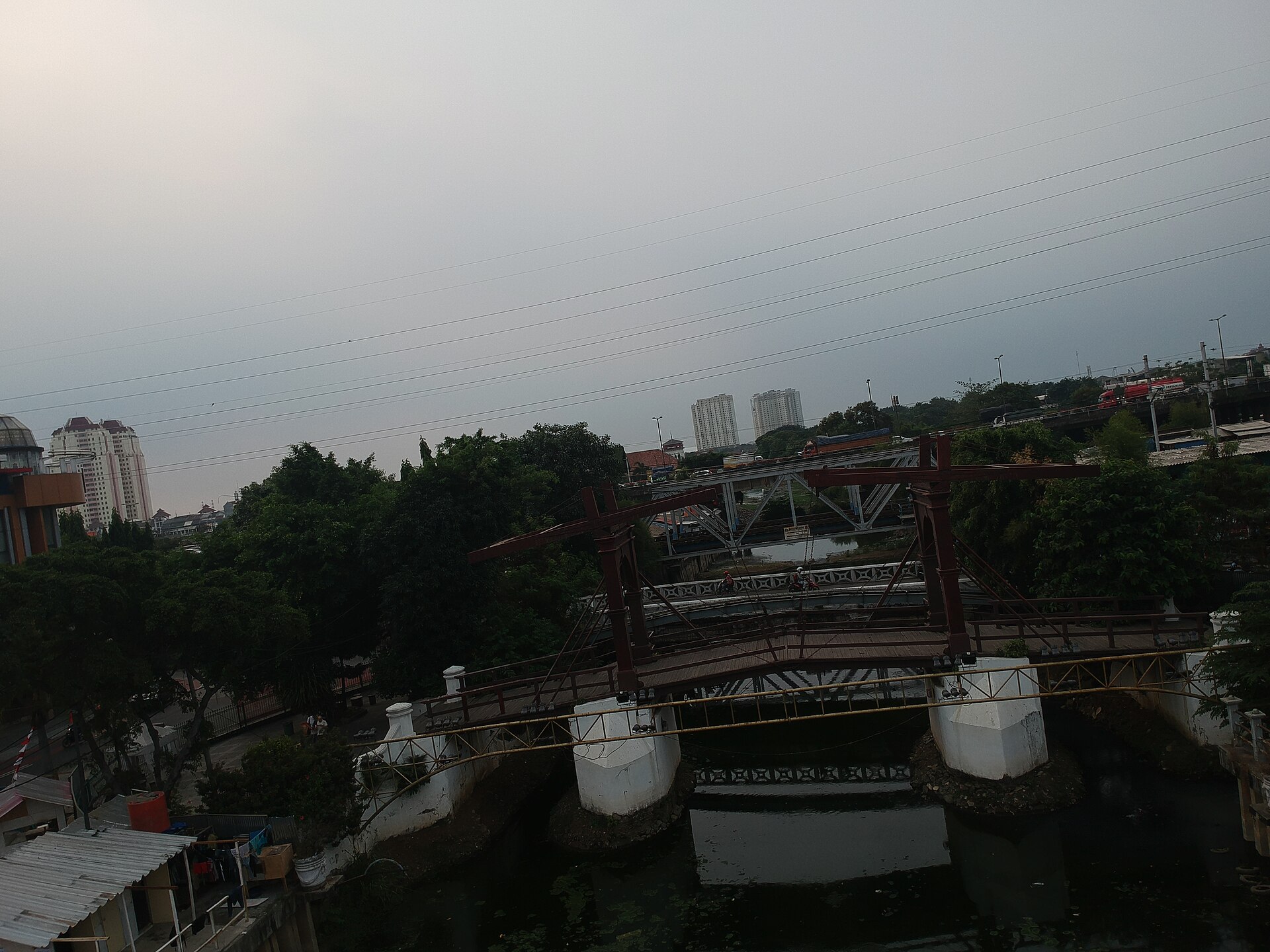
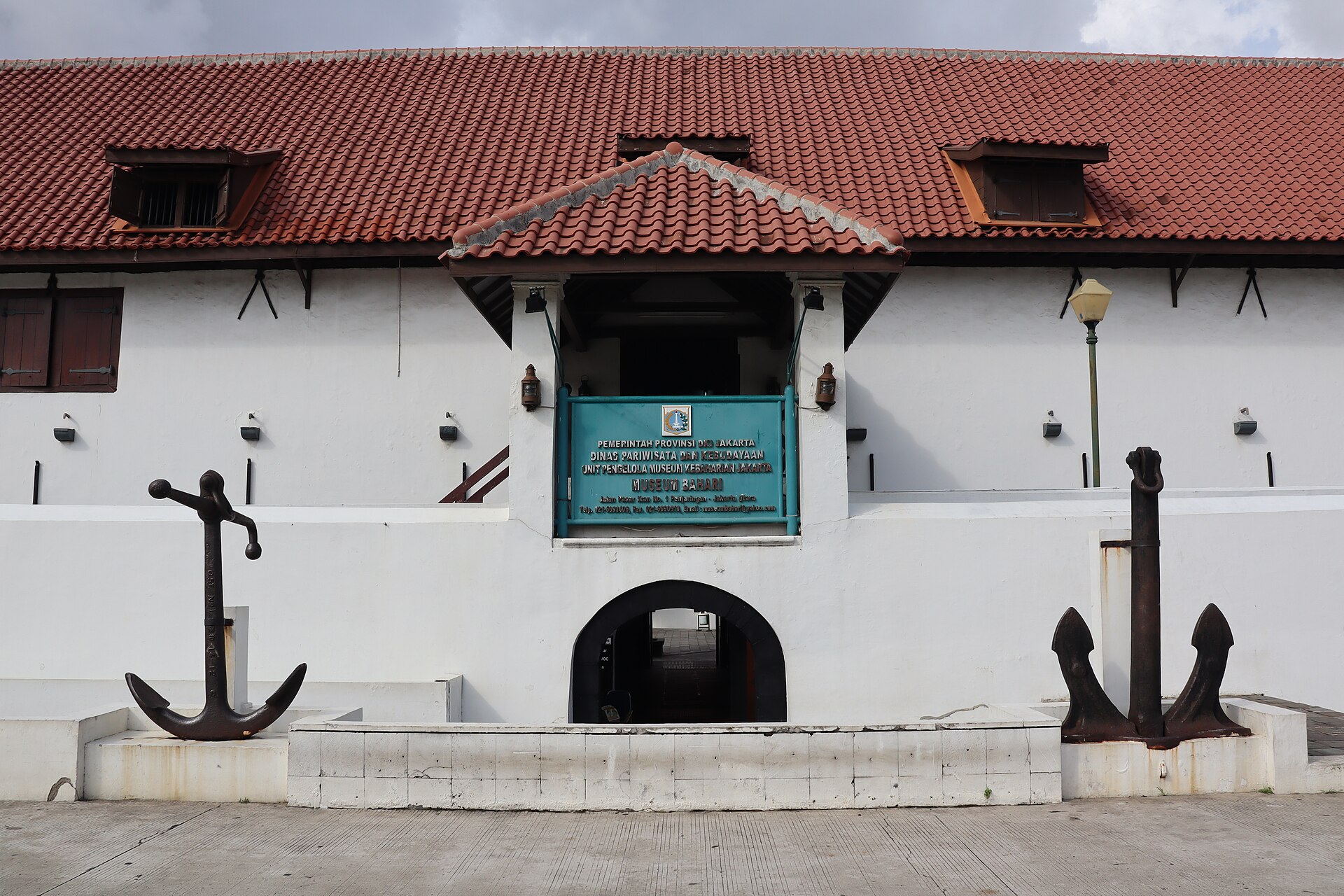
The harbour area contains working docks where wooden pinisi ships load and unload cargo. These traditional two-masted sailing vessels constitute the most visually distinctive element of the site. Warehouses and maritime support structures line portions of the waterfront. The surrounding neighbourhood includes kampung settlements with dense residential patterns typical of historic Jakarta port districts. A watchtower structure is associated with the area. The maritime museum in the vicinity covers regional seafaring history. The active industrial nature of the harbour means visitor infrastructure is limited; this remains primarily a working port environment rather than a purpose-built tourist attraction.
Checked 2026-08-31 · Source
Most visitors allocate between one and two hours for Sunda Kelapa Harbour. This duration accommodates walking along the dock areas to observe the pinisi vessels, photographing the ships from accessible vantage points, and absorbing the maritime atmosphere. Those with strong interest in traditional Indonesian boatbuilding or working harbour operations may extend their visit. The compact geographic area does not require extensive walking. Combining this site with nearby northern Jakarta attractions, such as the maritime museum or Kota Tua's colonial precinct, represents a common visitor pattern for half-day or full-day itineraries in this part of the city.
Checked 2026-08-31 · Source
The working harbour operates 24 hours, but visitor access is best during daylight and remains subject to port security, cargo operations and vessel movements. Arrive outside worship, event or final-admission periods and allow time for security and traffic. Weekends, school holidays and national or religious observances increase crowds or alter individual areas. Jakarta heat, humidity and rain affect outdoor squares, parks and harbour approaches, while indoor museums remain more controlled. The dated operator notice always takes priority over the normal pattern.
Checked 2026-08-31 · Source
The port applies its current visitor/vehicle access levy at the gate; boat rides and photography services are negotiated separately with authorised operators. Use the official operator and retain the ticket, JakCard or timed confirmation. General entry does not include separately priced decks, museums, immersive rooms, rides, performances, parking, rentals or food unless stated. Free access can still require security, registration or appropriate clothing. Concessions and foreign-visitor prices require the identity document named by the venue.
Checked 2026-08-31 · Source
TransJakarta routes serve Pakin and Kota; from Jakarta Kota station continue by local bus or taxi north through the old port district. Allow a traffic buffer and use the full Indonesian venue name in ride-hailing apps. Kota Tua, Merdeka Square and Museum Campus-style clusters contain several entrances, so navigate to the named gate rather than a general district pin. Public transport avoids parking constraints, while pedestrian crossings and tropical weather can lengthen the final walk.
Checked 2026-08-31 · Source
The quay is broadly level, but broken surfaces, vehicle traffic, mooring equipment and unguarded water edges make it unsuitable as a fully accessible route. Follow the designated accessible route and staff instructions. Historic thresholds, worship areas, harbour operations, rides, pavilions and immersive installations can apply narrower access than the main route. Keep bags compact, protect tickets and identification, dress appropriately at religious sites and leave lifts, ramps, aisles and emergency routes clear.
Checked 2026-08-31 · Source
The pinisi schooners provide the primary photographic subject, with their distinctive wooden hulls and rigging offering strong visual interest against harbour backdrops. Early morning light enhances atmospheric conditions. Elevated positions or angles from adjacent structures may improve composition. The working nature of the site means photographers should remain unobtrusive to operations and seek implicit or explicit permission when shooting near active cargo handling. Drone operation would require careful consideration of port security protocols and Indonesian aviation regulations. Reflections in harbour water are compromised by water quality. The contrast between traditional vessels and Jakarta's urban skyline offers contextual documentary possibilities for photographers interested in maritime heritage themes.
Checked 2026-08-31 · Source
Yes.
Yes.
Yes.
No.
No.
Jakarta Kota, followed by road transport.
Loading the interactive map…
The interactive map could not be loaded.
Last updated:
Source: OpenStreetMap contributors ·