
10 min walk
Museum of National Awakening
- Must see
- Museum
Language · 11 published
Museum · Jakarta
Museum Sumpah Pemuda
Reviewed by Elena Voss · Roavina Travel Editor
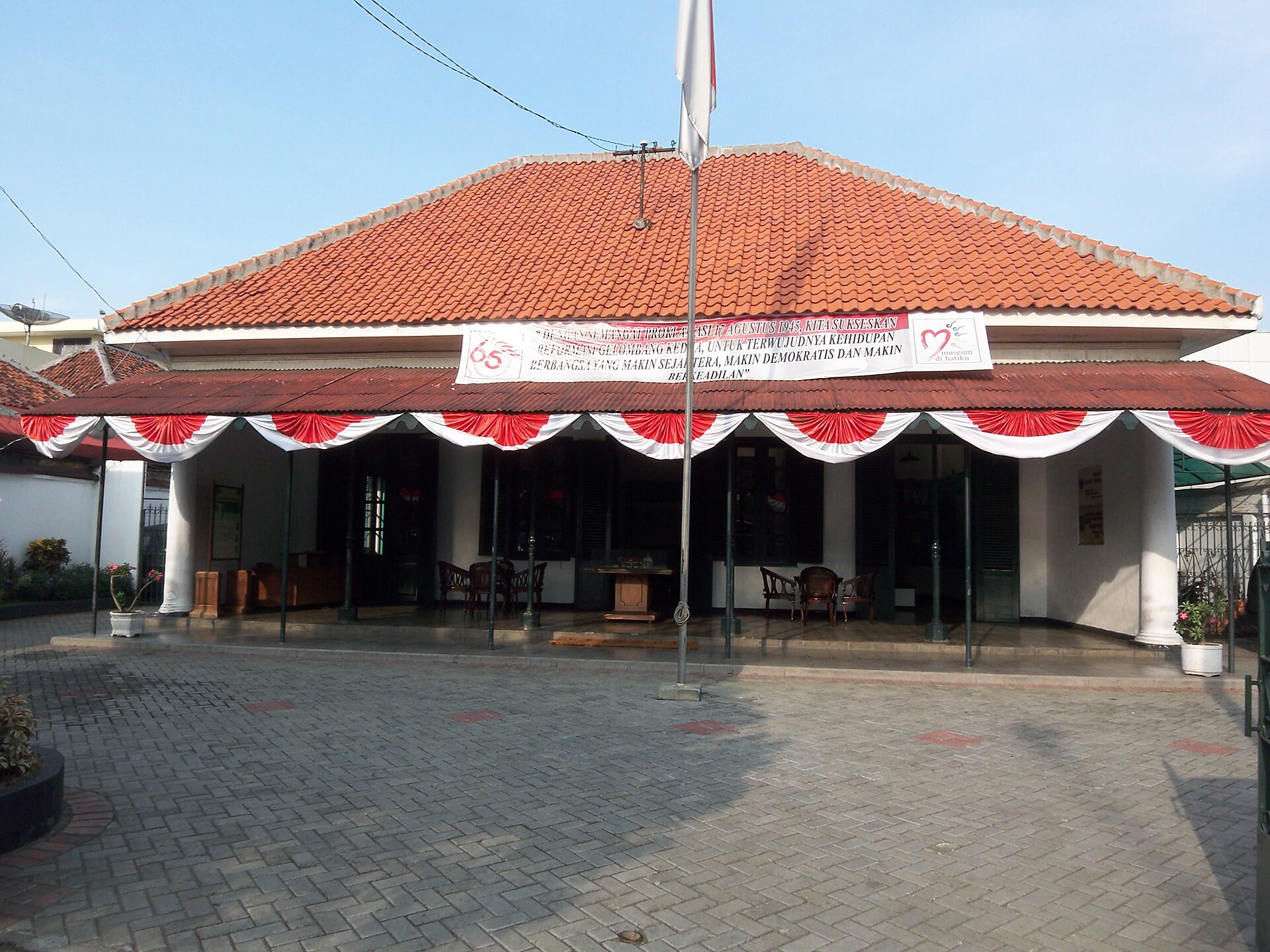
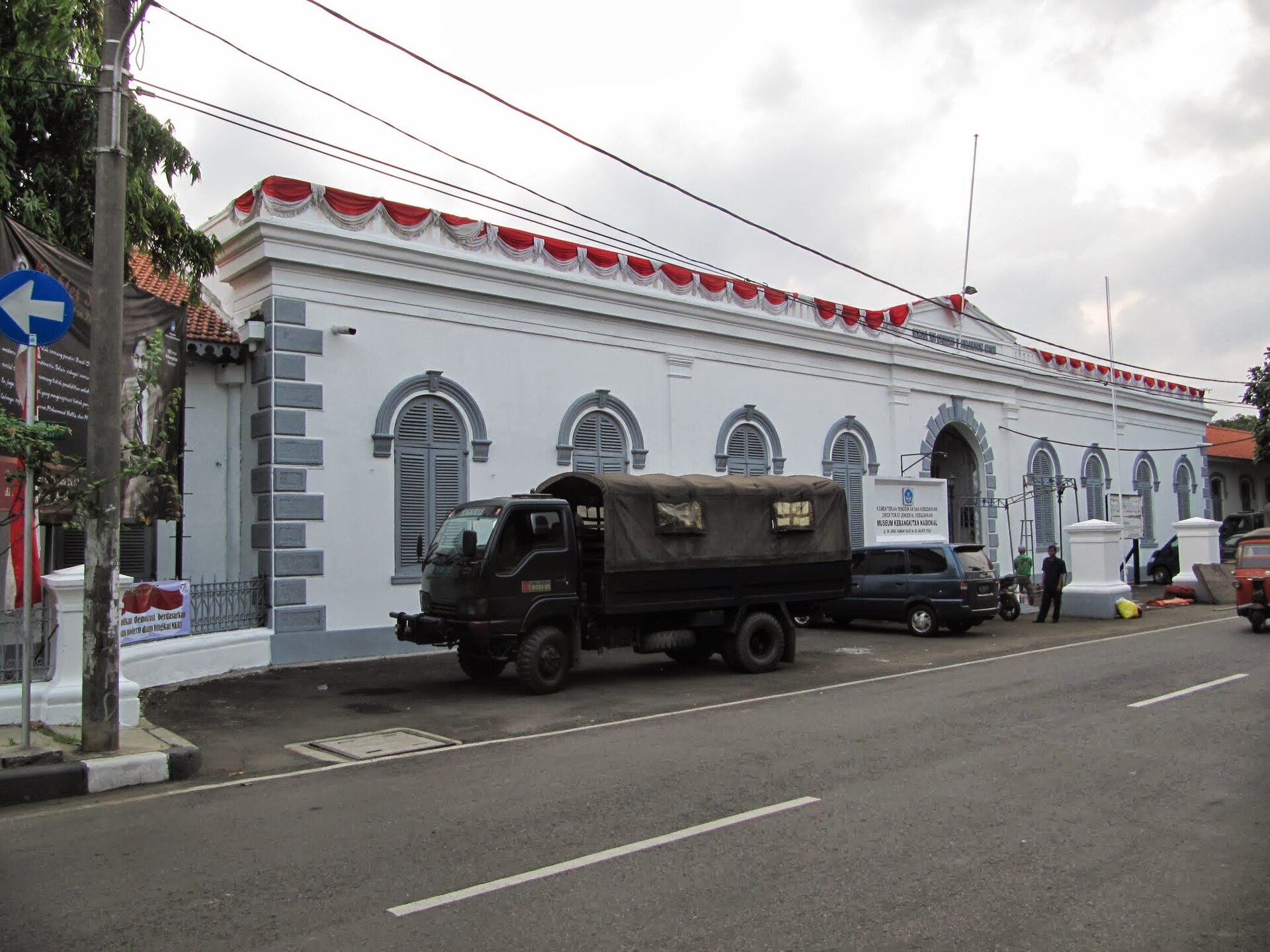
This place is a Museum. It was established in 1974.
Youth Pledge Museum, also known as Museum Sumpah Pemuda, is a Jakarta museum centered on the Youth Pledge made by Indonesian youth representatives at the Second Youth Congress on 28 October 1928. Its defining subject is the effort to articulate one homeland, one nation and one language across the Indonesian archipelago. The museum offers a specific window onto the political and cultural work that preceded independence, rather than a general survey of the independence struggle. Its importance lies in showing how youth organizations and their cooperation helped shape a shared Indonesian identity. For visitors, the place is a concentrated encounter with the ideas, people and civic setting associated with a foundational statement in Indonesia’s national history.
Checked 2026-09-02 · Source
The museum tells its story through documents, photographs and historical objects connected with the 1928 Youth Congress and the organizations involved in it. These materials let visitors follow a political conversation that crossed regional and cultural boundaries, then connect that conversation to the pledge’s three linked commitments: one homeland, one nation and one language. The preserved assembly-hall setting is part of the historical evidence, not merely a backdrop, because it relates the words of the pledge to the civic gathering in which youth representatives met. Expect an interpretation-led experience built around chronology, original material and context, with the historic meeting place reinforcing the meaning of the collection.
Checked 2026-09-02 · Source
Allow roughly one to two hours for a focused visit. This gives enough time to read the principal interpretation, examine the photographs and documents, and consider the historical objects without reducing the museum to a quick photo stop. Visitors already familiar with the Youth Pledge may move through the displays more quickly, while students, researchers and travelers interested in Indonesian nationalism may want longer for supporting detail. Because the subject is concentrated, the museum can fit naturally into a central-Jakarta cultural day. Leave room between stops, so traffic does not turn a reading-led visit into a rushed appointment.
Checked 2026-09-02 · Source
The museum’s subject carries particular resonance around 28 October, the anniversary associated with the Youth Pledge, when its historical theme connects directly with Indonesia’s commemorative calendar. At other times, it works best as a deliberate indoor history stop rather than an attraction to fold into a tightly fixed sequence. The indoor setting can provide a useful pause from Jakarta’s heat or rain, while tropical weather may still affect the journey to the entrance. Set aside enough time for close reading and for the preserved meeting-place atmosphere, especially when combining this visit with other museums or heritage sites in central Jakarta.
Checked 2026-09-02 · Source
Plan the visit around the museum’s historical displays and allow flexibility for entry arrangements. The museum’s role is to interpret the Youth Pledge and its 1928 setting, making the collection the essential focus of the visit. A flexible cultural itinerary also suits school, research or organized group visits, whose arrangements may differ from an ordinary individual visit.
Checked 2026-09-02 · Source
The museum is in central Jakarta, and the surrounding district can be approached using TransJakarta corridors, ride-hailing services or conventional taxis. The KRL commuter rail network may help visitors already near a suitable station, although the final leg still requires another connection. Jakarta traffic can make a short road distance unexpectedly slow, so leave a generous buffer for a timed cultural day. Walking from nearby central-district accommodation may be reasonable in favorable weather, but heat, rain and pedestrian conditions can make a short vehicle connection more comfortable. Treat the final approach as part of the journey.
Checked 2026-09-02 · Source
The museum rewards patience because its documents, photographs and objects gain meaning when read together rather than skimmed as a quick stop. Road congestion can disrupt a tightly timed cultural itinerary, and tropical rain may slow outdoor connections or the final approach. The preserved meeting-place atmosphere also calls for considerate behavior around collection material and other visitors. Follow on-site instructions, keep voices low where appropriate, and allow enough time to understand how the exhibits connect the 1928 gathering with the development of Indonesian national identity. A reading-led visit is more satisfying than maximizing nearby venues.
Checked 2026-09-02 · Source
The preserved meeting-place setting and historical displays may be meaningful subjects for photography, but recording them should remain subordinate to museum rules and the experience of visitors studying the story. Follow posted instructions and ask staff before photographing documents or objects; avoid flash unless it is clearly permitted. Keep ordinary personal photography separate from professional equipment, tripods, posed shoots or commercial work, which may require permission at a public heritage venue. A respectful camera visit preserves the assembly-hall atmosphere for everyone, while careful attention to the displays matters more than collecting images of every object.
Checked 2026-09-02 · Source
It can be a useful history visit for school-age children, especially those learning about Indonesian national identity. The document-led displays may be less engaging for very young children than interactive attractions, so a focused visit with time for questions works best.
The exhibits support a self-guided history visit. Their documents, photographs and historical objects provide a focused route through the Youth Pledge and its historical context, so visitors can engage with the story at their own pace.
The museum occupies a historic meeting-place setting, so visitors should take the character of the premises into account when planning their route. The collection’s documents, photographs and objects remain the central focus of the visit.
The museum is best treated as a focused history stop within a central-Jakarta cultural day. Its main experience comes from the Youth Pledge displays, the historical objects and the preserved assembly-hall setting.
Plan the visit around the historical displays rather than making a publication or souvenir purchase part of the day’s essential arrangements. The museum’s strongest focus is the Youth Pledge, its documents, its photographs and the civic setting connected with the 1928 congress.
The museum contributes a youth-centered perspective to Jakarta’s wider independence narrative. Its defining subject is the 1928 Youth Pledge and the effort to unite different youth organizations around one homeland, nation and language. That focus helps visitors understand the national ideas and civic cooperation that shaped later independence-era institutions and commemorative sites.
Loading the interactive map…
The interactive map could not be loaded.

Last updated:
Source: OpenStreetMap contributors, Wikidata ·