


07
1 hr 30 min
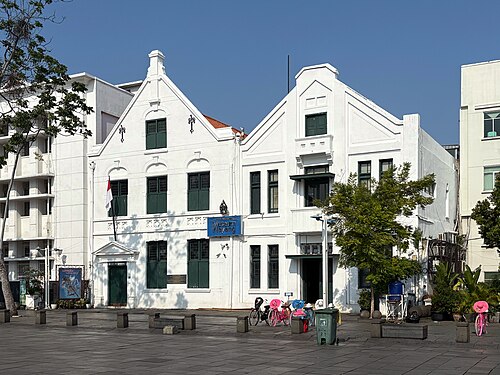
Wayang Museum
The Wayang Museum, locally named Museum Wayang, is a cultural institution in Jakarta dedicated to the traditional Indonesian art of shadow puppetry.
- High
- Museum
- Jakarta
Country guide
Indonesia is between 13,000 and 17,000 islands spread across 1,904,569 km2, the largest archipelagic state in the world, so the question is never what to see bu...
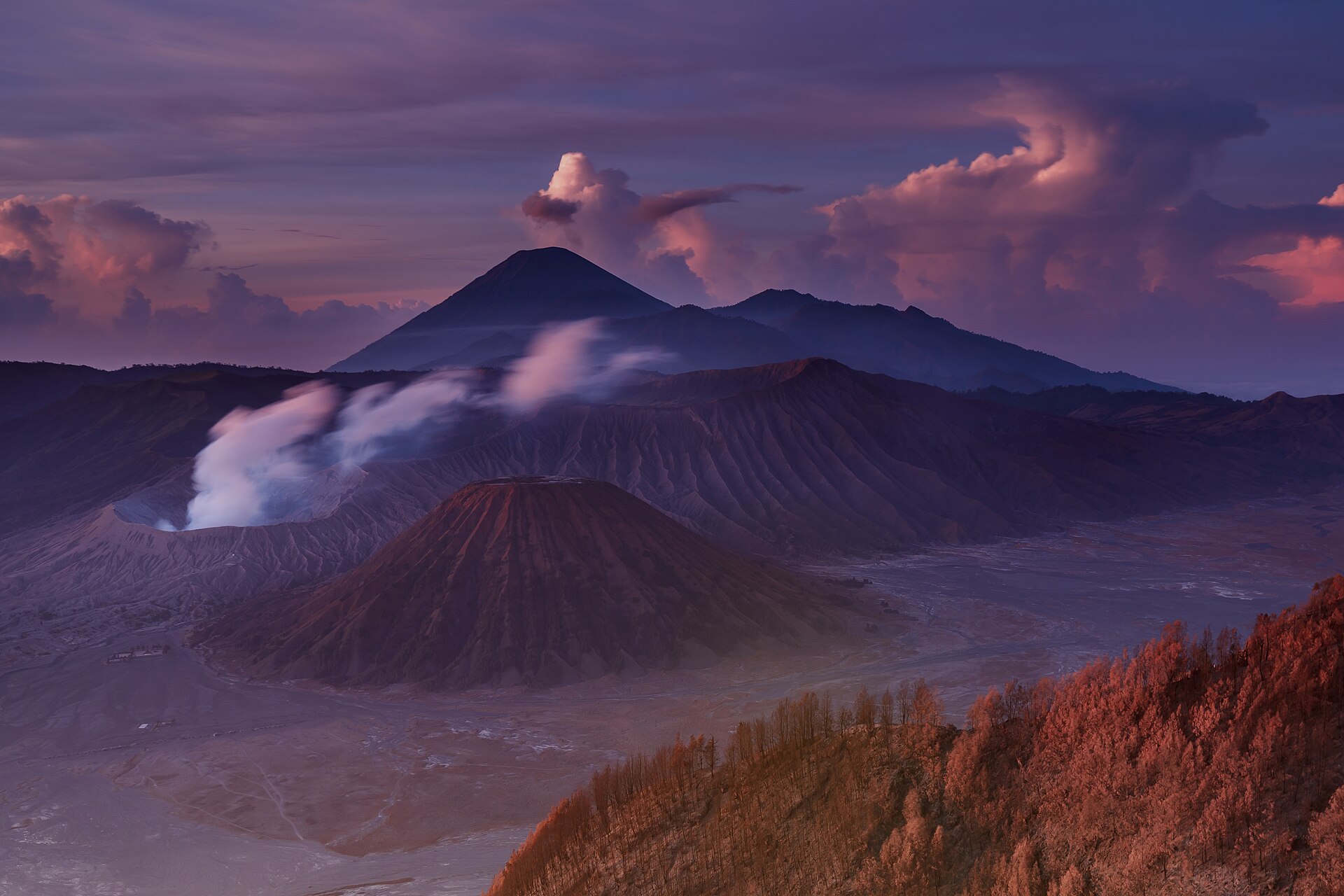
Photograph · Thomas Fuhrmann · CC BY-SA 4.0
Reviewed by Elena Voss · Roavina Travel Editor
Indonesia is between 13,000 and 17,000 islands spread across 1,904,569 km2, the largest archipelagic state in the world, so the question is never what to see but which island to fly to. Over 280 million people live in its 38 provinces and more than half of them on Java alone, the most heavily populated island anywhere and the one carrying Jakarta, the world's most populous city. Sumatra, Sulawesi and the Indonesian portions of Borneo and New Guinea are each a separate trip, across wilderness supporting some of the highest biodiversity on earth. The gaps between them are measured in flights, not in drives.
Checked 2026-08-25
Every city catalogued in this country so far, ranked by how much there is to see.
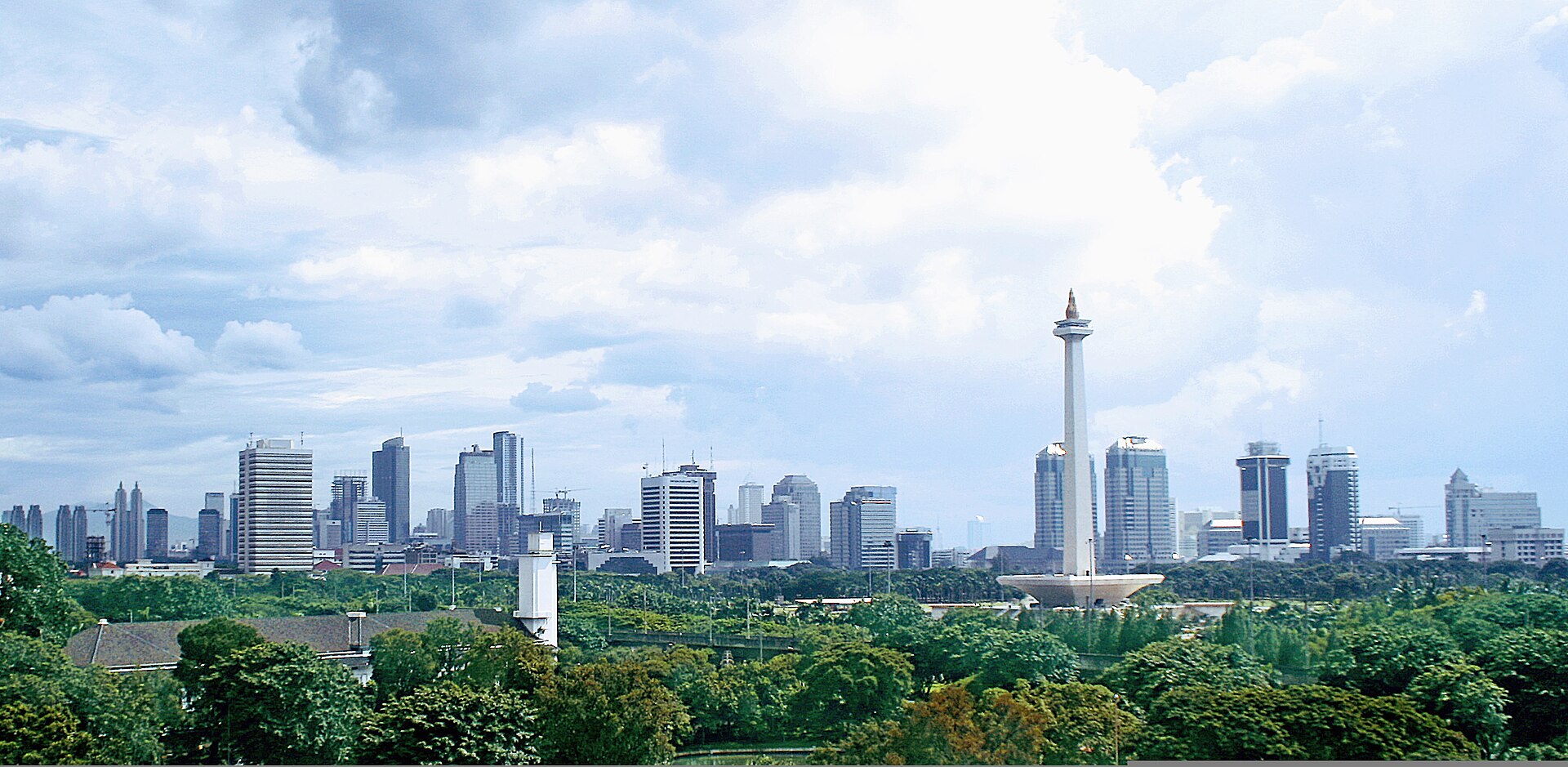
Photograph · Gunawan Kartapranata · CC BY-SA 3.0
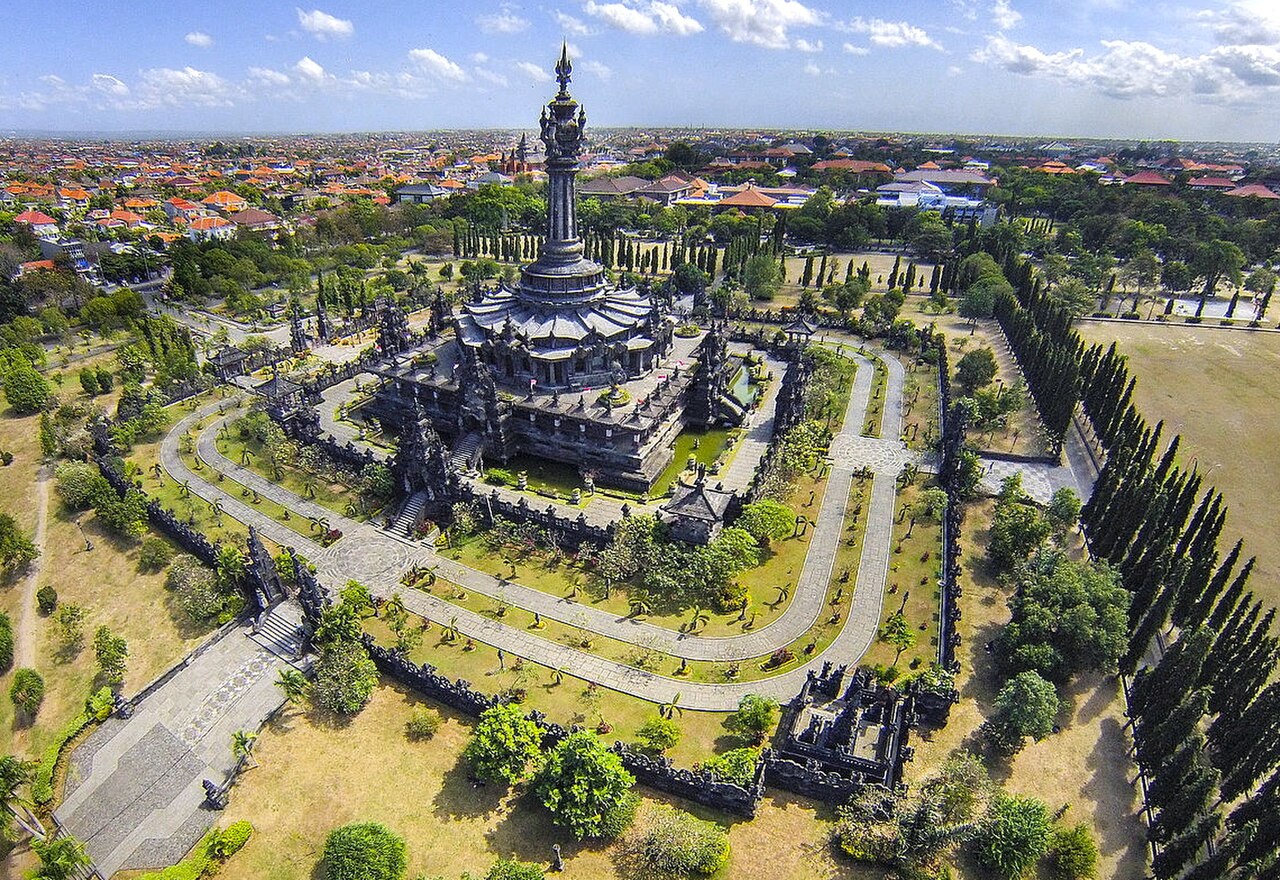
Photograph · trezy humanoiz from Denpasar, indonesia · CC BY 2.0
Ranked by importance — sitelinks, pageviews and heritage status, not editor preference.
27 places match
Category
Typical visit duration
Interests
The Wayang Museum, locally named Museum Wayang, is a cultural institution in Jakarta dedicated to the traditional Indonesian art of shadow puppetry.
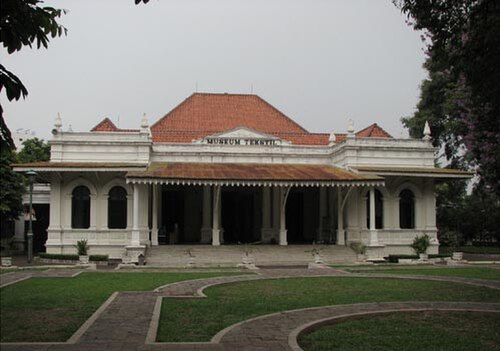
Museum Tekstil
The Museum Tekstil in Jakarta is a museum dedicated to Indonesia's rich textile heritage. It occupies a historic colonial-era building that once served as a private residence.
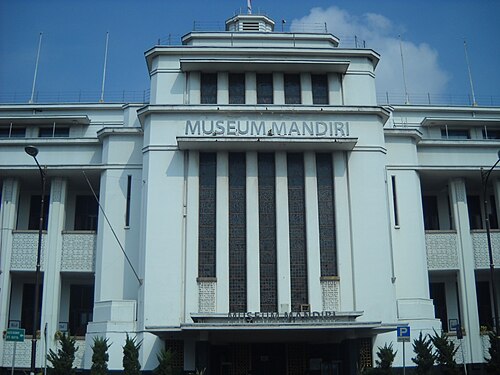
Museum Bank Mandiri
Bank Mandiri Museum, or Museum Bank Mandiri, occupies a historic building in Jakarta and presents the city’s banking heritage. Its story follows Bank Mandiri and its predecessor institutions, placing financial development within Indonesia’s wider social and economic history.
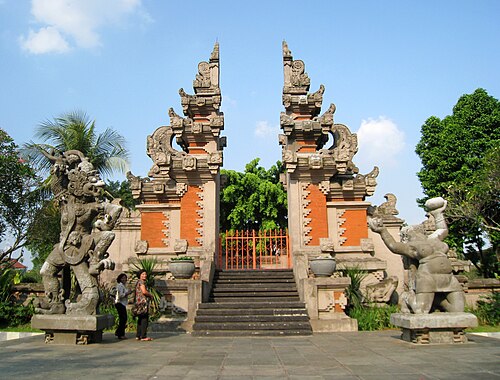
Museum Indonesia
The Museum Indonesia, known locally as Museum Indonesia, is a cultural institution located in Jakarta. It forms part of the Taman Mini Indonesia Indah complex, a large cultural park showcasing Indonesian provincial cultures.

musuem le mayeur
Le Mayeur Museum is the former home and studio of Belgian painter Adrien-Jean Le Mayeur de Merprès on Sanur Beach in Denpasar.
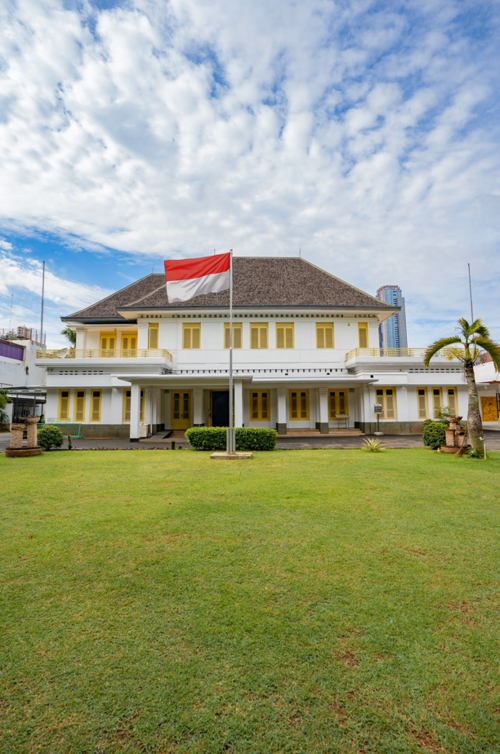
The Museum of the Proclamation Drafting, or Museum Perumusan Naskah Proklamasi, commemorates the preparation of Indonesia's 1945 independence proclamation.
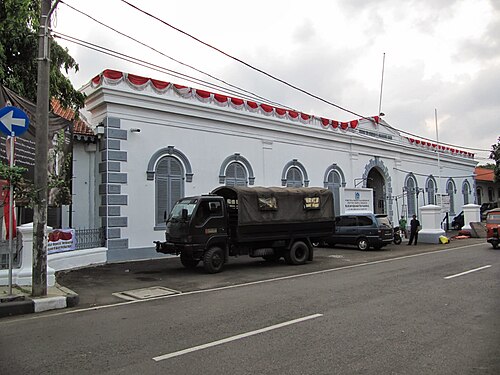
Museum Kebangkitan Nasional
The National Awakening Museum occupies the preserved STOVIA school building, a landmark site in Indonesian history. STOVIA, the School tot Opleiding van Inlandsche Artsen, trained indigenous medical students during the colonial period.
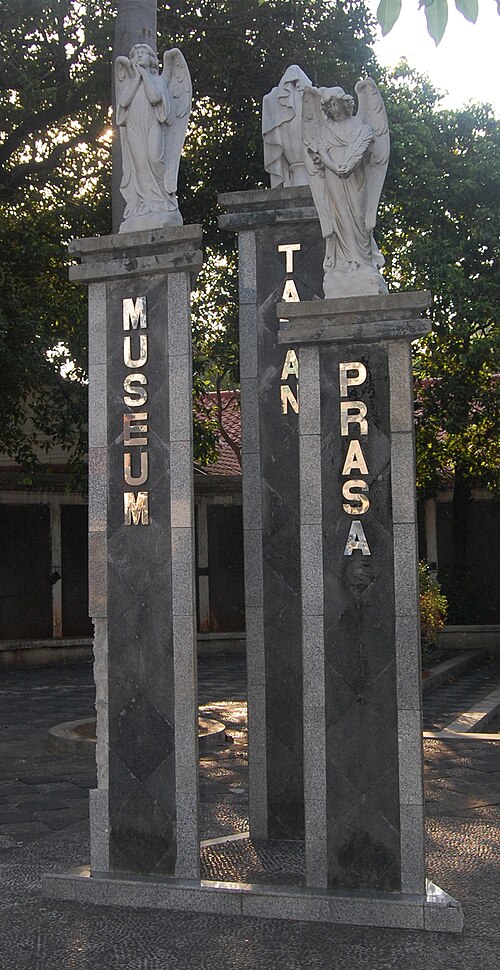
Museum Taman Prasasti
Taman Prasasti Museum is a heritage cemetery museum in Jakarta, Indonesia. Originally established as a colonial burial ground, it was converted into an open-air museum displaying historic tombstones, funerary monuments, and antique hearses.

The Bank Indonesia Museum occupies a historic colonial building in Jakarta's Old Town area. It serves as a museum dedicated to the history of Indonesia's central bank and the broader narrative of banking and finance in the Indonesian archipelago.

Museum MACAN
Museum MACAN—Museum of Modern and Contemporary Art in Nusantara—is Jakarta's major institution for modern and contemporary Indonesian and international art. Its purpose-built galleries present the collection alongside temporary exhibitions, commissions, performance and education programmes.
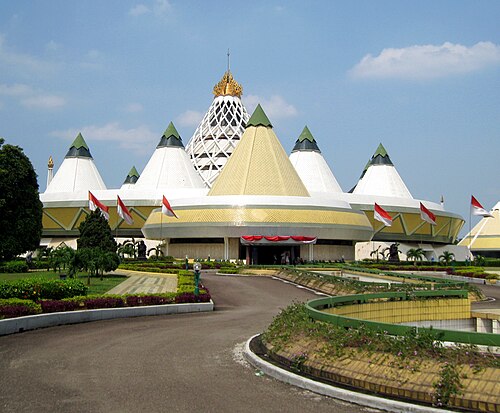
Museum Purna Bhakti Pertiwi
Purna Bhakti Pertiwi Museum, also called Museum Purna Bhakti Pertiwi, is a cultural museum in Jakarta and a listed destination in Indonesia’s tourism landscape. The museum forms part of the capital’s wider group of heritage and cultural attractions.
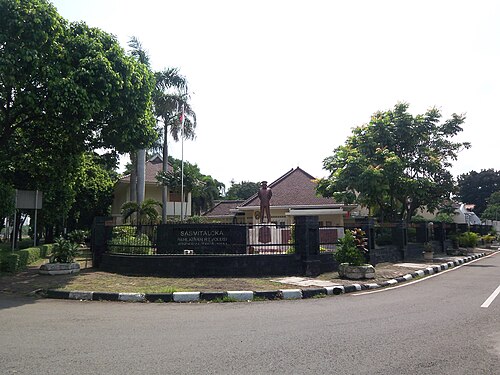
Museum Sasmita Loka Ahmad Yani
Sasmita Loka Ahmad Yani Museum is a Jakarta memorial museum devoted to General Ahmad Yani, an Indonesian national hero. It occupies the former residence where he lived before his death during the 1965 coup attempt.
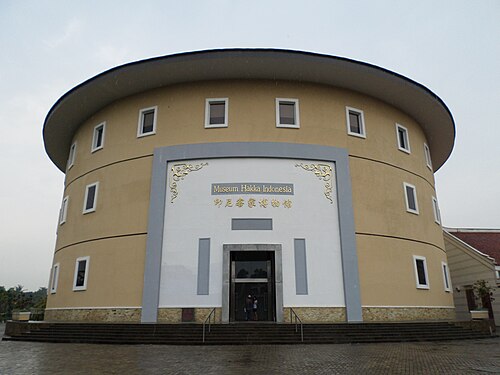
Museum Hakka Indonesia
Hakka Museum, also known as Museum Hakka Indonesia, is a cultural institution inside Taman Mini Indonesia Indah in Jakarta. It focuses on the migration history, community life, and cultural contributions of Hakka Chinese Indonesians.
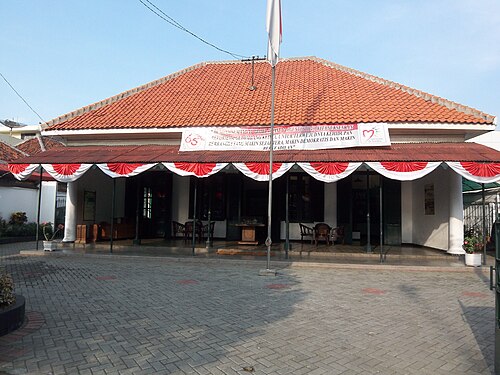
Museum Sumpah Pemuda
Youth Pledge Museum, also known as Museum Sumpah Pemuda, is a Jakarta museum centered on the Youth Pledge made by Indonesian youth representatives at the Second Youth Congress on 28 October 1928.
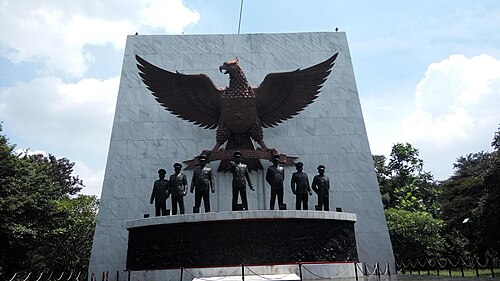
The Pancasila Sakti Monument and Museum, known locally as Monumen Pancasila Sakti, forms part of the Lubang Buaya memorial complex in Jakarta. The site commemorates the events of 30 September 1965, when seven Indonesian National Army officers were killed.
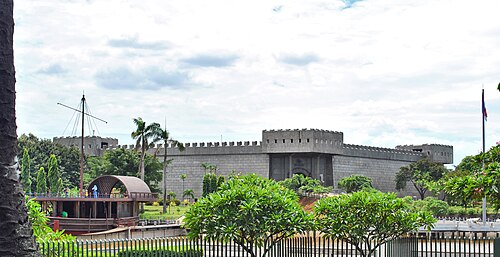
The Indonesian Soldiers Museum, locally called Museum Keprajuritan Indonesia, is a fortress-like museum within Taman Mini Indonesia Indah in Jakarta.
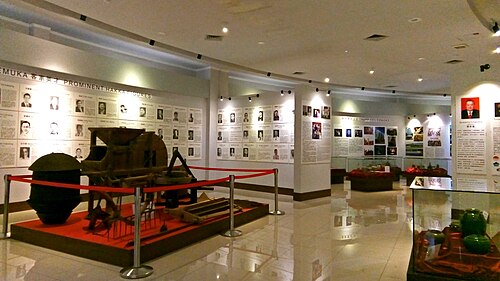
The Electricity and New Energy Museum, locally called Museum Listrik dan Energi Baru, introduces visitors to electrical power and newer energy technologies in Jakarta. It is a focused educational attraction rather than an art gallery or general history museum.
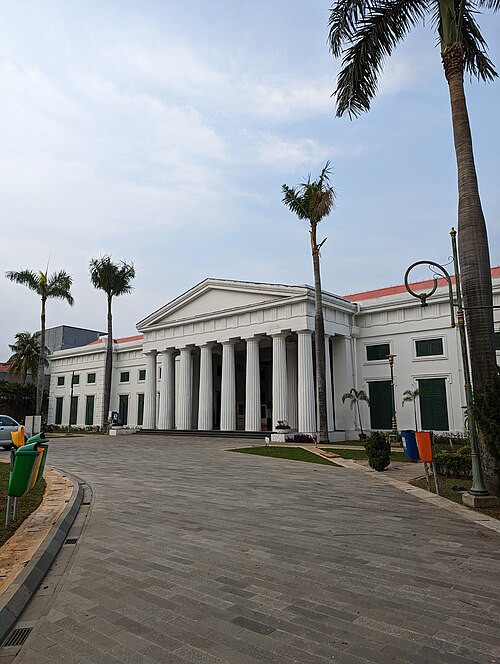
Museum Seni Rupa dan Keramik
The Fine Art and Ceramics Museum, known locally as Museum Seni Rupa dan Keramik, is a cultural institution in Jakarta dedicated to Indonesian visual arts and ceramic heritage.

Heirlooms Museum, also known locally as Museum Pusaka, is a keris-shaped museum inside Taman Mini Indonesia Indah (TMII) in Jakarta. Its subject is Indonesia’s traditional weapon heritage, with the keris as the central object and architectural symbol.
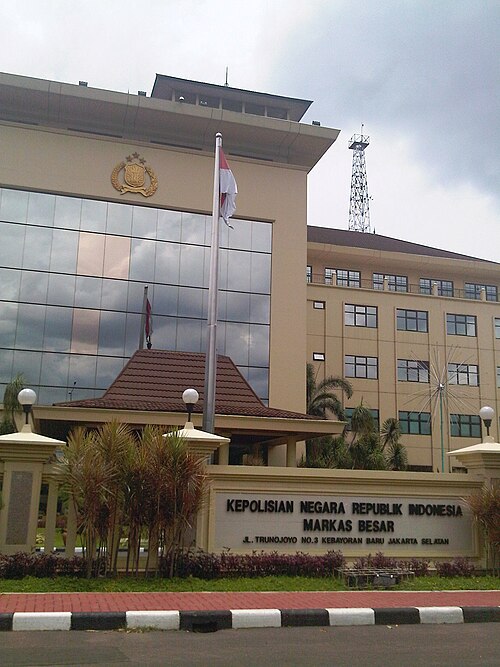
Museum Polri
The Indonesian National Police Museum, also known locally as Museum Polri, presents the history and institutional development of Indonesia’s national police. In Jakarta, it offers travelers a focused look at the people, objects, and cases connected with policing in Indonesia.
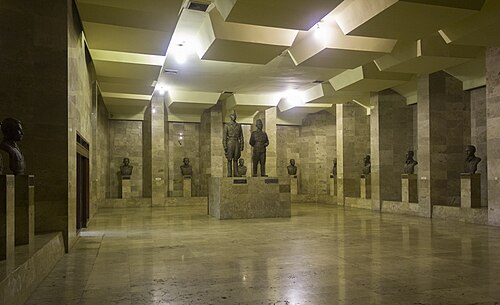
Museum Satria Mandala
Satriamandala Museum, also known as Museum Satria Mandala, is a Jakarta military history museum dedicated to Indonesia’s armed forces heritage. It combines indoor historical displays with an institutional memorial setting and outdoor military equipment.
Ten to fourteen days is enough for Bali plus one nearby island or for a focused Java route, not for the whole archipelago. Every added island introduces an airport or harbour transfer, so choose regions first and count transfer days before assigning sightseeing.
Indonesia Immigration’s official eVisa service is the source for passport eligibility, visa class and stay conditions. Complete any required arrival formalities through government channels and verify the authorised entry point; a Bali-focused commercial site is not evidence of national admission rules.
Flights bridge distant islands, Java has useful rail corridors, and ferries, buses or local boats complete many regional legs. Check the licensed operator and weather before sea travel, and leave recovery time when an island connection precedes an international departure.
Dry-season timing varies across Indonesia, although much of Java and Bali is commonly easier from roughly May to September. Sumatra, Sulawesi and eastern islands can follow different rainfall patterns, so select dates for the chosen islands rather than the country name.
Indonesia uses the rupiah, and large IDR figures make digit checking important. Keep cash for markets, drivers and smaller islands, use bank-linked machines where available, and confirm whether an accommodation or boat quote includes taxes and local charges.
The recorded emergency contacts are 112 where available and 110 for police; electricity is Type C and F at 230 V. Tap-water safety is Not recorded, so rely on local official or accommodation guidance and verify emergency coverage on remote islands.