Book of Kells
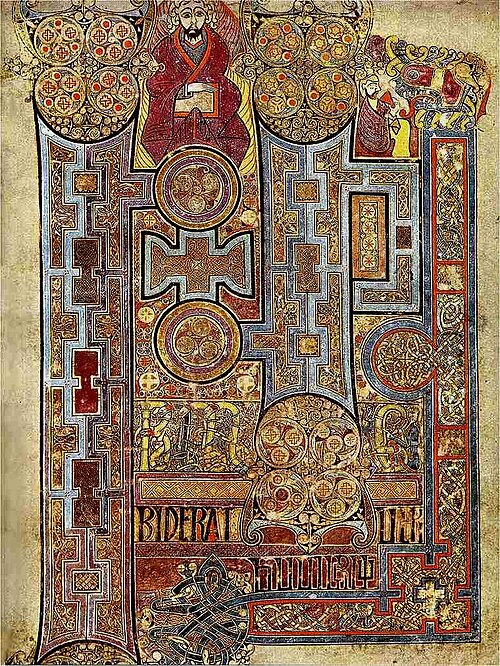
The Book of Kells is an illuminated manuscript Gospel book in Latin, containing the four Gospels of the New Testament. It is housed at Trinity College Dublin.
- Must see
- Historic monument
- Dublin
Language · 11 published
Country guide
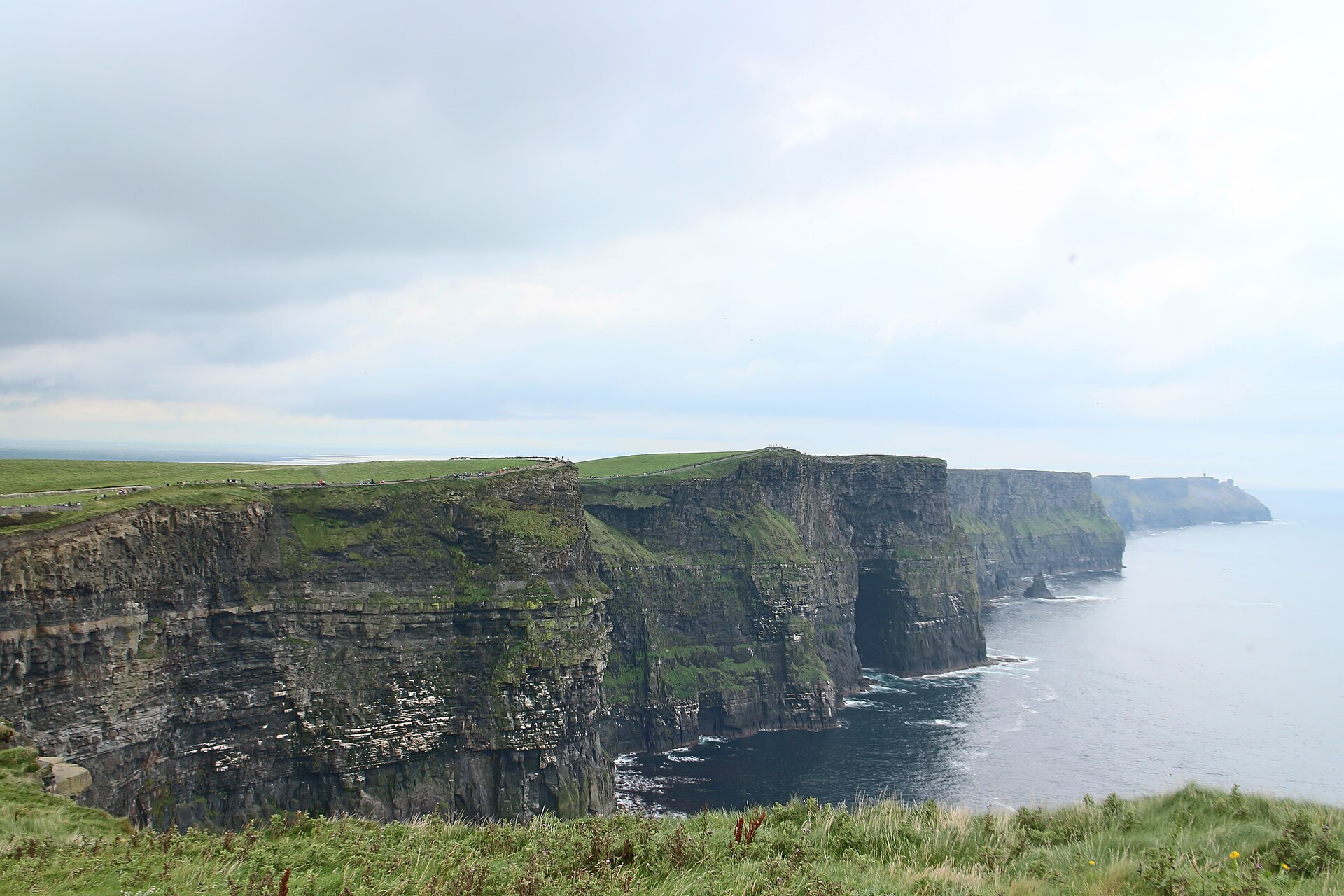
Ireland here means the state covering 26 of the island's 32 counties; the other six are Northern Ireland, and the two share the republic's only land border. About 5.4 million people live in the 26, more than 1.5 million of them in Dublin on the east coast, where most arrivals begin. Everything else is a direction away from the capital - the Atlantic west and its cliffs and harbour towns, the Celtic Sea to the south beyond Cork, the Irish Sea coast running north. The island is small enough to cross by car in a day, which regularly tempts people into trying it.
Reviewed by Elena Voss · Roavina Travel Editor
Every city catalogued in this country so far, ranked by how much there is to see.
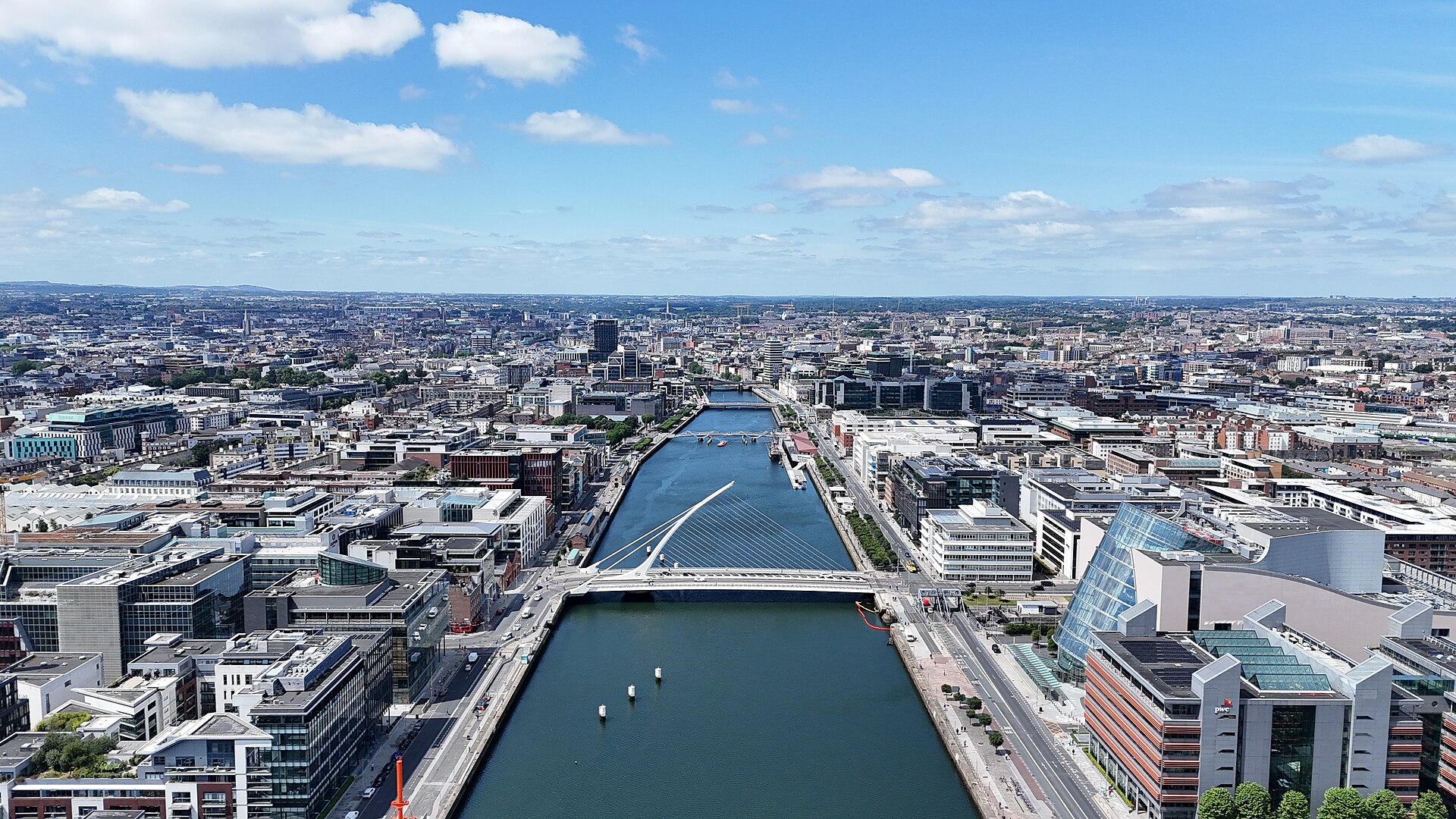
Photograph · 瑞丽江的河水 · CC BY-SA 4.0
Ranked by importance — sitelinks, pageviews and heritage status, not editor preference.
26 places match
Category
Typical visit duration
Interests
The Book of Kells is an illuminated manuscript Gospel book in Latin, containing the four Gospels of the New Testament. It is housed at Trinity College Dublin.
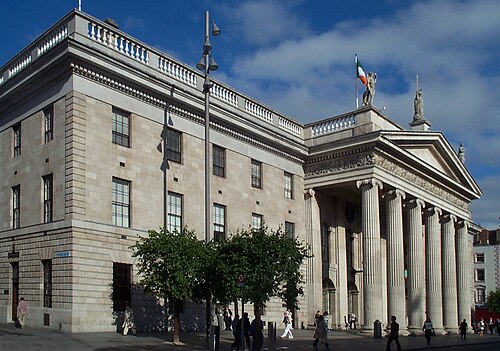
The General Post Office stands on O'Connell Street in Dublin as one of Ireland's most recognisable civic buildings. Designed by Francis Johnston and completed in 1818, it serves as the headquarters of An Post, the Irish postal service.
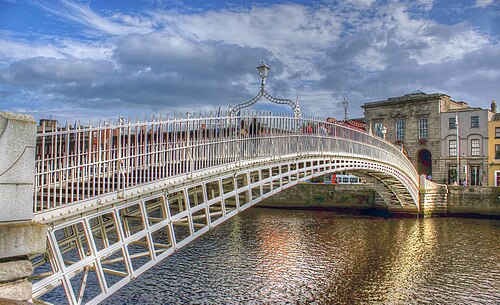
Ha'penny Bridge is a historic pedestrian bridge spanning the River Liffey in Dublin city centre. Its local name and common name are identical: Ha'penny Bridge.
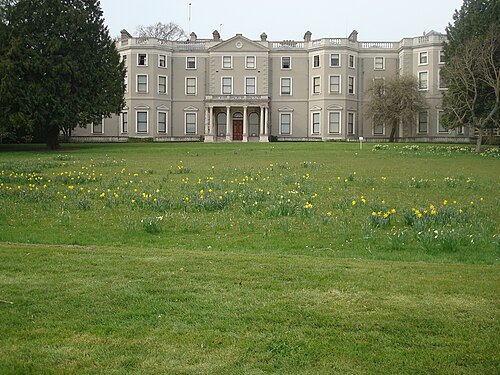
Farmleigh is a historic estate and official Irish State guest house located in the Phoenix Park area of Dublin. The property serves as a venue for state functions and is also open to public visitors.
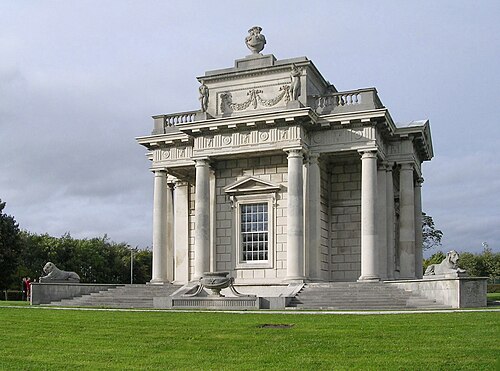
The Casino at Marino is a small pleasure house located in the northern suburbs of Dublin, Ireland.
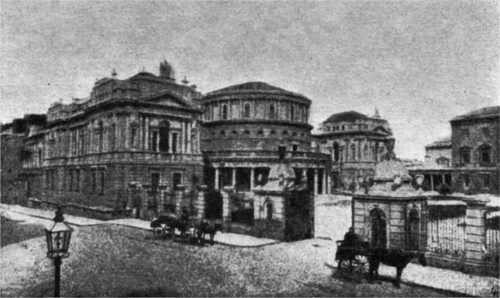
The National Library of Ireland is a cultural institution on Kildare Street in Dublin. It serves as the country's principal repository for Irish documentary heritage, holding extensive collections of books, manuscripts, newspapers, and visual materials.
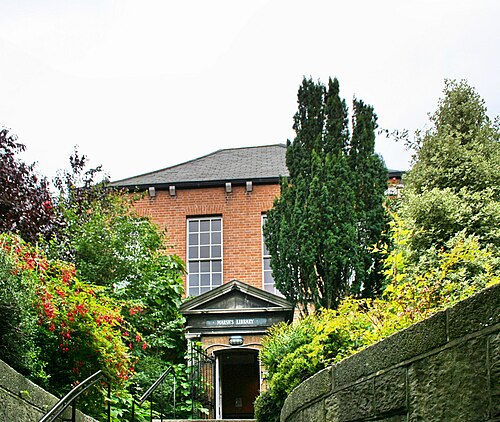
Marsh’s Library is an early eighteenth-century library beside St Patrick’s Cathedral in Dublin. Archbishop Narcissus Marsh founded it as the first public library in Ireland, intended to provide a place of study for anyone able to read.
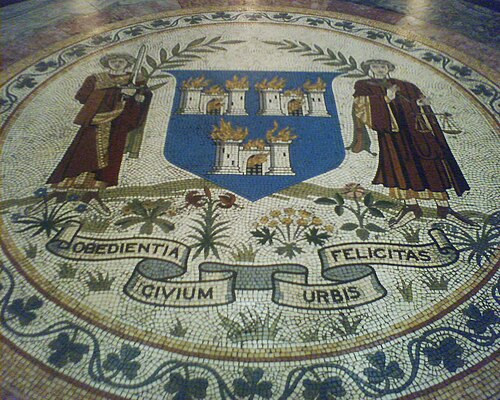
Dublin City Hall
Dublin City Hall is a civic building on Dame Street in Dublin, Ireland. Built in the late 18th century, it originally served as the Royal Exchange before becoming the seat of Dublin Corporation.
The National Leprechaun Museum is a visitor attraction in Dublin dedicated to Irish folklore and mythology, with particular emphasis on leprechaun legends.
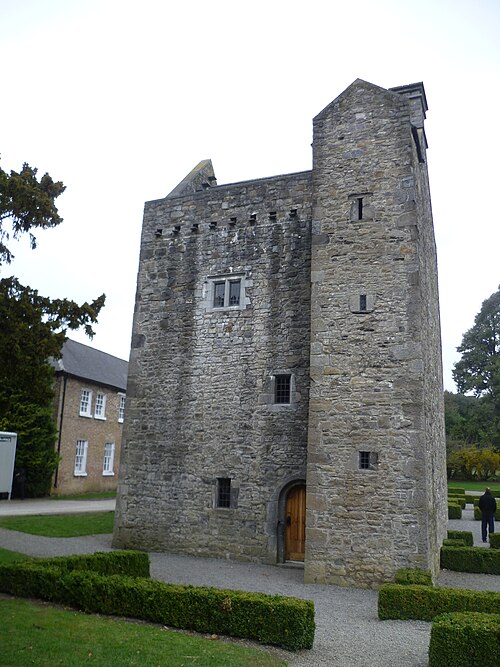
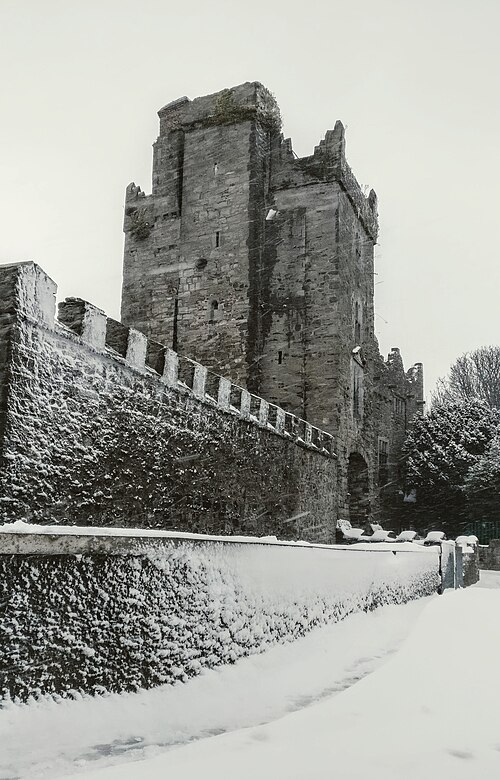
Ashtown Castle is a tower house located within the grounds of the Phoenix Park in Dublin, Ireland. The structure represents a surviving example of medieval defensive architecture, characteristic of Irish tower houses built during the fifteenth and sixteenth centuries.
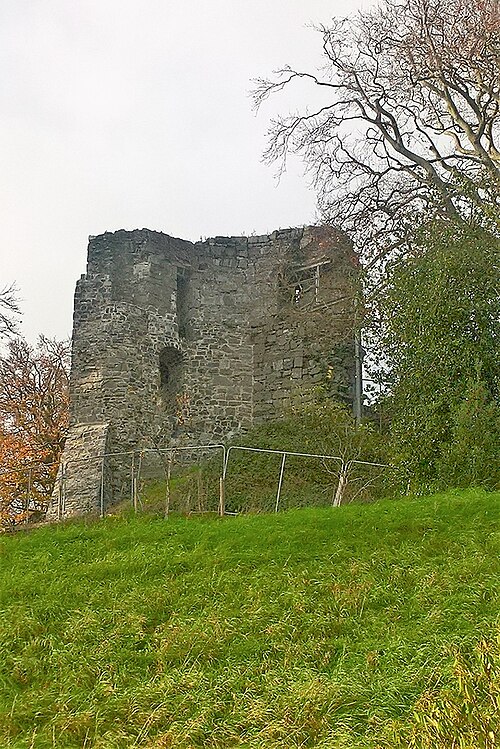
Castleknock Castle is a historic structure located in the Castleknock area of Dublin, Ireland. The castle stands as a remnant of medieval fortification within the broader Dublin region.
Drimnagh Castle is a Norman castle located in the Drimnagh suburb of Dublin, Ireland. It is the only remaining castle in Ireland still surrounded by a flooded moat.
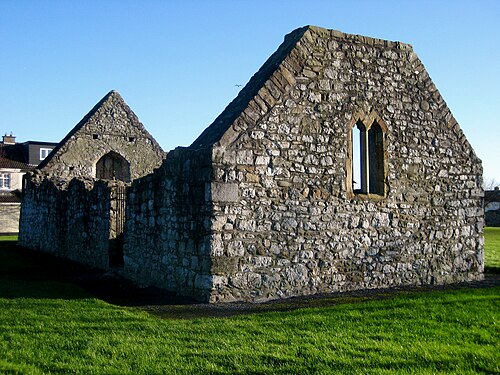
Grange Abbey is a historic religious site in Dublin, Ireland, connected with the country’s long ecclesiastical heritage. The place contributes to Dublin’s layered historical landscape and offers travelers an opportunity to encounter a site associated with medieval monastic settlement patterns.
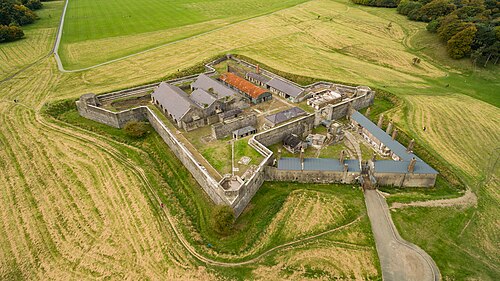
Magazine Fort is an eighteenth-century military fortification in Dublin’s Phoenix Park. The building served as a storage facility for gunpowder and ammunition, which explains its name and its defensive design.
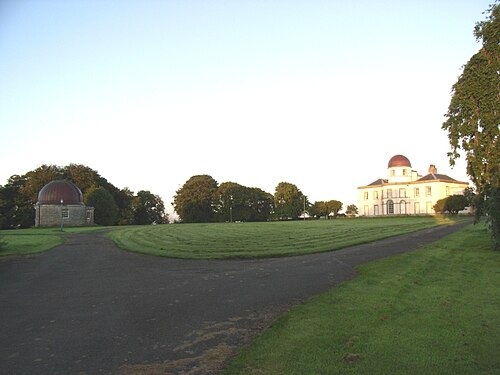
Dunsink Observatory is an astronomical observatory situated in the northern suburbs of Dublin, Ireland. Established in the eighteenth century, it holds historical significance as one of the oldest scientific institutions in the country.
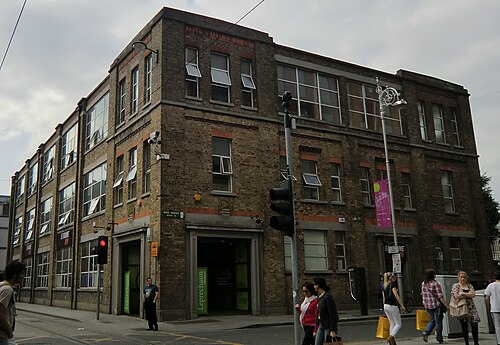
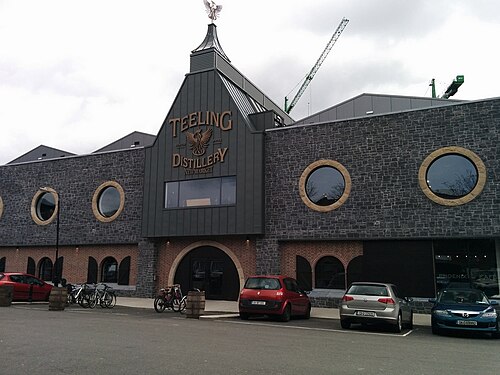
Teeling Whiskey Company
Teeling Distillery is a working whiskey distillery and visitor attraction in Dublin. It connects contemporary Irish whiskey production with the city's long distilling tradition, giving travelers a chance to encounter whiskey making in an active production setting.
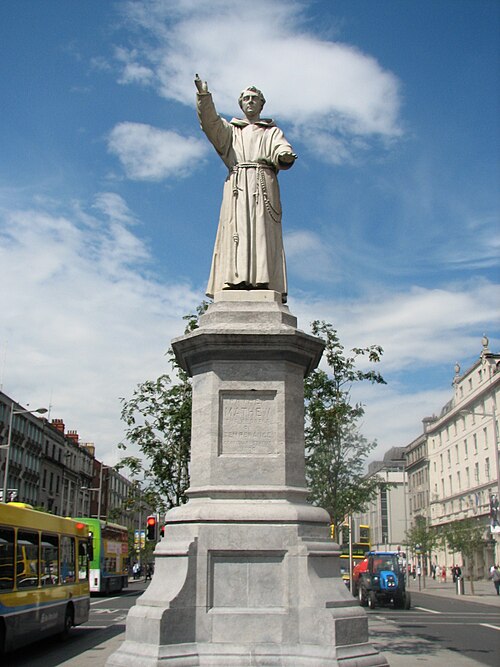
Theobald Mathew
The Father Mathew monument commemorates Theobald Mathew, an Irish Catholic temperance reformer who led the Total Abstinence Society in nineteenth-century Ireland. The statue stands as public sculpture in Dublin, representing Mathew's historical significance in Irish social history.
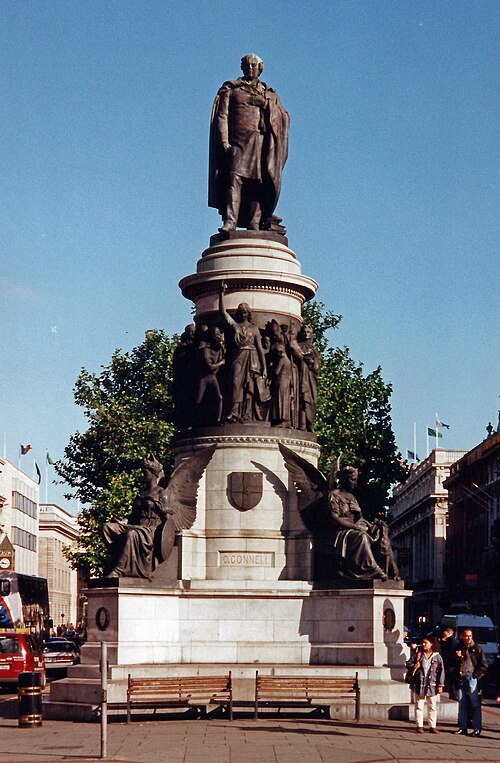
Daniel O'Connell
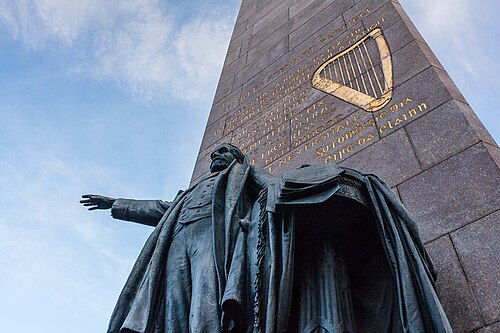
The O'Connell Monument is a public memorial statue honouring Daniel O'Connell, the nineteenth-century Irish political leader known as The Liberator. Located on O'Connell Street in central Dublin, the monument stands as a prominent feature of the city's main thoroughfare.
Charles Stewart Parnell Monument
The Charles Stewart Parnell Monument is a public memorial located on O'Connell Street in Dublin, Ireland. It commemorates Charles Stewart Parnell, a prominent nineteenth-century Irish nationalist politician who served as Member of Parliament and led the Irish Parliamentary Party.
Sir John Gray Knt MD JP
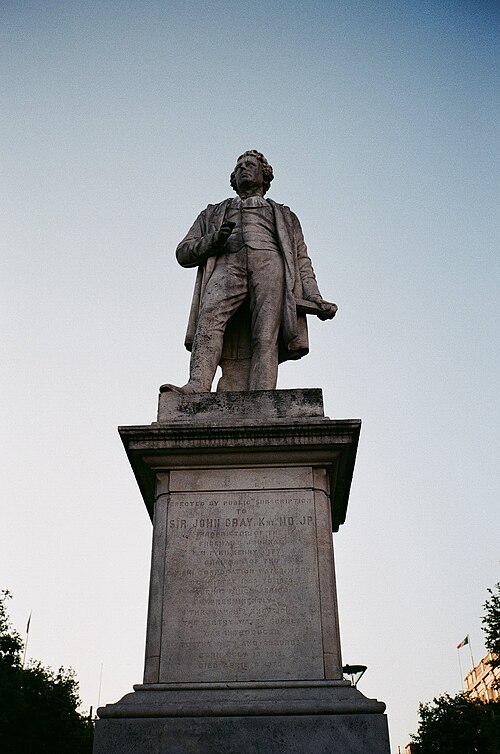
The Sir John Gray monument is Thomas Farrell’s 1879 memorial to the newspaper proprietor, parliamentarian and Dublin waterworks chairman.
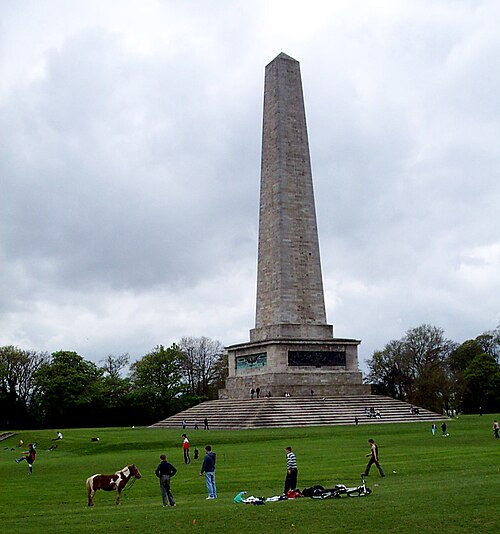
The Wellington Monument is a monumental obelisk in Dublin's Phoenix Park. It commemorates Arthur Wellesley, the first Duke of Wellington, an Anglo-Irish military and political figure associated with the victory at Waterloo.
William Smith O'Brien Monument
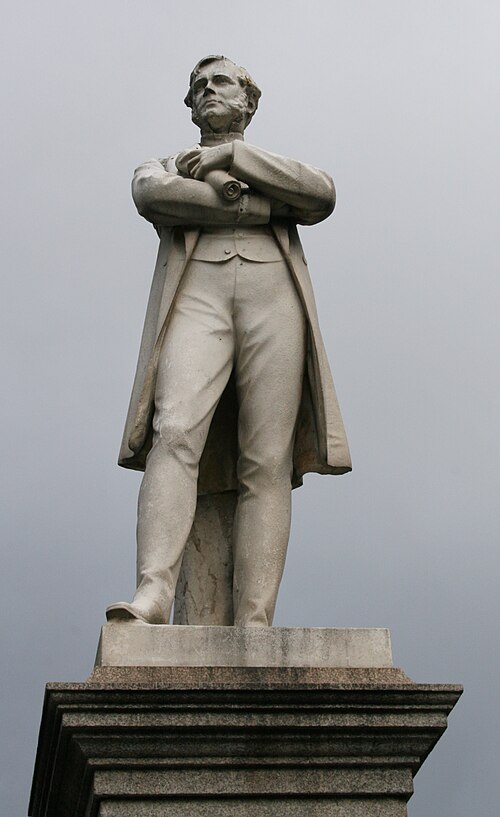
The William Smith O'Brien Monument is a public memorial in Dublin commemorating the 19th-century Irish nationalist and Member of Parliament. O'Brien was a leading figure in the Young Irelander movement and participated in the 1848 rebellion.
Mill Street House is a named visitor point in Dublin, on Mill Street south of the River Liffey. The listing places it within the central urban fabric, close to the Liberties and the wider historic city centre.
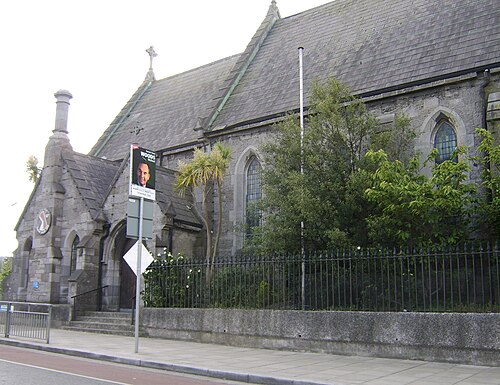
St Assam's Church
St. Assam's Church is a named church in Dublin and a place of worship within the city. Its principal character is religious and community-oriented, so visitors should approach it as a sacred building rather than as a conventional museum attraction.
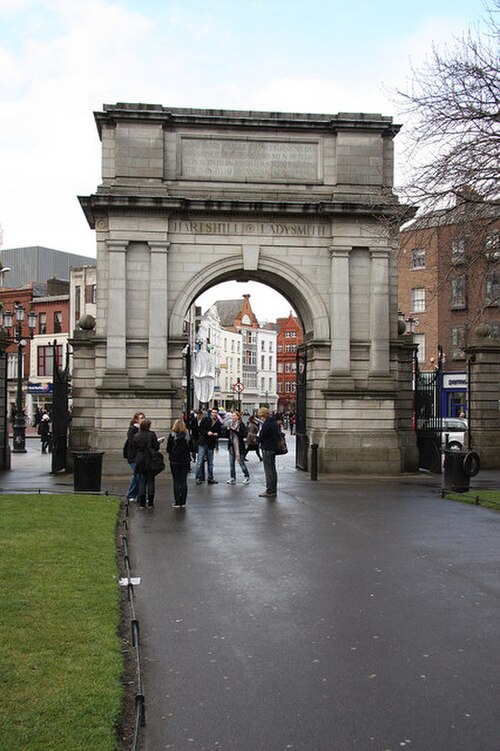
Fusiliers’ Arch is a sandstone memorial gateway at the Grafton Street entrance to St Stephen’s Green in Dublin. It commemorates members of the Royal Dublin Fusiliers who died in the Second Boer War.
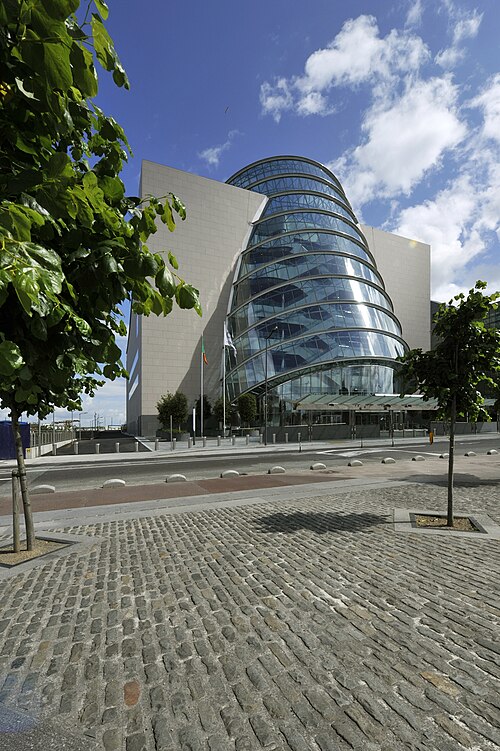
The Convention Centre Dublin
Convention Centre Dublin is a large conference and events venue on North Wall Quay beside the River Liffey in Dublin’s Docklands. The building opened in 2010 and was designed by architect Kevin Roche.
Source: OpenStreetMap contributors, Wikidata ·
Seven to ten days supports Dublin plus one coherent coastal or western circuit. A shorter trip should choose either the southwest, Galway and Connemara, or Northern Ireland connections rather than tracing the entire island.
Irish Immigration explains the documents examined at the border. Visa need, passport validity and supporting evidence depend on nationality; Ireland is not part of Schengen, so a Schengen permission alone does not settle Irish entry.
Dublin is the largest air gateway, with Shannon and Cork useful for western and southern routes. Intercity rail and coach links serve the main cities, while rural peninsulas and small settlements often require a car or planned bus connection.
May to September offers longer daylight for road and coastal itineraries. Rain and wind remain possible throughout the year, so ferry crossings and exposed walks need a current forecast rather than a seasonal assumption.
Ireland uses the euro (EUR). The cited national tourism source does not record a universal payment rule; confirm card acceptance for rural transport, small accommodation and deposits, and retain an alternative.
Emergency services in Ireland answer 112 or 999. Type G sockets use 230 V, and mains tap water is recorded as safe.