
2 min walk
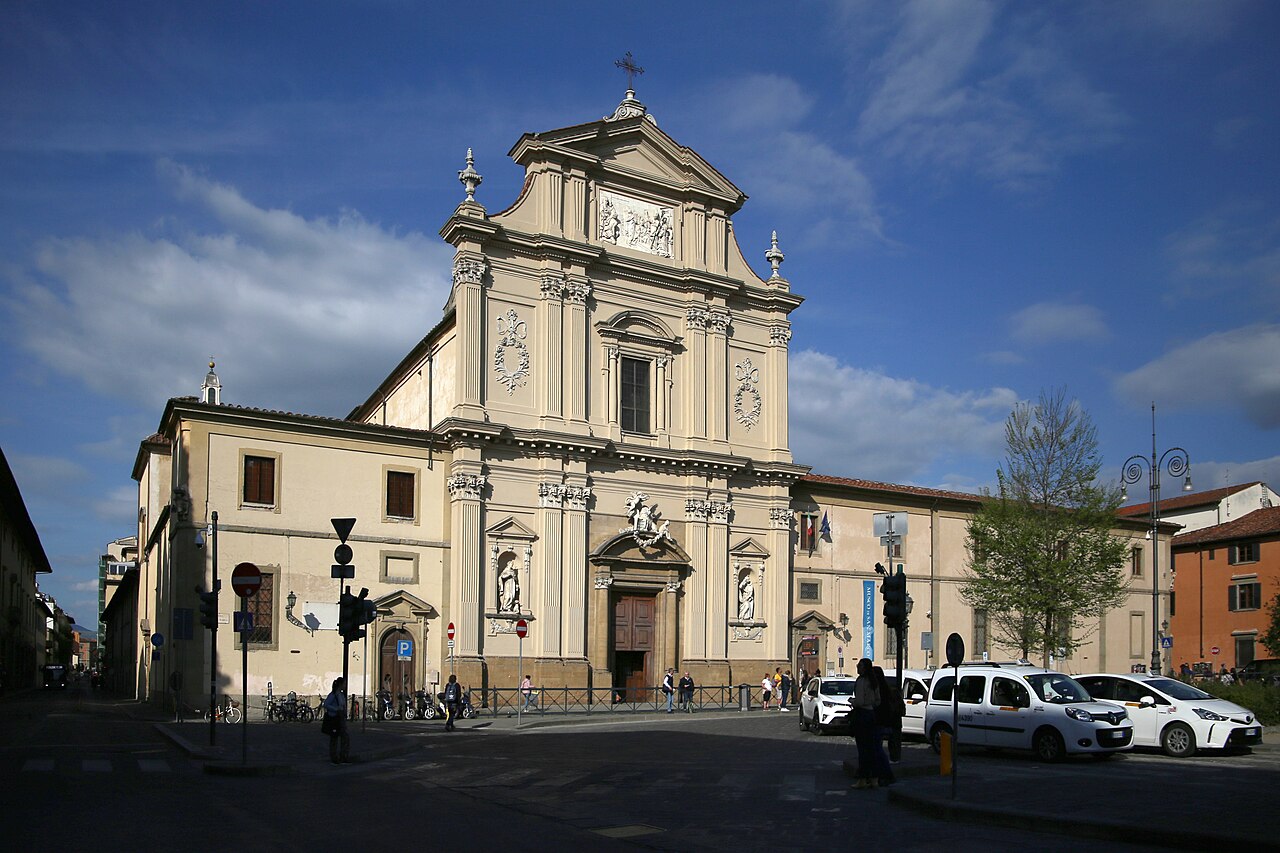
Museum of San Marco
- Must see · Heritage site
- Historic monument
Museum · Florence
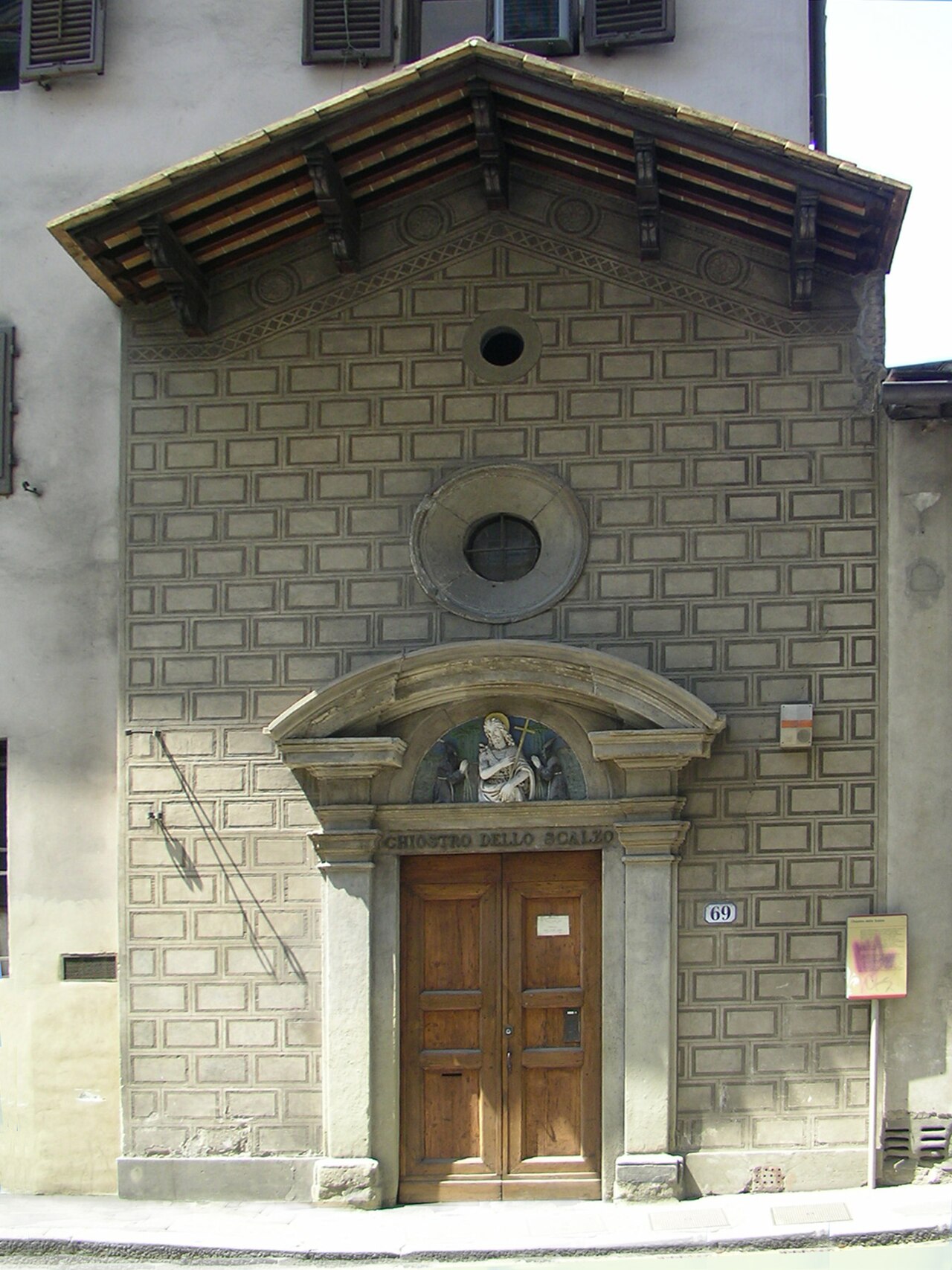
Chiostro dello Scalzo
The Cloister of the Scalzo, or Chiostro dello Scalzo, is a Renaissance cloister in Florence known for Andrea del Sarto’s fresco cycle. Built around the intimate space of a former confraternity, it gives travelers a concentrated encounter with early sixteenth-century Florentine art. The cloister is valuable precisely because its scale encourages close looking: instead of crossing a vast museum, you move around a contained architectural setting and follow a painted narrative. It is an excellent choice for visitors who want High Renaissance painting in a quieter, more contemplative environment.
Checked 2026-08-26 · Source
Andrea del Sarto’s frescoes depict the Life of Saint John the Baptist and line the cloister’s arcaded walkways. Their grisaille technique uses a restrained monochrome effect, making drawing, gesture, composition, and tonal modelling especially important. Walk around the cloister rather than viewing the paintings as isolated pictures: the sequence unfolds through the architecture and gains meaning as a continuous programme. Study how the figures occupy each scene, how the arches frame the paintings, and how the limited palette creates a calm, unified atmosphere. The combination of painted narrative and Renaissance structure is the heart of the visit.
Checked 2026-08-26 · Source
Allow around thirty minutes to one hour for the Cloister of the Scalzo. The compact layout makes a short visit worthwhile, but moving slowly around the arcades gives Andrea del Sarto’s cycle time to unfold. Spend a few minutes comparing individual scenes, then take in the complete relationship between frescoes, columns, covered walkways, and the central open space. Art students, photographers, and travelers fascinated by Renaissance technique may stay longer to examine gesture and grisaille modelling. The cloister rewards concentration more than speed, so even a brief stop can feel substantial when you look carefully.
Checked 2026-08-26 · Source
The Cloister of the Scalzo suits a quieter part of your Florence day, when you have enough attention to follow a painted narrative rather than rush through another landmark. Morning can provide a calmer atmosphere for studying the frescoes and the changing light beneath the covered walkways. Spring and autumn are comfortable seasons for moving between smaller central monuments. Place the cloister near other Renaissance-focused stops, but leave breathing room around it. Its intimate scale works best when you can pause, look closely, and let the sequence of Saint John the Baptist scenes develop at an unhurried pace.
Checked 2026-08-26 · Source
The reason to visit the Cloister of the Scalzo is Andrea del Sarto’s fresco cycle and the chance to encounter Renaissance art in its original architectural setting. Plan it as a small, focused cultural stop within a larger Florence museum and monument route. Its intimate scale means the artistic experience does not depend on spending an entire afternoon there. If you enjoy comparing Renaissance painting across the city, place the cloister near other works from the same broad cultural period and use the visit to notice differences in narrative, technique, and architectural presentation.
Checked 2026-08-26 · Source
The Cloister of the Scalzo is within Florence’s compact historic centre and can be incorporated into a walking route between central cultural attractions. Narrow streets and historic pavements make a map useful, especially because smaller monuments can be less visually prominent than the cathedral or major galleries. Start from a nearby landmark and allow time to find the entrance without rushing. Comfortable shoes are helpful throughout the approach. The cloister works especially well as a deliberate detour from the busiest tourist paths, followed by another nearby Renaissance or architectural stop.
Checked 2026-08-26 · Source
The Cloister of the Scalzo is an intimate historic monument, so visitor behaviour has a noticeable effect on the experience. Walk carefully around older surfaces, keep the atmosphere quiet, and give other visitors space beneath the arcades. The frescoes can be read best from a measured distance, with time to compare scenes rather than crowding one section. Uneven flooring or steps may affect movement for some travelers. Light can vary along the covered walkways, so allow your eyes time to adjust. A calm visit protects both the contemplative character of the cloister and your ability to see the paintings clearly.
Checked 2026-08-26 · Source
The cloister’s covered arcades and open central space create varied light across Andrea del Sarto’s monochrome frescoes. Photograph architectural details, repeated arches, columns, and selected scenes where visitor conduct permits. Grisaille painting depends on subtle tonal differences, so look carefully at composition and gesture before making images. Avoid flash if it is prohibited or disruptive, and keep equipment compact in the narrow walkways. A few deliberate frames will communicate the relationship between art and architecture better than rapid coverage of every scene. Remember that attentive looking should remain the priority in this small Renaissance setting.
Checked 2026-08-26 · Source
It is known for Andrea del Sarto’s fresco cycle depicting the Life of Saint John the Baptist.
Grisaille is a monochrome painting technique that emphasizes tonal modelling, drawing, gesture, and composition rather than a broad colour range.
Allow about thirty minutes to one hour, with extra time if you want to study the fresco sequence closely.
Walk around the arcaded walkways and follow the scenes as a continuous narrative instead of treating each fresco as an isolated image.
Yes. It is in Florence’s compact historic centre and fits naturally into a walking route between central cultural attractions.
Focus on the fresco details, repeated arches, columns, and the relationship between Andrea del Sarto’s paintings and the cloister architecture.
Loading the interactive map…
The interactive map could not be loaded.
Last updated:
Source: OpenStreetMap contributors, Wikidata ·