
1 min walk
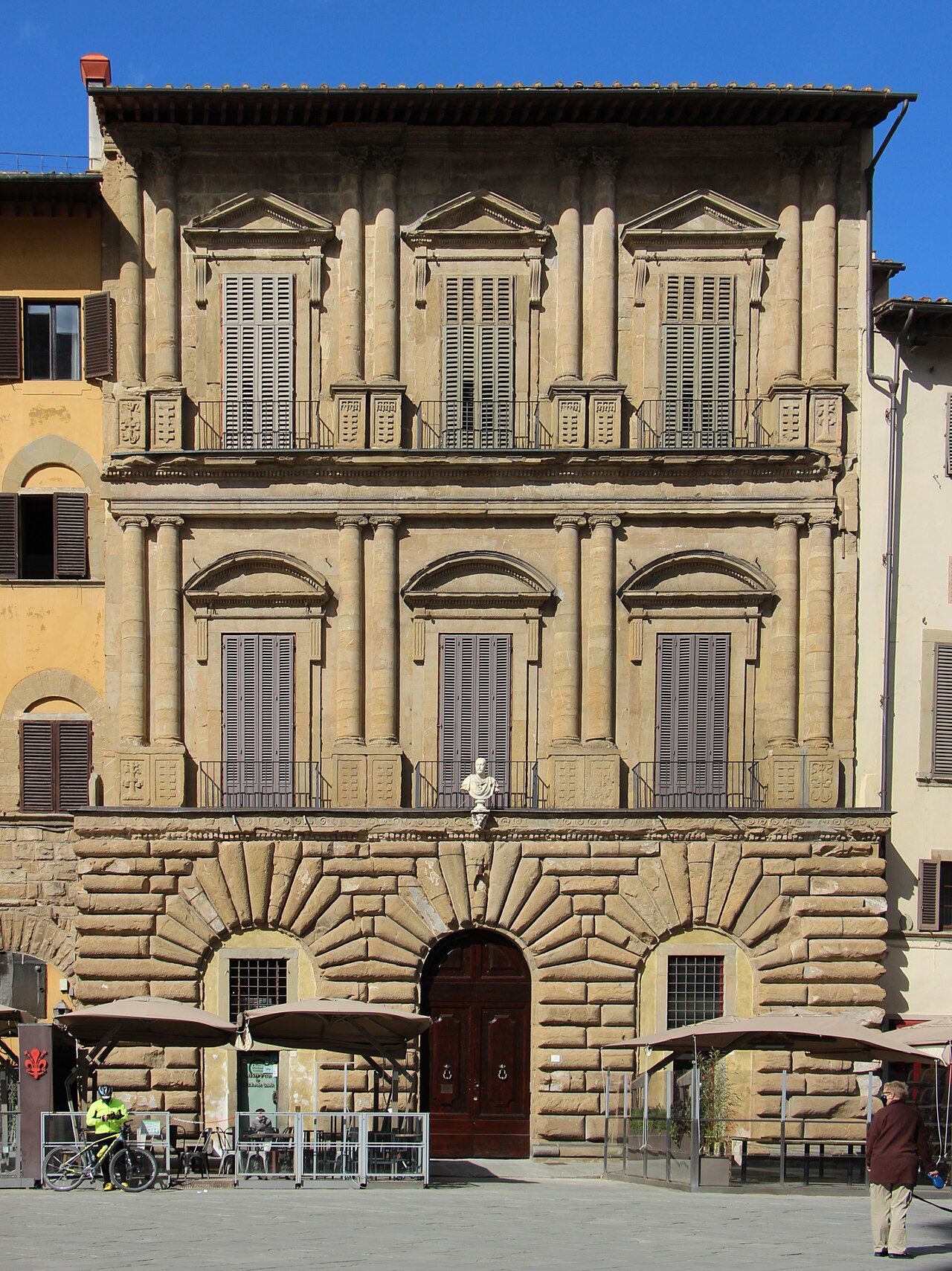
Palazzo Uguccioni
- High
- Historic monument
Language · 11 published
Museum · Florence
Reviewed by Elena Voss · Roavina Travel Editor
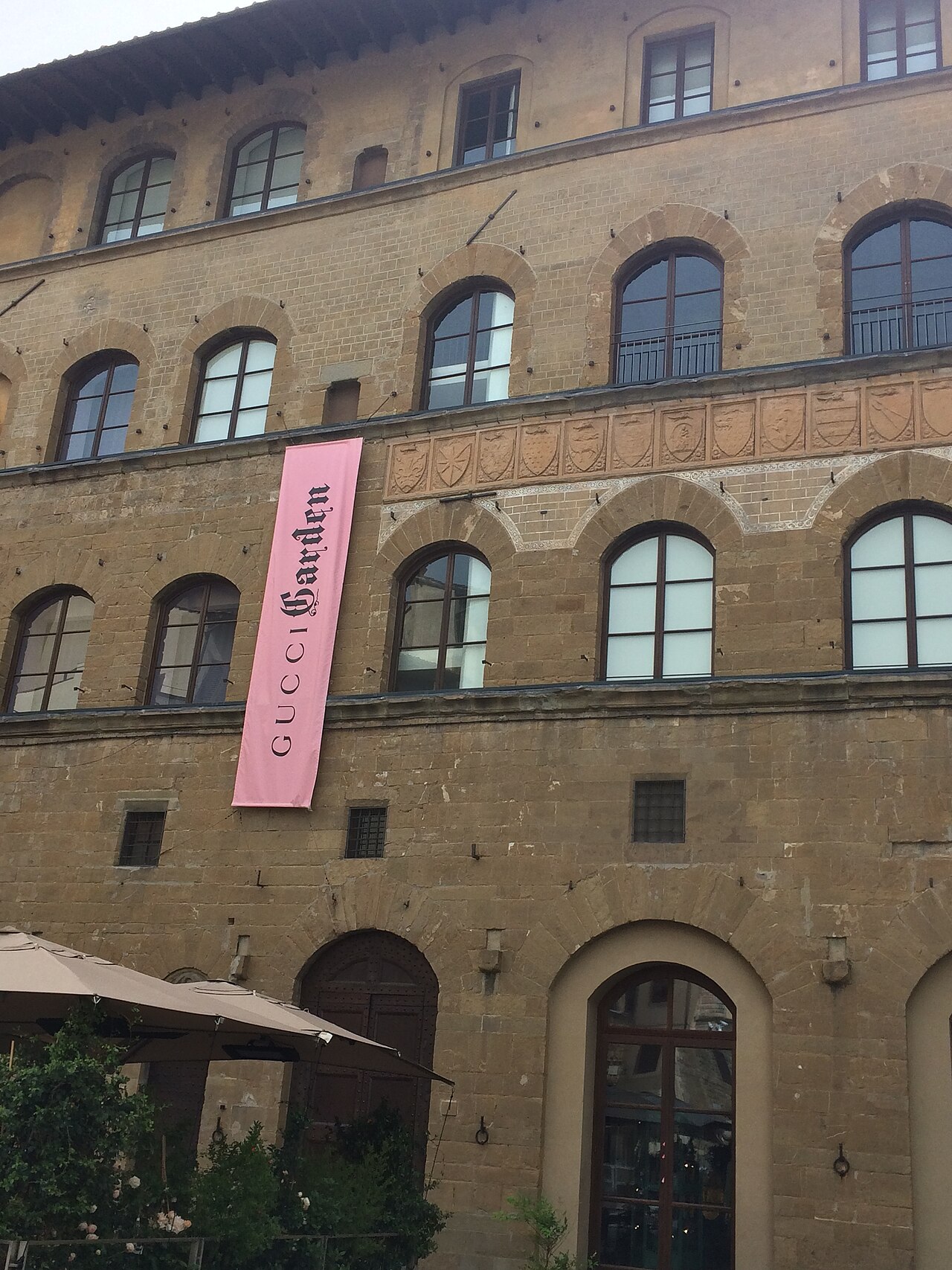
This place is a Museum. It opened in 2011. It carries the Italian national heritage heritage designation.
The Gucci Museum presents the history of the Florentine luxury house founded by Guccio Gucci in 1921. Set in the historic Palazzo della Mercanzia near Piazza della Signoria, it connects fashion objects with Florence’s traditions of craftsmanship, commerce, and design. The museum is useful for travelers who want to understand Gucci as a cultural and creative institution, not simply as a retail label. Its setting in a medieval palazzo adds a strong architectural dimension to the experience. The Gucci Museum is a fashion museum in Florence dedicated to the history of the Italian luxury house Gucci. Located in the historic centre, it occupies the medieval Palazzo della Mercanzia. The museum traces the evolution of the brand from its 1921 founding by Guccio Gucci in Florence through its development as a global fashion icon. Exhibits include archival clothing, accessories, documents, and multimedia installations that illustrate the company's craftsmanship and design heritage. The museum also explores connections between Gucci and Florentine artisan traditions. The museum offers insights into Italian craftsmanship, Florentine commercial history, and design evolution that extend beyond pure fashion interest. The palazzo setting itself holds architectural merit.
Checked 2026-08-26 · Source
Displays cover Gucci’s development through clothing, handbags, luggage, footwear, documents, and other archival material. The collection highlights recognizable elements such as the double-G logo, the Flora print, and the company’s equestrian roots. Visitors can follow changes in materials, silhouettes, branding, and presentation across different periods. Contemporary art and multimedia installations broaden the story beyond individual products. A bookstore and cafe add places to browse and rest after the galleries, making the museum a compact but varied stop.
Checked 2026-08-26 · Source
Most visitors should allow one to two hours. A shorter visit covers the principal rooms and key objects, while a slower circuit gives more time to read the historical material, watch multimedia content, and compare designs from different decades. Fashion enthusiasts may want additional time for details in materials, construction, and motifs. The bookstore and cafe can extend the stop beyond the galleries. Its compact central location also makes it easy to place between Piazza della Signoria, the Duomo, and Ponte Vecchio.
Checked 2026-08-26 · Source
Morning is a good choice for a calmer museum visit before the busiest hours around Florence’s central squares. Spring and early autumn bring comfortable walking weather but also strong demand across the historic centre. Summer can be hot outside, making an indoor fashion collection a welcome pause during a sightseeing day. Winter is often quieter and pairs well with museum-focused itineraries. The Palazzo della Mercanzia setting means the visit remains worthwhile even when weather makes outdoor touring less appealing.
Checked 2026-08-26 · Source
Plan the museum as a focused cultural stop and allow time for its bookstore or cafe if those spaces interest you. The central location makes it easy to combine with nearby attractions, so it need not determine the structure of an entire day. Travelers interested in special displays should treat them as part of the museum experience rather than expecting a retail presentation of current collections.
Checked 2026-08-26 · Source
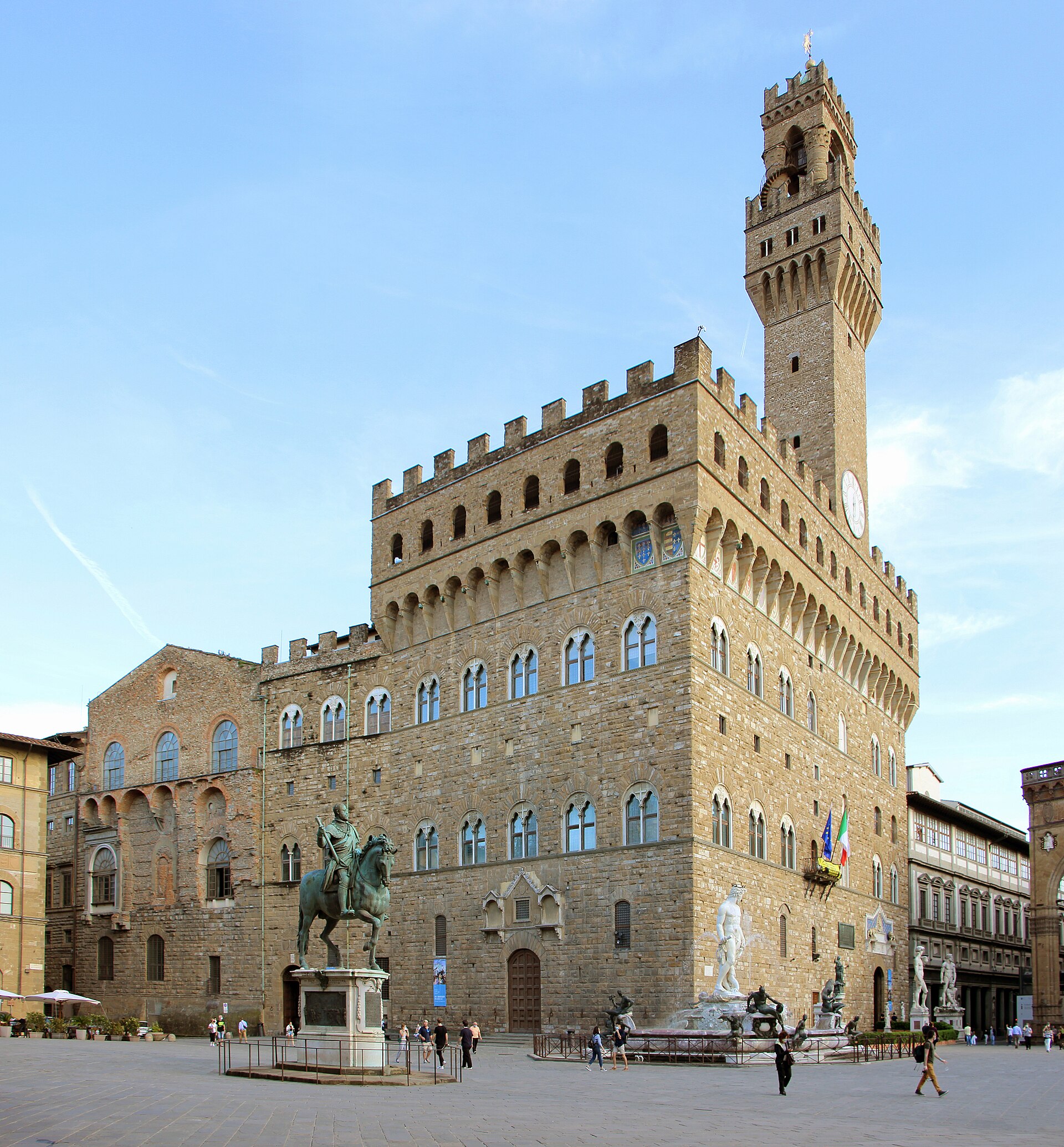
The museum stands in Florence’s historic centre near Piazza della Signoria, within easy walking reach of Palazzo Vecchio, the Duomo, and Ponte Vecchio. Walking is the simplest way to arrive because the medieval core is compact and private vehicle access is restricted in many streets. Santa Maria Novella station is around a fifteen-minute walk away, making the museum convenient for rail arrivals. Buses and taxis can bring travelers into the wider centre, followed by a short pedestrian approach over historic streets.
Checked 2026-08-26 · Source
The museum occupies a historic palazzo, so visitors should expect an older building environment rather than the broad circulation of a modern gallery. Stairs, thresholds, and narrow rooms may affect movement, especially for travelers carrying wheeled luggage. Crowds gather around the surrounding squares and shopping streets, so keep valuables close during the approach. Clothing and accessories can be delicate objects; move carefully and respect barriers. Allow a little extra time if you want to read panels or pause at multimedia displays.
Checked 2026-08-26 · Source
The museum’s strongest photographic subjects are the historic palazzo interiors, archival accessories, repeated Gucci motifs, and the contrast between older objects and contemporary installation design. Work with available light and avoid using flash around textiles, leather, and other sensitive materials. In narrow rooms, keep equipment compact so other visitors can move freely. Personal photographs can document details such as the Flora pattern, double-G emblem, luggage construction, and equestrian references. Follow gallery notices for any display where photography is restricted.
Checked 2026-08-26 · Source
Yes. It connects fashion with Florentine craftsmanship, commercial history, materials, graphic identity, and the architecture of Palazzo della Mercanzia.
The museum presents archival clothing, handbags, luggage, footwear, documents, and designs featuring motifs such as the Flora print and double-G logo.
Allow one to two hours for the galleries, with extra time if you want to read the displays, watch multimedia material, or visit the bookstore and cafe.
It is in Palazzo della Mercanzia near Piazza della Signoria in Florence’s historic centre, within walking reach of the Duomo, Palazzo Vecchio, and Ponte Vecchio.
Yes. The displays include references to Gucci’s equestrian roots alongside archival clothing, accessories, luggage, and the development of the brand’s visual identity.
The museum includes a bookstore with fashion and design publications and a cafe where visitors can pause after exploring the collection.
Loading the interactive map…
The interactive map could not be loaded.
Last updated:
Source: OpenStreetMap contributors, Wikidata ·