
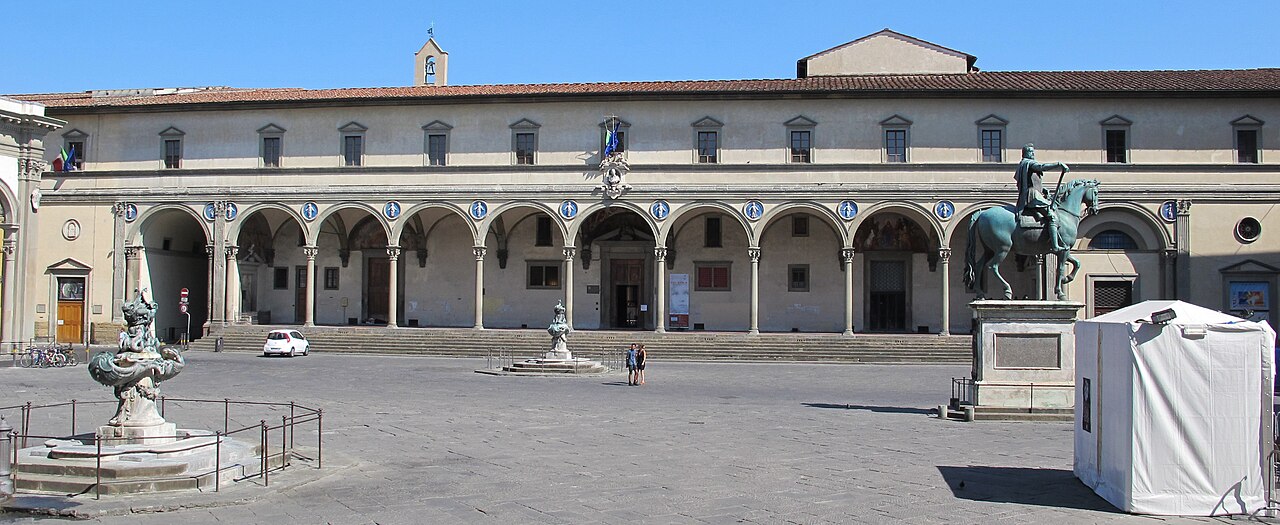
2 min walk
Hospital of Innocents
- Must see
- Museum
Language · 11 published
Museum · Florence
Reviewed by Elena Voss · Roavina Travel Editor
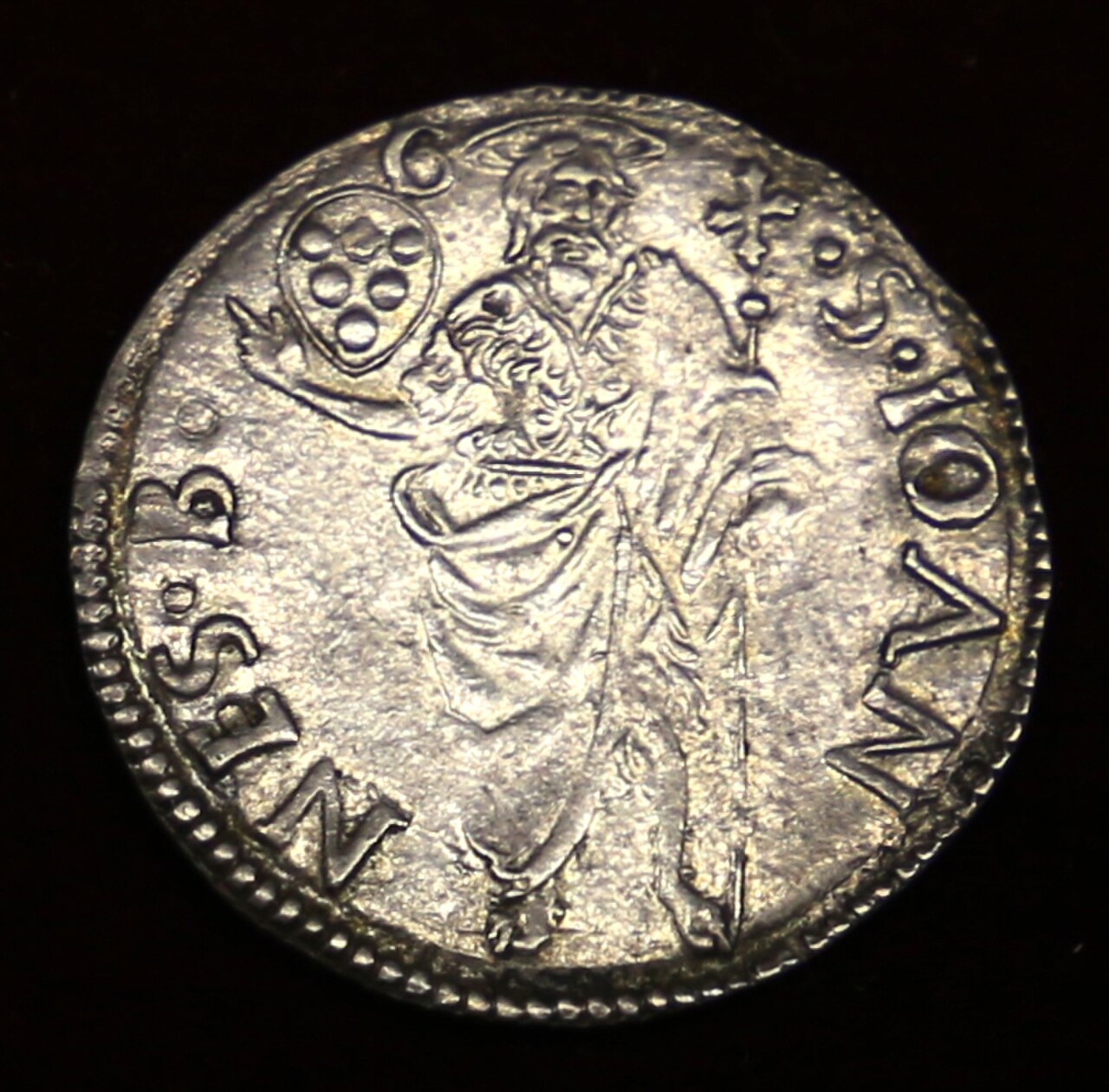
This place is a Museum.
Museo de’ Medici explores the family whose political power, banking wealth, and artistic patronage shaped Florence and Tuscany. In a historic palace setting, the museum presents Medici life through the people, objects, residences, and cultural ambitions that made the dynasty central to Renaissance Florence. It suits travelers who want context for the city’s churches, palaces, collections, and civic spaces. Rather than focusing on one famous monument, the museum offers a family-centred way to connect many parts of Florence’s history. Museo de' Medici is a museum in Florence dedicated to the history and legacy of the Medici family, one of the most influential dynasties in Renaissance Italy. The museum occupies a historic palace setting in the city centre, presenting the family's patronage of arts, political power, and banking prominence. As a ranked visitor place matched from the city fact pool, it forms part of Florence's dense network of heritage attractions. No. Museo de' Medici is a separate institution focused on family history and palace life, while the Medici Chapels form part of San Lorenzo church complex and are famed for Michelangelo sculptures. They occupy different locations in Florence.
Checked 2026-08-26 · Source
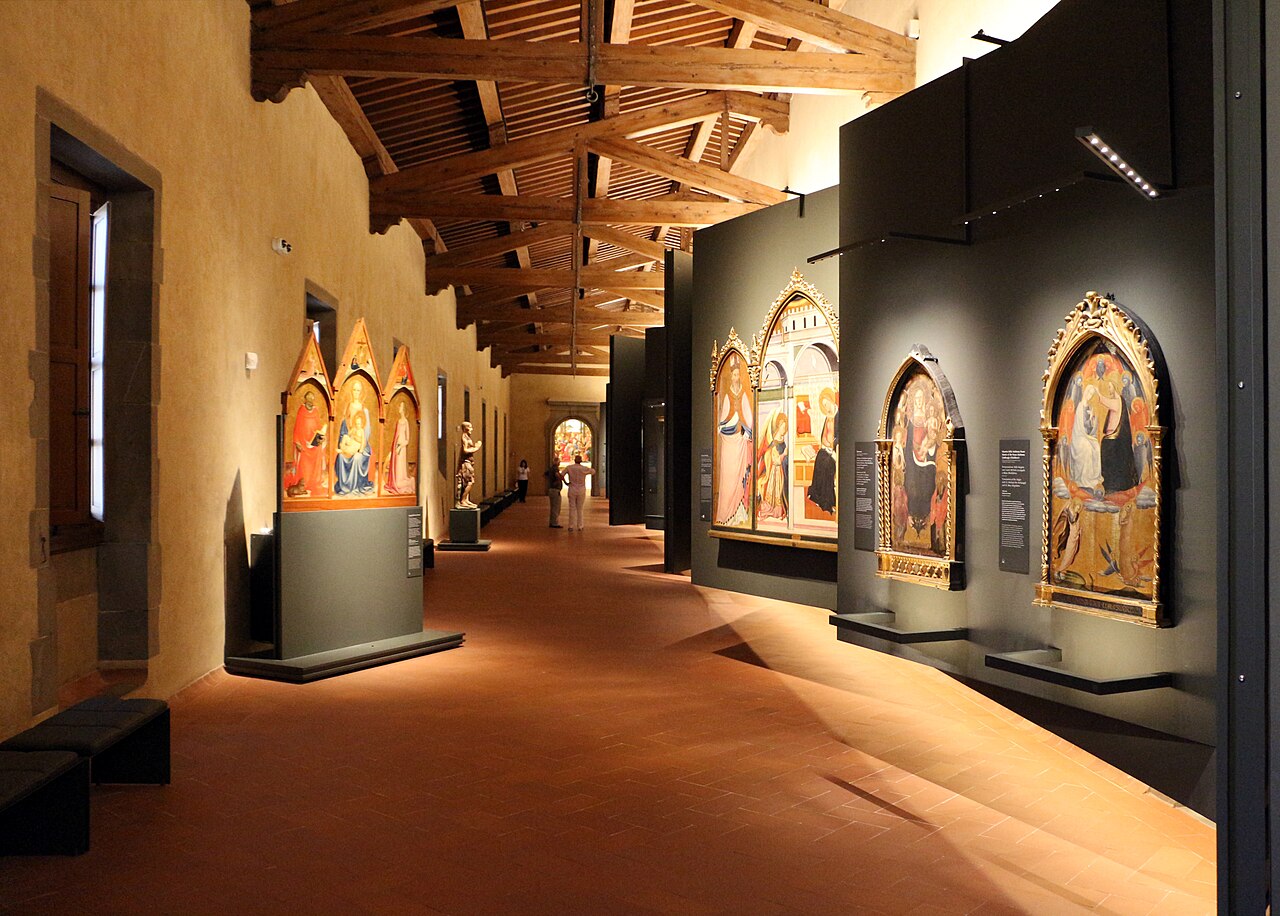
The displays relate to Medici family history through portraits, documents, furnishings, domestic objects, and material connected with political and ceremonial life. Rooms help visitors imagine how an influential Florentine family occupied and represented power inside palatial surroundings. The museum’s strength is the connection between personal life and public influence: household objects sit alongside the broader story of patronage, government, banking, and dynastic identity. Travelers should pay attention to how interiors and artefacts turn a complex historical family into a readable human story.
Checked 2026-08-26 · Source
Allow one to two hours for the museum. That gives enough time to move through the palace rooms, study portraits and documents, and understand the relationship between domestic life and Medici power. Travelers building a wider Renaissance itinerary can reserve a half-day for several connected sites, such as the museum, the Medici Chapels, and other central landmarks associated with the family. A slower visit is rewarding for anyone interested in genealogy, political history, collecting, or the material culture of elite Florentine life.
Checked 2026-08-26 · Source
Morning visits generally make it easier to move through historic interiors at a measured pace. Spring and autumn are busy periods in Florence but offer pleasant conditions for walking between Medici-related sites. Summer heat makes the museum a useful indoor part of the day, especially when combined with shaded streets and church interiors. Winter can provide a quieter atmosphere for reading historical displays. A visit works particularly well when travelers have already seen a Florentine palace or church and want the family story behind the city’s cultural landscape.
Checked 2026-08-26 · Source
Treat it as one component of a central Florence history route, leaving flexibility around the rest of the day. The museum’s appeal comes from its palace atmosphere and Medici narrative, so the visit remains meaningful even when travelers are following a broader itinerary of churches, chapels, and civic buildings. Plan enough time for the rooms rather than rushing through as a brief photo stop.
Checked 2026-08-26 · Source
Museo de’ Medici is in central Florence, where walking offers the clearest connection with the surrounding Renaissance streets. The Duomo, Palazzo Vecchio, Ponte Vecchio, and other historic landmarks can be linked in one pedestrian day. Santa Maria Novella station is within practical walking distance, while buses and taxis serve the wider centre. Private cars are poorly suited to the old town because restricted streets limit direct access. Comfortable shoes help on the stone paving and narrow routes between palace sites.
Checked 2026-08-26 · Source
Historic palace interiors can include stairs, thresholds, and uneven floors, so travelers with mobility needs should plan around the building’s older layout. Narrow rooms become crowded during busy periods, particularly when several groups pause at the same display. Dress in layers because indoor temperatures can differ from the street. Keep bags close while crossing Florence’s busy centre. The museum is most rewarding for visitors willing to read and connect details, so allow mental as well as physical space for the historical story.
Checked 2026-08-26 · Source
Photographic interest comes from palace rooms, portraits, furnishings, documents, and the visual relationship between Medici domestic life and political authority. Use quiet compositions that include architectural framing rather than photographing objects in isolation. Available light can be subdued indoors, so a compact camera and steady technique are useful. Avoid flash around historic surfaces and keep clear of narrow passages. The best images often show how rooms, furniture, and portraits combine to communicate status, lineage, and the family’s long influence on Florence.
Checked 2026-08-26 · Source
No. Museo de’ Medici is a separate museum focused on the family’s history and palace life, while the Medici Chapels form part of the San Lorenzo complex.
It focuses on Medici political power, banking, artistic patronage, domestic life, portraits, documents, furnishings, and objects connected with the family’s residences.
Plan one to two hours for the rooms and historical displays, or a half-day if combining the museum with other Medici-related sites in central Florence.
Yes. The Medici story links Florence’s palaces, churches, collections, government, banking, and artistic culture, giving wider context for many major city landmarks.
Expect portraits, documents, furnishings, household objects, and material connected with Medici residences, ceremonies, political life, and cultural patronage.
Yes. Its central position suits a walking route linking the Duomo, Palazzo Vecchio, Ponte Vecchio, Santa Maria Novella, and other Renaissance landmarks.
Loading the interactive map…
The interactive map could not be loaded.
Last updated:
Source: OpenStreetMap contributors, Wikidata ·