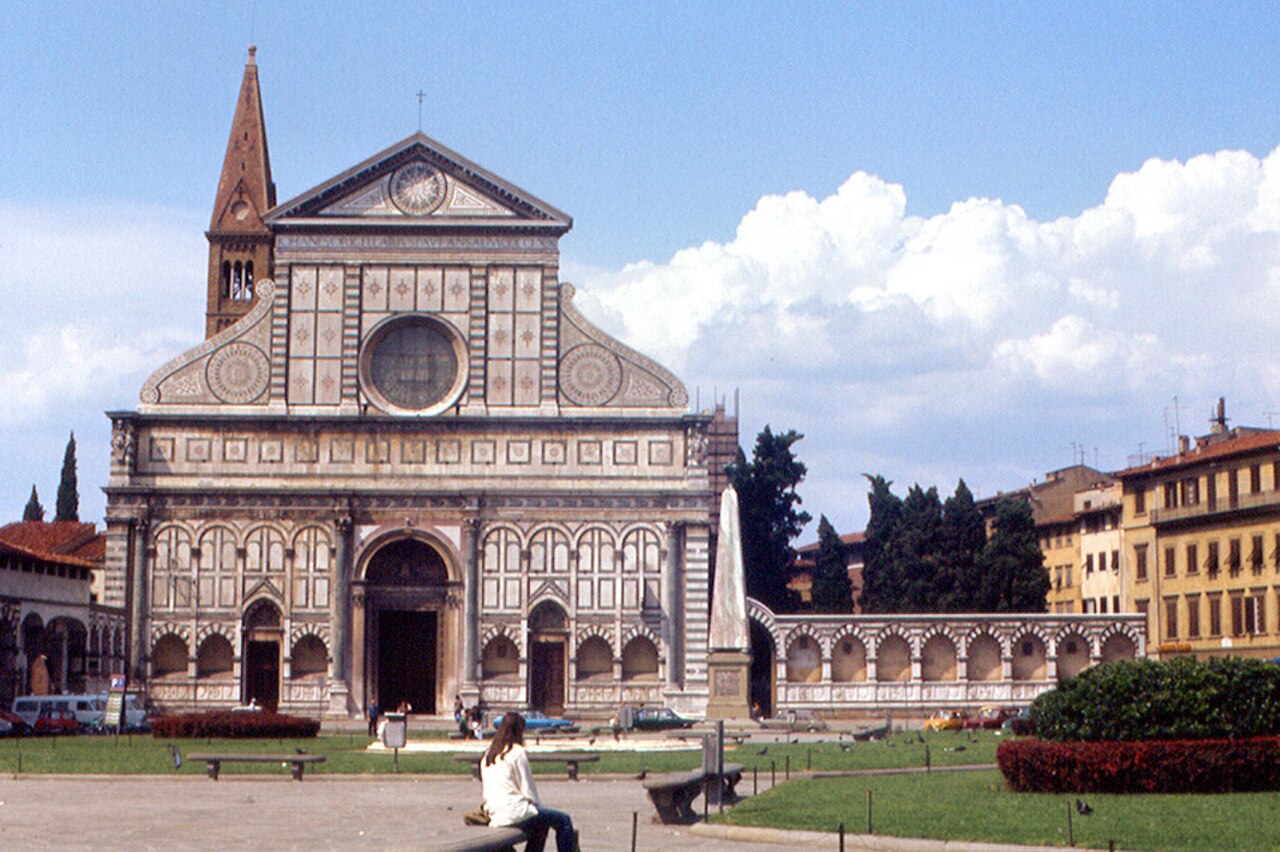
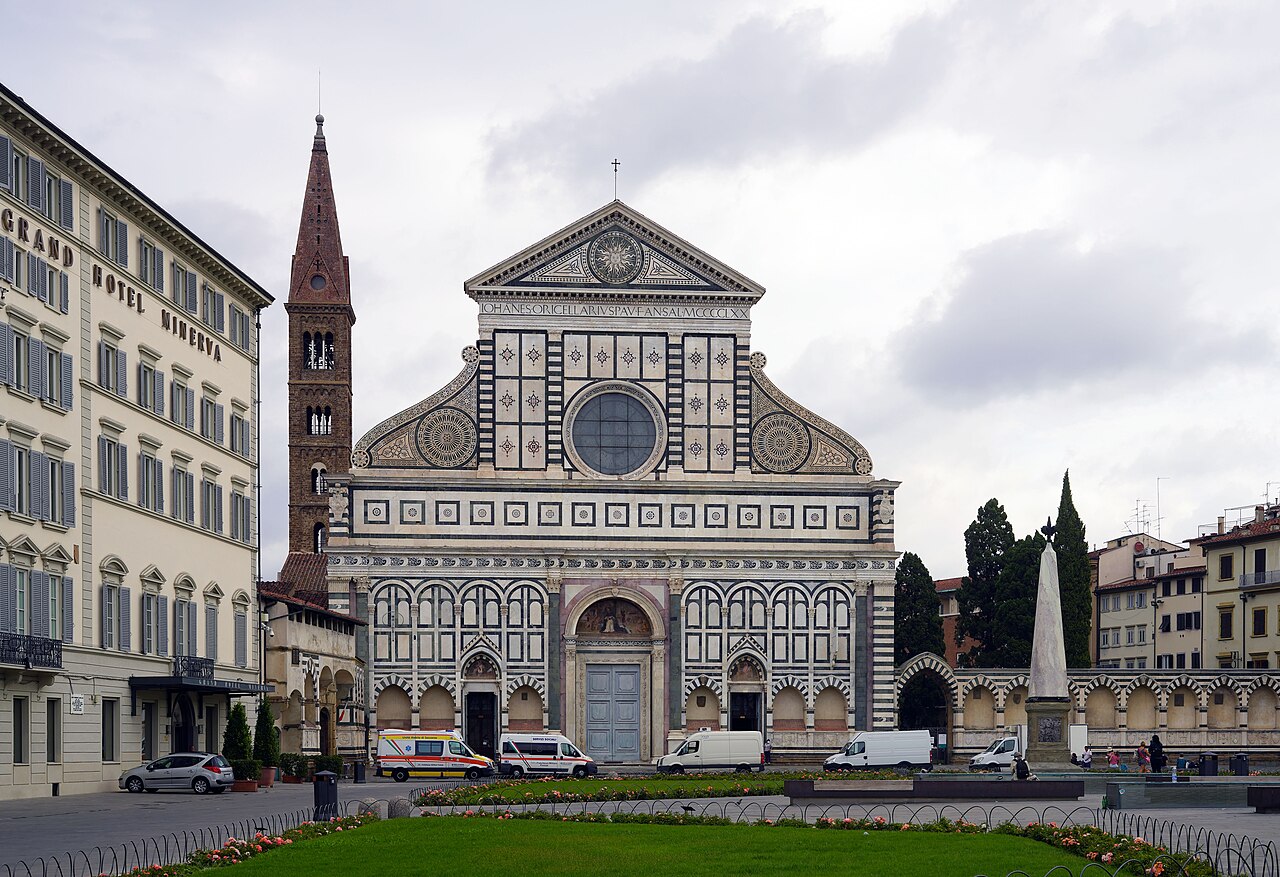
Museo di Santa Maria Novella occupies historic convent spaces beside the Basilica of Santa Maria Novella in central Florence. The museum preserves cloisters, chapter rooms, chapels, and other areas once used by the Dominican community. Its importance comes from seeing architecture, painting, and religious life together in their original setting. Travelers experience a quieter, more spatial kind of museum than a single-room gallery, moving through the rooms and courtyards that shaped one of Florence’s major religious institutions. Museo di Santa Maria Novella is a museum and former Dominican convent complex attached to the Basilica of Santa Maria Novella in central Florence. The site encompasses historic cloisters, chapter houses, and religious spaces that formed part of one of the city's most important mendicant orders. The complex holds significant artistic and architectural heritage spanning several centuries. Visitors access spaces that were historically reserved for the monastic community, now opened for public understanding of Florentine religious and cultural history. The location stands near Florence's main railway station, which shares the church's name. No. The museum occupies former convent spaces adjacent to but distinct from the active Basilica of Santa Maria Novella. Separate access arrangements apply.
The complex includes the Green Cloister, the Spanish Chapel, the Chapter House, and other monastic spaces decorated with important frescoes and architectural details. The Spanish Chapel presents a fourteenth-century cycle connected with Dominican themes, while the Green Cloister adds another powerful relationship between painted surfaces and open courtyard space. Works by Florentine artists remain integrated into the rooms for which they were created. Look closely at how frescoes, arches, passages, and courtyards guide movement through the former convent.
Allow about sixty to ninety minutes for the museum. This is enough time to cross the cloisters, spend attention on the Spanish Chapel frescoes, and appreciate the transitions between religious rooms and open courtyards. Travelers who study fourteenth-century painting or Dominican history may want longer. The adjacent basilica is a separate experience, so visiting both requires additional time. Because the museum is compact, it fits comfortably into a central Florence day without the physical scale of a very large gallery.
Morning is well suited to the museum’s contemplative spaces and can make it easier to study frescoes without rushing. Spring through autumn brings more visitors to Florence, while the church and convent setting provides shelter from changing weather. Winter can feel especially atmospheric in the cloisters and historic rooms, with softer daylight emphasizing painted surfaces. Include the museum in a route around Santa Maria Novella station and the western historic centre. Allow extra flexibility when religious events affect activity around the neighboring basilica.
Plan the museum and basilica as related yet distinct parts of a Florence visit, leaving enough time for separate access arrangements. The museum’s main value is the combination of original architecture and fresco cycles, so travelers interested in medieval and Renaissance religious art should prioritize the cloisters and Spanish Chapel within the available visit time.
The museum is beside Santa Maria Novella railway station, making it one of Florence’s easiest heritage sites to reach by train. From the station, travelers can continue on foot into the historic centre and connect with the Duomo, central squares, and nearby churches. Urban buses serve the station area, while private vehicles are inconvenient around the restricted old-town streets. The location is particularly practical for visitors arriving or departing by rail, although luggage may be awkward on historic paving and steps.
The convent’s historic floors, stairs, thresholds, and changing levels can make circulation demanding for visitors with limited mobility. Lighting is subdued in some rooms to protect painted surfaces, so give your eyes time to adjust. The museum stands beside an active basilica, and respectful dress and quiet behavior are appropriate near religious spaces. Station traffic makes the surrounding plaza busy; keep belongings secure when arriving or leaving. Conservation work or religious activity can alter how the complex is experienced from one area to another.
The museum offers strong images of cloister geometry, frescoed walls, arches, courtyards, and the changing light across Dominican spaces. Compose carefully so photographs show the connection between painted decoration and architecture. Use available light rather than flash around historic frescoes, and keep equipment unobtrusive in narrow rooms. The Green Cloister is especially suited to images that balance open space with painted surfaces. Be considerate of worshippers and other visitors, particularly where museum circulation meets the active basilica environment.
Is the museum the same as the Basilica of Santa Maria Novella?
No. The museum occupies former Dominican convent spaces beside the active basilica, and the two experiences have separate access arrangements.
Which frescoes are in the museum complex?
The museum includes the Spanish Chapel fresco cycle and fresco decoration in the Green Cloister, together with other painted monastic spaces.
How long should I allow for the museum?
Allow approximately sixty to ninety minutes for the cloisters, Spanish Chapel, Chapter House, frescoes, and historic architectural transitions.
Can I visit the basilica during the same Florence stop?
Yes, the basilica is immediately beside the museum, but it is a distinct religious site with separate access arrangements and its own artworks.
Where is the museum located?
It stands beside Santa Maria Novella railway station in central Florence, within walking reach of the Duomo and the western historic centre.
What makes this museum different from a normal gallery?
Its frescoes and artworks remain within former Dominican convent rooms, cloisters, and chapels, allowing visitors to experience art together with its original religious architecture.
.jpg)