
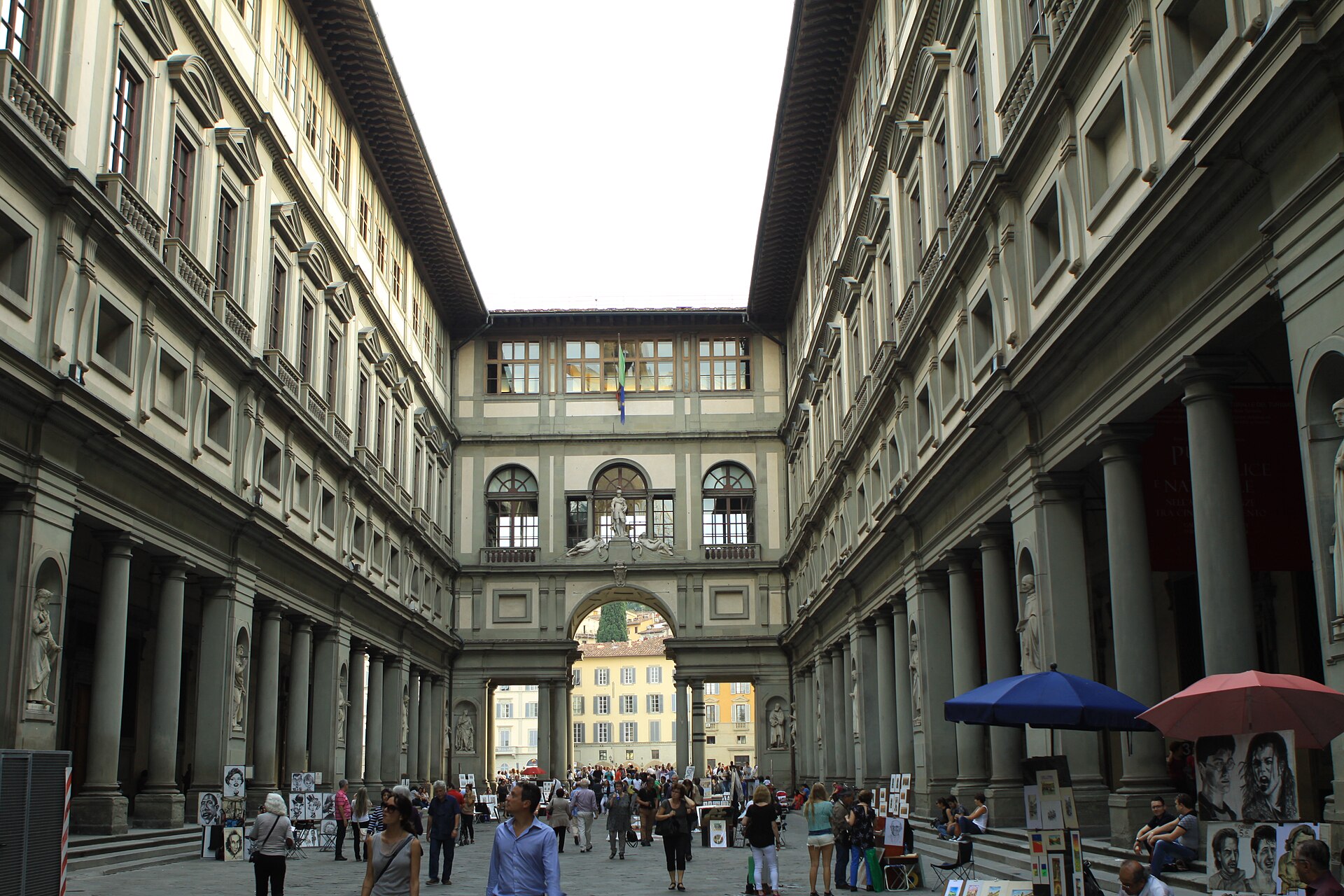
2 min walk
Uffizi Gallery
- Must see
- Museum
Language · 11 published
Museum · Florence
Chiesa di Santo Stefano al Ponte
Reviewed by Elena Voss · Roavina Travel Editor
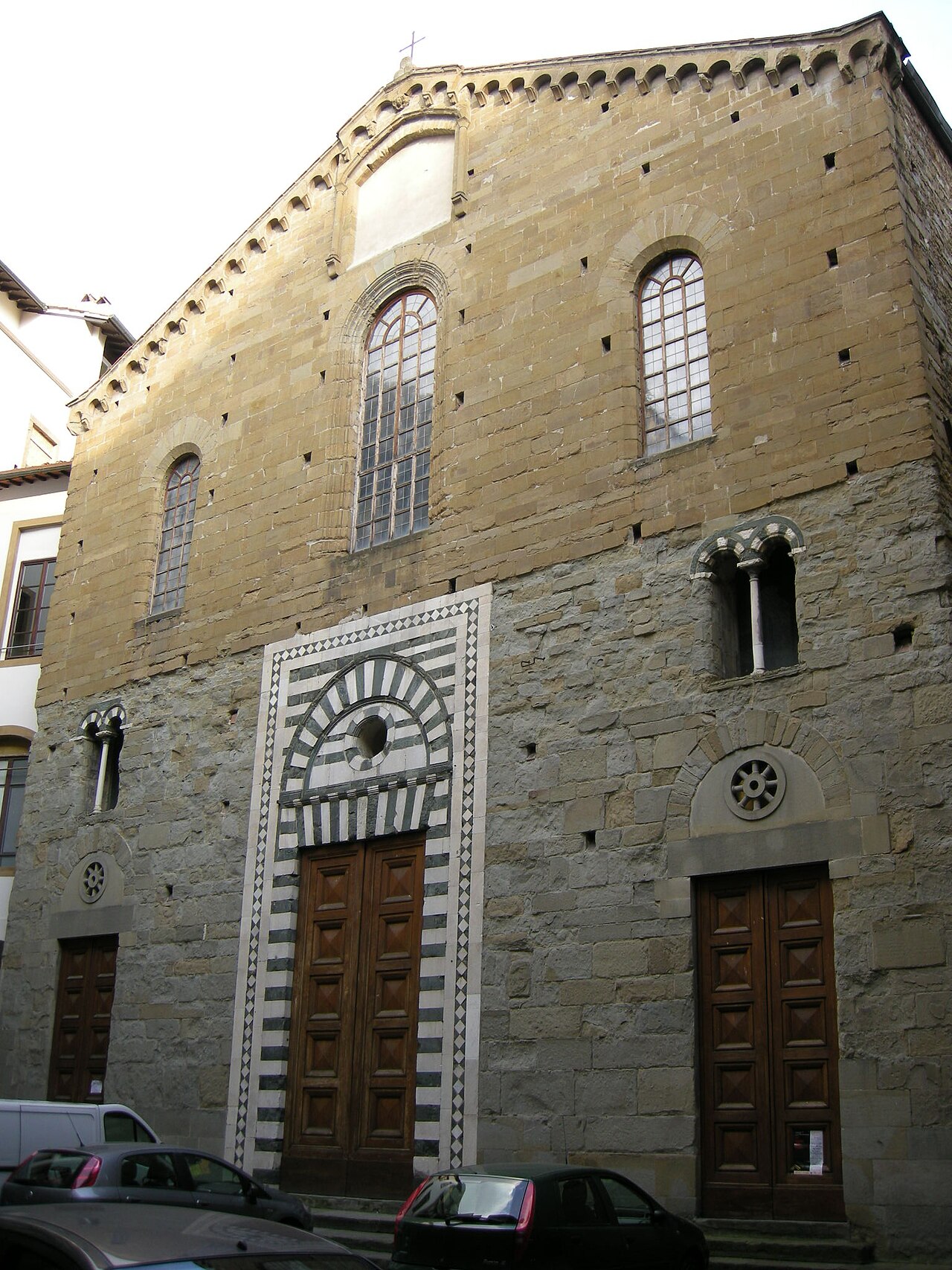
This place is a Museum. It was built in the Romanesque architecture style.
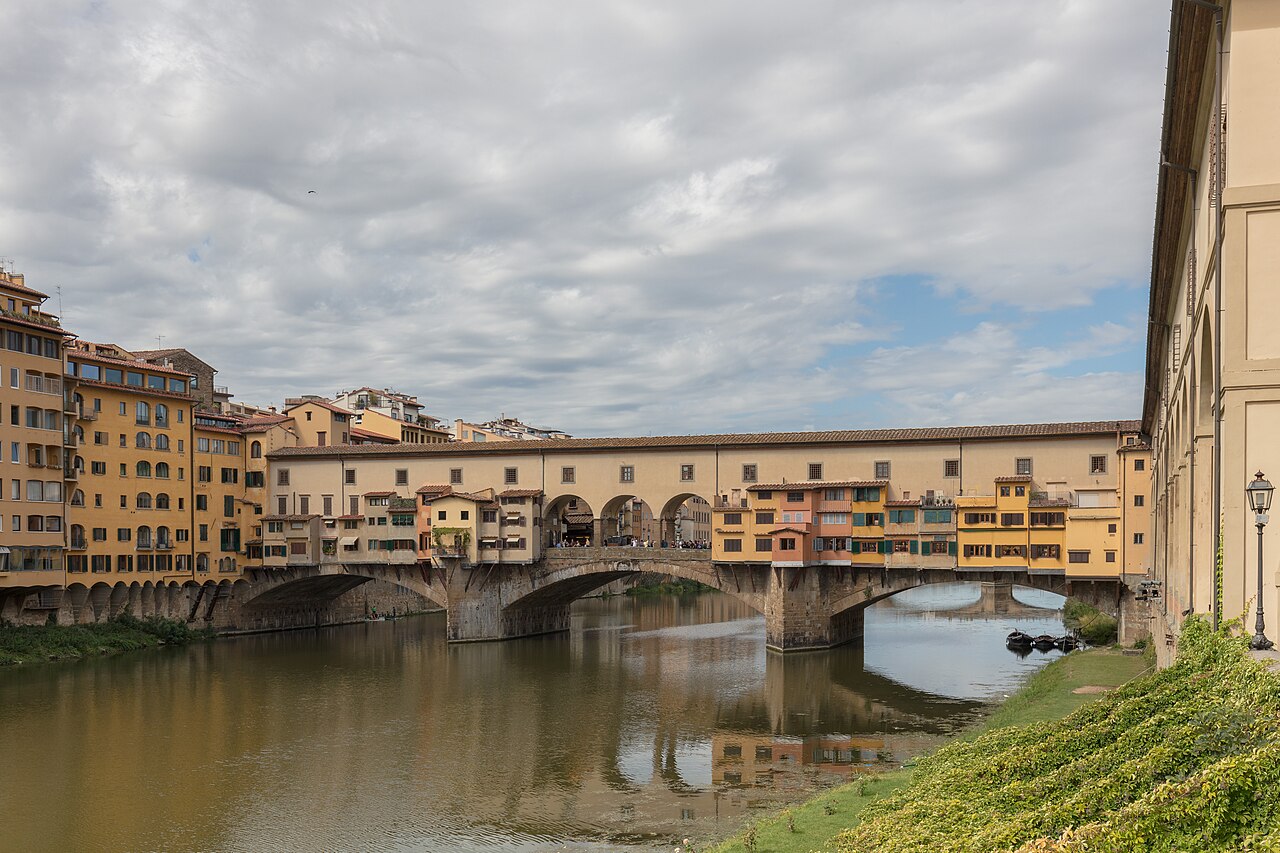
Santo Stefano al Ponte is a historic church in Florence’s compact centre, close to Ponte Vecchio and the Arno. Its identity comes from this exact urban setting: a religious landmark woven into the pedestrian heart of the city, where bridge traffic, riverside routes and narrow historic streets meet. It is a natural pause between the famous bridge, river views and the lanes leading through central Florence. Rather than requiring a separate excursion, the church adds a sacred and architectural note to a walk otherwise shaped by galleries, palaces and crowded viewpoints. Its value is the contrast between a potentially quiet church interior and one of Florence’s busiest sightseeing areas.
Checked 2026-09-02 · Source
Approach Santo Stefano al Ponte as a historic religious space whose atmosphere is closely tied to its central Florentine surroundings. The available place information does not identify a verified inventory of artworks, chapels or exhibitions, so the visit is better planned around the building’s character than around named masterpieces. Notice the entrance, the scale of the interior, its surfaces and the change of pace from the busy streets around Ponte Vecchio. This stop suits travellers who enjoy architecture, atmosphere and urban context over a checklist of individual objects. Its appeal lies in encountering a quieter sacred setting amid an active pedestrian quarter.
Checked 2026-09-02 · Source
Allow roughly fifteen to forty-five minutes for Santo Stefano al Ponte. The shorter visit works as a brief architectural pause between Ponte Vecchio and another central Florence landmark. The longer end gives time to look carefully, sit quietly, pray or absorb the church’s atmosphere without turning the stop into a full-day commitment. Because the building sits inside the historic centre rather than apart from it, keep the timing flexible and allow extra minutes for crowded lanes near the bridge. The church combines easily with the Arno, nearby bridges and surrounding streets, so it rarely needs a separate itinerary block.
Checked 2026-09-02 · Source
Include Santo Stefano al Ponte as a flexible stop during a walk through central Florence, especially when your route already includes Ponte Vecchio, the Arno or the historic streets leading toward Piazza della Signoria. Keep a nearby outdoor walk as a natural alternative and leave room for worship, ceremonies, staffing or other uses of the building. This makes the church a useful complement to a sightseeing day without treating every arrival like a scheduled museum entry. The surrounding quarter also offers a built-in change of rhythm: busy bridge approaches outside, with the possibility of a more reflective pause inside.
Checked 2026-09-02 · Source
This guide does not state that entry to Santo Stefano al Ponte is paid or free. If access is available, follow the entrance instructions in force that day and respect any separation between worship space and visitor access. Build the church into a broader central Florence walk so an unavailable entrance does not disrupt a paid museum booking or a carefully sequenced itinerary. The entrance itself determines the practical access arrangement, while the church’s position near Ponte Vecchio makes it easy to continue toward the Arno or nearby historic streets afterward.
Checked 2026-09-02 · Source
Santo Stefano al Ponte is in central Florence near Ponte Vecchio, making walking the most practical final approach. From Santa Maria Novella station, allow approximately fifteen to twenty minutes on foot, depending on pace and route. A bus or taxi can bring you toward the central area, but the last part still involves walking through streets where vehicle access is limited or constrained. Cycling is possible for the wider vicinity, while the immediate surroundings are easiest to understand on foot. Expect pedestrian traffic and slower movement near the bridge, and plan the final approach without relying on a direct vehicle drop-off.
Checked 2026-09-02 · Source
Treat Santo Stefano al Ponte as a church: wear respectful clothing, cover shoulders and knees where appropriate, lower your voice and give priority to worshippers or ceremonies. The approach near Ponte Vecchio can be crowded, so short distances may take longer than expected and belongings should stay secure. Historic paving and limited vehicle access make a direct drop-off unlikely. Pedestrian movement can be demanding for visitors carrying luggage or travelling with young children, so build extra time into the approach. Step-free access is limited, so full accessibility should not be assumed.
Checked 2026-09-02 · Source
Keep photography discreet and subordinate to Santo Stefano al Ponte’s religious function. If you enter, follow posted instructions and any direction from attendants or clergy, and put the camera away during prayer or services. Outside, photograph the building and its central Florentine surroundings only where local rules and pedestrian movement permit it. Near Ponte Vecchio, avoid blocking the flow of people while composing a picture, and keep equipment unobtrusive in the narrow, busy streets around the church. A restrained approach preserves the atmosphere for worshippers and other visitors.
Checked 2026-09-02 · Source
A daily opening schedule is not established for this church. Include Santo Stefano al Ponte flexibly while walking near Ponte Vecchio, with the surrounding historic centre as your alternative if the entrance is unavailable.
This guide does not claim that entry is paid or free because no operator or responsible public-body price is supplied. Follow the access arrangements displayed at the entrance if the church is open.
The church is near Ponte Vecchio in central Florence, making it easy to combine with a walk beside the Arno and through the surrounding historic streets.
Wear respectful clothing that covers shoulders and knees where appropriate, lower your voice and give priority to worshippers or ceremonies inside.
Follow posted instructions and any directions from attendants or clergy. Do not photograph during prayer or services when photography is not permitted.
Step-free access is limited, so full accessibility should not be assumed. The pedestrian-heavy central approach, constrained vehicle access and historic paving may make arrival harder for visitors with limited mobility.
Loading the interactive map…
The interactive map could not be loaded.

Last updated:
Source: OpenStreetMap contributors, Wikidata ·