
1 min walk
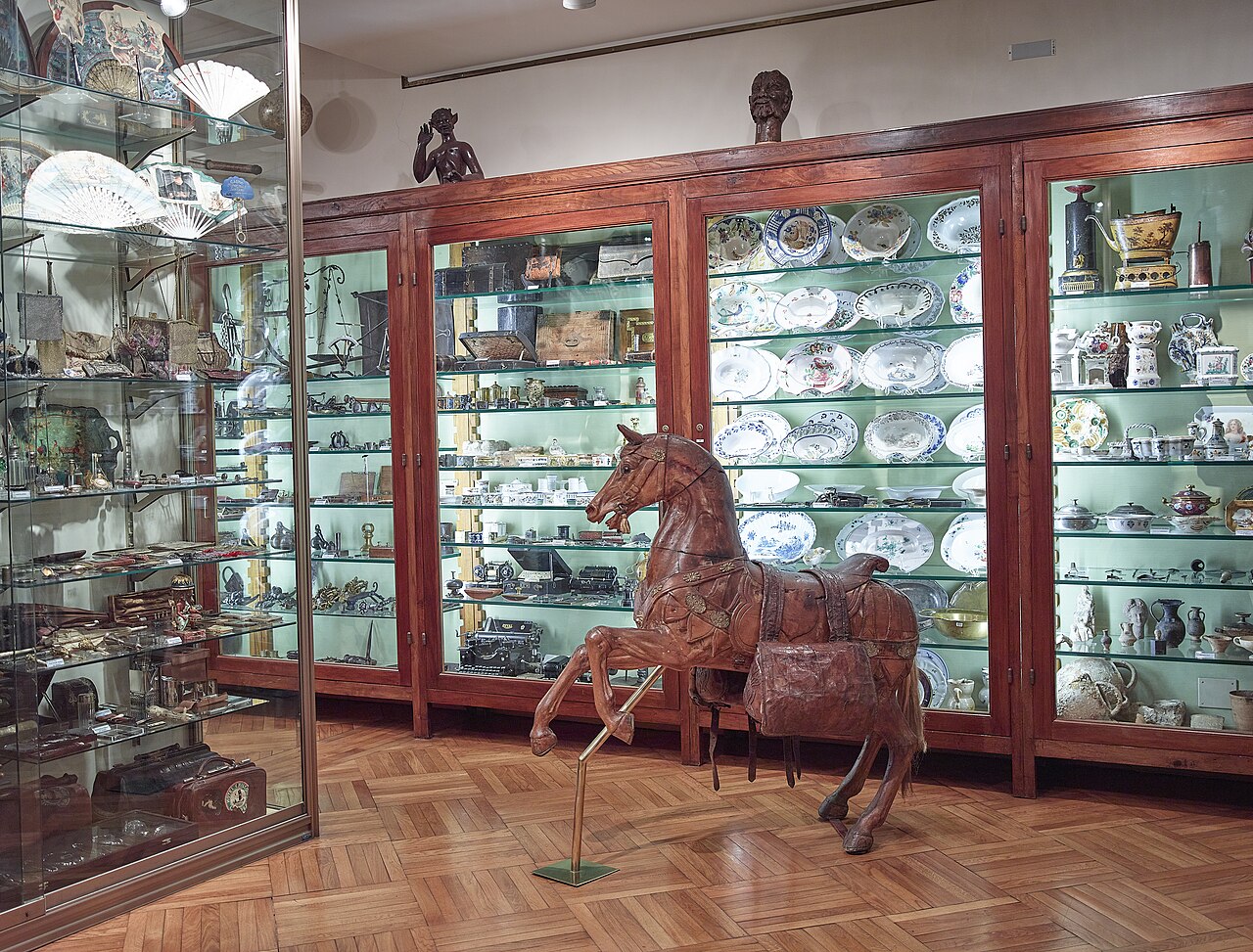
Museo Mangini Bonomi
- High · Heritage site
- Museum
Historic monument · Milan
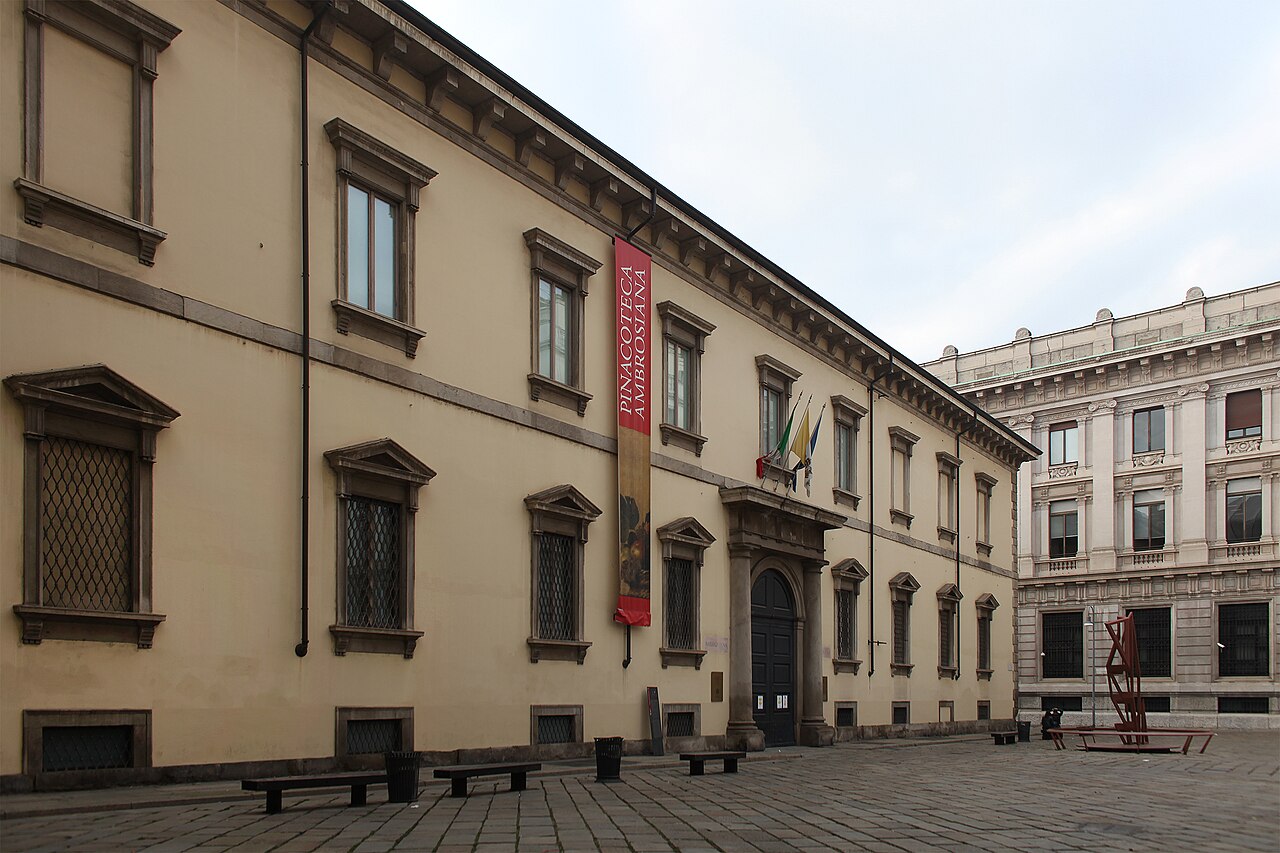
Palazzo dell'Ambrosiana
Palazzo dell'Ambrosiana is a historic palace in Milan, Italy, associated with the Biblioteca Ambrosiana, one of Europe's oldest and most significant cultural institutions. Founded by Cardinal Federico Borromeo in 1607, the complex has served as a center of learning and art preservation for over four centuries. The palace embodies Renaissance and Baroque architectural influences and stands as a testament to Milan's intellectual heritage. Visitors encounter a building that has housed priceless manuscripts, artworks, and scholarly collections since its establishment. Ambrosiana Palace also earns time in a milan itinerary because A visitor-relevant POI matched exactly to the production city pool; stored identity, local name and coordinates were copied without approximation. Its value becomes clearer when the stop is compared with the surrounding streets and the other ranked places nearby.
Checked 2026-08-26
The palace contains spaces connected to the Biblioteca Ambrosiana's holdings, including historic reading rooms, galleries, and areas displaying portions of its renowned collections. The Pinacoteca Ambrosiana, the art gallery component, holds masterworks including Leonardo da Vinci's Codex Atlanticus drawings and paintings by Caravaggio, Raphael, and Titian. The library preserves ancient manuscripts, incunabula, and rare books. Interior spaces reflect centuries of scholarly and artistic accumulation. Specific current exhibition arrangements and accessible areas depend on institutional programming and ongoing curatorial decisions by the administering body.
Checked 2026-08-26
Visitor duration varies substantially based on individual interests and available access. Those examining codices and artworks thoroughly may spend several hours; others with focused interests might complete a shorter circuit in approximately ninety minutes. The palace's interconnected cultural functions mean time allocation depends on whether visitors prioritize the library's historical significance, the Pinacoteca's art collections, or architectural appreciation. Combination with adjacent Ambrosiana sites extends visits. No prescribed route duration is established; self-paced exploration prevails within operational constraints and any access limitations in effect.
Checked 2026-08-26
Visitors should consult official Biblioteca Ambrosiana communications before planning attendance. Milan experiences peak tourism during spring and autumn when weather moderates; summer brings heat and crowds; winter offers reduced congestion. Morning arrivals typically provide calmer conditions for cultural sites. Religious and civic holidays may affect accessibility. The palace's interior environment offers climate-controlled conditions regardless of season. Advance verification of operational status remains essential given potential modifications to schedules, special events, or unforeseen institutional closures that may affect visitor entry. Check the operator's own site for the travel date before relying on a schedule or fare.
Checked 2026-08-26
The Biblioteca Ambrosiana historically employed combined or separate ticketing for its library and Pinacoteca components, though current structures require direct confirmation. Potential categories may include full admission, reduced rates for qualifying visitors, and possible free entry periods if institutional policies permit. Group arrangements and educational access might exist. Payment methods and advance booking requirements need verification. Visitors should anticipate that major cultural institutions in Milan typically maintain moderate to substantial admission costs reflecting collection significance and conservation requirements. Check the operator's own site for the travel date before relying on a schedule or fare.
Checked 2026-08-26
Palazzo dell'Ambrosiana occupies central Milan near Piazza Pio XI, accessible via the city's integrated public transport network. The Duomo metro station on Lines 1 and 3 provides nearby underground access. Multiple tram and bus routes serve the surrounding historic center. Walking from Milan Cathedral or Galleria Vittorio Emanuele II takes minutes through pedestrian-friendly streets. Driving presents difficulties due to limited parking, traffic restrictions in the centro storico, and pedestrian zone regulations. Cycling infrastructure exists though central navigation requires caution. The location suits integration with broader Milan cultural itineraries.
Checked 2026-08-26
Historic palace environments present accessibility constraints including staircases, uneven flooring, and narrow passages unsuitable for all mobility devices. Bag restrictions may apply for collection protection. Security screening typically occurs at entry. Crowding concentrates around major artworks, potentially obscuring views. Climate control maintains preservation conditions that may feel cool. Photography prohibitions likely protect sensitive materials. Scholarly activities continue alongside tourism, requiring respectful conduct in functioning library spaces. Restoration work may temporarily limit access to specific areas. Advance inquiry about current conditions and any visitor limitations remains prudent before arrival.
Checked 2026-08-26
Photography policies within historic Italian cultural institutions typically restrict or prohibit image capture to protect artworks, manuscripts, and visitor experience. Flash photography universally damages light-sensitive materials and is forbidden. The Biblioteca Ambrosiana's holdings include exceptionally fragile documents where any photography may be prohibited. Visitors should observe posted regulations and staff instructions without assumption of permission. Professional or commercial photography requires explicit advance authorization. Mobile telephone use may be restricted in reading rooms or galleries. Respecting these constraints preserves collections for future generations and maintains scholarly environment integrity.
Checked 2026-08-26
The palace serves as the physical structure housing the Biblioteca Ambrosiana's operations, though the institution encompasses broader functions including the Pinacoteca Ambrosiana art gallery.
The Pinacoteca Ambrosiana holds portions of the Codex Atlanticus, though specific display rotations and accessibility depend on current curatorial decisions and preservation requirements.
Advance booking requirements are Not recorded pending review; visitors should verify current protocols directly with official institutional channels before planning.
Historic palace architecture presents inherent accessibility challenges; specific current accommodations and limitations require direct inquiry to the institution.
Tour offerings and languages are Not recorded pending review; visitors should consult official sources for current educational programming and scheduling.
Palazzo dell'Ambrosiana functions primarily as a library and art institution with scholarly continuity, whereas the Castello Sforzesco operates as a municipal museum complex within a former ducal fortress.
Loading the interactive map…
The interactive map could not be loaded.
Last updated:
Source: OpenStreetMap contributors, Wikidata ·