
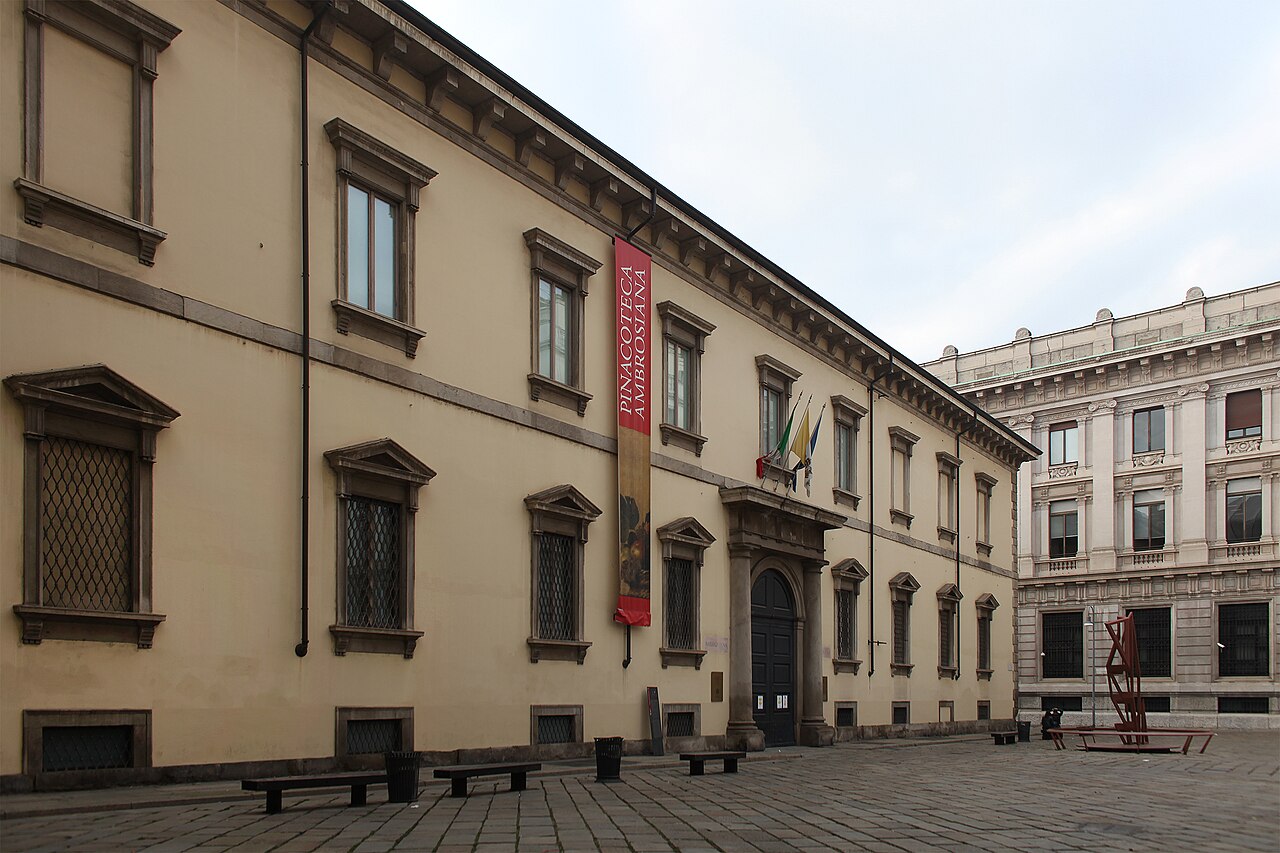
1 min walk
Ambrosiana Palace
- High · Heritage site
- Historic monument
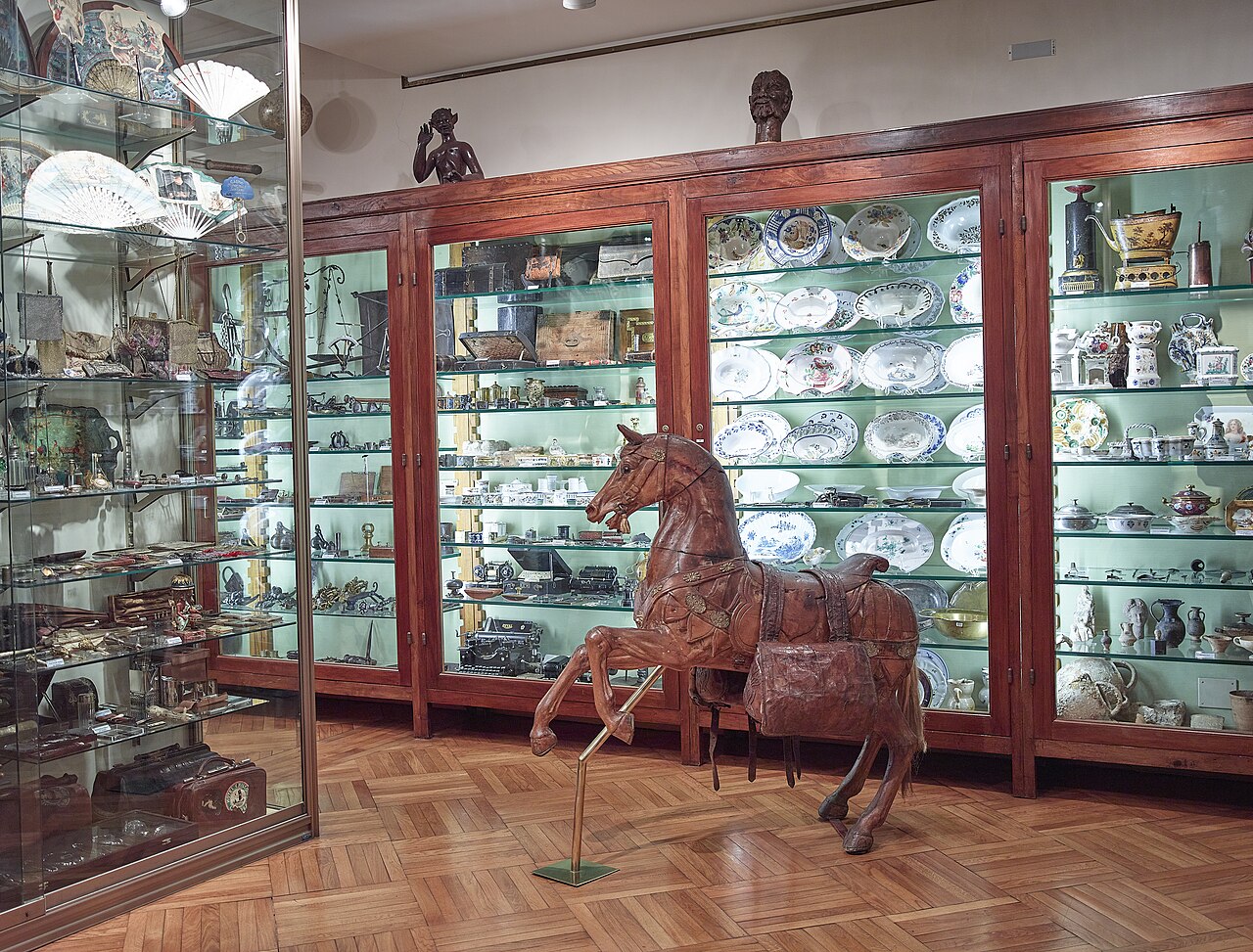
Museum · Milan
Closed today, Sunday. Next open Monday at 15:00 — the planner will not place a stop here on a Sunday.
Plan around it| Monday | 15:00 – 19:00 |
|---|---|
| Tuesday | Closed |
| Wednesday | 15:00 – 17:00 |
| Thursday | 15:00 – 19:00 |
| Friday | Closed |
| Saturday | Closed |
| Sunday | Closed |
Parsed from OpenStreetMap opening hours on 2026-09-09.
Museo Mangini Bonomi is a museum in Milan and a suitable stop for travelers exploring the city’s heritage beyond its best-known landmarks. The museum belongs to Milan’s cultural landscape and offers a more focused setting than the city’s largest institutions. Its name identifies the place directly, making it a clear destination for a museum-centered walk through the Italian city. Choose this stop when you want to add a smaller cultural venue to a day already devoted to architecture, history, or urban discovery. The museum’s role is best experienced as part of a varied Milan itinerary: pair a concentrated indoor visit with time in the surrounding streets and with broader attractions elsewhere in the city. Travelers who enjoy collections, buildings, and the atmosphere of specialist museums may find the experience more personal than a crowded blockbuster venue. The available place information confirms the museum’s identity and Milan location, while the detailed character of its holdings is not established here. Let the visit’s value come from attentive exploration and the opportunity to encounter a less prominent part of Milan’s heritage.
Checked 2026-08-26 · Source
Museo Mangini Bonomi is a museum whose specific rooms, objects, exhibitions, and collection themes are not described in the available place information. Travelers should therefore approach it as a named Milanese cultural venue rather than expecting a particular famous masterpiece or a defined sequence of galleries. The experience can still be planned around the pleasures of a smaller museum: entering a dedicated cultural setting, looking closely at the displays that are present, and connecting the visit with the wider heritage of Milan. Give attention to the relationship between objects and their surroundings, since the building contributes to the feeling of visiting a distinct venue within the city. Visitors who enjoy specialist collections may appreciate the chance to spend time with individual pieces instead of moving through a vast institution. Keep the visit open-ended enough to respond to the actual presentation encountered inside. The museum is most naturally paired with a neighborhood walk, allowing the indoor experience and Milan’s streets to reinforce each other. Travelers seeking a broad art survey should place larger museums elsewhere in the day, while those interested in discovering less prominent cultural places can make this a deliberate destination.
Checked 2026-08-26 · Source
Reserve about one hour for Museo Mangini Bonomi as a practical starting point for itinerary planning. That gives a traveler enough room for a calm circuit through a smaller museum and for looking carefully at the presentation rather than treating the visit as a rushed photo stop. Extend the visit if a display captures your attention or if you prefer to read every label; shorten the surrounding schedule if the museum becomes the central cultural experience of the day. The available information does not define the collection’s size or a recommended duration, so use the museum as a flexible block rather than a tightly timed centerpiece. A useful plan is to place it between two outdoor activities or alongside other heritage stops, leaving walking time around the museum. Visitors traveling with different interests can treat the museum as a compact cultural pause before continuing through Milan. Those who prefer extensive galleries should leave additional room for another institution elsewhere. The right rhythm is unhurried and observant: enter with enough time to notice the building, the displays, and the atmosphere, then continue into the city without forcing the visit into a predetermined length.
Checked 2026-08-26 · Source
Museo Mangini Bonomi fits naturally into a cultural day in Milan, especially when you want an indoor stop between walks through the city. Spring and autumn are comfortable seasons for combining museum time with neighborhood exploration, while the venue can also provide a change of pace during hot summer days or wet winter weather. Choose a time when you can give the museum your attention rather than squeezing it between fixed appointments. The place is a good match for travelers who enjoy discovering a city through smaller institutions, buildings, and collections instead of visiting only the most famous sights. A weekday route can combine the museum with architecture and local streets; a broader weekend plan can use it as one focused cultural block. Keep nearby walking time available and avoid making the museum the sole reason for a tightly organized trip. Its strongest role is as one thoughtful element in a varied Milan itinerary, connecting a named museum visit with the city’s wider heritage atmosphere.
Checked 2026-08-26 · Source
Plan Museo Mangini Bonomi as a cultural visit whose value rests on the experience of the museum and its collection. The available information does not establish an admission amount, concession categories, payment methods, pass arrangements, or advance reservation process. Keep your itinerary and spending plan flexible around this stop, and avoid presenting a particular ticket structure as part of the visit. Travelers can make the museum more meaningful by deciding what kind of cultural day they want: pair the venue with major Milan attractions for contrast, or build a quieter route around smaller heritage places and streets. A mixed group should discuss whether everyone enjoys museum exploration, since the appeal of a less prominent institution often comes from attention and curiosity rather than headline sights. Once inside, focus on the actual objects, rooms, and displays rather than expecting a standardized experience shared by every Milan museum. The absence of a broad description makes personal discovery part of the attraction. Treat the visit as a chance to encounter a distinct venue within the city’s cultural fabric and to continue exploring nearby places afterward.
Checked 2026-08-26 · Source
Museo Mangini Bonomi is mapped in Milan at OpenStreetMap node 1836751671. Enter the museum name or use this mapped point in a navigation application when organizing the route. Milan’s metro, tram, and bus network connects the city’s districts, making public transport a practical framework for reaching a museum destination. The museum works well within a neighborhood route: combine the arrival with nearby architecture, streets, cafés, or other cultural places rather than treating the destination as an isolated point. Travelers arriving on foot can use the map to establish the last segment from their chosen starting place. Taxi and ride services can use the museum name and mapped destination. Keep your route flexible because the most rewarding part of a smaller museum day often includes unplanned observation of the surrounding urban fabric.
Checked 2026-08-26 · Source
The main consideration at Museo Mangini Bonomi is the difference between a smaller museum visit and a large, highly programmed attraction. Build the day around curiosity and close observation rather than a guaranteed list of famous works. The available information does not describe bag rules, security procedures, language coverage, physical access, visitor facilities, or crowd levels, so organize the experience around the confirmed identity of the museum and keep the surrounding schedule adaptable. Travelers interested in heritage may enjoy noticing how the building and displays create a sense of place within Milan. Groups with different expectations should agree on how much time to spend before continuing to other sights. Keep personal belongings secure during the wider city journey and move respectfully through the museum environment. The venue is best suited to visitors willing to discover a collection on its own terms. If you are planning an ambitious museum day, place larger institutions in separate time blocks so this stop can remain calm and focused. The reward is the chance to encounter a named cultural place beyond Milan’s headline attractions and to connect that discovery with the streets around it.
Checked 2026-08-26 · Source
Museo Mangini Bonomi can be approached photographically as a museum experience: notice the building, the arrangement of displays, the textures of objects, and the way interior space frames the collection. The available place information does not establish a specific photography policy, so keep personal photography respectful and follow any signs or staff directions encountered inside. Avoid using flash, tripods, or large equipment in a way that disrupts other visitors or places objects at risk. Photograph details that help you remember the character of the visit rather than trying to document every room. The surrounding Milan streets can provide additional context, linking the museum to the urban setting in which it sits. A small number of carefully framed images often records a specialist venue more effectively than a hurried sequence of snapshots. Keep other visitors out of your composition when possible and maintain an appropriate distance from displays. If the museum’s rules limit image capture, enjoy the building and objects directly instead. The strongest visual record combines exterior context, architectural atmosphere, and selected details from the museum’s presentation, always within the venue’s stated rules.
Checked 2026-08-26 · Source
It is a museum in Milan and a smaller cultural destination suited to travelers exploring the city’s heritage beyond its largest and most famous institutions.
Use it as one focused indoor block within a wider route that also includes Milanese streets, architecture, neighborhood exploration, or larger cultural attractions.
Reserve about one hour as a practical starting point, leaving flexibility to stay longer when the displays or the building hold your attention.
Its appeal lies in discovering a distinct cultural venue within Milan and spending time with its presentation rather than visiting only the city’s headline attractions.
The museum is mapped in Milan at OpenStreetMap node 1836751671. Use the museum name or this mapped point for navigation and the final approach.
Focus on the building, display arrangement, object textures, interior atmosphere, and selected details, while following the venue’s signs and staff directions.
Loading the interactive map…
The interactive map could not be loaded.
Last updated:
Source: OpenStreetMap contributors, Wikidata ·