
1 min walk
Mapelli Palace
- Notable · Heritage site
- Historic monument
Language · 11 published
Historic monument · Milan
Palazzo Cornaggia
Reviewed by Elena Voss · Roavina Travel Editor
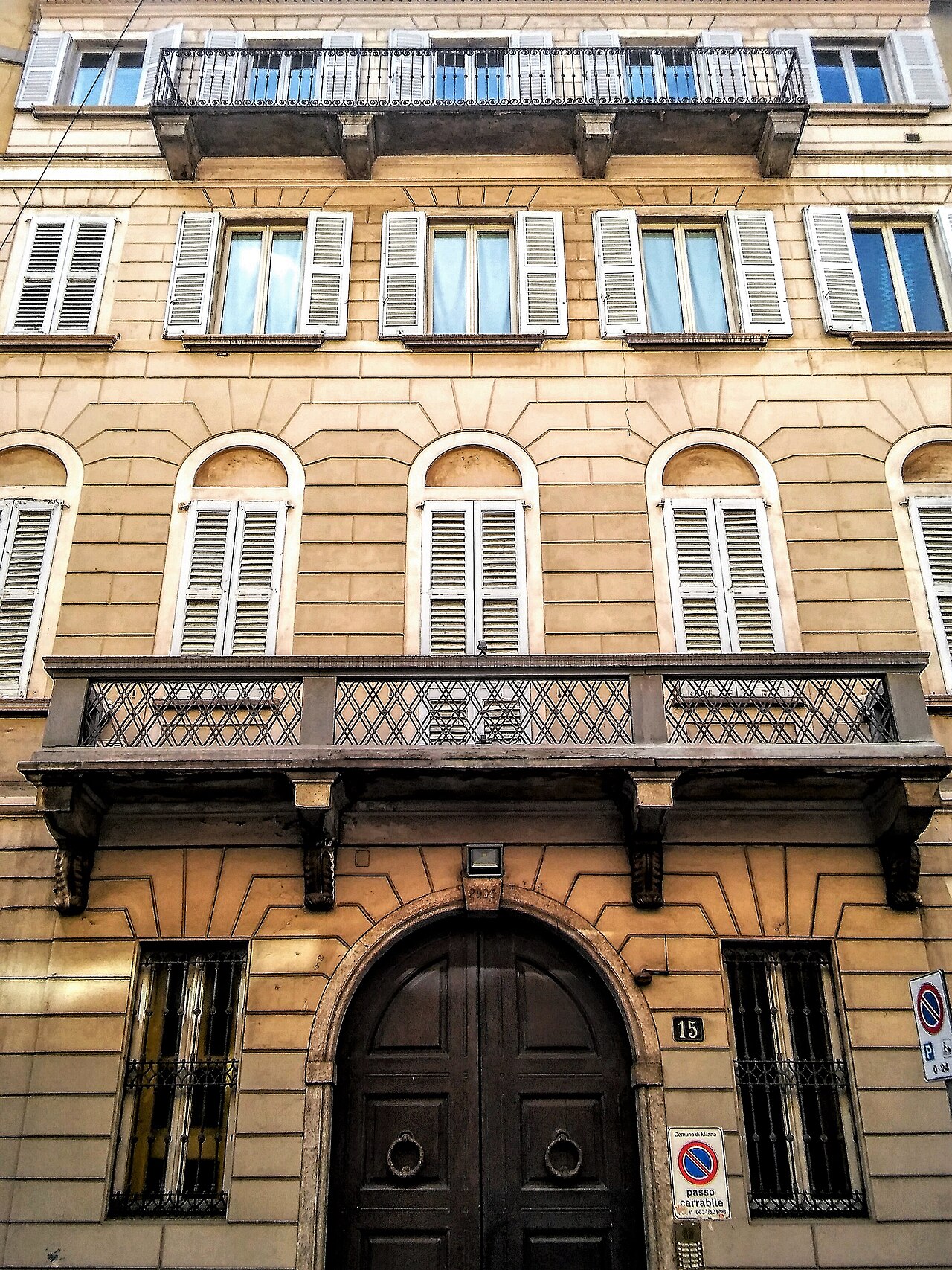
It was built in the Neoclassical architecture in Milan style. It carries the Italian national heritage heritage designation.
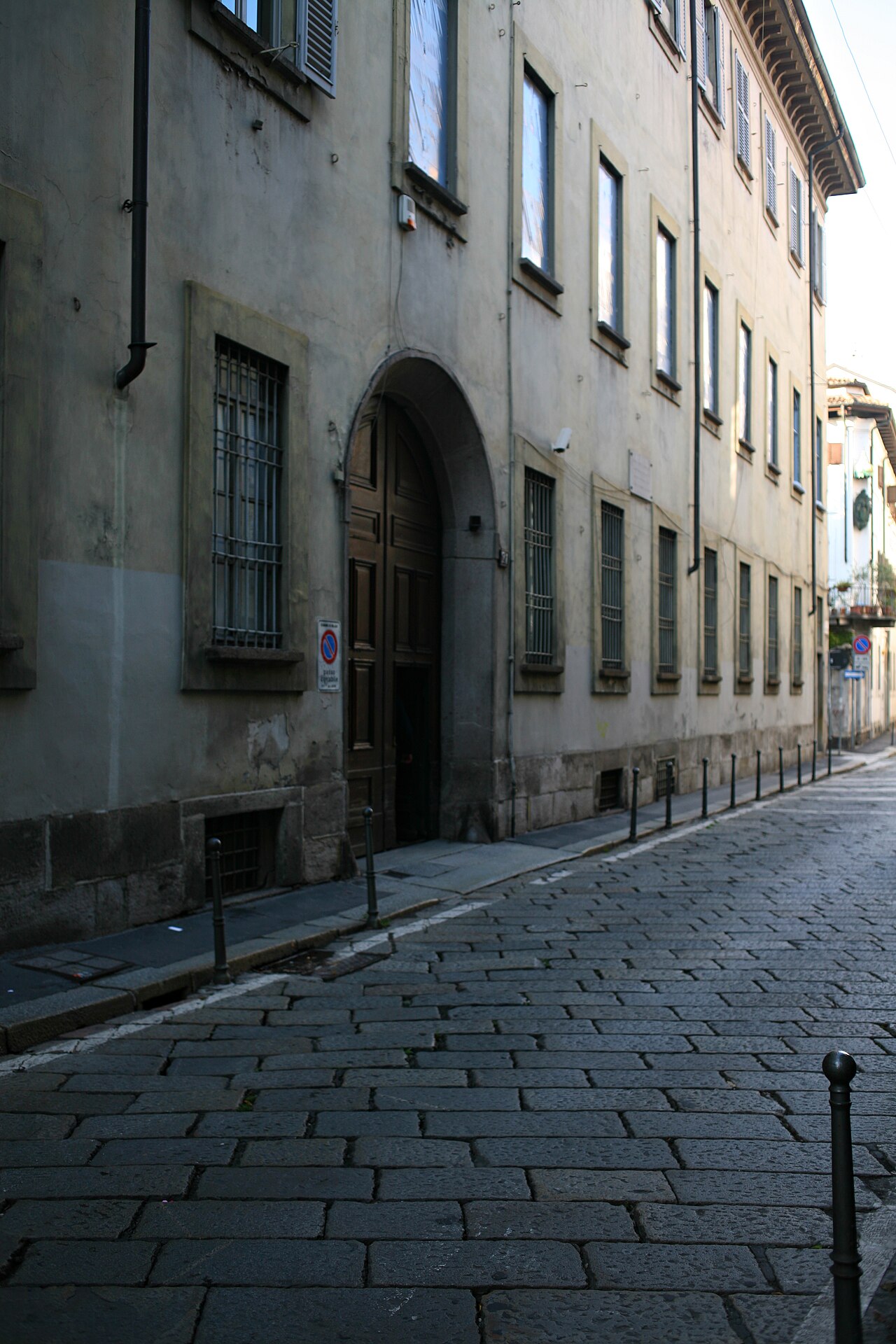
Cornaggia Palace is a named historic building in Milan and a specific architectural destination within the city’s dense urban fabric. Its interest is the presence of one identifiable palace among central Milan’s streets, not a documented museum collection or routinely operated visitor attraction. Travellers can include Cornaggia Palace in an urban architecture walk and observe how the building occupies its surrounding setting. The property should be treated as a distinct place rather than as a representative example of another Milanese palace. Interior access is not established, and the building may be private or restricted, so viewing from public space is the dependable experience.
Checked 2026-09-02 · Source
The interior of Cornaggia Palace is not established as publicly visitable, and no dependable description of rooms, collections, exhibitions, or a visitor route is recorded. The building may contain private, institutional, or access-controlled spaces. Do not transfer the interiors or visitor arrangements of other Milanese palaces to this property. Plan around the exterior and its relationship with the surrounding streets. If an authorised opening is offered, the responsible organiser will determine the entrance, permitted rooms, route, and conduct required inside. A historic name alone does not establish a reception area, courtyard, ticket desk, or public display.
Checked 2026-09-02 · Source
Allow a short exterior stop to locate Cornaggia Palace, examine the visible building, and understand its position within Milan’s historic streetscape. Since no regular interior route, exhibition timetable, or visitor programme is recorded, the palace fits best into a broader central-Milan walk rather than a standalone attraction with a fixed visit length. Architecture enthusiasts may linger over the frontage and surrounding urban context; other travellers can continue after identifying the building clearly. Reserve additional flexible time only for an authorised opening or appointment, which would create a different experience from ordinary street viewing.
Checked 2026-09-02 · Source
Daylight is the most practical time to view Cornaggia Palace from public space, because natural light makes the building and its immediate setting easier to inspect. This is sightseeing guidance, not a published opening-hours record. No verified daily interior timetable is available, so do not plan a museum-style visit around assumed morning, afternoon, or evening hours. If the property is included in a heritage programme, appointment, or event, that organiser’s stated date and time would govern any authorised entry. An exterior view does not prove that the interior is open.
Checked 2026-09-02 · Source
No admission price is recorded for Cornaggia Palace, and this absence must not be interpreted as free entry. The property may be private, restricted, or accessible only during a separately organised occasion. Plan the ordinary stop as exterior viewing from public space rather than as a ticketed attraction. If an authorised opening provides interior access, its organiser would determine whether registration, payment, identification, or other conditions apply. A normal street view establishes neither admission nor free entry. Treat explicit access terms from the responsible organiser as authoritative for any special visit.
Checked 2026-09-02 · Source
Cornaggia Palace is in central Milan, an area served by the city’s integrated public-transport network. The available information does not verify a nearest metro, tram, or bus stop, a preferred interchange, parking provision, a particular entrance, or a step-by-step approach. Use the exact mapped position as the destination and approach from public streets. The most convenient route may vary with pedestrian conditions, transport works, and the other stops in a walking itinerary. Once nearby, identify the named building from the public way and keep the approach unobtrusive.
Checked 2026-09-02 · Source
A named historic palace is not automatically a routinely visitable attraction. Cornaggia Palace may be private property or restricted premises, so do not cross boundaries, enter doorways, or look for an assumed ticket desk without clear permission. Stay alert to traffic, crowds, and personal belongings in central Milan. Restoration, scaffolding, security arrangements, or changing use may affect the street view. Respect signs, staff directions, residents, and occupants, especially if an organised opening grants temporary access. Keep the visit on public routes unless permission says otherwise, and separate the reliable exterior stop from any hoped-for indoor experience.
Checked 2026-09-02 · Source
From public space, photograph Cornaggia Palace only from views that do not require crossing a boundary or intruding on private use. No interior photography policy is recorded, so ask the authorised organiser before photographing rooms, people, or architectural details during any permitted opening. Follow instructions about flash, tripods, publication, and posted restrictions. Ordinary street photography does not establish permission for drone operation or controlled-area access. Consider residents, workers, and security arrangements when framing the building.
Checked 2026-09-02 · Source
Interior access is not established. Treat the palace as potentially private or restricted and view it from public space unless an authorised opening explicitly permits entry.
No regular interior schedule is recorded, so there is no verified daily opening pattern. Do not plan an interior visit around assumed museum hours.
No authorised admission price is recorded. This does not prove that entry is free; access may be restricted or limited to a separately organised opening.
The palace is in central Milan, where metro, tram, and bus services operate in the surrounding area. The available information does not verify a nearest stop, so navigate to the exact mapped position.
No guided-tour programme is recorded. Treat any tour or special opening as valid only when announced by the responsible organiser.
No interior photography policy is recorded. Photograph from public space outside, and if authorised entry is offered, ask the organiser and follow all posted or staff instructions.
Loading the interactive map…
The interactive map could not be loaded.
Last updated:
Source: OpenStreetMap contributors, Wikidata ·