
2 min walk
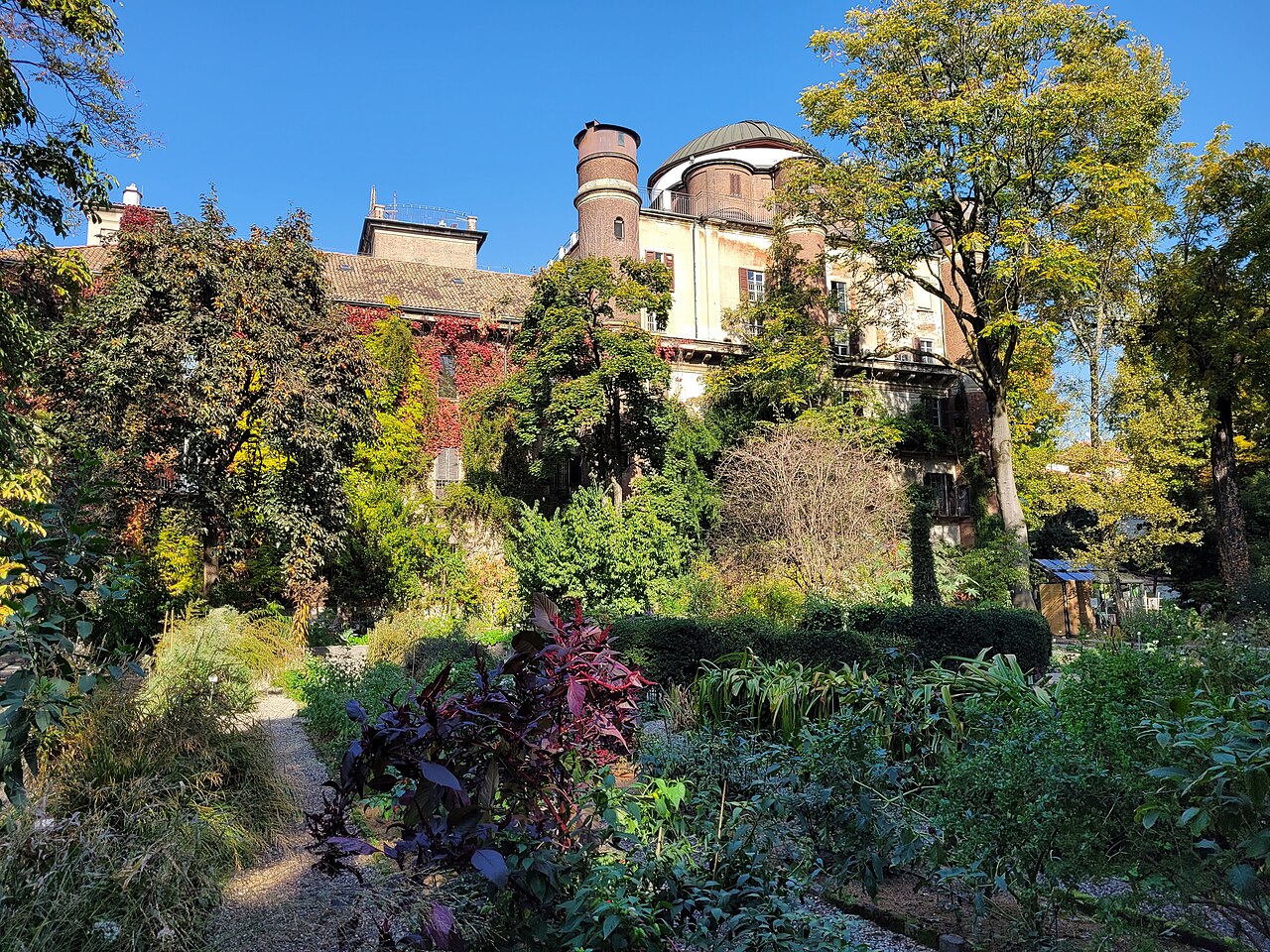
Orto Botanico di Brera
- Must see
- Nature site
Museum · Milan
Palazzo Citterio - Grande Brera
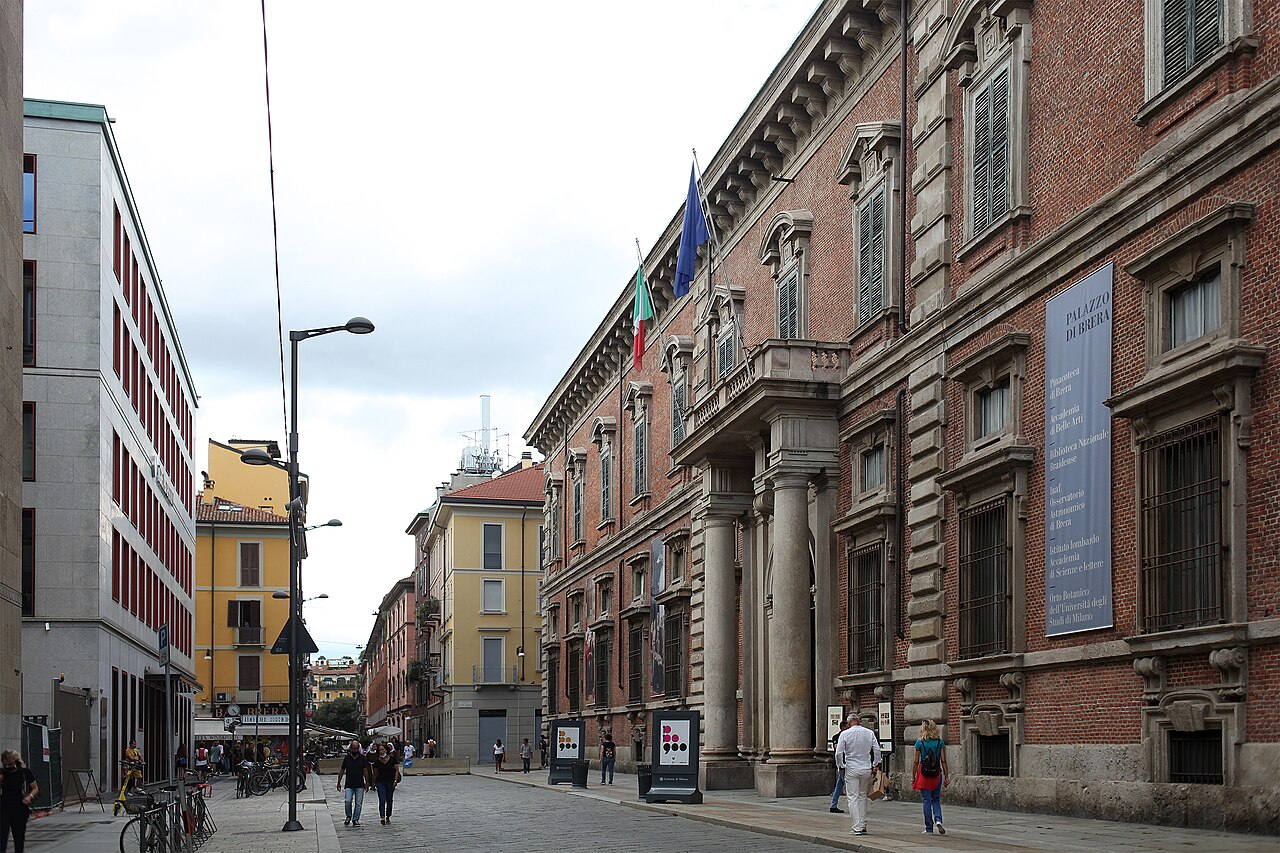
Palazzo Citterio is a historic palace in Milan's Brera district, also associated with the name Palazzo Citterio - Grande Brera. Its importance lies in its place within one of the city's strongest concentrations of art, architecture, and cultural institutions. The palace adds a layer of patrician urban history to a neighborhood better known today for galleries and creative life. Include it when exploring Brera as a district rather than viewing the area as a route between famous museums. The surrounding streets, façades, and cultural setting help explain why this part of Milan rewards slow walking.
Checked 2026-08-26 · Source
Palazzo Citterio belongs to the cultural landscape of Grande Brera, but this guide should be approached primarily as an introduction to the palace and its setting. The strongest confirmed experience is the relationship between a historic Milanese building and the surrounding Brera institutions. Depending on how you encounter it, the palace may be appreciated through its architectural presence or as part of the district's wider cultural program. Do not judge the stop only by the number of rooms you can enter. Notice the building's position, the contrast between historic fabric and contemporary cultural use, and the way Brera's streets connect palaces, galleries, academies, and public life.
Checked 2026-08-26 · Source
Give Palazzo Citterio the role of a short, attentive stop within a Brera walking itinerary. The time needed depends on whether your visit centers on the exterior, an accessible cultural presentation, or a broader Grande Brera experience. It is easy to combine with the Pinacoteca di Brera area, nearby streets, and another gallery or café, so you do not need to organize the whole day around the palace alone. Keep your schedule open enough to notice architectural details and the district's atmosphere. Brera is most rewarding when you allow transitions between attractions to become part of the visit.
Checked 2026-08-26 · Source
Choose Palazzo Citterio as part of a Brera day when you want to combine major art with a sense of place. Weekday walking can make it easier to concentrate on the district's architecture and quieter side streets, while weekends bring a livelier urban atmosphere. The palace also fits well between gallery visits or as a pause after the Pinacoteca di Brera. Weather affects the outdoor part of the experience, so pair the stop with indoor cultural venues when rain or summer heat makes extended walking less pleasant. What matters most is having time to explore Brera at a deliberate pace.
Checked 2026-08-26 · Source
Build your Brera itinerary around the cultural experience you want, not around an assumed ticket arrangement. Palazzo Citterio is connected with the Grande Brera setting, while the district also contains independent attractions with their own access patterns. If you are visiting a gallery or exhibition nearby, keep the palace as a complementary stop and leave room for the surrounding streets. This approach prevents the visit from depending on a particular combined pass or reservation format. The palace's value is architectural and urban as well as institutional: it helps you read the cultural quarter as a connected part of Milan.
Checked 2026-08-26 · Source
Reach Palazzo Citterio by making Brera the destination for a walking and cultural day. The district lies in central Milan and connects naturally with the area around the Pinacoteca di Brera, the cathedral, and Castello Sforzesco. Public transport brings you into the central network, after which Brera's narrow streets are best experienced on foot. Use the mapped position for the final approach and allow time for the neighborhood itself: façades, small lanes, galleries, and cafés create the context in which the palace makes sense. Limited vehicle access in parts of the district further favors a pedestrian route.
Checked 2026-08-26 · Source
Palazzo Citterio sits within a working cultural district, so distinguish public-facing spaces from areas intended for staff, administration, or current programming. Historic streets can be narrow, and older urban surfaces may be less comfortable for some visitors. Keep valuables secure in busy central areas and allow extra time if you are linking several attractions. The palace's connection with Grande Brera can make the district feel like one institution even when different venues have separate entrances or experiences. Let signs and the character of each space guide your route, and treat the surrounding architecture as part of the attraction.
Checked 2026-08-26 · Source
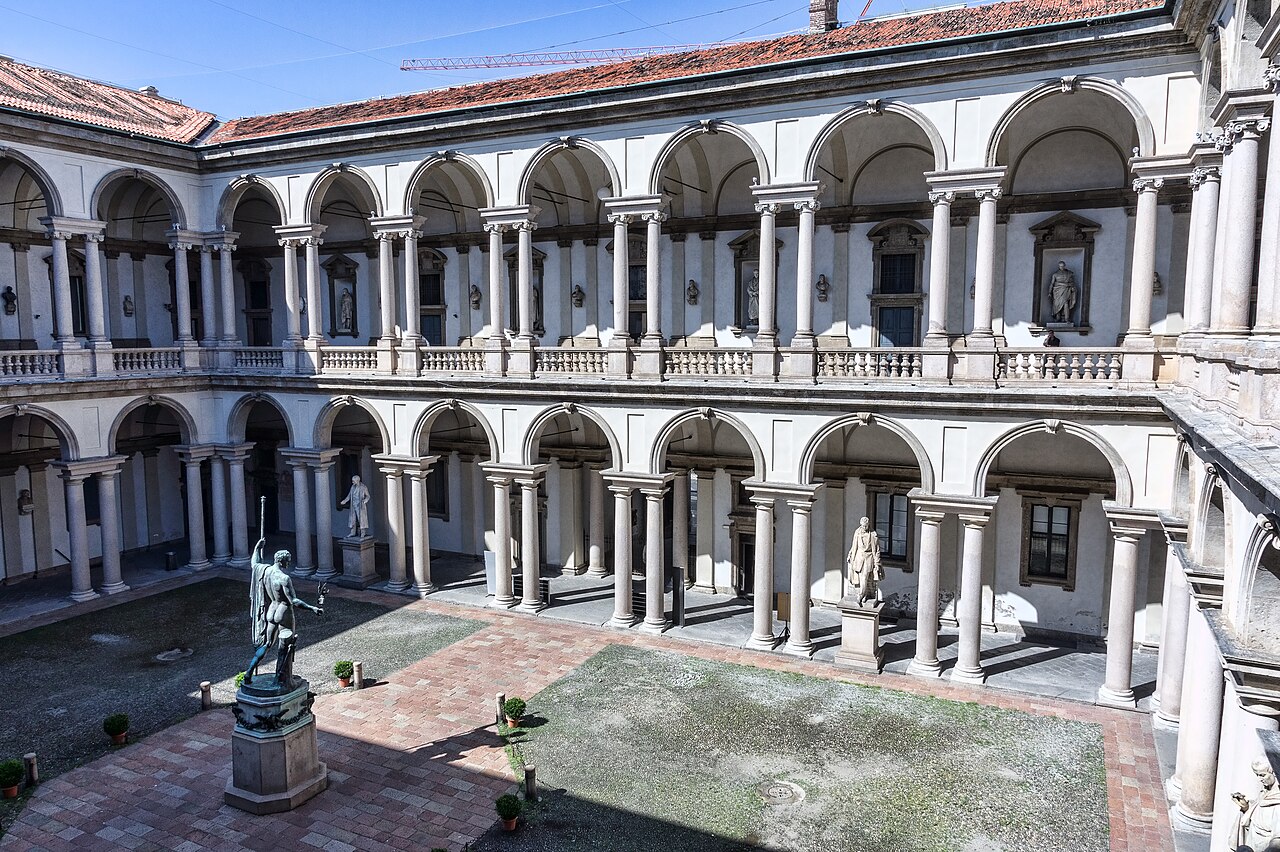
The palace and Brera district offer strong subjects for architectural photography: façades, proportions, entrances, street alignments, and the meeting of historic surfaces with contemporary cultural life. Inside any public-facing area, let local signs and staff directions determine what may be photographed. Keep your equipment compact in narrow rooms and busy lanes, and avoid blocking entrances or other visitors' views. Exterior images are especially useful here because the palace's urban relationship is part of its meaning. Look for connections between Palazzo Citterio, neighboring institutions, and the wider Brera streetscape rather than treating the building as an isolated façade.
Checked 2026-08-26 · Source
It is a historic palace associated with the Grande Brera cultural setting, adding architectural and patrician urban history to Brera's museum quarter.
It connects the palace with the broader Brera cultural landscape, where historic buildings, galleries, academies, and public cultural life meet.
Treat it as part of a Brera walking day, combining its architectural setting with the Pinacoteca di Brera area, nearby galleries, cafés, and historic streets.
Yes. Its historic palace character and relationship with Brera's streets make it useful for travelers interested in façades, urban form, and cultural buildings.
Combine it with the Pinacoteca di Brera area, other Brera galleries, central Milan, the cathedral, or a walk toward Castello Sforzesco.
Look for the palace's façade, entrances, proportions, street alignment, and relationship with neighboring cultural buildings in the Brera streetscape.
Loading the interactive map…
The interactive map could not be loaded.
Last updated:
Source: OpenStreetMap contributors, Wikidata ·