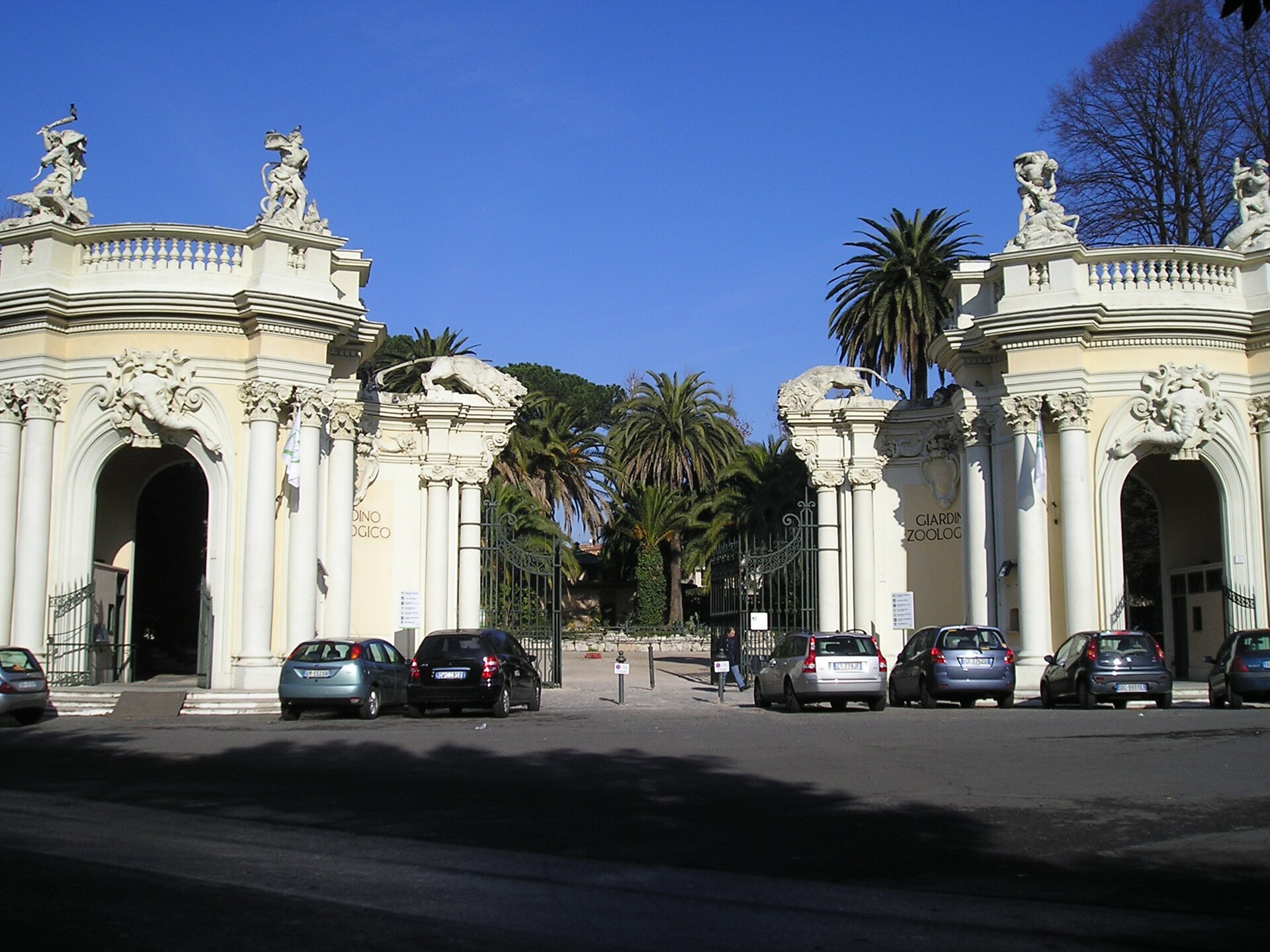
Bioparco di Roma is Rome’s zoological park, set inside the historic Villa Borghese estate. The park combines animal exhibits with mature gardens and shaded paths, making it a different kind of stop from Rome’s archaeological and church-based landmarks. The institution was formerly known as the Rome Zoological Garden and became Bioparco in 1998. That change marked a move toward conservation, education, and animal welfare. For travelers, the setting matters as much as the animals: a visit adds a green, family-friendly outdoor experience to a city itinerary dominated by stone, streets, and museums.
The park presents animals in landscaped enclosures connected by pedestrian paths and viewing areas. The collection includes mammals, birds, reptiles, and other fauna associated with a zoological park. Villa Borghese’s established vegetation forms the backdrop, so the experience is not confined to enclosed galleries: visitors move through a garden environment between animal habitats. The visit works well for families because the route alternates between walking, looking, and stopping at individual enclosures. Travelers interested in conservation can also treat the park as an educational destination, while photographers will find both animal subjects and greenery within the same compact outing.
Allow several hours for Bioparco di Roma if the aim is to walk through the park without rushing. The time needed depends on how long visitors spend at each enclosure, how much they read, and whether children want to pause for repeated views of particular animals. A shorter visit can still work for travelers combining Bioparco with Villa Borghese, but a hurried circuit reduces the value of the landscaped setting. Animal activity changes during the day, so a flexible pace is useful. The park can occupy a substantial part of a family morning or afternoon rather than functioning as a brief photo stop.
Daylight visits are the most practical choice because Bioparco is an outdoor zoological park within Villa Borghese. Spring and autumn bring more comfortable conditions for extended walking than Rome’s hottest summer afternoons. In summer, an earlier start helps limit exposure to midday heat, while the park’s trees provide useful shade along parts of the route. Weekends and school holidays can bring more families and busier paths. Winter offers a quieter seasonal atmosphere but can feel less comfortable in poor weather. Build the visit around the day’s outdoor conditions and leave room for pauses at the enclosures.
Bioparco di Roma is a ticketed zoological park, so admission is separate from simply entering Villa Borghese. The former Rome Zoological Garden’s transformation into Bioparco describes the institution’s identity, but it does not make the park part of the surrounding estate’s general public access. Plan the visit as a dedicated attraction with time for its animal enclosures and paths. Travelers combining the park with other Rome sights should keep its admission separate from museum, monument, or transport planning. The ticketed entrance also distinguishes Bioparco from the freely accessible gardens around it.
Bioparco di Roma lies within Villa Borghese in central Rome, so the final approach includes walking through the larger estate from the surrounding city streets or transit stops. The park’s position makes it natural to combine with a Villa Borghese outing rather than treating it as an isolated destination. Travelers arriving from central Rome should allow extra time for the internal garden walk after reaching the general area. Driving into central Rome can be inconvenient because of traffic, restricted streets, and limited parking. A walking and public-transport itinerary fits the location better than planning around a private car.
Bioparco is an active animal park, not a conventional playground, so visitors should keep children close to barriers and follow the signs around each enclosure. Quiet behavior helps preserve the animals’ environment and improves viewing for other guests. The route involves outdoor walking, and Rome’s summer heat can make water, shade, and rest pauses important. Wet pavement may be slippery. The residential and garden setting also rewards considerate movement: avoid blocking paths, keep voices controlled, and do not try to attract animals. A flexible schedule is preferable because a favorite enclosure can hold a family longer than expected.
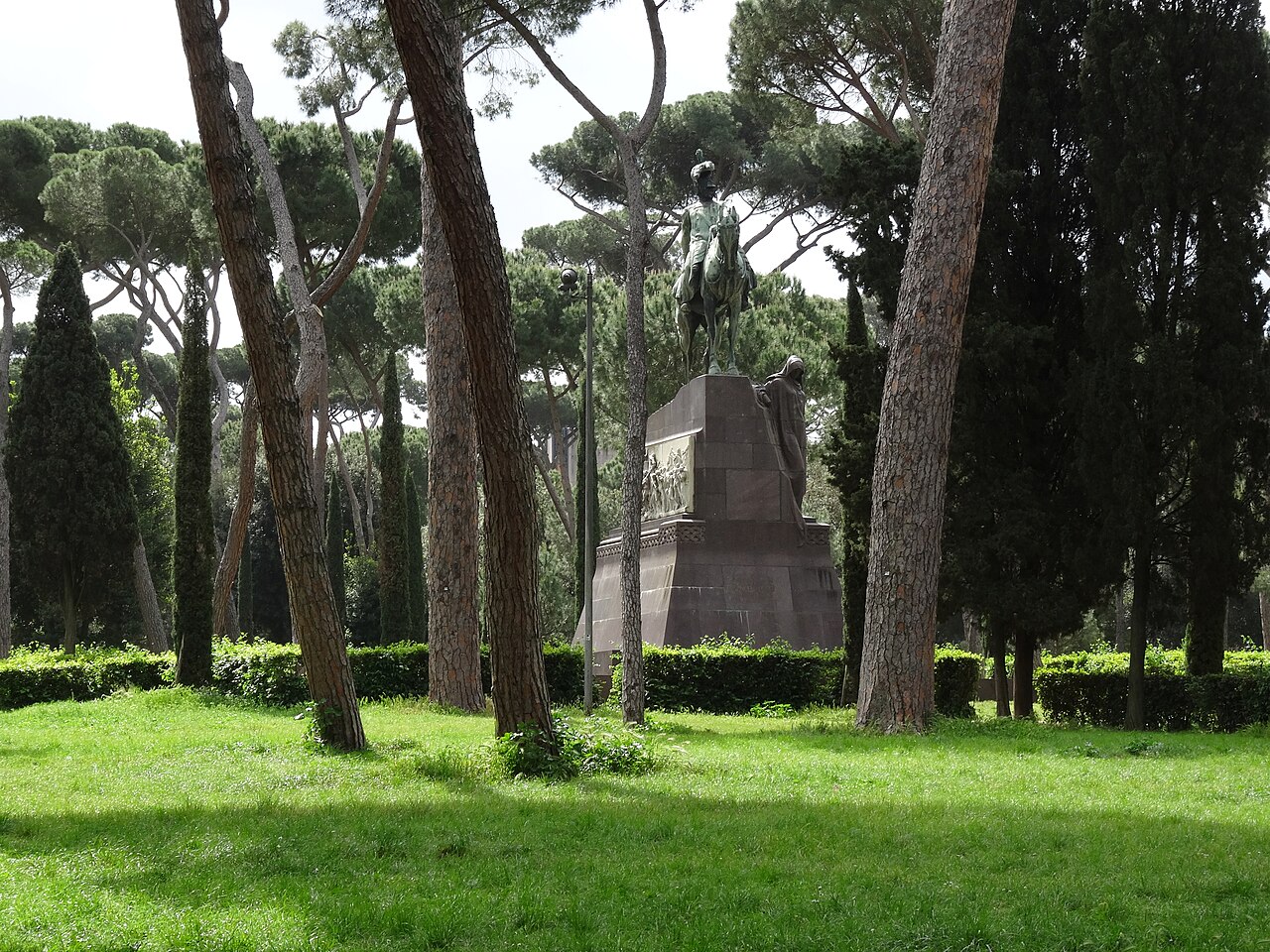
Bioparco offers two clear photographic subjects: animals in landscaped habitats and the mature greenery of Villa Borghese. Walk slowly and use the viewing areas rather than pressing against barriers. Animal welfare should guide every photograph, so avoid loud attempts to produce a reaction and keep equipment from obstructing the path. The garden setting can soften the visual feel of enclosure photography, while morning or late-afternoon light can add texture to leaves and painted surfaces. Personal photographs fit naturally into the visit; the important principle is to preserve the calm of the animals and the comfort of nearby visitors.
Nothing non-essential is set before you choose, in regions where consent is required. If you decline, ads still appear and analytics is switched off entirely.