
2 min walk
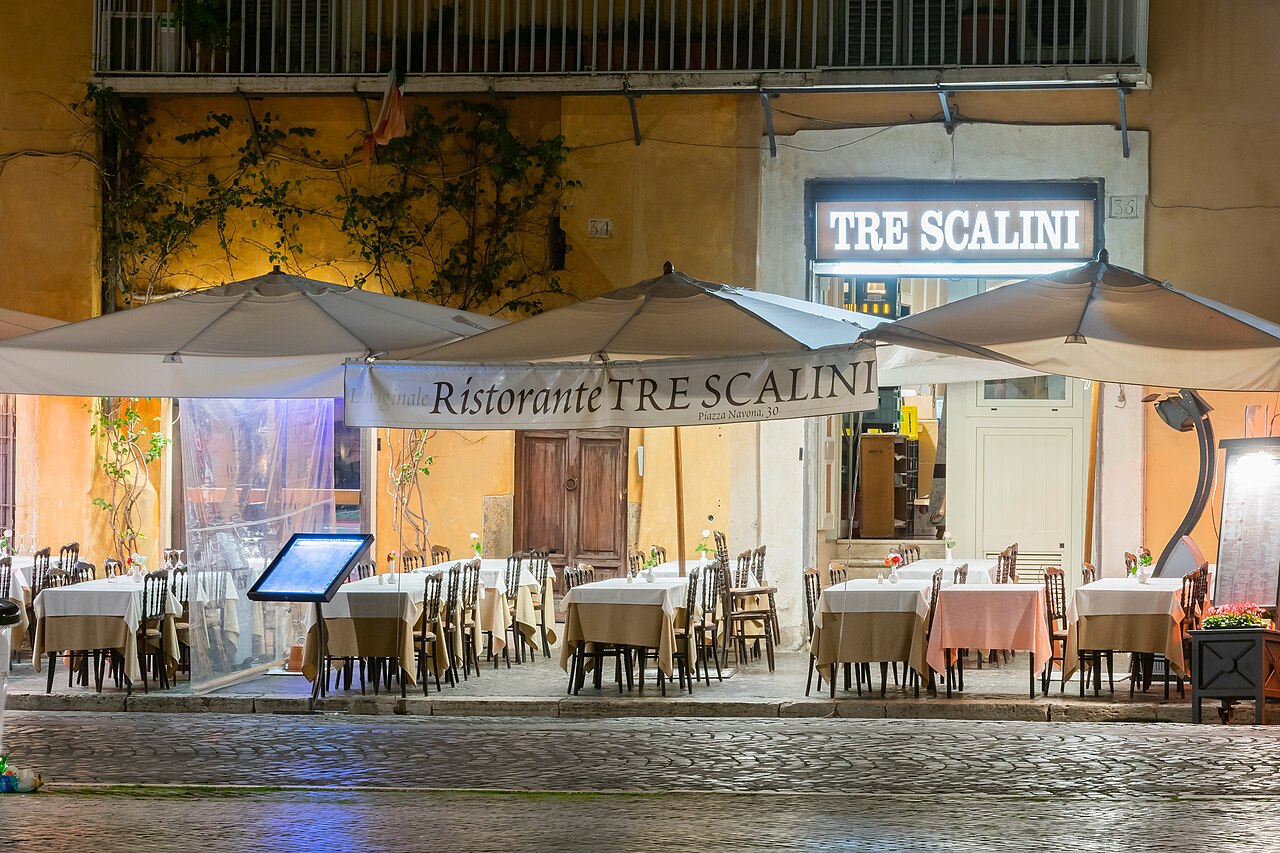
Tre Scalini
- Restaurant or café
Museum · Rome
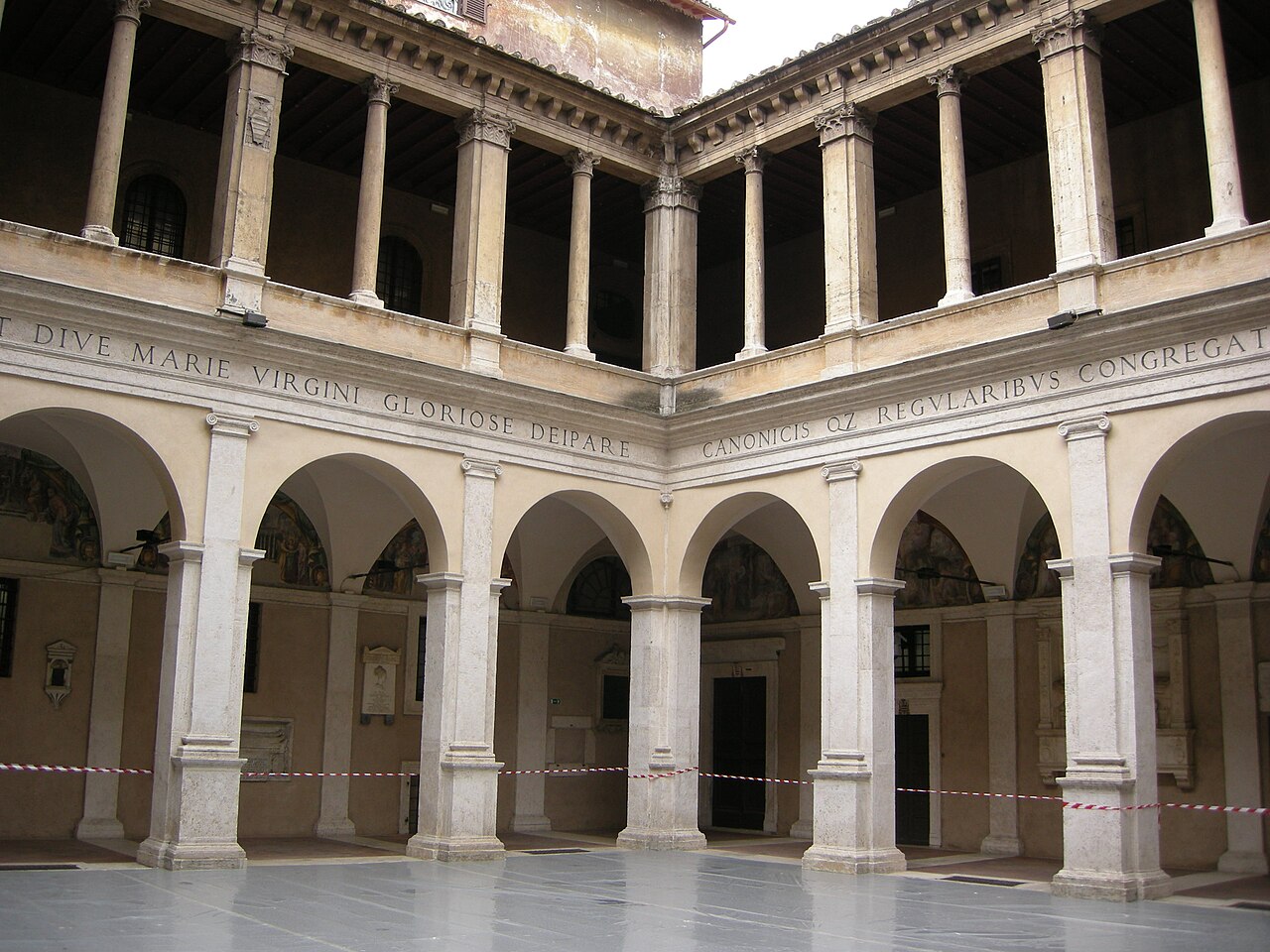
Chiostro del Bramante
The Chiostro del Bramante is a Renaissance cloister in Rome, attributed to the architect Donato Bramante. It forms part of the larger complex that includes the church of Santa Maria della Pace. The cloister represents an important example of early 16th-century architectural design in the city, featuring a two-story structure with arcades. The space has been adapted for contemporary use as a cultural venue, hosting exhibitions and events. Its historical significance lies in its architectural pedigree and its role in demonstrating Bramante's innovative approach to classical forms in ecclesiastical settings.
Checked 2026-08-26
The interior spaces comprise the cloister walkways with their characteristic arcades and the exhibition areas that occupy the historic rooms. The architectural elements include columns, pilasters, and vaulting that demonstrate Renaissance construction techniques. The upper and lower levels offer different spatial experiences of the same architectural concept. When exhibitions are mounted, the spaces contain artworks or installations. The church of Santa Maria della Pace, adjacent to the cloister, is a separate religious building with its own artistic contents, including frescoes by Raphael in the Chigi Chapel. The exact current exhibition schedule is Not recorded.
Checked 2026-08-26
A visit duration depends substantially on whether an exhibition is being hosted and the visitor's interest in that content. Architectural appreciation of the cloister itself might require approximately thirty to forty-five minutes for careful observation of the structural details and spatial qualities. When combined with exhibition viewing, the total visit could extend to between one and two hours. Visitors should assess their own pace and interests. There is no recorded recommendation for minimum or maximum time allocation from the venue operator. Personal judgement should guide planning.
Checked 2026-08-26
Visitors should consult official sources before planning a visit. The cloister functions as an exhibition venue, so timing may also depend on specific exhibition periods. Rome experiences high tourist volumes during spring and autumn months, which may affect the experience of any central historic site. Summer brings heat that could make outdoor portions of the cloister uncomfortable. Winter offers lower crowds but reduced daylight hours. Personal preference for crowd levels and weather tolerance should inform timing decisions. Check the operator's own site for the travel date before relying on a schedule or fare.
Checked 2026-08-26
Admission structures may vary depending on whether an exhibition is in progress, as cultural venues often implement different ticketing for exhibition periods versus architectural visits alone. Concession categories commonly applied in Italian cultural sites may or may not be recognized. Visitors should verify current pricing through official channels before arrival. Any combination tickets with adjacent or related sites are Not recorded. Payment methods accepted at the venue are Not recorded. Advance booking possibilities are Not recorded. Check the operator's own site for the travel date before relying on a schedule or fare.
Checked 2026-08-26
The cloister occupies a central Rome location near Piazza Navona in the historic core. The area is served by various bus routes, though specific line numbers are Not recorded. The nearest metro stations are not immediately adjacent, requiring additional walking through the dense historic street network. Walking from major nearby landmarks including Piazza Navona, the Pantheon, or Campo de' Fiori is feasible given the compact nature of this district. The historic center has restricted vehicle access zones. Visitors should expect to navigate narrow streets and cobblestone surfaces typical of this part of Rome.
Checked 2026-08-26
The adaptation of a historic religious structure for modern exhibition use may create accessibility challenges. Surfaces include cobblestones and historic flooring that may be uneven. Staircases between levels may lack modern accommodations. The combination of historic architecture with temporary exhibition infrastructure requires awareness of changed conditions. Crowding during popular exhibitions could affect movement and viewing. The proximity to other major attractions may create congestion in surrounding streets. Security procedures for exhibition entry, including bag checks, are common in Italian cultural venues. Visitors should maintain awareness of personal belongings in busy central Rome locations.
Checked 2026-08-26
Photography policies in Italian cultural venues vary considerably and are typically determined by individual site management, with additional restrictions often applied during temporary exhibitions due to copyright concerns. The presence of artworks on loan may prohibit all photography or require special permissions. Flash photography is commonly restricted in historic interiors to protect sensitive surfaces. Tripod and professional equipment use typically requires advance authorization. Visitors should observe posted signage and staff instructions. Drone photography would be inappropriate in this dense urban historic context and subject to Italian aviation regulations. Specific current policies are Not recorded.
Checked 2026-08-26
The cloister is architecturally connected to the church complex but operates as a distinct space with separate contemporary functions as a cultural venue.
The feasibility of architectural-only visits depends on current operational policies, which are Not recorded. Visitors should verify with official sources.
The availability of guided tours is Not recorded. Visitors should consult official channels for current programming.
Accessibility provisions for mobility-impaired visitors are Not recorded. Historic structures of this type often present challenges.
The central location permits walking connections to Piazza Navona, the Pantheon, and other historic sites, though specific combination arrangements are Not recorded.
On-site visitor facilities are Not recorded. The surrounding historic center contains various commercial establishments.
Loading the interactive map…
The interactive map could not be loaded.
Last updated:
Source: OpenStreetMap contributors, Wikidata ·