_-_2021-08-29_-_3.jpg)
2 min walk
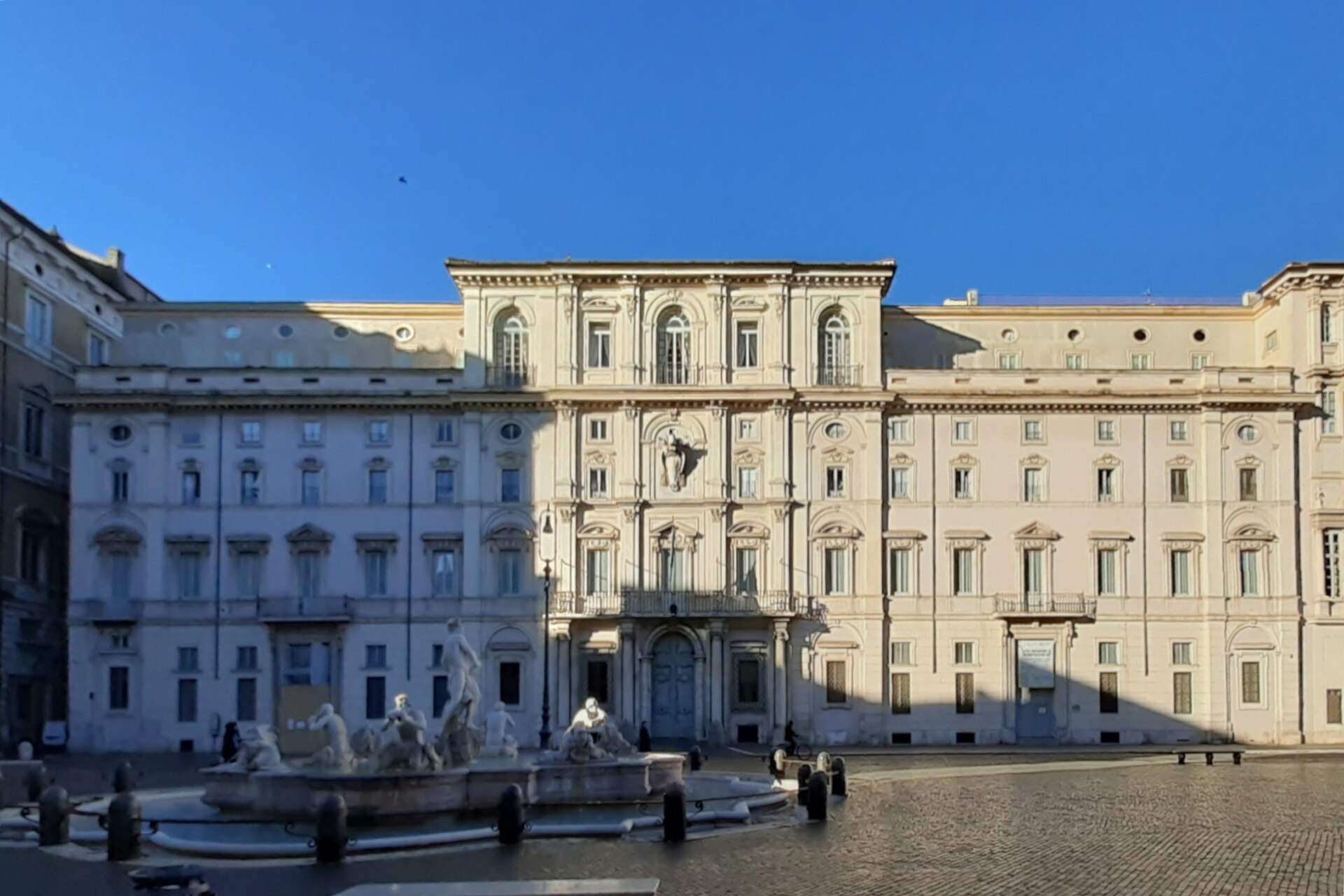
Palazzo Pamphilj
- Must see · Heritage site
- Historic monument
Language · 11 published
Museum · Rome
Reviewed by Elena Voss · Roavina Travel Editor
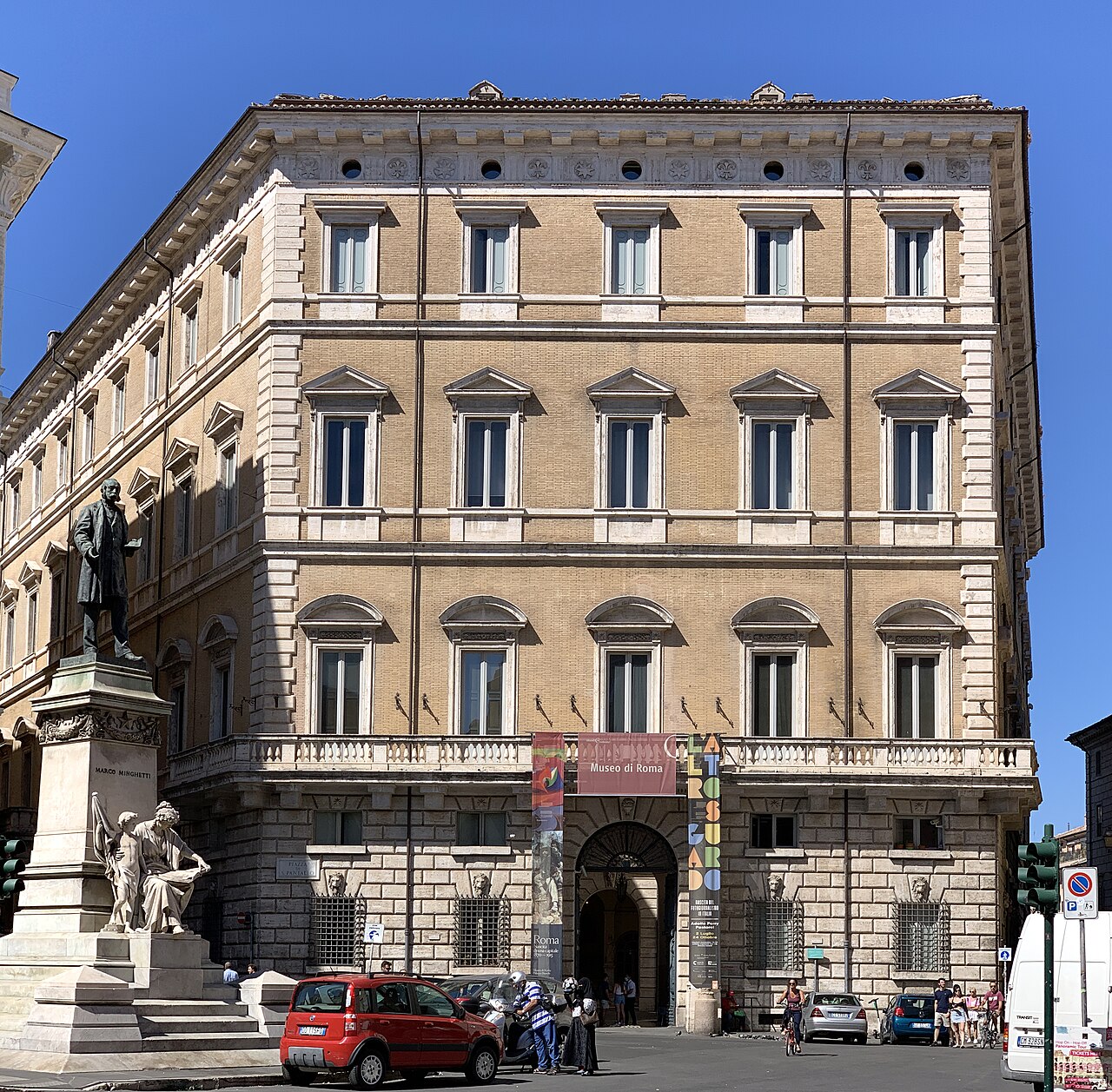
This place is a Museum. It opened in 1930. It carries the Italian national heritage heritage designation.
The Museo di Roma is a museum dedicated to the history and culture of Rome. Located in the city center, it occupies a historic building that contributes to its significance as a cultural institution. The museum serves as a repository for artifacts, artworks, and documents that illustrate the evolution of Rome from its earliest periods through modern times. Visitors seeking to understand the urban and social development of the Italian capital will find this institution relevant to their interests.
Checked 2026-08-26
The collections at the Museo di Roma encompass paintings, prints, photographs, and decorative arts that document Roman life across centuries. Exhibits typically address themes of daily existence, urban transformation, and notable events in the city's past. The museum holds works by artists who depicted Rome and its inhabitants, providing visual testimony to changing architectural landscapes and social customs. Specific temporary exhibitions may rotate, so visitors should verify current displays through available information channels before planning their visit. A flexible visit lets travellers connect Museo di Roma with the rest of the day without treating one room, viewpoint or photograph as the whole experience. The useful pace depends on personal interest and conditions on arrival.
Checked 2026-08-26
Visitors should allocate sufficient time to engage with the museum's holdings at a comfortable pace. A thorough examination of permanent collections and any special exhibitions generally requires a minimum of one to two hours. Those with deep interest in Roman history or art history may wish to extend their stay. The appropriate duration depends on individual reading speed, interest in detailed examination of individual pieces, and whether audio guides or printed materials are utilized during the visit.
Checked 2026-08-26
Visitors should consult official sources directly before traveling to confirm opening times, as these may vary by season or due to special circumstances. Rome experiences peak tourist influx during summer months and major religious holidays, which may affect crowd levels at cultural institutions. Morning visits often provide quieter conditions for viewing exhibits. The museum's central location makes it accessible throughout the day, though personal scheduling preferences and energy levels should guide timing decisions. Check the operator's own site for the travel date before relying on a schedule or fare.
Checked 2026-08-26
Admission policies, including standard entry fees, reduced rates for eligible categories, and free-entry conditions, must be verified through official museum communications. Some Roman museums participate in combined ticket schemes or city-wide cultural passes, though specific arrangements for this institution require confirmation. Visitors should carry appropriate identification if seeking concessions. Payment methods accepted at the entrance should be confirmed in advance, particularly for those preferring card transactions over cash. Museo di Roma also earns time in a rome itinerary because Exact unique production name match within the declared city scope. Its value becomes clearer when the stop is compared with the surrounding streets and the other ranked places nearby. Check the operator's own site for the travel date before relying on a schedule or fare.
Checked 2026-08-26
The Museo di Roma occupies a central position within Rome's historic core, accessible via the city's public transportation network. Multiple bus routes serve the surrounding area, and the nearest metro stations are within reasonable walking distance. Walking from nearby landmarks is feasible for those already exploring the city center. Rome's historic center features cobblestone streets and limited vehicle access in some zones, which may affect those with mobility considerations. Taxi and rideshare services operate in the vicinity, though traffic congestion is common.
Checked 2026-08-26
Visitors should remain aware of standard urban precautions applicable to crowded tourist areas. Pickpocketing occurs in Rome's central districts, necessitating vigilance with personal belongings. The museum building's historic character may present accessibility challenges, including stairs and uneven flooring. Climate control in older structures can vary seasonally, suggesting appropriate clothing layers. Photography policies within exhibition spaces should be observed, and visitors must respect barrier placements protecting artifacts. Emergency exits and staff locations warrant brief orientation upon entry for safety preparedness.
Checked 2026-08-26
Photography regulations at the Museo di Roma require clarification from on-site staff or official guidelines. Many museums permit non-flash photography in permanent collections while restricting it in special exhibitions or specific galleries. Tripods and selfie sticks are commonly prohibited due to space constraints and visitor safety concerns. Commercial or professional photography typically requires advance authorization. Visitors should verify current policies before capturing images, as non-compliance may result in equipment confiscation or removal from premises. Respect for fellow visitors' viewing experience should guide all photography decisions.
Checked 2026-08-26
The museum addresses Roman history through art and artifacts, which may engage older children with relevant interests. Younger visitors might find the content less interactive than dedicated children's museums. Parental discretion advised based on individual child temperament and prior exposure to museum environments.
Guided tour availability is Not recorded pending review. Visitors should inquire directly with the museum regarding scheduled tours, language options, and reservation requirements. Self-guided exploration with printed materials remains an alternative if organized tours are unavailable or unsuitable.
On-site storage provisions are Not recorded pending review. Large bags, umbrellas, and backpacks may be restricted in exhibition areas at many museums. Visitors should travel light or confirm storage options before arrival to avoid inconvenience.
Internal café or restaurant facilities are Not recorded pending review. The central location ensures numerous dining establishments in the surrounding streets, ranging from quick service to sit-down restaurants. Visitors may also bring refreshments for consumption in designated public spaces nearby.
Accessibility features are Not recorded pending review. Historic buildings often present challenges including stairs, narrow doorways, and uneven surfaces. Visitors requiring specific accommodations should contact the museum directly in advance to discuss individual needs and available provisions.
Online booking availability is Not recorded pending review. Many Roman museums now offer advance purchase options, though specific systems vary. Visitors should consult official museum communications for current ticketing methods, particularly during high-demand periods when advance planning proves advantageous.
Loading the interactive map…
The interactive map could not be loaded.

Last updated:
Source: OpenStreetMap contributors, Wikidata ·