


.JPG)
.JPG)

2 min walk
Museo Correr
- Must see · Heritage site
- Museum
Language · 11 published
Historic monument · Venice
Palazzo Giustiniani
Reviewed by Elena Voss · Roavina Travel Editor
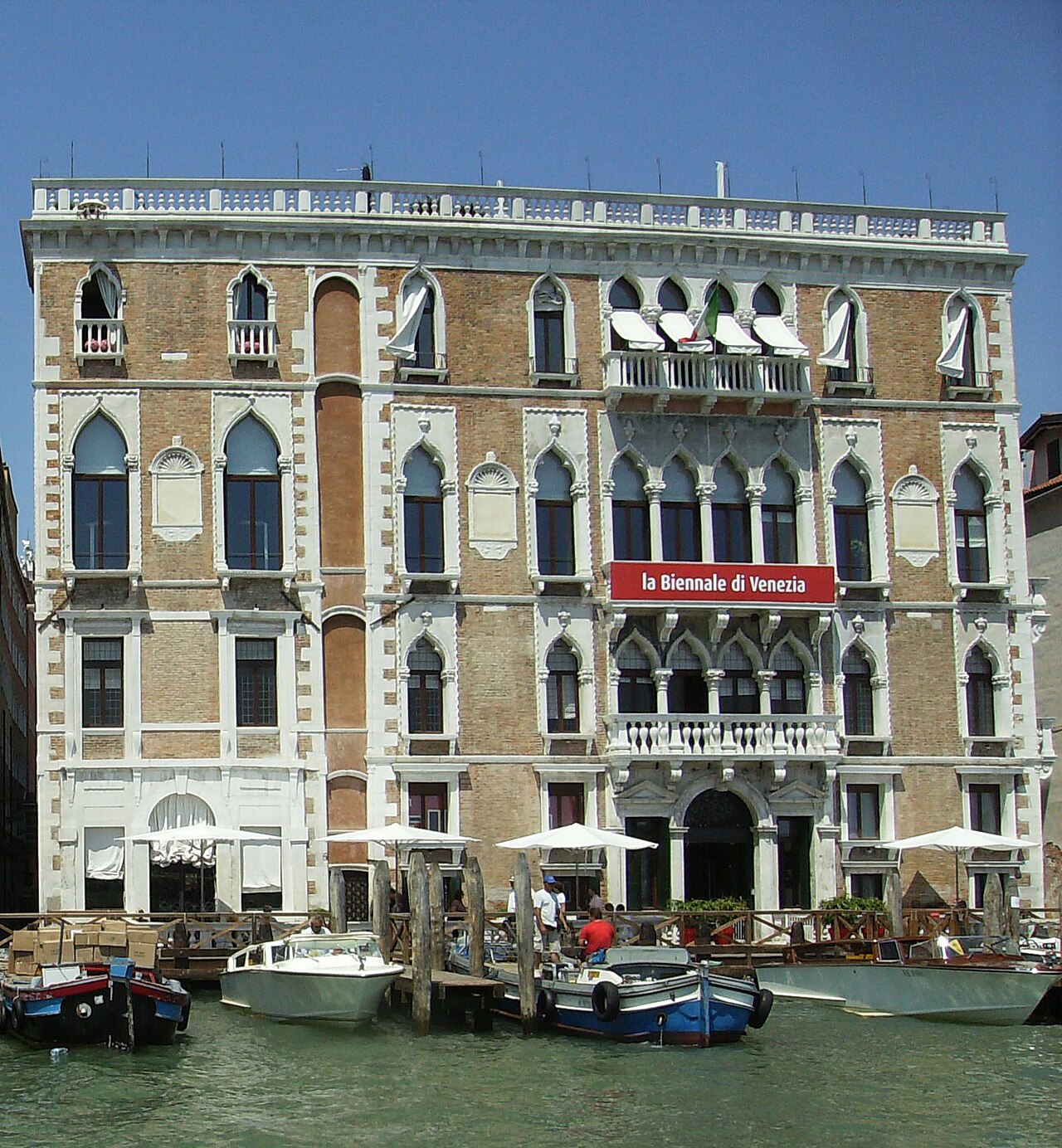
Ca’ Giustinian is a historic Venetian palazzo in the San Marco district, associated with the city’s tradition of grand residences along the Grand Canal. Its Venetian Gothic character connects the building with the architectural language that gives central Venice its distinctive appearance: ornate façades, water-facing entrances, and dense layers of historic construction. For travelers, the palazzo is best understood as part of the urban scenery and heritage of San Marco. It can be folded into a route linking squares, canals, bridges, and other historic buildings without requiring the entire day to revolve around one interior.
Checked 2026-08-26 · Source
The strongest confirmed impression of Ca’ Giustinian comes from its historic palazzo form and Venetian Gothic identity. If you are able to enter an accessible area, give attention to the relationship between the building’s structure, decorative surfaces, and the way Venetian residences connect with water and street life. Do not approach it as a guaranteed museum collection. Historic palazzi can contain private, institutional, or working spaces alongside heritage fabric. Even an exterior visit rewards close looking at windows, stonework, proportions, and the building’s position within the Grand Canal landscape.
Checked 2026-08-26 · Source
Reserve thirty minutes to two hours depending on the access available and your interest in Venetian architecture. An exterior viewing can be brief and fits naturally into a Grand Canal or San Marco walk. If interior areas are open for a visitor experience, allow longer for architectural details and the atmosphere of a historic palazzo. Avoid placing the stop between two tightly timed reservations, since reaching it requires walking through Venice. A flexible route also gives you time to pause at canals, bridges, and neighbouring façades, which form an important part of understanding the building’s urban setting.
Checked 2026-08-26 · Source
Choose the time according to the kind of experience you want from San Marco. Morning offers a better chance of a measured architectural walk before the district becomes intensely busy. Late afternoon can provide warmer light on façades and the Grand Canal, especially for exterior photography. Winter generally brings a quieter city rhythm, while summer places more pressure on streets and bridges. Rain can make the paving difficult, and high-water conditions may affect low-level routes. Build the palazzo into a broader itinerary so the day remains rewarding through surrounding architecture and canals as well as this single site.
Checked 2026-08-26 · Source
Plan Ca’ Giustinian primarily as a historic-building and cityscape stop. Nearby museums, churches, and cultural attractions may use separate tickets or passes, so keep their admission arrangements distinct from your plans for the palazzo. A small payment option is useful during any Venice day, especially when visiting several independent places. The architectural experience does not depend on rushing through multiple rooms: the façade, water setting, and relationship with San Marco already make it a meaningful addition to a walking itinerary. Leave flexibility for the access arrangement you encounter and for the surrounding public spaces.
Checked 2026-08-26 · Source

Reach Ca’ Giustinian by vaporetto or on foot, then continue through the pedestrian network of San Marco. Waterbus services along the Grand Canal bring you into the central area, while walking from Piazza San Marco or the Rialto direction connects the palazzo with a sequence of historic streets and bridges. Venice has no ordinary vehicle access in the historic centre, so the final approach always involves walking. Wear shoes suited to uneven stone paving and bridge steps. A water taxi offers a more direct water arrival, but you still need to move on foot around the destination.
Checked 2026-08-26 · Source
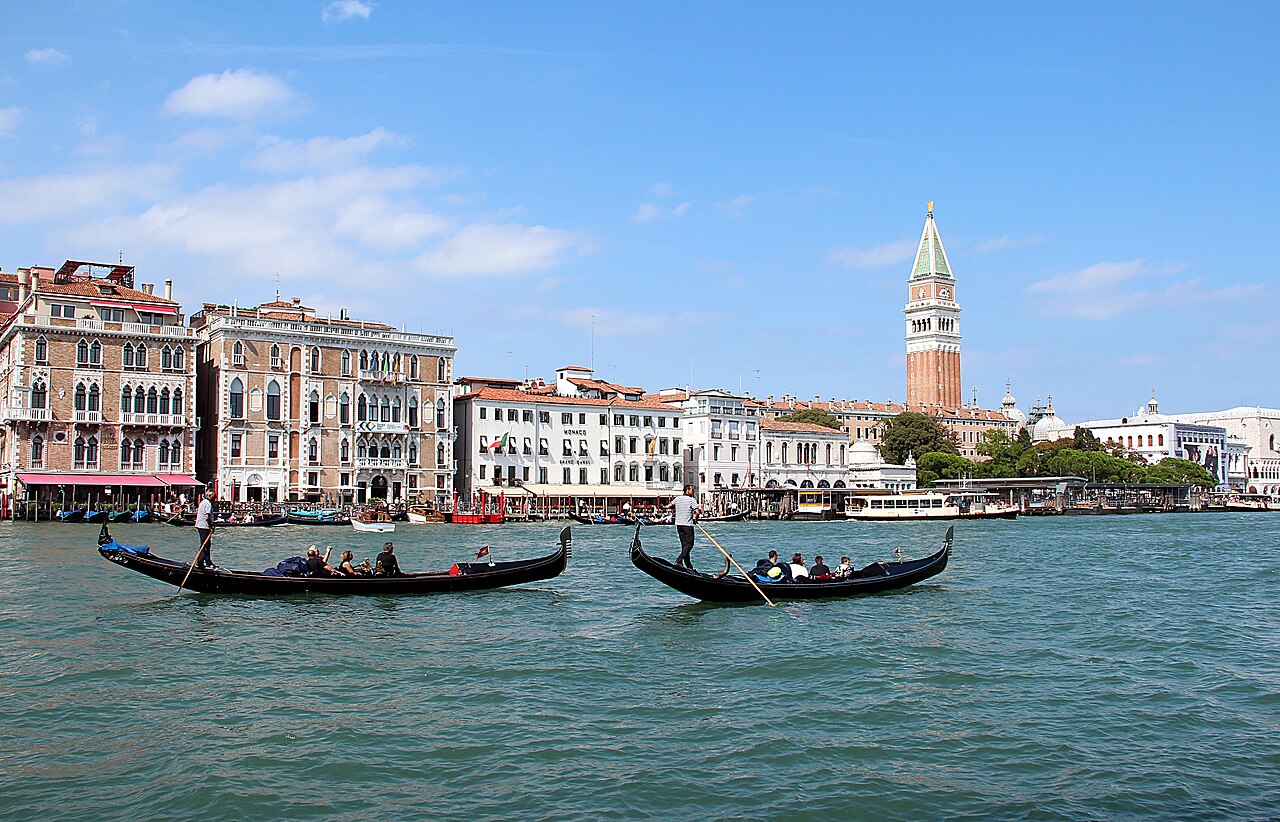
Expect crowds around San Marco, slippery paving after rain, narrow passages, and bridge crossings that can slow a short route. The Grand Canal setting also means taking care near water edges and respecting private or working entrances. High-water events can affect low-level access, particularly during the cooler part of the year. Keep valuables secure in crowded pedestrian areas and avoid blocking façades while taking photographs. Historic buildings may contain steps or surfaces that are difficult for some visitors. Plan a route with pauses, and treat neighbouring streets and canals as part of the practical experience of visiting Ca’ Giustinian.
Checked 2026-08-26 · Source
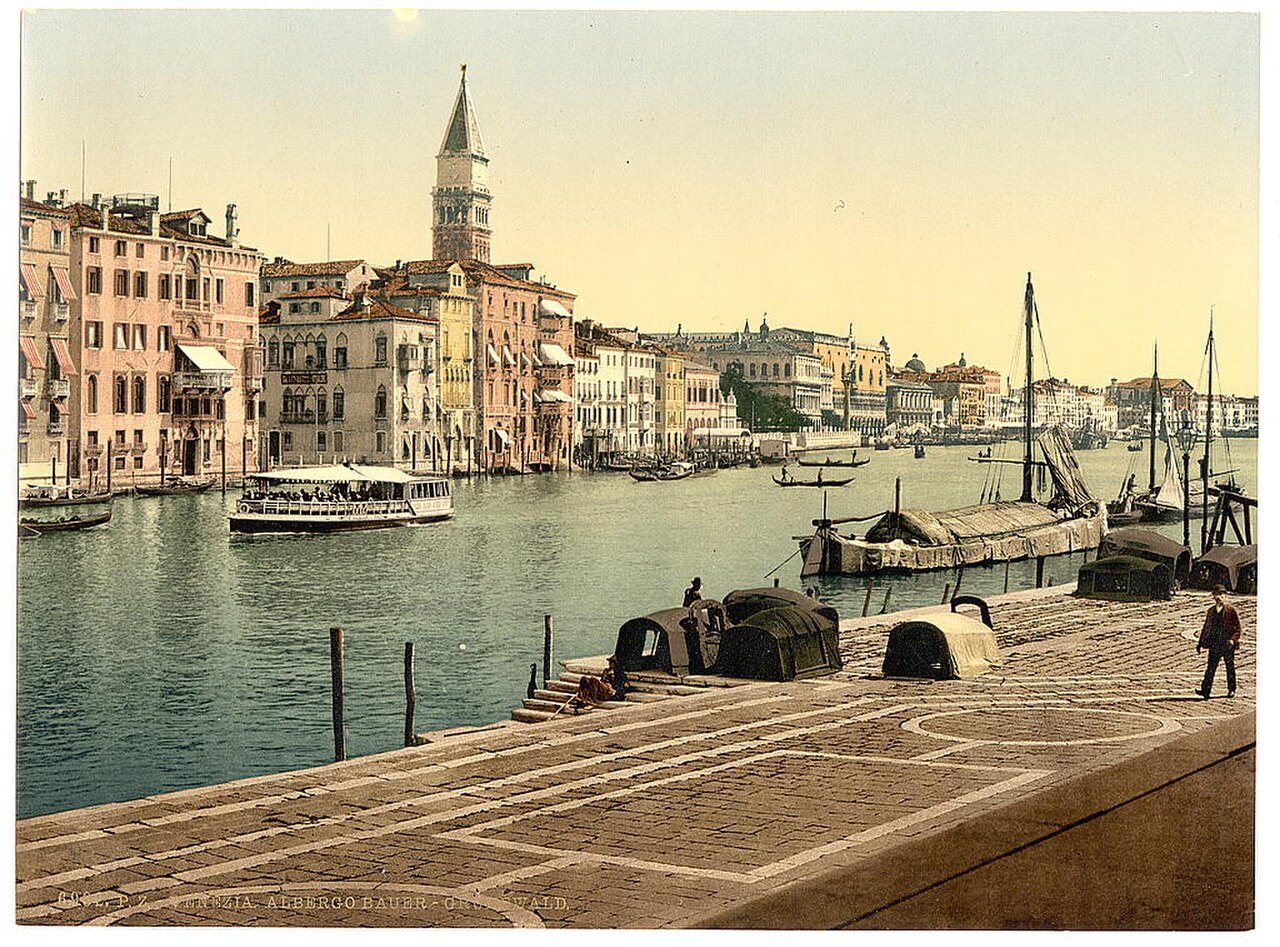
Ca’ Giustinian is especially rewarding from public viewpoints along the Grand Canal and nearby pedestrian routes. Frame the Venetian Gothic façade with water, passing boats, bridges, or neighbouring palazzi to show how the building belongs to the city’s larger architectural scene. Soft morning or late-afternoon light can reveal stone detail without the strongest glare. Keep tripods and large equipment out of busy passages, and do not photograph private interiors without permission. Drone use in Venice’s historic centre is subject to strict restrictions. The most respectful photographs are made from public space without interrupting residents, workers, or other travelers.
Checked 2026-08-26 · Source
Ca’ Giustinian is associated with Venetian Gothic architecture, the style that shapes many historic palazzi along Venice’s waterways.
Ca’ Giustinian is in Venice’s San Marco district, within the historic urban landscape of squares, canals, bridges, and Grand Canal palazzi.
Use a vaporetto serving the Grand Canal area, then continue on foot through San Marco. Walking is required for the final approach in Venice’s historic centre.
Allow about thirty minutes for an exterior stop, or up to two hours if accessible interiors and detailed architectural viewing form part of your visit.
Photograph the Venetian Gothic façade, Grand Canal setting, water, bridges, and surrounding palazzi from public viewpoints and pedestrian routes.
Expect crowds, uneven paving, bridge crossings, slippery surfaces after rain, and water-side edges. Respect private entrances and keep equipment clear of busy routes.
Loading the interactive map…
The interactive map could not be loaded.

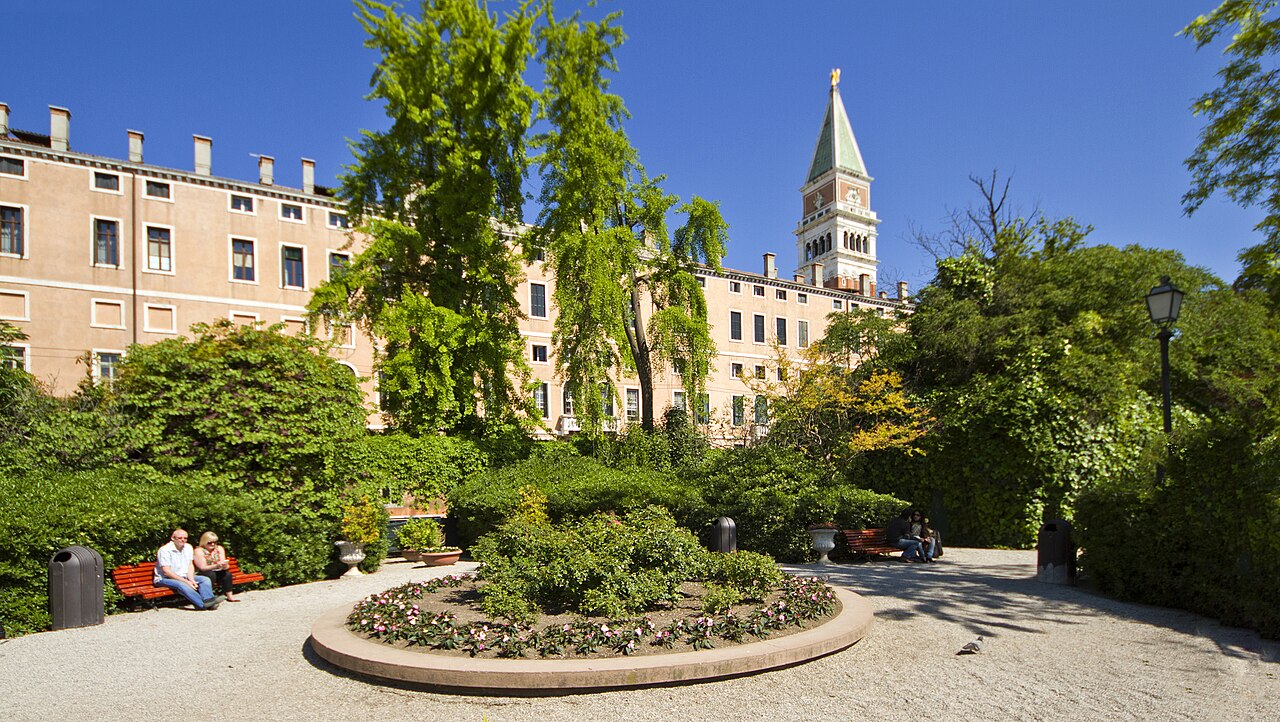
Last updated:
Source: OpenStreetMap contributors, Wikidata ·