
_Oratorio_dei_Crociferi_in_campo_dei_Gesuiti.jpg)
_008.jpg)


6 min walk
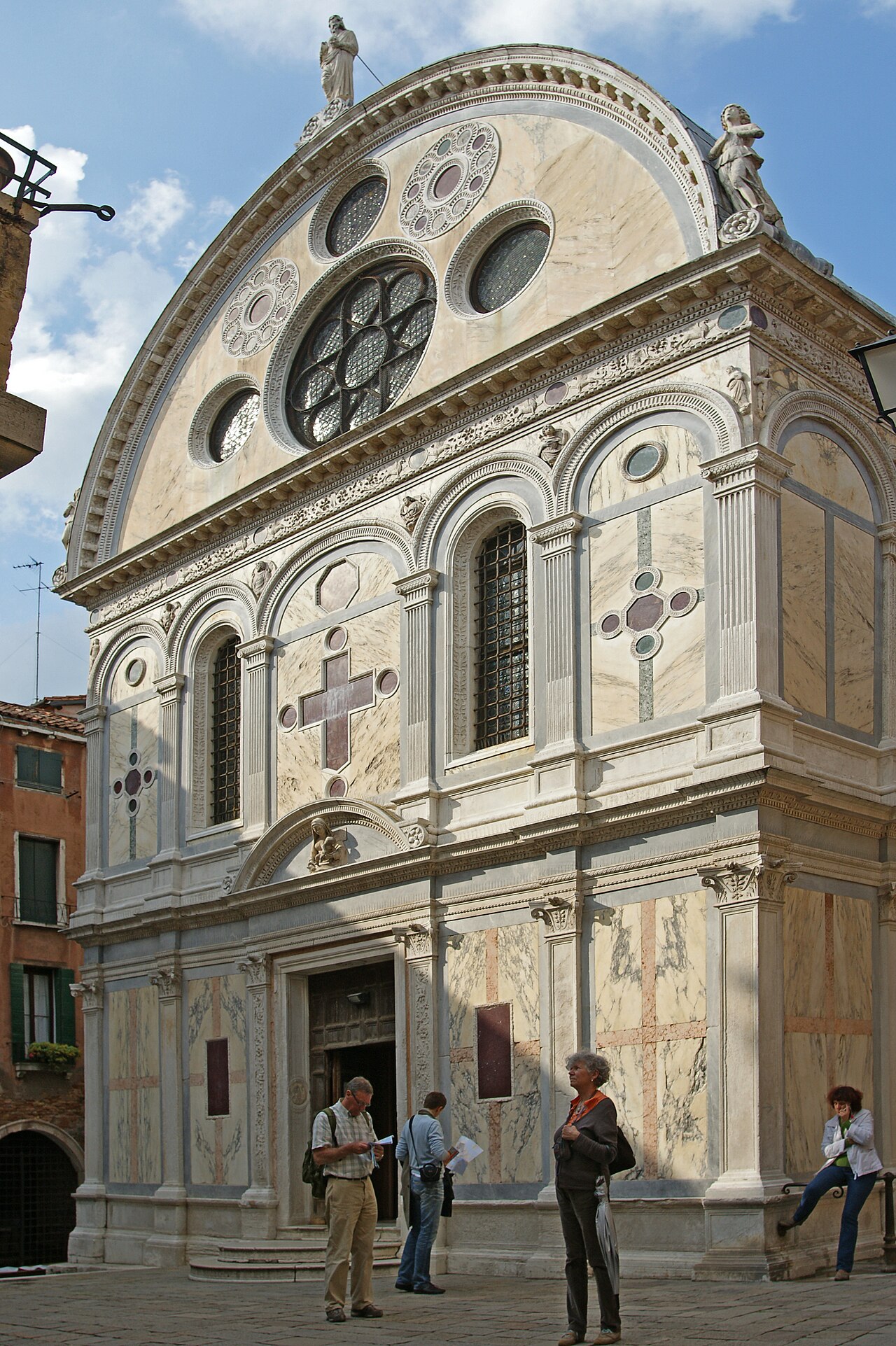
Santa Maria dei Miracoli, Venice
- Must see
- Place of worship
Language · 11 published
Museum · Venice
Reviewed by Elena Voss · Roavina Travel Editor
| Monday | Closed |
|---|---|
| Tuesday | Closed |
| Wednesday | Closed |
| Thursday | Closed |
| Friday | 10:00 – 17:00 |
| Saturday | 10:00 – 17:00 |
| Sunday | 10:00 – 17:00 |
Closed to visitors between 13:00 – 14:00
Parsed from OpenStreetMap opening hours on 2026-09-09.
This place is a Museum.
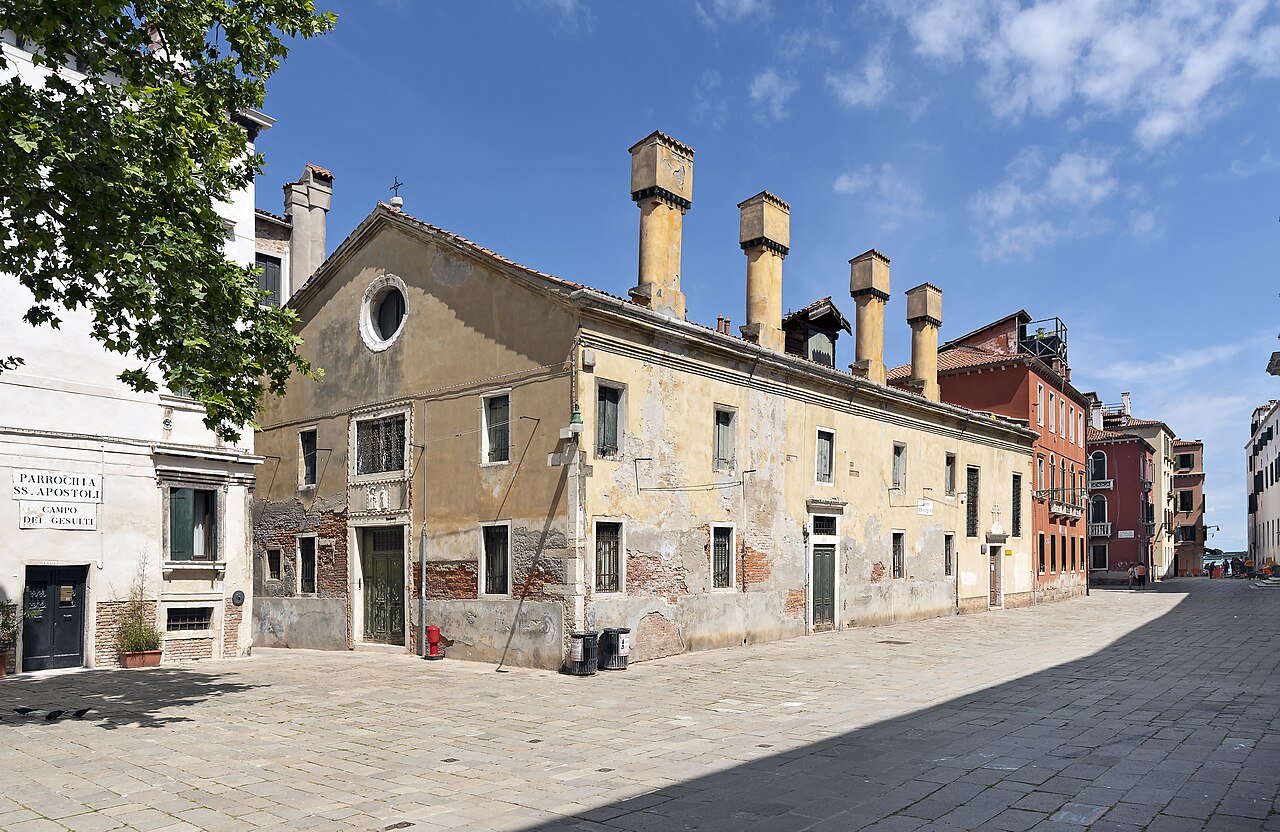
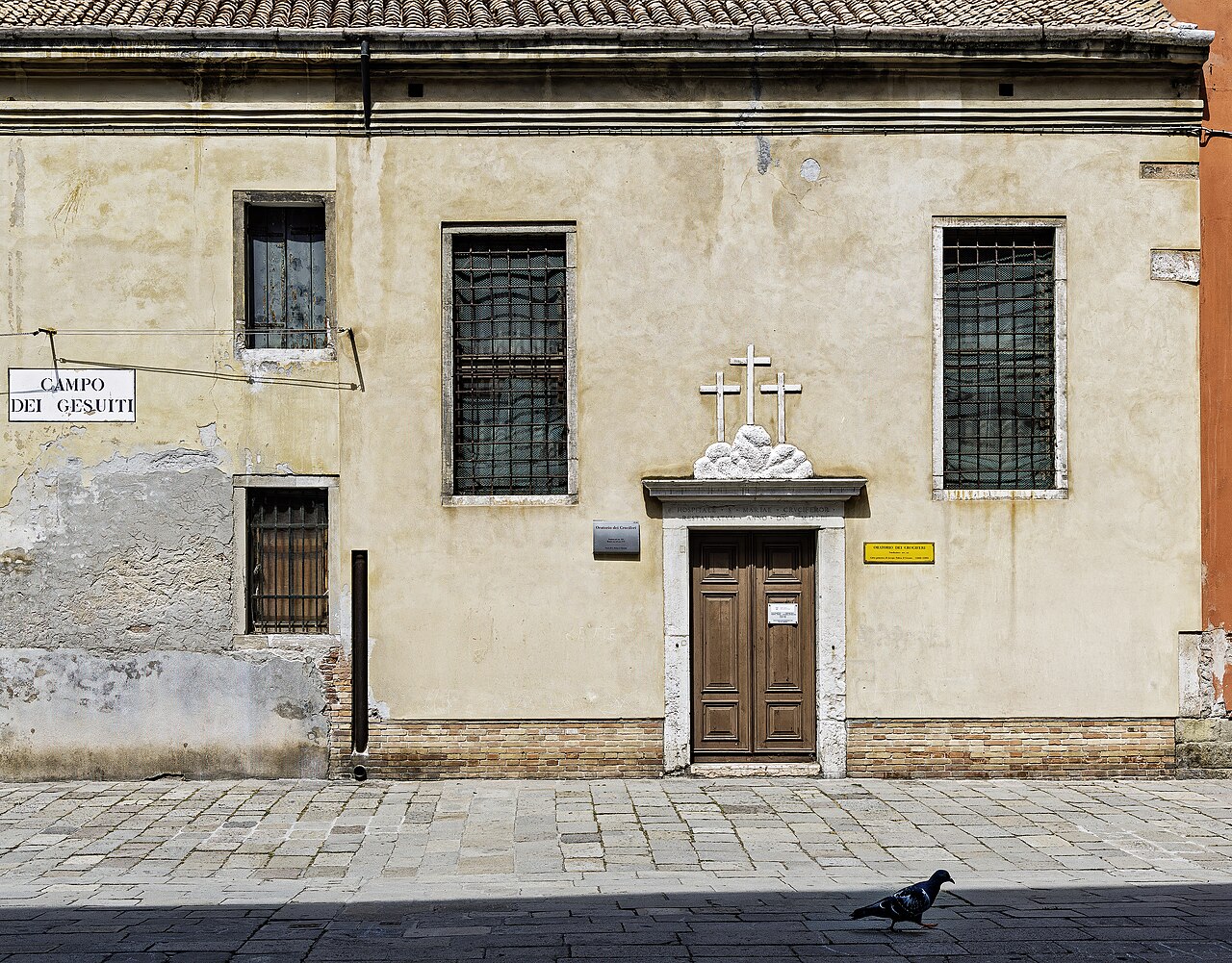
Oratorio dei Crociferi is a small Venetian oratory in Cannaregio, associated with the Crociferi religious order. It belongs to the quieter, more intimate layer of Venice’s ecclesiastical heritage, away from the scale of the city’s celebrated basilicas. An oratory offers a glimpse into the devotional spaces that supported religious communities and everyday spiritual life. Its modest character makes it a useful stop for travelers interested in the texture of historic neighbourhoods. Visit it as part of a Cannaregio walk, combining the building with the district’s lanes, bridges, canals, and slower residential atmosphere.
Checked 2026-08-26 · Source
The oratory’s importance begins with its scale, religious association, and place in Cannaregio’s historic landscape. If entry is available, take time to observe the proportions of the interior, the relationship between the devotional space and the surrounding building, and any liturgical furnishings or architectural details that can be viewed respectfully. Do not plan the visit around a long sequence of named artworks. The experience is better suited to attentive observation than rapid sightseeing. From outside, the building still contributes to a broader understanding of how religious institutions were woven into Venice’s neighbourhoods and daily life.
Checked 2026-08-26 · Source
Allow fifteen to thirty minutes for the Oratorio dei Crociferi and its immediate surroundings. That window gives enough time for an exterior look, a quiet pause, and interior observation if access is available. The building works best as one element of a Cannaregio walking route rather than as the sole purpose of a full day. Add time for nearby lanes and canals, especially if you enjoy architectural details or photography. Keep the schedule flexible because a religious building may require visitors to move quietly, wait briefly, or continue with an exterior visit during active use.
Checked 2026-08-26 · Source
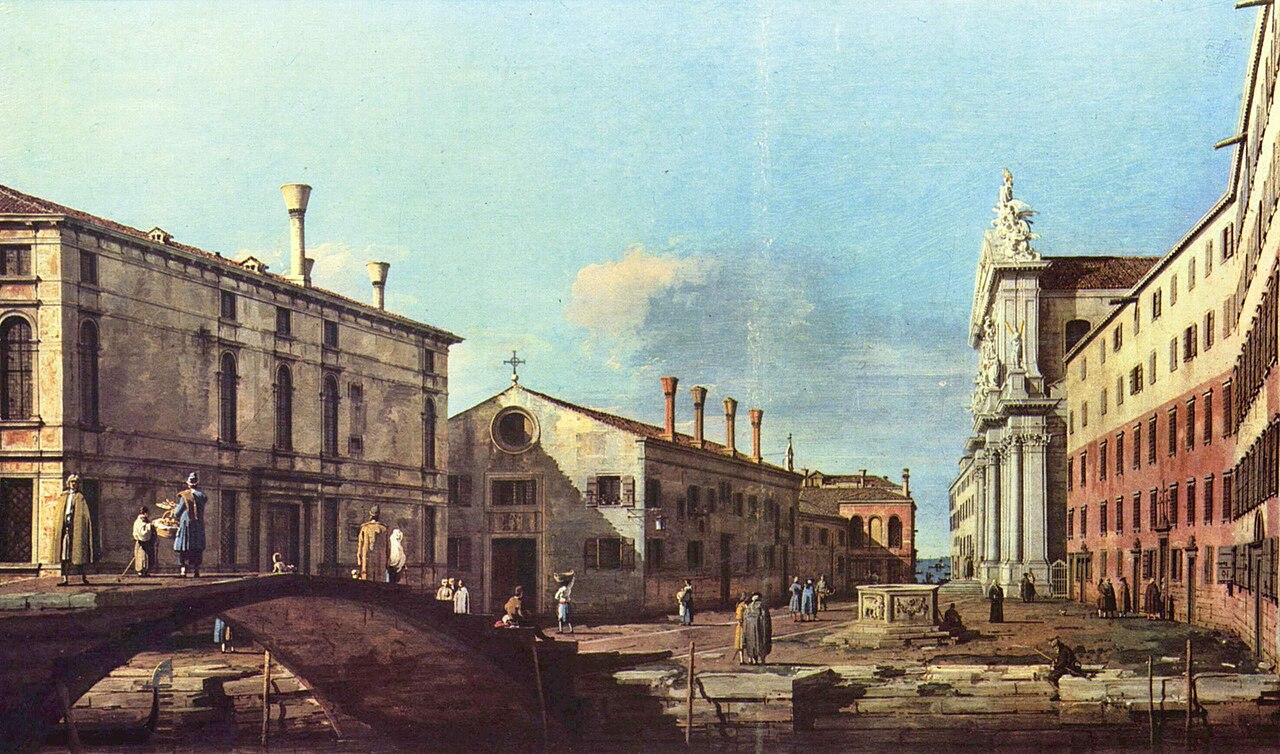
A Cannaregio walk is most enjoyable when the streets are comfortable for slow exploration. Morning and later afternoon can provide a gentler rhythm than the busiest central routes, while the district’s quieter character rewards travelers who are happy to pause between destinations. Religious buildings may be shaped by worship, community activity, restoration, or private functions, so treat the visit as a respectful neighbourhood stop. Weather matters: rain makes stone surfaces slick, and high-water conditions can affect low-lying routes. Leave enough flexibility to appreciate the exterior and surrounding district even when the interior cannot be visited.
Checked 2026-08-26 · Source
Plan the Oratorio dei Crociferi as a religious and historic place within a walking route, not as a conventional museum visit with a long ticketed programme. Carry a small amount of cash during your Venice day in case a donation is invited at a religious site, while respecting any stated arrangement. Nearby attractions may have separate admission systems, so do not combine their tickets automatically with this oratory. The most important preparation is a flexible itinerary: the stop is valuable for its setting and history, and a Cannaregio walk remains worthwhile even when your visit is limited to the exterior.
Checked 2026-08-26 · Source
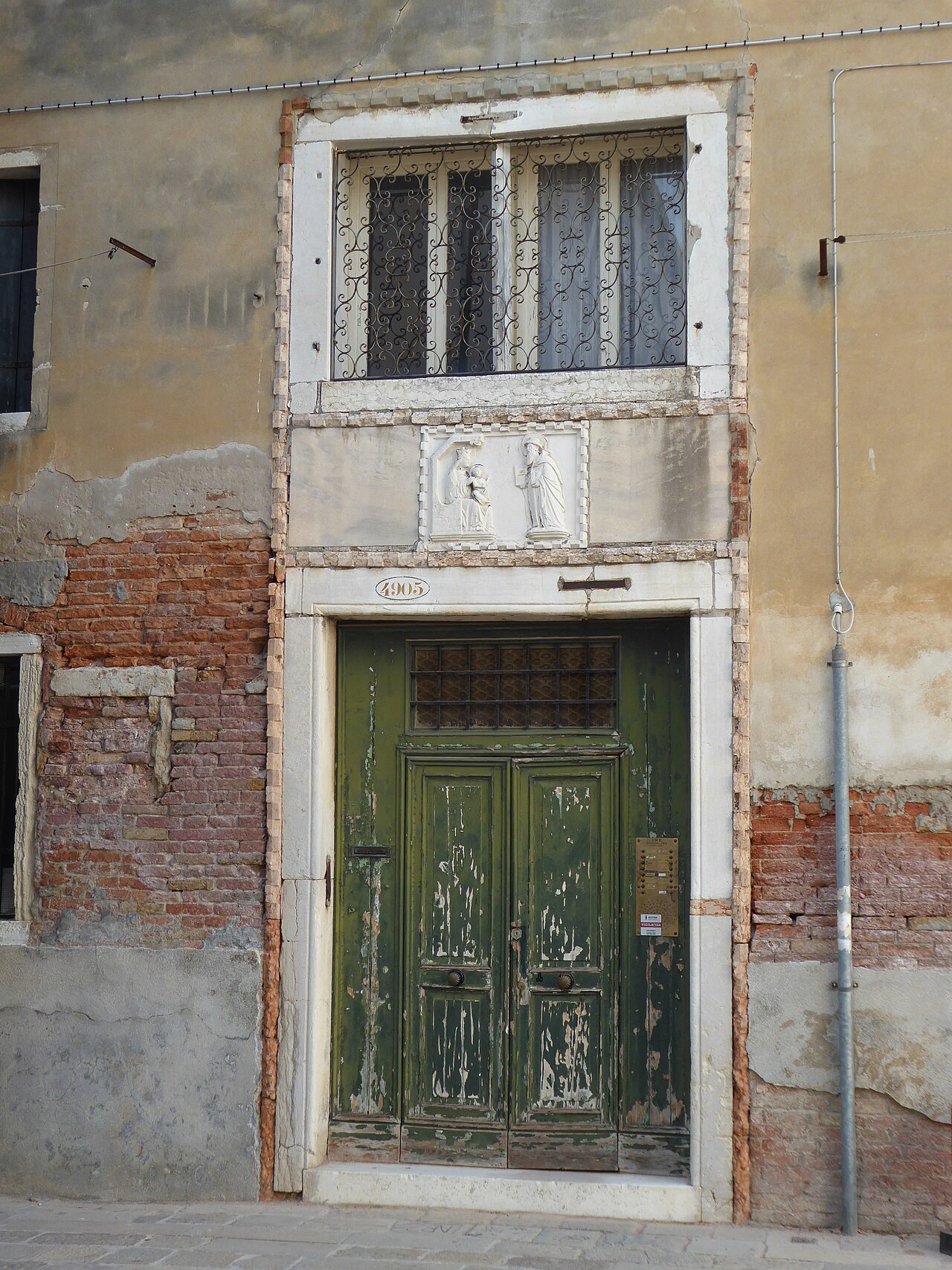
Reach Oratorio dei Crociferi on foot through Cannaregio. Vaporetto services along the Grand Canal and northern waterways can bring you into the district, after which the final approach follows calli, campielli, bridges, and canal-side paths. Venice’s historic centre has no ordinary road access, so every route includes walking. Build in extra time for navigation and bridge crossings rather than judging the journey only by map distance. A water taxi may shorten the water portion, but the last stage still depends on pedestrian movement. Comfortable shoes and a light bag are especially useful in Cannaregio’s older streets.
Checked 2026-08-26 · Source

Treat the oratory as a religious place and respect doors, signs, quiet areas, and any ongoing devotional use. Older Venetian buildings may include uneven floors, narrow approaches, limited lighting, and steps. Rain and high water can make nearby paving slippery. Cannaregio is calmer than the busiest tourist corridors, but ordinary awareness still matters when walking with valuables. Do not force entry or obstruct local activity. If the building cannot be entered, view it from the public route and continue through the neighbourhood. The surrounding walk is part of the experience, not merely a fallback.
Checked 2026-08-26 · Source
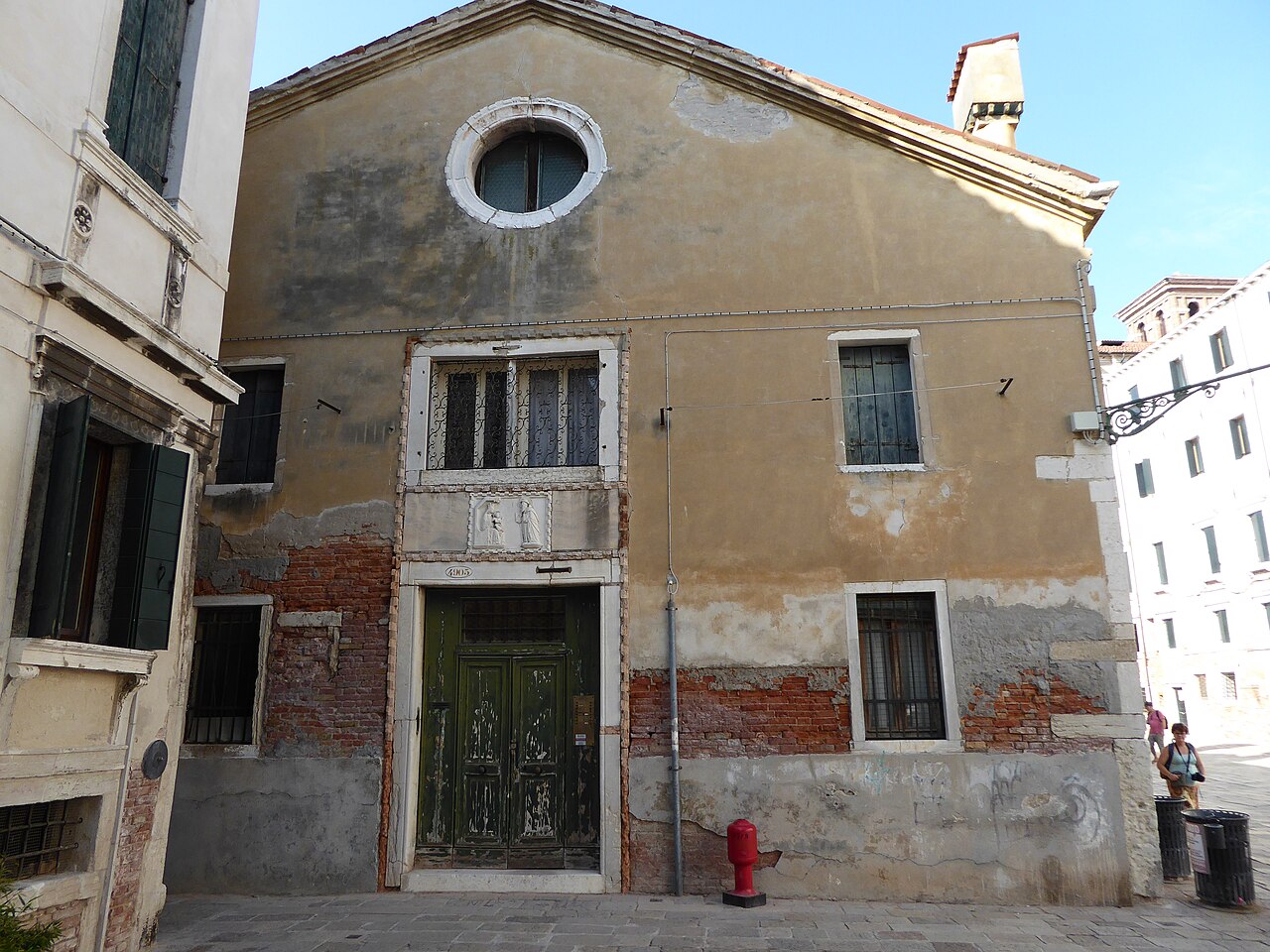
Exterior photographs are easiest to make from the public streets of Cannaregio, where the oratory can be placed within a wider composition of stone, water, and narrow lanes. Inside, keep the camera discreet and follow the behaviour expected in a devotional space. Avoid flash, tripods, and equipment that blocks movement. Photograph architectural details only when doing so is compatible with the atmosphere and any visible signs. Early or late light can give the exterior more depth, while overcast weather brings out the texture of Venetian masonry. Quiet observation should take precedence over collecting images.
Checked 2026-08-26 · Source
It is a small Venetian oratory in Cannaregio associated with the Crociferi religious order and part of the city’s intimate ecclesiastical heritage.
Allow approximately fifteen to thirty minutes for the building and its immediate surroundings, with additional time for a Cannaregio walk.
Use a vaporetto to approach Cannaregio, then continue on foot through the district’s calli, campielli, bridges, and canal-side paths.
Look at the building’s modest devotional scale, its relationship with the surrounding neighbourhood, and any architectural or liturgical details visible during respectful access.
Yes. It works particularly well as a short stop within a wider walk through Cannaregio’s historic streets, bridges, canals, and residential areas.
Keep quiet, respect devotional activity and signs, avoid blocking entrances, and view the exterior from the public route if interior access is unavailable.
Loading the interactive map…
The interactive map could not be loaded.
Last updated:
Source: OpenStreetMap contributors, Wikidata ·