.jpg)
_-_Foto_Giovanni_Dall%27Orto,_12-Aug-2007.jpg)
_-_Foto_Giovanni_Dall%27Orto,_12-Aug-2007.jpg)


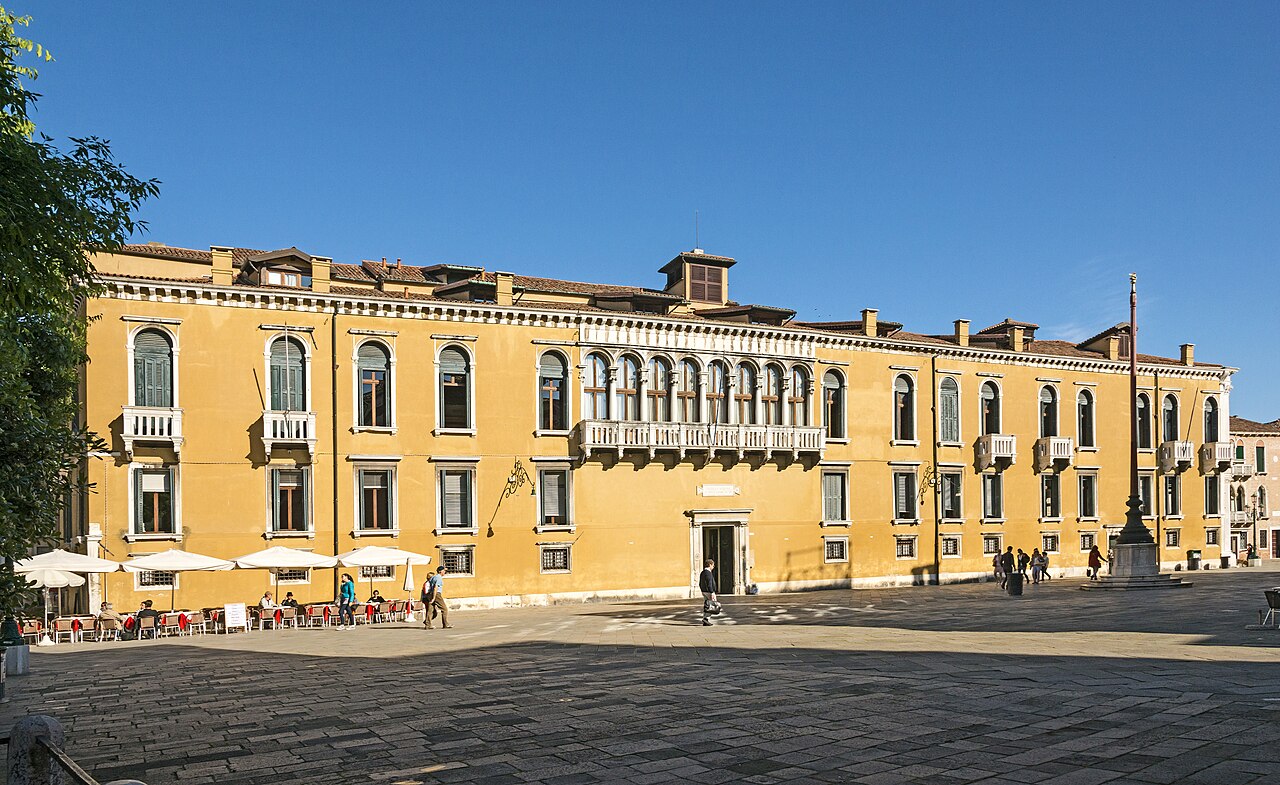
3 min walk
Istituto Veneto di Scienze, Lettere ed Arti
- High
- Museum
Language · 11 published
Historic monument · Venice
Reviewed by Elena Voss · Roavina Travel Editor
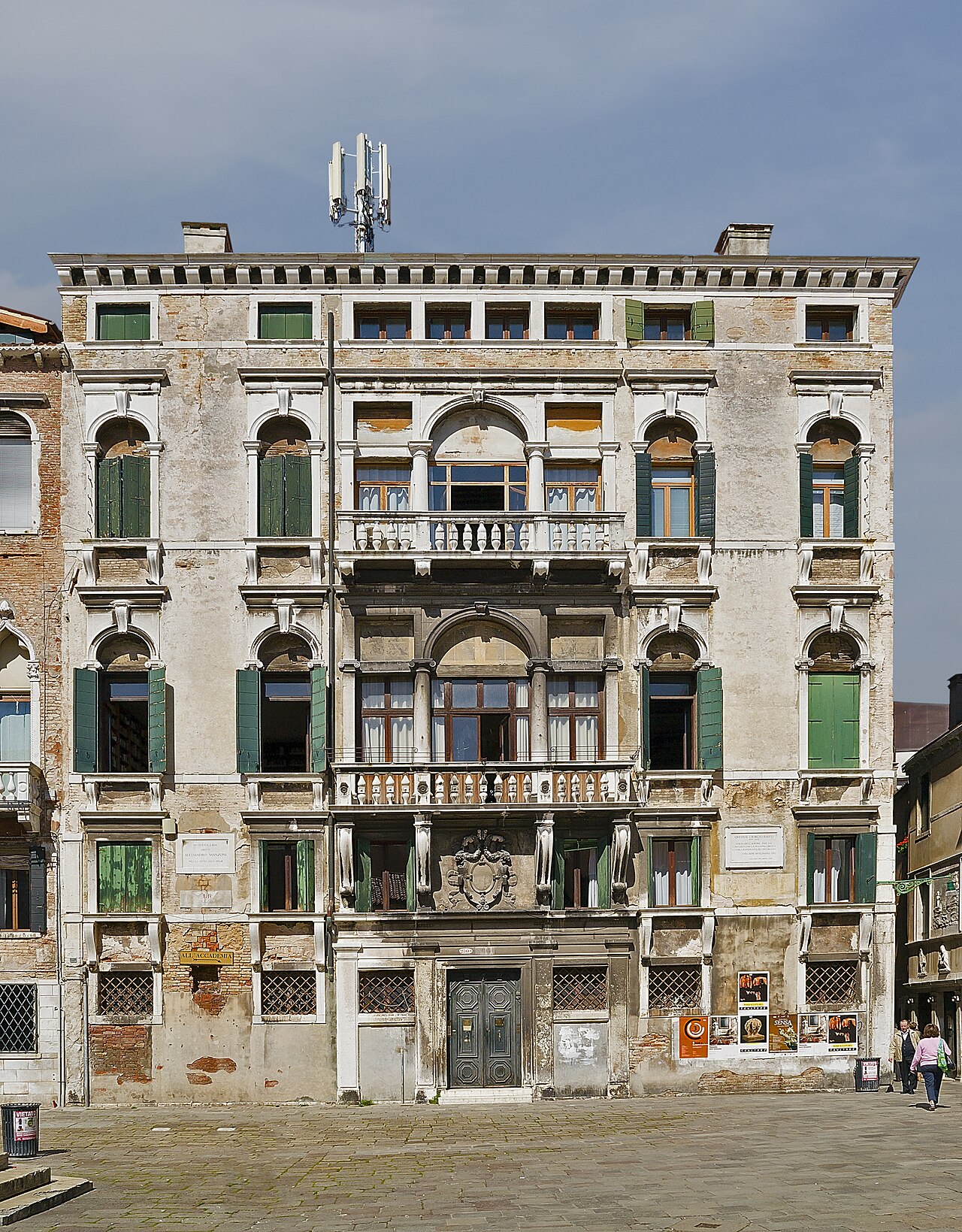
Palazzo Bellavite is a historic palace in Venice’s San Marco district. It belongs to the architectural landscape of central Venice, where noble residences, churches, bridges, and narrow streets form a continuous historic setting. Treat the palace as an exterior point of interest within your walk through San Marco, with attention to its position among the surrounding buildings and public spaces. Palazzo Bellavite is a historic palace in Venice, situated in the San Marco district. The building represents the city's rich architectural heritage of noble residences constructed during the Venetian Republic. Palaces of this type typically feature classical Venetian Gothic or Renaissance elements, with facades oriented toward canals or campi. Palazzo Bellavite contributes to the urban fabric that makes Venice a UNESCO World Heritage site. Visitors encounter it as part of the dense network of historic structures throughout central Venice.
Checked 2026-08-26 · Source
The documented visitor experience centres on Palazzo Bellavite as part of Venice’s historic streetscape rather than a defined interior attraction. From public routes, focus on the building’s entrance, facade proportions, windows, materials, and relationship with nearby streets or open spaces. Do not enter private doorways or courtyards unless an explicit invitation or posted public arrangement gives permission. Venetian palaces historically contained grand reception halls, private apartments, and service quarters arranged around central courtyards. Many such buildings have undergone transformations across centuries. The building may function as private residence, institutional space, or have other restricted uses. Architectural features visible from public thoroughfares may include portal details, window treatments, and facade materials typical of Venetian palace construction.
Checked 2026-08-26 · Source
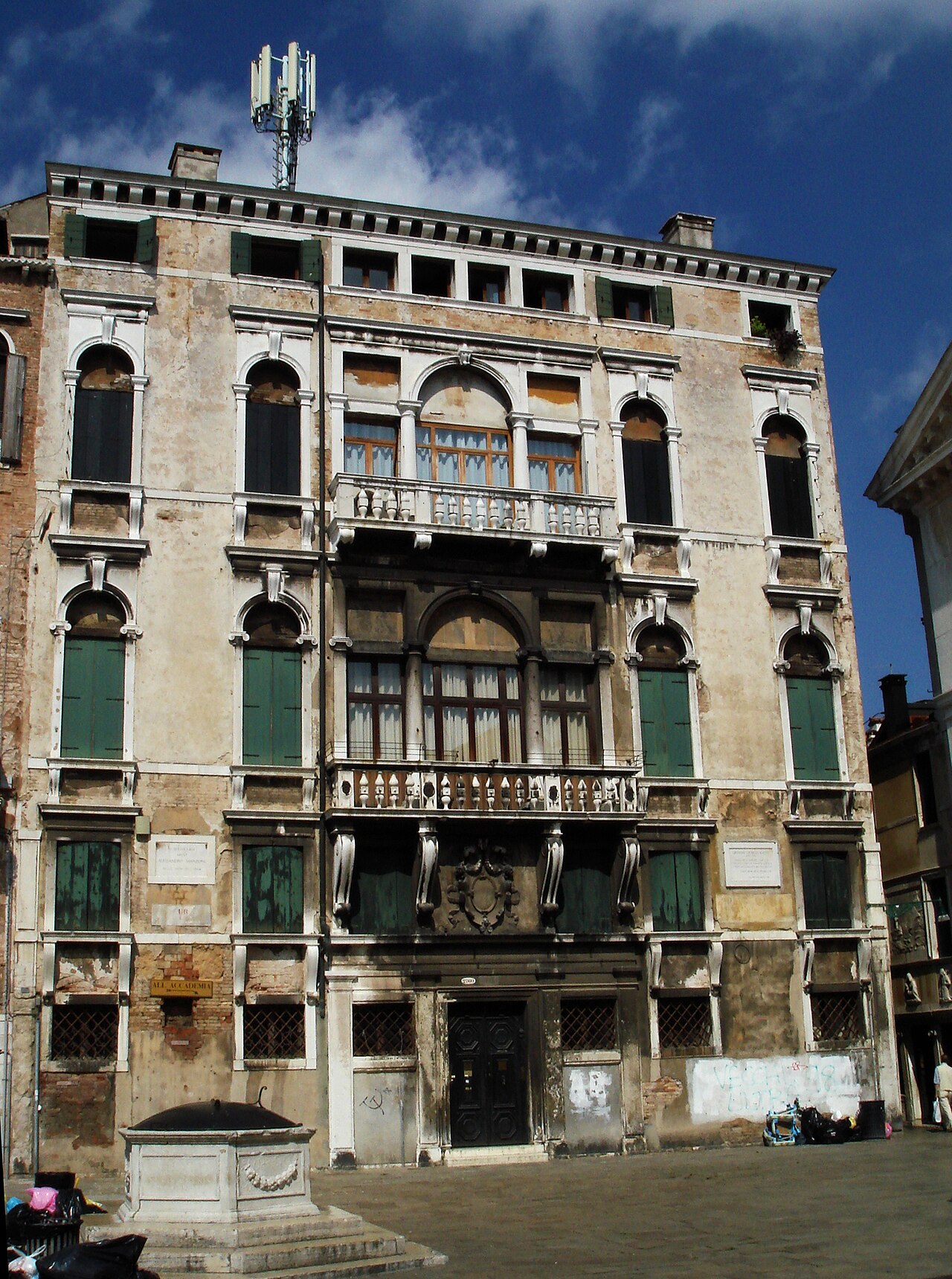
Allow around fifteen minutes for a focused exterior stop at Palazzo Bellavite, then continue through San Marco. The palace works best as one moment in a longer walking route rather than as a destination requiring a separate half-day visit. Add time for photography, pauses at nearby campi, and the slow pace created by Venice’s bridges and crowded lanes. Duration of visit cannot be determined without confirmed public access. If exterior viewing from campo or calle is possible, a brief pause of five to fifteen minutes suffices for architectural appreciation. Venice rewards extended pedestrian exploration, and Palazzo Bellavite may naturally feature within walking itineraries through San Marco. Visitors typically allocate full days to district wandering rather than single-structure focus. The surrounding area contains numerous churches, museums, and commercial streets that extend engagement. Plan flexible timing without expectation of interior visitation. The palace serves as contextual element within broader Venetian urban experience rather than standalone destination requiring dedicated scheduling.
Checked 2026-08-26 · Source
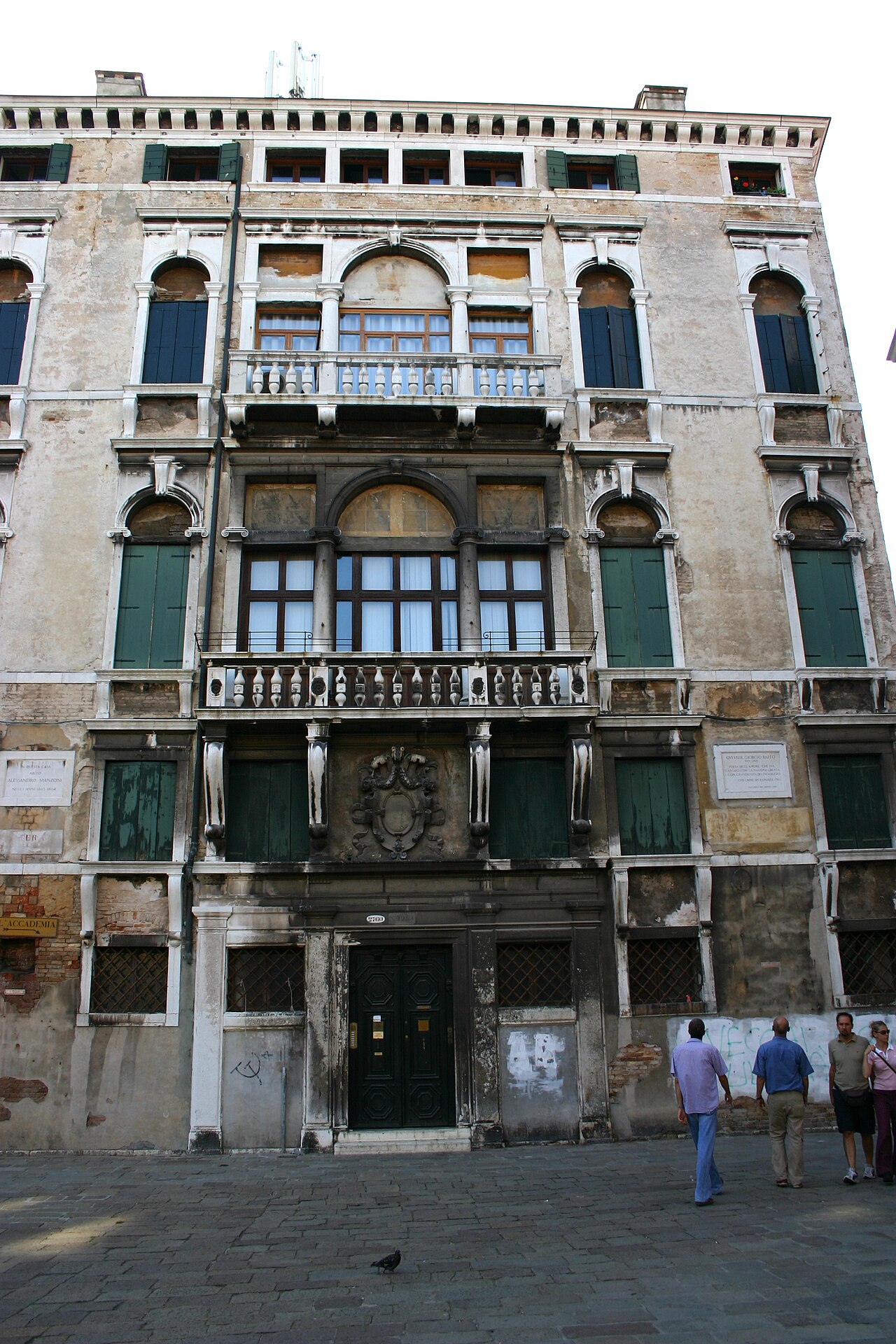
Visit during daylight so architectural details can be read clearly from the public approach. Early morning usually gives a calmer walk through San Marco, while late afternoon can provide warmer light for facade photography. Venice is busiest around its principal landmarks, so place this stop within a quieter side-street route when the central squares are crowded. Venice presents distinct seasonal characters: summer brings crowds and humidity, winter offers atmospheric solitude with acqua alta flooding risks, spring and autumn provide moderate conditions.
Checked 2026-08-26 · Source
Plan Palazzo Bellavite as an exterior sight within your Venice walk. The guide records no visitor ticket or public admission arrangement for this building, so there is no confirmed entry product to include in a museum budget. Reserve paid time for separately ticketed museums and landmarks in San Marco, while keeping this palace stop flexible and brief.
Checked 2026-08-26 · Source
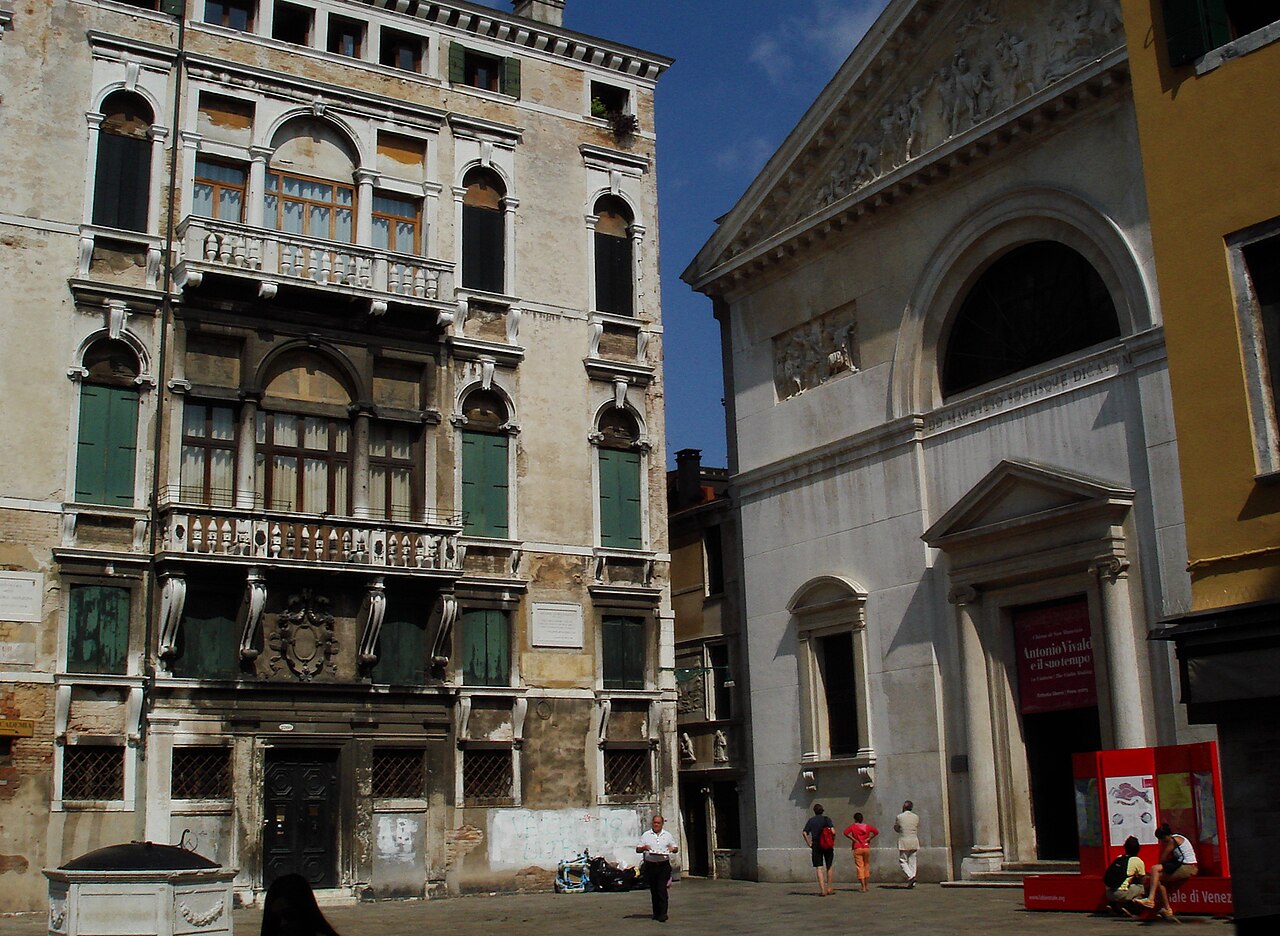
Reach Palazzo Bellavite on foot through San Marco. Venice’s historic centre has no ordinary road access, and the final approach uses calli, small squares, and bridges. Begin from the Piazza San Marco area or connect it with a vaporetto stop along the Grand Canal, then navigate with a detailed map because nearby lanes can change direction quickly.
Checked 2026-08-26 · Source

Keep the stop respectful because a historic palace may include private entrances or occupied rooms. Venice’s paving is often uneven, and narrow lanes become congested near San Marco. Watch your belongings in dense crowds, leave doorways clear, and take care around canal edges. During high water, choose footwear and routes suitable for wet or flooded pavement.
Checked 2026-08-26 · Source
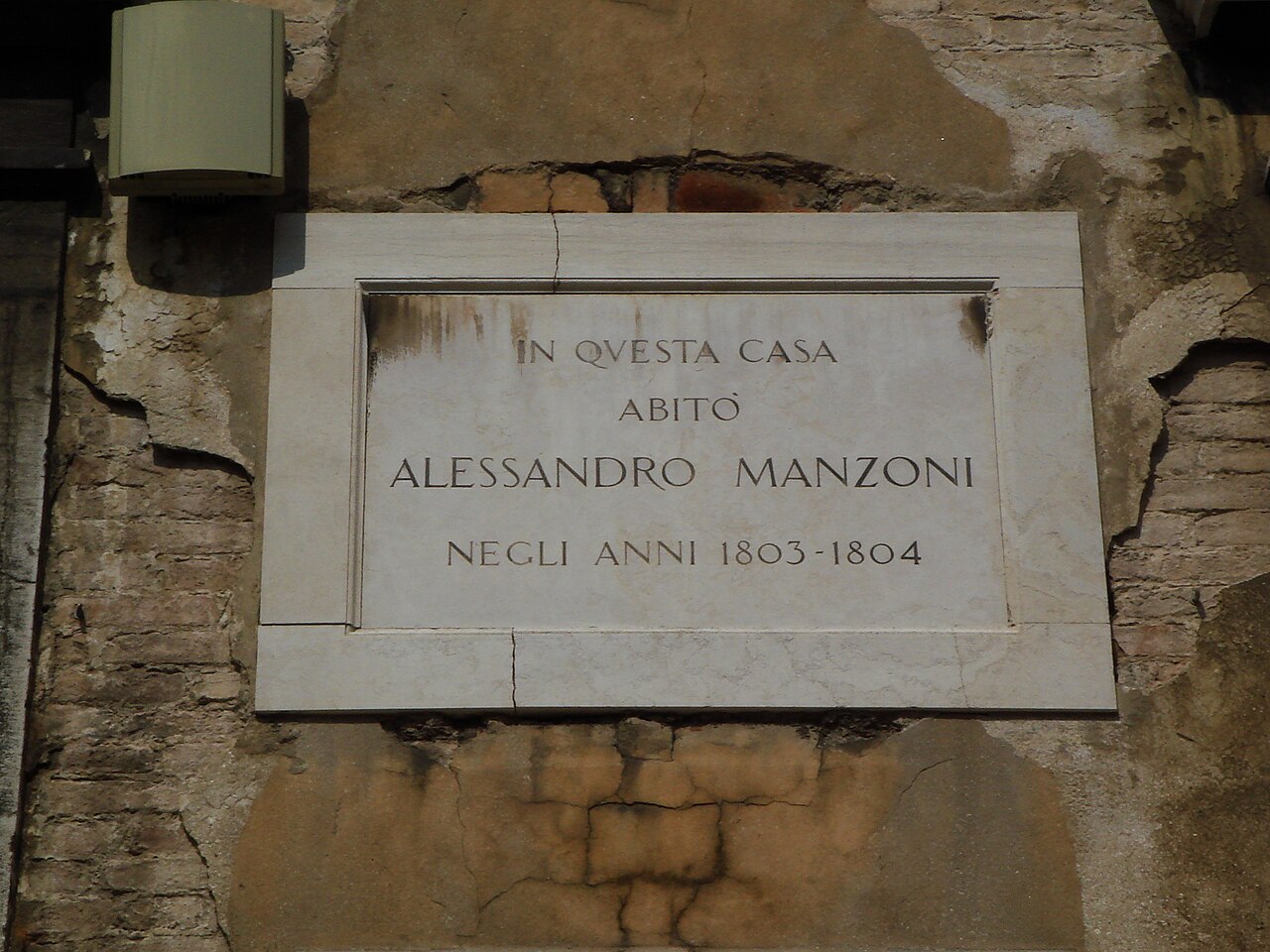
Photograph Palazzo Bellavite from the public route without blocking pedestrian movement. A normal lens can record the facade in context, while a short telephoto lens helps isolate windows, stonework, and entrance details. Morning or late-afternoon light can add definition. Avoid photographing through private windows, setting up bulky equipment in narrow lanes, or using a drone in Venice’s historic centre.
Checked 2026-08-26 · Source
It is a historic palace in Venice’s San Marco district and is best treated as an exterior architectural stop within a central-city walk.
View it from the public streets and open spaces of San Marco while walking through Venice’s historic centre.
Around fifteen minutes is suitable for a focused exterior look, with extra time if you are photographing the building or exploring nearby streets.
Walk through San Marco using Venice’s calli, campi, and bridges; the last part of the route is pedestrian.
Daylight is the practical choice, with early morning offering a calmer atmosphere and late afternoon offering warmer light.
Look for the facade, windows, entrance details, materials, and the palace’s relationship with Venice’s surrounding streetscape.
Loading the interactive map…
The interactive map could not be loaded.
Last updated:
Source: OpenStreetMap contributors, Wikidata ·